For years, the distance between a marketer's vision and a live, functioning distribution tool was measured in JIRA tickets, developer sprints, and budget approvals. If you wanted a custom ROI calculator, a viral quiz, or an internal dashboard to track creator performance, you had to wait. But in 2025, the barrier has collapsed. We have entered the era of vibe coding—a term coined by Andrej Karpathy to describe a workflow where the human provides the high-level natural language intent (the "vibe") and the AI handles the granular technical execution. For growth marketers, this represents the most significant shift in marketing distribution strategy since the advent of social media advertising. By leveraging agentic AI for growth, marketing teams can now build their own software assets, effectively transforming into product-led growth engines overnight.
The Rise of the Marketing Vibe Coder
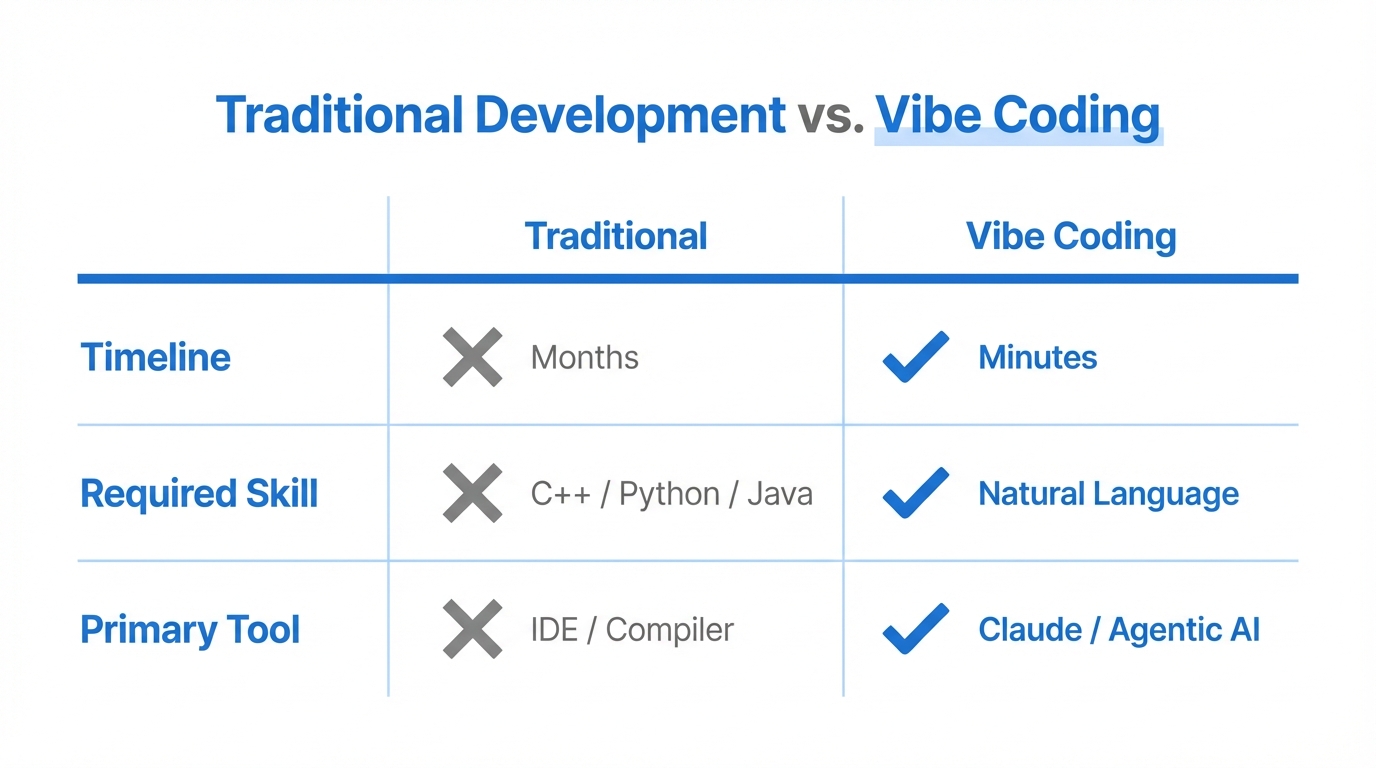
The transition from traditional coding to vibe coding is backed by staggering data. According to the 2024 Stack Overflow Developer Survey, 76% of developers were already using AI tools last year, a number that surged to 84% by early 2025. But the real story is that 51% of professional developers are now using these tools daily, moving away from writing every line of code manually to managing AI agents that execute complex tasks. Software development is shifting from manual syntax to high-level vision, and this opens the door for marketers who know exactly what they want but don't know how to write the Python or React code to make it happen.
"Vibe coding isn't about writing syntax; it's about maintaining a vision while AI handles the execution—allowing marketers to bypass the technical bottleneck."Vibe coding utilizes tools like Claude 3.5 Sonnet, which remains the industry benchmark for coding logic. In standard benchmarks, this model scores 93.7% on HumanEval, outperforming legacy models and making it reliable enough to build production-grade growth marketing tools. For a marketer, this means your job is no longer to beg for dev resources; it is to master "context engineering" and provide the right instructions to an agentic CLI.
The Marketer's Playbook: Building Tools with Claude Code
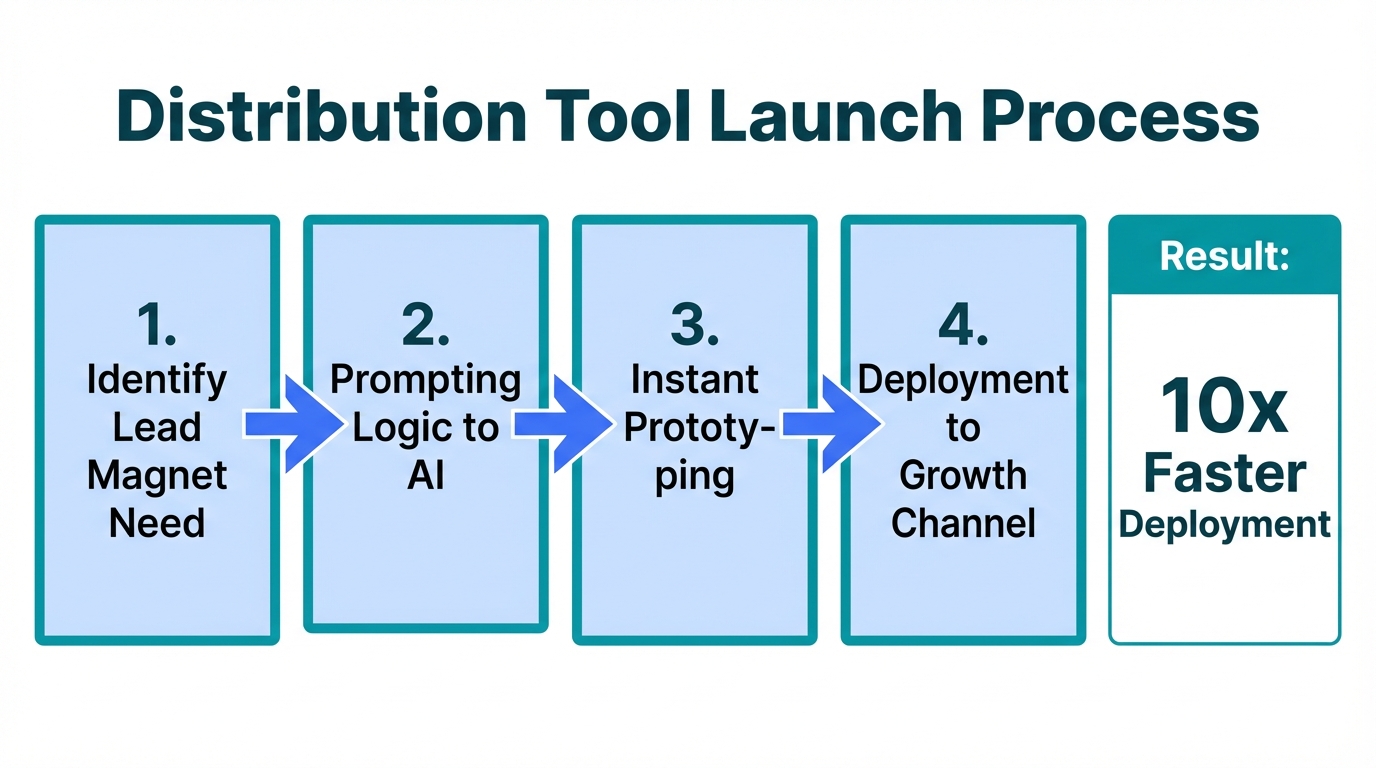
To start vibe coding, you need more than a chatbot; you need an agent that can interact with your file system, run tests, and fix its own errors. Claude Code, Anthropic's agentic CLI tool, is the premier choice for this terminal-first workflow. Here is how you can use it to build a custom distribution tool, like a lead-gen calculator or a TikTok engagement predictor.
Step 1: Scaffolding the Vision
Start by describing the project in plain English. Instead of asking for a "script," ask Claude to scaffold a full project. Use the /plan mode to have the AI outline the implementation before writing code. This avoids "agent hallucinations" and ensures the logic aligns with your goals. For example, tell Claude: "I want to build a React-based TikTok ROI calculator that takes inputs for follower count, average views, and niche CPM, then outputs a projected revenue report."
Step 2: Context Engineering with CLAUDE.md
One of the most powerful strategies for vibe coding is creating a CLAUDE.md file in your project's root directory. This file acts as the "long-term memory" for the AI. You can specify branding guidelines, preferred libraries (like Tailwind CSS for styling), and naming conventions. Every time you start a session in Claude Code, the agent reads this file to ensure its output remains consistent with your previous decisions.
Step 3: Iterative Refinement
Vibe coding is an iterative process. You don't get the perfect tool in one prompt. You "vibe" with the agent by reviewing its work and giving feedback. If the calculator looks ugly, say "Make it look more like a modern SaaS dashboard using dark mode and shadcn/ui components." Because Claude 3.5 Sonnet has a 200k-token context window, it can remember the entire structure of your tool as it grows.
"The secret to rapid growth is building assets that provide value before you ask for a sale. Vibe coding lets you build those assets in hours, not months."| Tool Type | Marketing Use Case | AI Agent Value-Add |
|---|---|---|
| Calculators | Lead magnets for SaaS/Fintech | Handles complex math & logic flawlessly |
| Widgets | Embeddable tools for blogs | Generates portable, clean JS/HTML code |
| Dashboards | Internal data visualization | Connects to APIs via MCP protocols |
| Landing Pages | High-converting PLG assets | Refactors UI/UX based on best practices |
Connecting to the Ecosystem: MCP and Marketing Automation
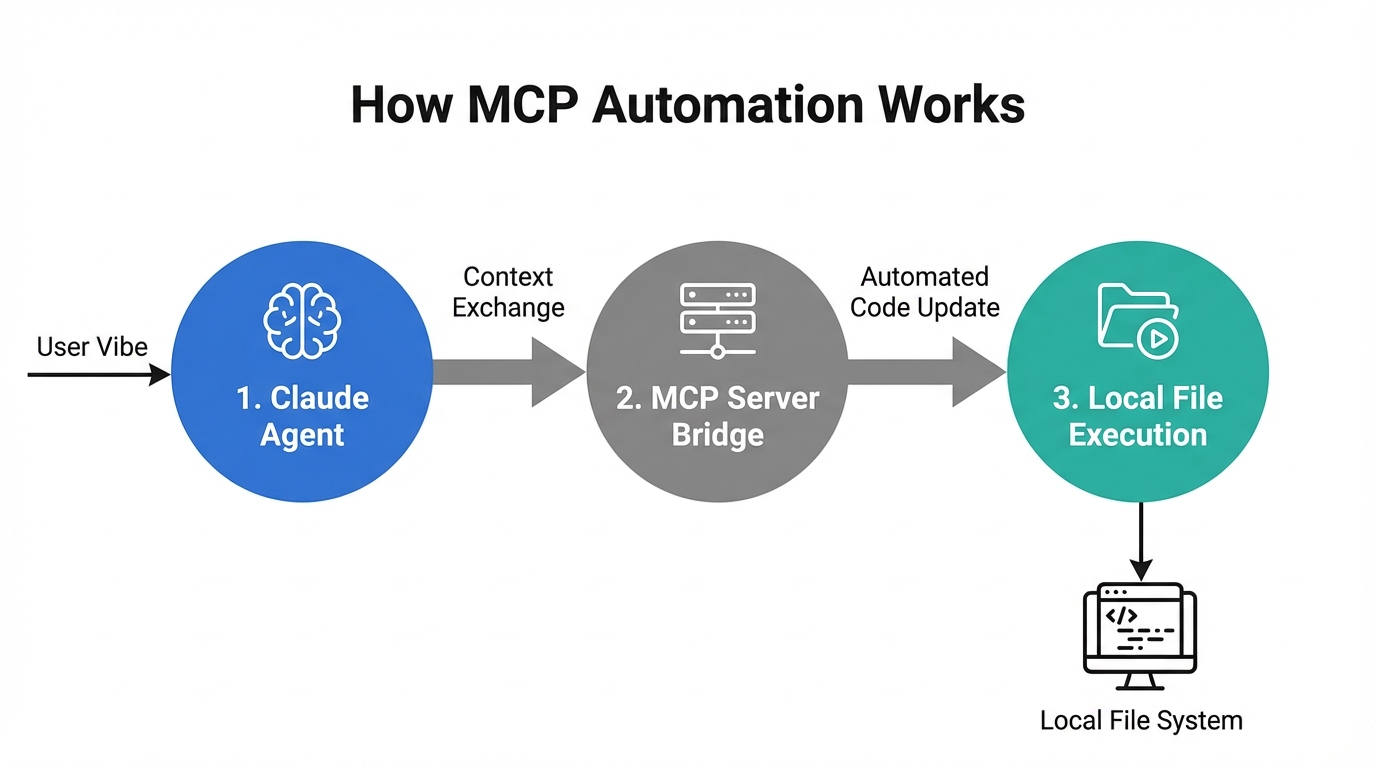
Vibe coding isn't just about building standalone widgets; it's about connecting your tools to the rest of your marketing stack. This is where the Model Context Protocol (MCP) comes in. MCP is an open standard that allows AI models to connect to external data sources like Google Drive, Slack, and Jira. Vibe coding allows marketers to build assets that were previously gated by engineering bandwidth.
For a growth marketer, this means you can instruct agentic AI tools to read a CSV of leads from your Google Drive, analyze their social media profiles, and then automatically generate personalized outreach scripts. If you are running an influencer campaign, tools like Stormy AI can be the perfect complement here. While you use vibe coding to build your landing pages and trackers, you can use Stormy to find and vet the creators who will drive traffic to them. By connecting your custom-built tools to an AI-powered creator search engine, you create a seamless loop of discovery and conversion.
Avoiding 'Technical Debt at Lightspeed'
While vibe coding is fast, it comes with risks. Experts at Snyk warn that nearly 48% of AI-generated code can contain potential security flaws if not properly reviewed. Technical debt can now be accumulated at lightspeed if you let an agent run on autopilot without checking the diffs.
- Review Every Diff: Never use the
--dangerously-skip-permissionsflag unless you are in a completely isolated local environment. Always look at what the AI is changing before hitting 'Y'. - No Hardcoded Secrets: AI agents have a habit of hardcoding API keys. Always include a rule in your
CLAUDE.mdthat secrets must only be handled via .env files. - Task Decomposition: If a tool becomes too complex, break it into smaller components. Small models like Claude Haiku can handle minor CSS fixes, but use the heavy-hitting Sonnet model for core logic and architecture.
Case Study: Rapid Refactoring and Scale
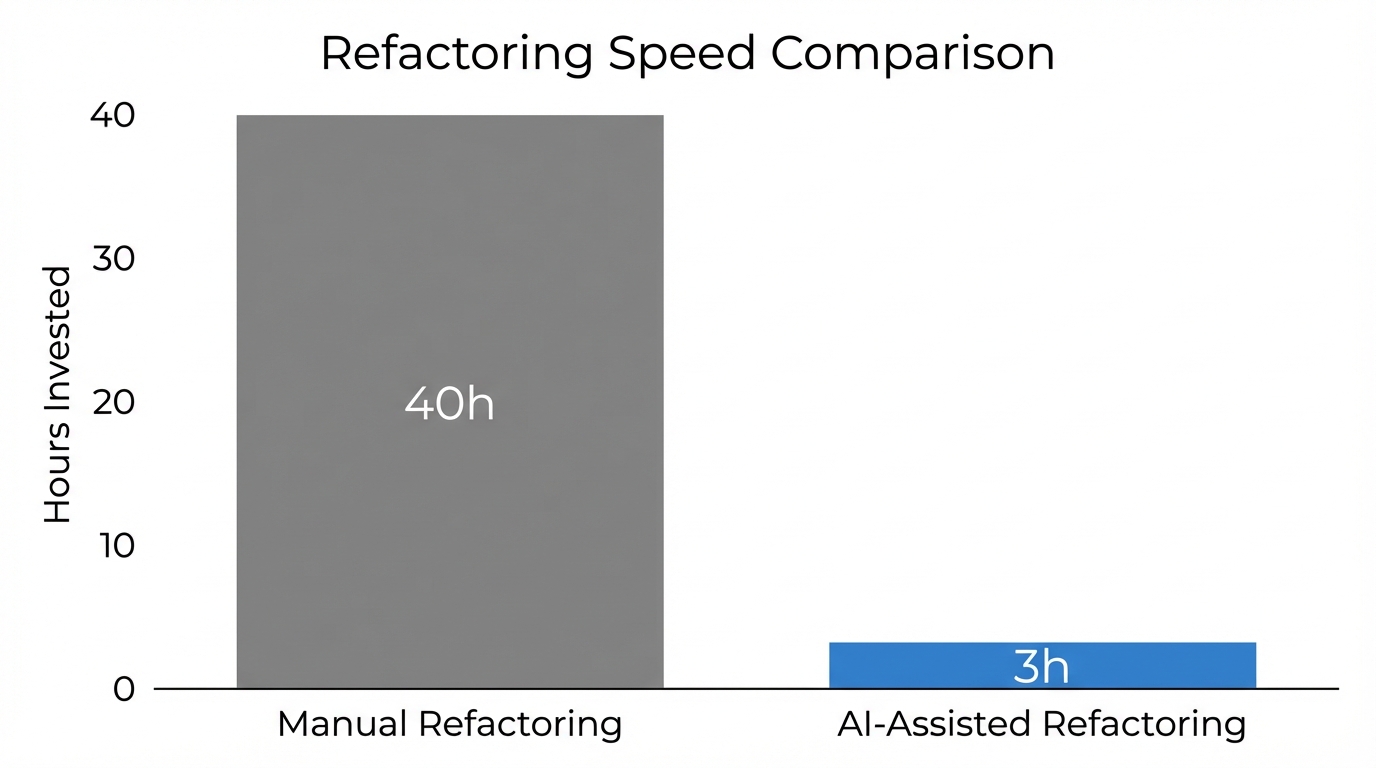
One of the most impressive examples of vibe coding at scale comes from the engineering team at Builder.io. They used Claude Code to refactor a massive, 18,000-line React component. While traditional AI IDEs often struggle with files of that size, the agentic nature of Claude Code allowed it to understand the entire context, identify redundant logic, and suggest deletions rather than just adding more code.
For marketers, this same principle applies to landing page optimization. Imagine a campaign with 50 different landing pages that all need a specific SEO update. Instead of a week-long project for a junior dev, a "vibe coder" can give a single natural language instruction to the CLI agent: "Iterate through all files in the /landing-pages directory and update the meta tags and schema markup based on this JSON file." The agent executes the change across thousands of lines of code in minutes.
The Future of Growth is Agentic
Vibe coding is not just a trend for developers; it is a superpower for the modern marketer. By mastering tools like Claude Code and protocols like MCP, you can move from a world of "requesting" to a world of "building." Whether you are creating a viral lead magnet, a custom internal CRM, or a automated distribution widget, the limit is no longer your technical skill—it's the clarity of your vision.
As you build these new distribution assets, remember that software is only half the battle. You still need an audience. Integrating your vibe-coded tools with a Stormy AI allows you to manage the entire lifecycle of a campaign—from the software that converts the user to the influencer who brings them to the door. The era of the full-stack marketer has arrived, and it's powered by the vibe.