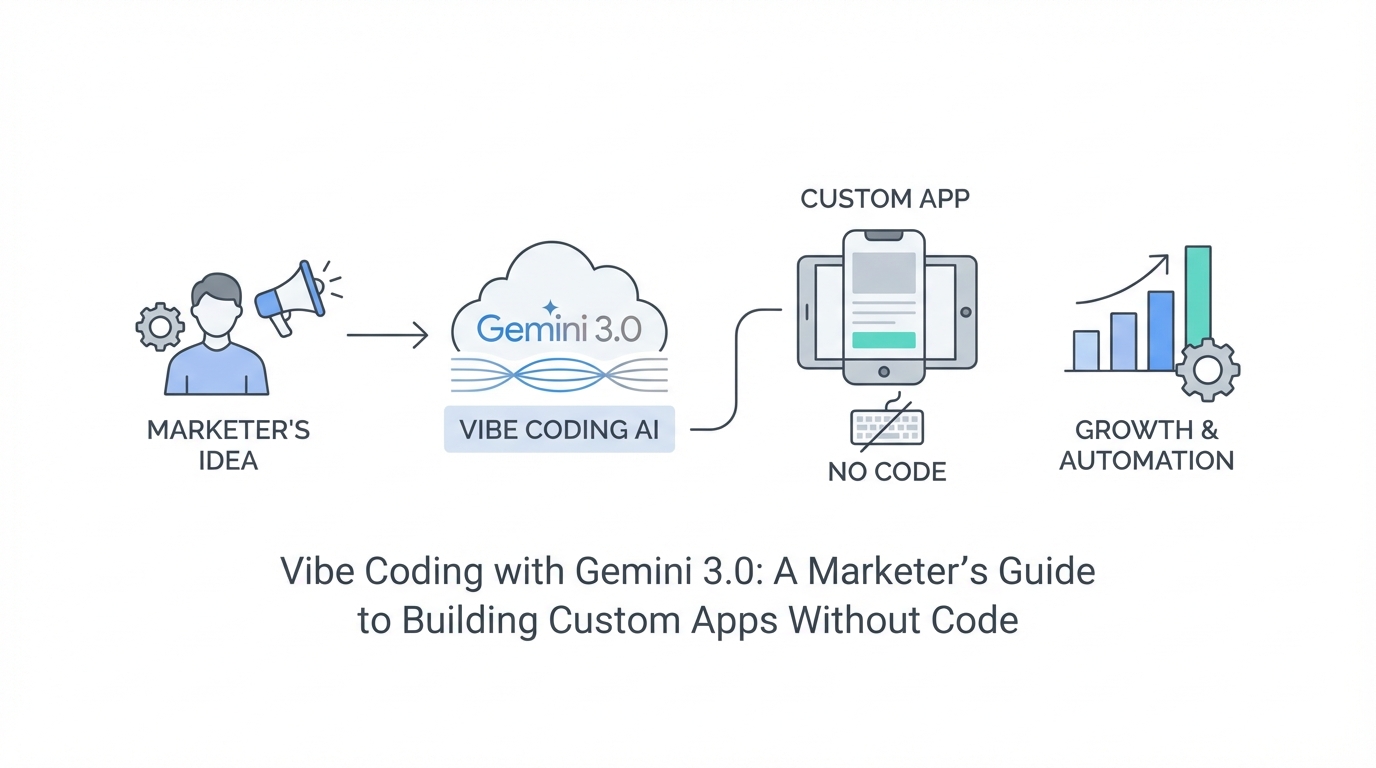
For years, the barrier between a great marketing idea and a functional software tool was a wall of syntax, semicolons, and logic gates. But with the release of Google’s Gemini models and the rise of "vibe coding," that wall is finally coming down. Marketers are no longer just users of SaaS tools; they are becoming architects of their own custom solutions.
What is Vibe Coding?
The term "vibe coding," popularized by tech visionaries like Andrej Karpathy, refers to a new paradigm of software development where the "programmer" provides the intent, aesthetic, and high-level logic through natural language, while the AI handles the actual implementation. Instead of debugging lines of Python or JavaScript, you are essentially "vibing" with the model until the output matches your vision.
According to GitHub’s latest Octoverse report, the surge in AI-powered development has led to a massive increase in non-traditional developers contributing to software projects. For a marketing manager, this means the ability to build a custom ROI calculator, a content repurposing engine, or a bespoke dashboard without waiting on the IT department’s six-month roadmap.
Why Gemini 3.0 for Marketing Apps?
Gemini 3.0 offers a massive context window and multimodal capabilities that are particularly useful for marketing use cases. Whether you are feeding it thousands of lines of Google Analytics data or asking it to design a UI based on a hand-drawn sketch, the model's reasoning capabilities allow it to understand complex marketing workflows.
Building Marketing Tools with Natural Language
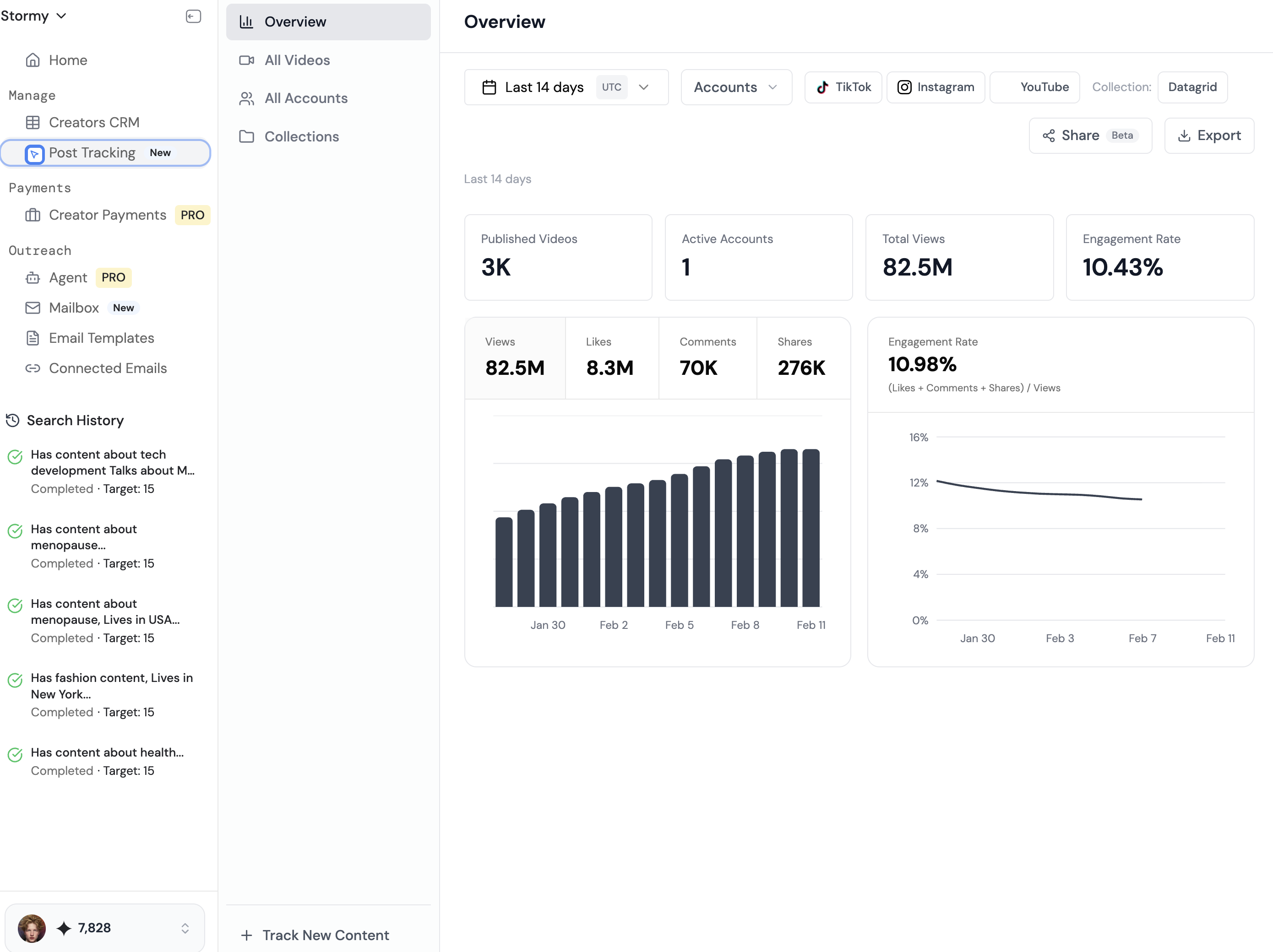
When you start "vibe coding" your own marketing stack, you might begin by building simple automation scripts. However, as your needs grow—especially in the realm of creator partnerships and social commerce—you’ll realize that some specialized infrastructures are better handled by dedicated platforms. For example, while you can vibe-code a basic list manager, sophisticated platforms like Stormy AI provide the enterprise-grade AI search and post-tracking capabilities that would take months to build from scratch.
Many marketers are using tools like Cursor or Replit Agent to spin up prototypes. These tools allow you to simply type: "Build me a dashboard that pulls our latest mentions from TikTok and calculates the estimated engagement rate," and watch the code write itself in real-time. This trend aligns with Gartner’s prediction that by 2025, 70% of new applications developed by enterprises will use low-code or no-code technologies.
The Essential Vibe Coding Stack
- The Brain: Gemini 3.0 or OpenAI's o1 for complex reasoning and logic.
- The Editor: v0.dev for UI generation or Cursor for full-stack development.
- The Integration: Zapier or Make.com to connect your custom app to your existing CRM.
As you experiment with these tools, remember that the "vibe" is only as good as the data you feed it. For high-stakes tasks like identifying the right influencers for a brand launch, using a vetted AI search engine remains critical. Modern platforms like Stormy AI leverage similar generative technologies to those found in Gemini to ensure that your creator discovery is backed by real-time audience data and fraud detection.
The Future of the "Marketing Engineer"
We are entering an era where the most valuable skill in marketing isn't knowing how to use a specific tool, but knowing how to describe the tool you need. Vibe coding with Gemini 3.0 empowers marketers to bridge the gap between creative strategy and technical execution. By leveraging large language models, the next generation of marketing leaders will build their own proprietary internal tools, giving them a distinct competitive advantage in an increasingly automated world.