Imagine building a software business that generates $30,000 in monthly recurring revenue (MRR) in less than two years, all while writing almost none of the code yourself. This isn't a pipe dream; it is the reality for entrepreneurs like Gil, who built Subscribr, an AI-powered scriptwriting tool for YouTube creators. By leveraging a strategy known as vibe-coding, Gil was able to transition from a validated mockup to a profitable SaaS with over 4,000 customers. The secret lies in a shift from traditional development to an AI-first approach where the goal is to validate demand before a single line of code is written.
What is Vibe-Coding? The 90% AI Codebase
The term vibe-coding refers to a modern development workflow where a founder uses Large Language Models (LLMs) like Claude or ChatGPT to handle the heavy lifting of software engineering. Instead of spending weeks architecting a backend or debugging complex logic, you describe the 'vibe' of the feature—its requirements, its logic, and its user interface—and let the AI generate the code. For Gil, this meant that roughly 90% of his codebase was written by AI agents. This allows for rapid prototyping and deployment, making micro saas development more accessible than ever before.
When you are building saas with ai, your role shifts from being a manual coder to being a high-level architect and project manager. You are essentially 'vibing' the product into existence by giving precise instructions to tools like Claude. This approach is particularly effective for founders who understand business logic but want to avoid the 'builder’s disease'—the tendency to get lost in the technical details while ignoring the market. By using AI to handle the mundane tasks, you can focus on the core value proposition of your application.
The $20K Validation Playbook: Selling Before Building

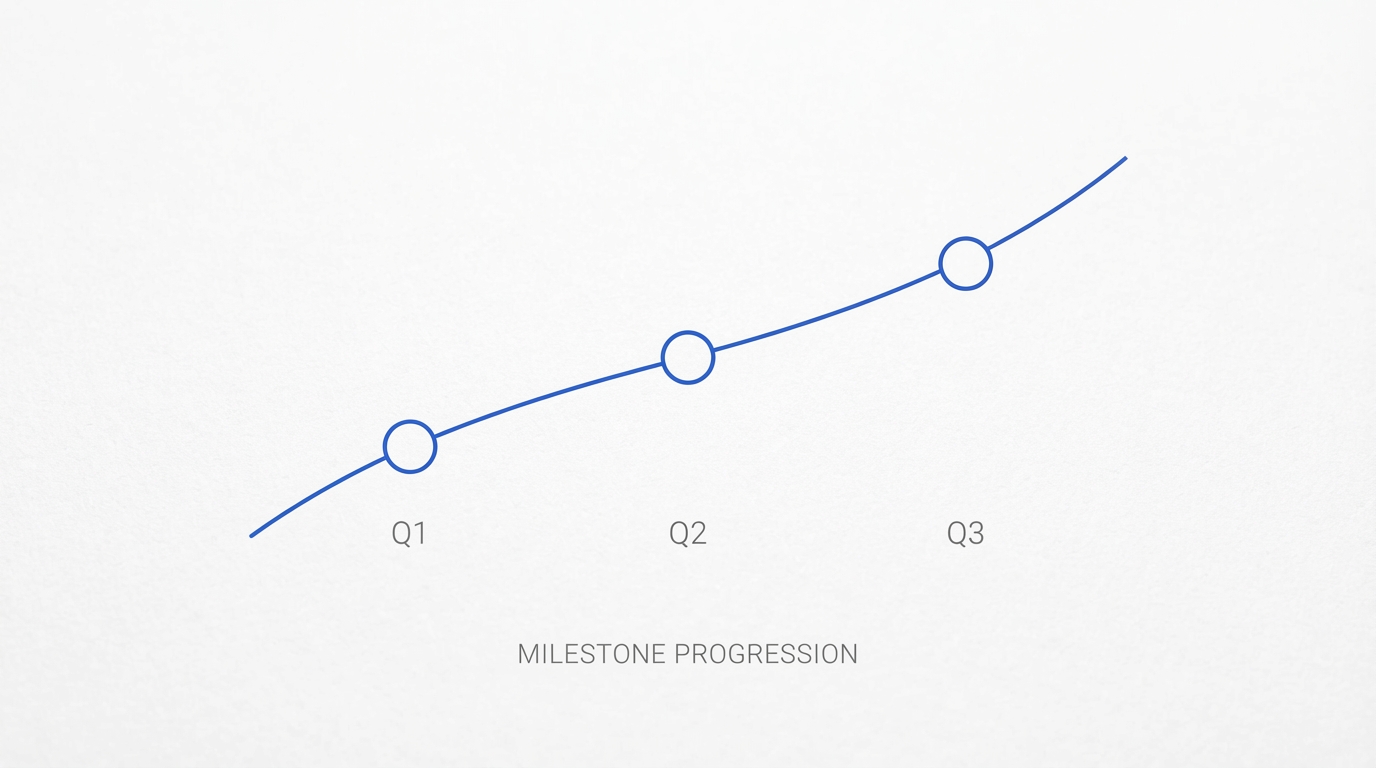
One of the most remarkable parts of Gil’s story is that he earned $20,000 in revenue before the product even existed. This is the ultimate vibe coding tutorial lesson: never build until you have confirmed that people are willing to open their wallets. Gil didn't just ask for feedback; he set up a pre-sale for 50 lifetime licenses. The fear of missing out (FOMO) was real, as the price increased every ten licenses sold. This provided the necessary capital and validation to commit to a 60-day build sprint. Platforms like Stormy AI, an all-in-one AI platform for influencer analysis and vetting, are often used by savvy marketers to research audience trends and creator quality during this validation phase to ensure the 'painkiller' they are building is actually needed by the market.
Step 1: Build an Initial Audience
You cannot sell to an empty room. Gil started by opening a brand new account on X (formerly Twitter) with zero followers and following everyone in the YouTube niche. He provided free value by sharing insights and viral giveaways, which helped him build an email list of over 1,000 people. Building an audience isn't just about numbers; it's about establishing trust. People buy from people they believe in. If you're looking for an idea to start with, you can find an idea by looking for bottlenecks in existing workflows, just as Gil found scriptwriting to be the bottleneck for YouTube creators.
Step 2: Engage via Email Weekly
While social media is great for discovery, your email list is where the real business happens. Communicating at least once a week allows you to start a dialogue. Ask your subscribers about their pain points. When they reply, take the feedback and refine your product idea. This ensures that by the time you launch your pre-sale, your audience already feels like they’ve had a hand in the development process.
Step 3: Do the Validation Math
Before launching, determine exactly what 'success' looks like. Gil calculated that he needed $20,000 to fund three months of his life. Based on his target price point, he knew he needed 50 buyers. By understanding his conversion rates, he could work backward to see if his email list was large enough to support that goal. This scientific approach to micro saas development removes the guesswork and provides a clear roadmap for the pre-sale.
Step 4: Execute an Aggressive Pre-sale Sequence
A pre-sale requires an offer so good people can't say no. Following the principles in Alex Hormozi's $100 million offers, Gil offered a lifetime license at a massive discount with a total money-back guarantee. He ran a seven-day email sequence, starting with the benefits and moving toward an emotional appeal about how the tool would change the user's life. He then delivered the product within 60 days, giving users another two weeks to ask for a refund if they weren't satisfied.
The AI SaaS Tech Stack: Why Laravel Wins
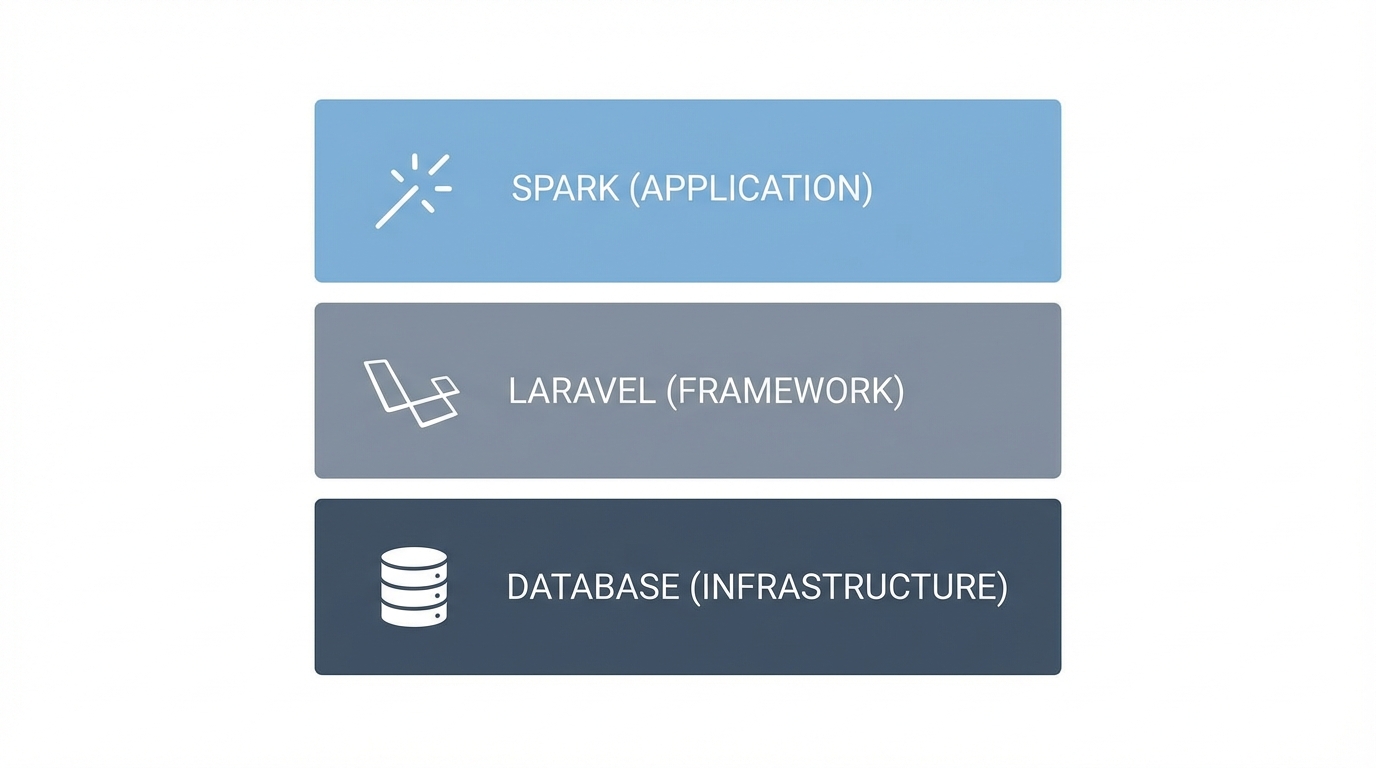
Choosing the right ai saas tech stack is critical for speed. While many AI tutorials focus on Python, Gil chose Laravel for his AI apps. Laravel is a robust PHP framework known for its developer-friendly syntax and extensive ecosystem. It handles everything from authentication to database management out of the box, allowing you to focus on the AI integration. For hosting, he opted for Digital Ocean, keeping the infrastructure simple and manageable for a solo founder or small team.
When laravel for ai apps is paired with AI model providers, you create a powerful synergy. Subscribr uses various LLM providers to handle script generation, while the Laravel backend manages user subscriptions and data. For those looking to scale their app marketing, integrating your stack with Stormy AI to automate outreach and manage creator conversations in a built-in AI email inbox can help you discover authentic content for mobile app ads, making it easier to drive traffic to your new SaaS platform. Simplicity in the early stages beats over-engineering every time; your goal is to stay profitable, not to build the most complex architecture on the web.
Managing AI Compute and Infrastructure Costs
A common concern when building saas with ai is the cost of compute. Gil spends roughly $3,500 per month on AI compute alone. While this sounds high, it is a manageable expense when compared to a revenue of $30,000 per month. The key is to ensure your pricing tiers reflect the costs of the API calls. With plans ranging from $49 to $300 a month, Subscribr remains highly profitable. Beyond compute, Gil spends about $1,500 on web scraping, hosting, and email services, plus another $2,000 on Google Ads to maintain a steady flow of new leads.
Using a micro saas development mindset, you should audit your expenses regularly. Gil warns against hiring expensive agencies that promise growth but drain your profit. Instead, lean on AI-assisted tools for marketing and operations. If you are running app install campaigns, you can leverage Meta Ads Manager or Apple Search Ads to target specific demographics, but always keep an eye on your customer acquisition cost (CAC) relative to your lifetime value (LTV).
Growth Strategies and Programmatic SEO
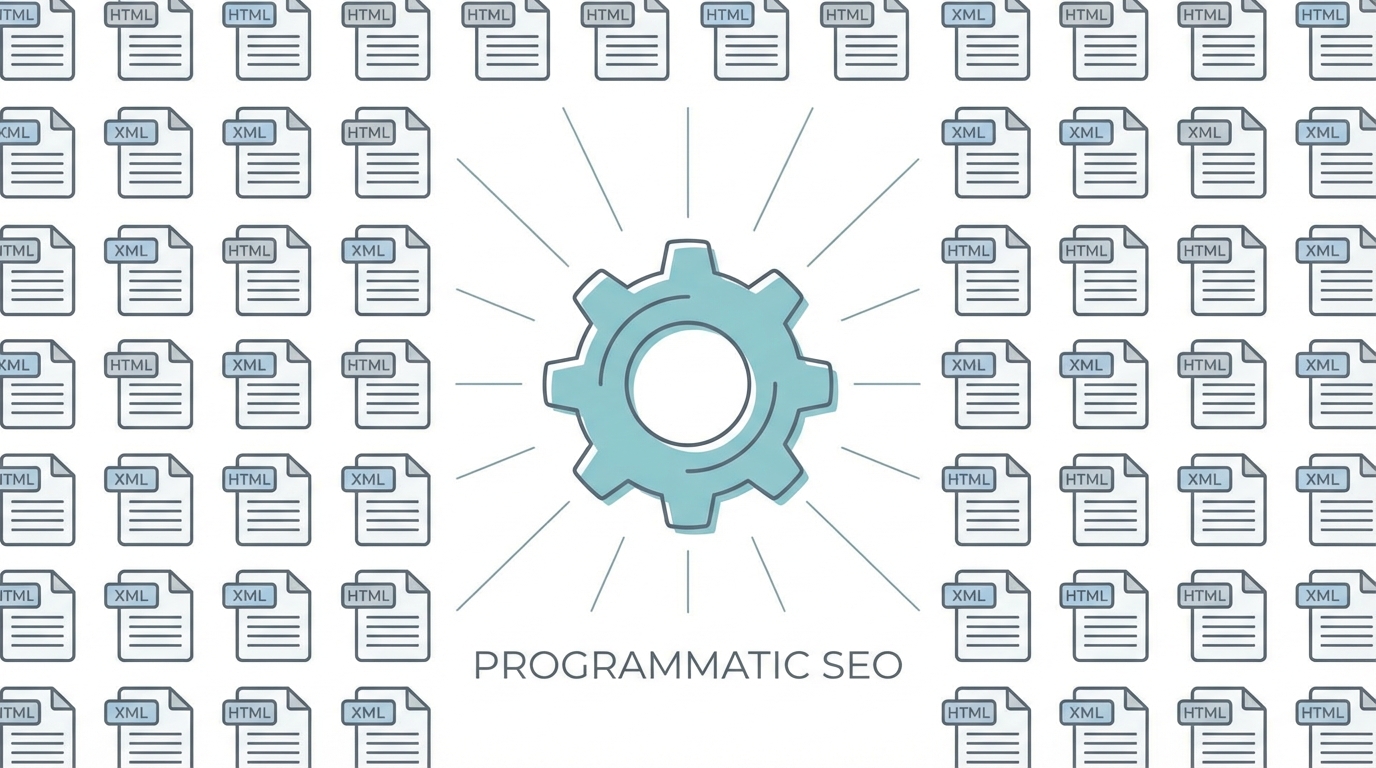
Scaling a SaaS to 4,000 customers requires more than just a good product; it requires distribution. While word of mouth and social media are powerful, Gil also utilizes programmatic SEO. This strategy involves creating thousands of automated pages that target long-tail keywords relevant to your niche. This brings in over 30,000 views a month from Google for Subscribr. For anyone interested in this level of scale, joining a community like Starter Story Build can provide the playbook for finding and launching these types of high-growth ideas.
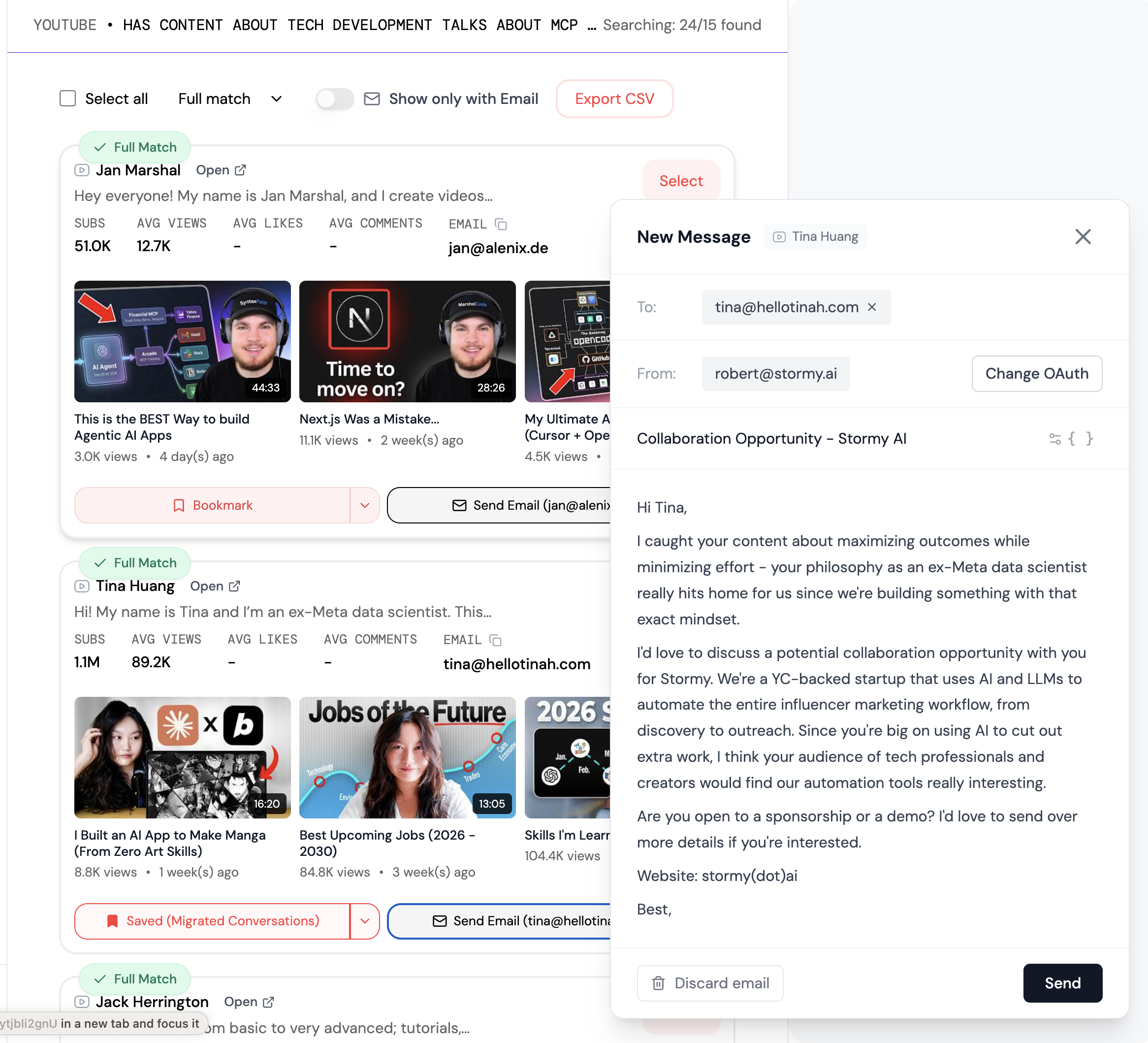
In the world of mobile apps, growth often comes from a mix of SEO and user-generated content. Brands often use Stormy AI to deploy an autonomous AI agent that handles influencer discovery, outreach, and follow-ups on a daily schedule. By combining AI-powered creator discovery with a solid SaaS product, you can build a marketing engine that runs as efficiently as your vibe-coded backend. This holistic approach—building fast with AI and growing smart with data—is what separates successful bootstrappers from those who struggle to find traction.
Building a Profitable Future: Final Takeaways
The journey from 0 to $30K MRR is about more than just technology; it's about mindset. Gil’s transition from VC-backed companies to bootstrapping highlights the freedom and fun found in building for yourself. The vibe coding tutorial is simple: validate with cash, build with AI, and prioritize profit over growth. If you can solve a genuine pain point for a specific audience, the technology is just a means to an end.
As you embark on your journey of building saas with ai, remember these key takeaways: never fall in love with your idea before the market does, keep your tech stack simple with tools like Laravel and Digital Ocean, and always aim for a 'painkiller' product. Whether you are building a tool for YouTubers or a niche mobile app, the combination of AI and validation is the fastest path to success in 2025.