The barrier to entry for building a software-as-a-service (SaaS) business has finally collapsed. For years, the gatekeepers were technical co-founders and venture capitalists. Today, we are entering the era of the vibe coder. It is now entirely possible for a non-technical founder to architect, build, and scale a $50,000 per month business using nothing but a clear vision and a suite of AI-native tools like Claude Code and Bolt. This isn't just theory; it is a fundamental shift in business economics that favors the individual creator over the massive engineering team.
The Rise of Vibe Coding: Speed Over Syntax
"Vibe coding" describes the process of building software by describing the desired outcome rather than manually writing the implementation details. In this new paradigm, the founder acts as the creative director and product manager, while tools like Cursor and Lovable act as the execution layer. The "vibe" is your vision; the AI provides the code.
As serial entrepreneur Greg Eisenberg recently noted in a viral discussion, the legacy SaaS development cycle—which used to take 2 to 3 years to find product-market fit—is being compressed into weeks. When you vibe code, you aren't stuck in the weeds of syntax. You are iterating at the speed of thought. This allows you to launch MVPs (Minimum Viable Products) faster than a traditional dev team can even finish their first sprint.
"Pessimists are often right, but optimists make money. We live in a world where it's completely possible to use tools like Cursor to develop something making $50,000 a month."
Claude Code: The Agentic Unlock for Non-Technical Founders
While many founders have experimented with basic prompting, Claude Code represents a massive leap forward. It is not just a chat interface; it is an agentic coding tool. Unlike standard LLMs that wait for your next command, Claude Code can track its own tasks, build to-do lists, write its own tests, and execute complex plans across your entire codebase.
For a non-technical founder, Claude Code acts as a virtual CTO. You can provide it with a Product Requirements Document (PRD) or even a rough markdown file, and it will architect the system for you. It handles the nitty-gritty details that most indie hackers hate—like writing security tests or optimizing database queries—automatically. This ensures that your "vibe-coded" app isn't just a prototype, but a production-ready system capable of handling real users.
Even though it operates in a terminal (which can be daunting for some), the power it unlocks is unparalleled. It is widely considered the first true form of agentic coding we've ever experienced. By bridging the gap between raw intent and functional code, it allows you to build sophisticated features like admin dashboards or live tracking systems without ever touching a line of CSS.
Comparing the Top Vibe Coding Platforms
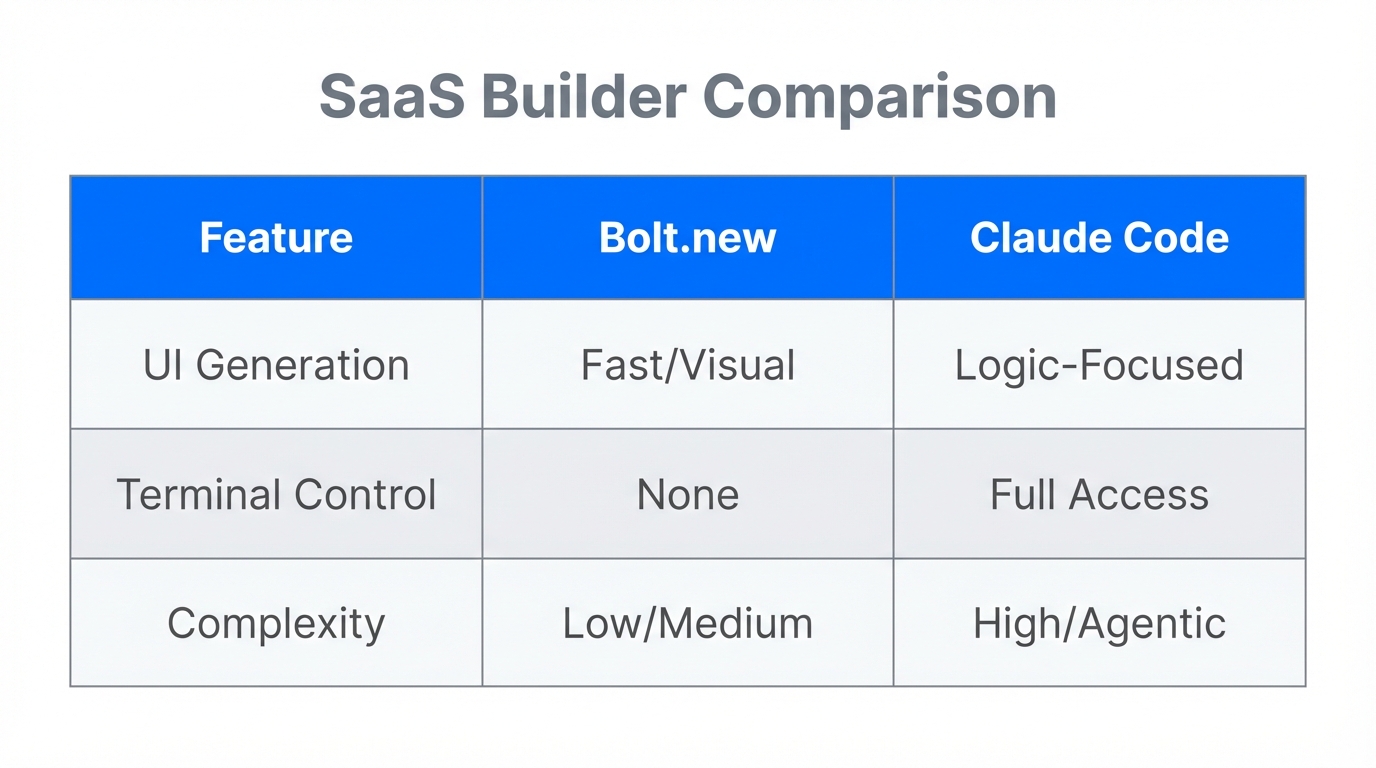
Choosing the right tool for your build is critical. Depending on whether you prioritize design aesthetics or backend logic, your stack will vary. Below is a comparison of the current leaders in the space.
| Tool | Best For | Key Strength |
|---|---|---|
| Bolt.new | Rapid Prototyping | Instant deployment and seamless integration with modern frameworks. |
| Lovable.dev | Design-First SaaS | Excellent UI/UX generation; feels like world-class stellar execution. |
| Tempo | Production Apps | Built for building serious, scalable applications with clean code at Tempo Labs. |
| Cursor | Iterative Dev | The gold standard for founders who want to see the code while they prompt. |
The Step-by-Step Vibe Coding Playbook
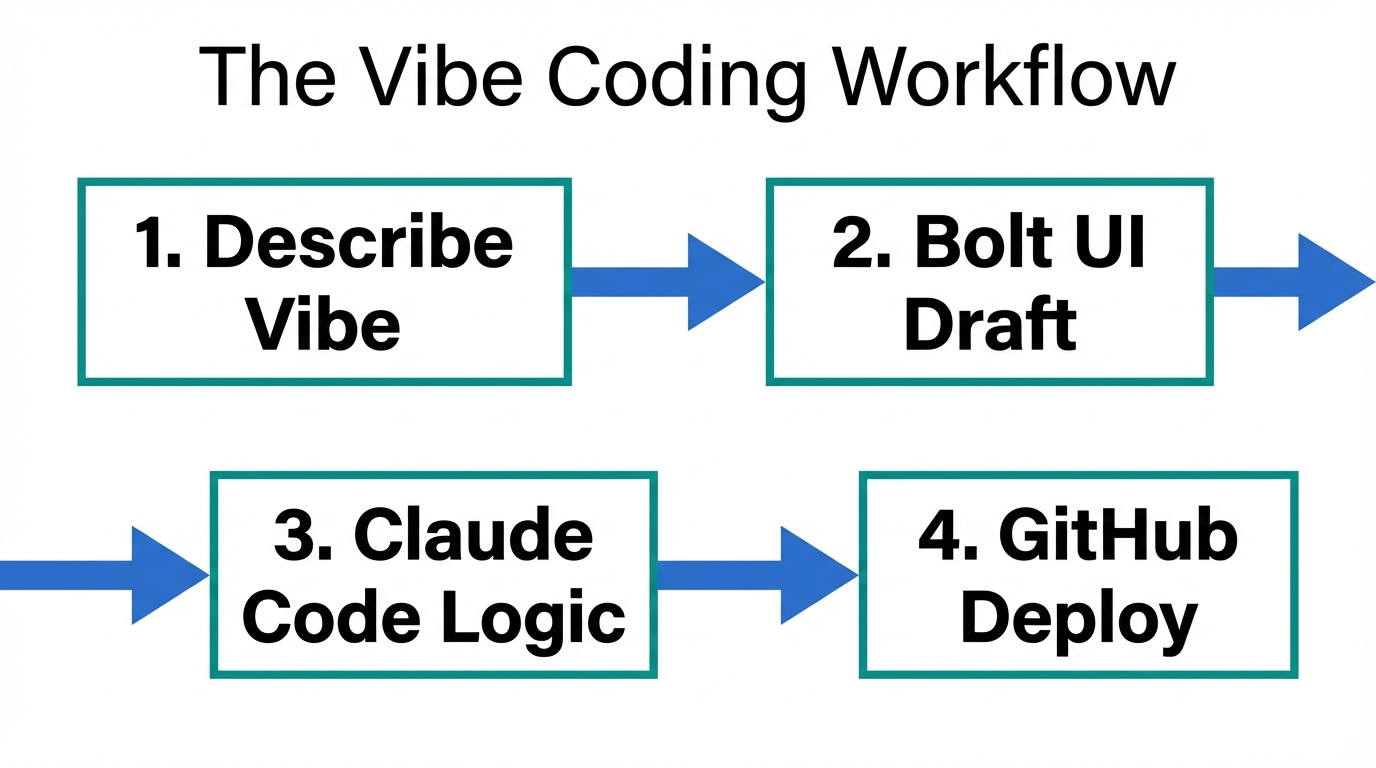
Building a $50k/month SaaS requires more than just one good prompt. It requires a systematic approach to product development and deployment. Follow this workflow to launch your next project.
Step 1: Architect the Vision
Start with a detailed PRD. Use an AI agent like Lindy.ai or Claude to refine your idea. Ask the AI: "What are the edge cases for this feature?" and "What database schema is most efficient for this use case?" Defining the architecture before you start prompting code is the difference between a scalable app and a buggy mess.
Step 2: Rapid Prototyping with Bolt
Use Bolt to generate your initial frontend. Bolt is incredible because it gives you that initial joy of seeing your prompt turn into a functional site in seconds. It handles the hosting environment for you, allowing you to focus purely on the user experience. If you hit a wall, you can jump into Lovable for a more polished UI.
Step 3: Implement Agentic Help
Integrate GitHub and deploy a coding assistant like Devin or Code Rabbit. These tools act as permanent reviewers. As you push new features, Code Rabbit can identify security issues or logic bugs that you might have missed. According to top developer influencers, Code Rabbit has been known to find dozens of issues in production-level codebases, making it a mandatory part of the solo founder's stack.
"If you're building something real, you need a complete financial operating system for your business to make decisions so you can spend smarter and move faster."
The Economics of the Solo SaaS: Why VC is No Longer the Default
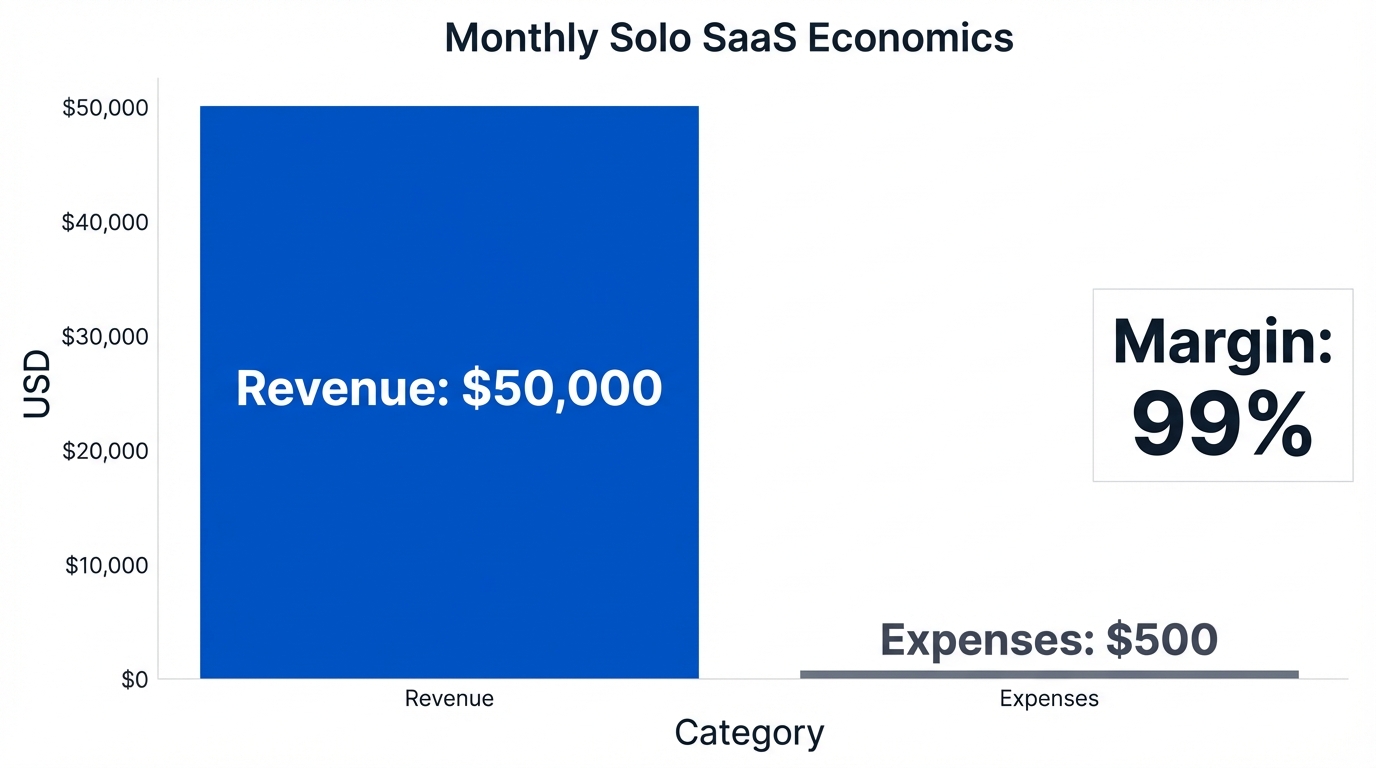
The viral math behind the $50k/month solo SaaS is simple but powerful. When you vibe code, your net margins are often 50% to 90% because you don't need a massive team of engineers. If you are generating $50,000 a month in revenue, you might be taking home $30,000+ in profit. In the traditional venture capital model, you would be forced to hire, burn cash, and dilute your ownership to hit a $100M exit.
In the AI-native model, you own 100% of the company. A business generating $600k a year in profit can easily be valued at a 5x to 10x multiple. This means a solo founder can build a $5 million asset in less than two years. When your customers love the product and your overhead is minimal, raising venture capital becomes a choice, not a necessity.
Marketing and Scaling Your SaaS
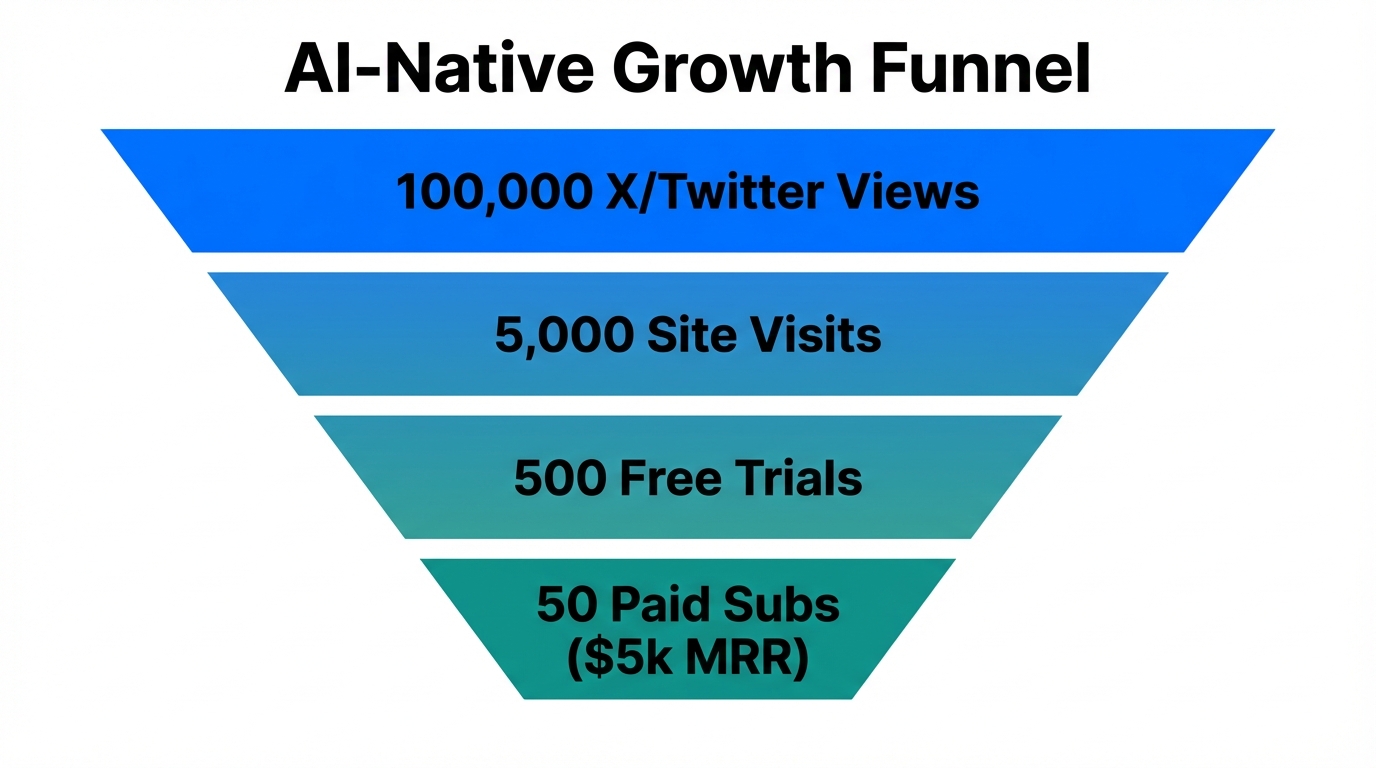
Building the app is only half the battle. To reach that $50k/month milestone, you need a distribution engine. Modern founders are moving away from traditional Google Ads and focusing on UGC (User Generated Content) and influencer partnerships. By leveraging creators on TikTok and Instagram, you can drive high-intent traffic to your SaaS for a fraction of the cost of legacy marketing.
As you scale your outreach, platforms like Stormy AI streamline creator sourcing and outreach by using AI to identify the perfect influencers for your niche. Instead of manually emailing creators, you can use Stormy AI to automate your discovery and vetting process, ensuring that your marketing efforts are as automated as your coding workflow. Pair this with a clean financial stack like Brex to manage your ad spend and SaaS subscriptions, and you have a fully optimized growth machine.
The GitHub Crash Course: Protecting Your Code
For non-technical founders, GitHub can be terrifying, but it is the ultimate insurance policy for your business. To build a sustainable product, you must understand the concept of branching. Think of your project as a giant line. Your live app lives on the "Main" branch. When you want to add a new feature, you create a "branch"—a separate copy of the code where you can vibe code and test freely.
- Main Branch: This is connected to your live deployment on Vercel. Never push untested code here.
- Feature Branches: Where you and your AI agents work on new updates (e.g., "mickey/live-tracker").
- Merging: Once the feature is tested and working, you merge the branch back into Main.
This workflow prevents you from breaking your app in front of paying customers—a mistake that can kill a $50k/month business overnight. Even as a non-techie, mastering this basic flow is essential for serious entrepreneurship.
"There is no better time than today to start something. You can't say it was better 5 years ago. The tools have finally caught up to our ambitions."
Conclusion: The Future is Vibe Coded
The transition from manual coding to vibe coding is not just a change in tools; it is a change in mindset. The $50k/month SaaS is no longer an impossible mountain reserved for elite engineers. It is an attainable goal for anyone with the courage to lead with an abundance mindset and the discipline to master these new AI-powered workflows.
Stop focusing on the limitations and start focusing on the unlocks. Whether you are using Claude to architect your backend or building a growth engine on top of tools like Shopify, the pieces are already on the board. The only question left is: What will you vibe code today?