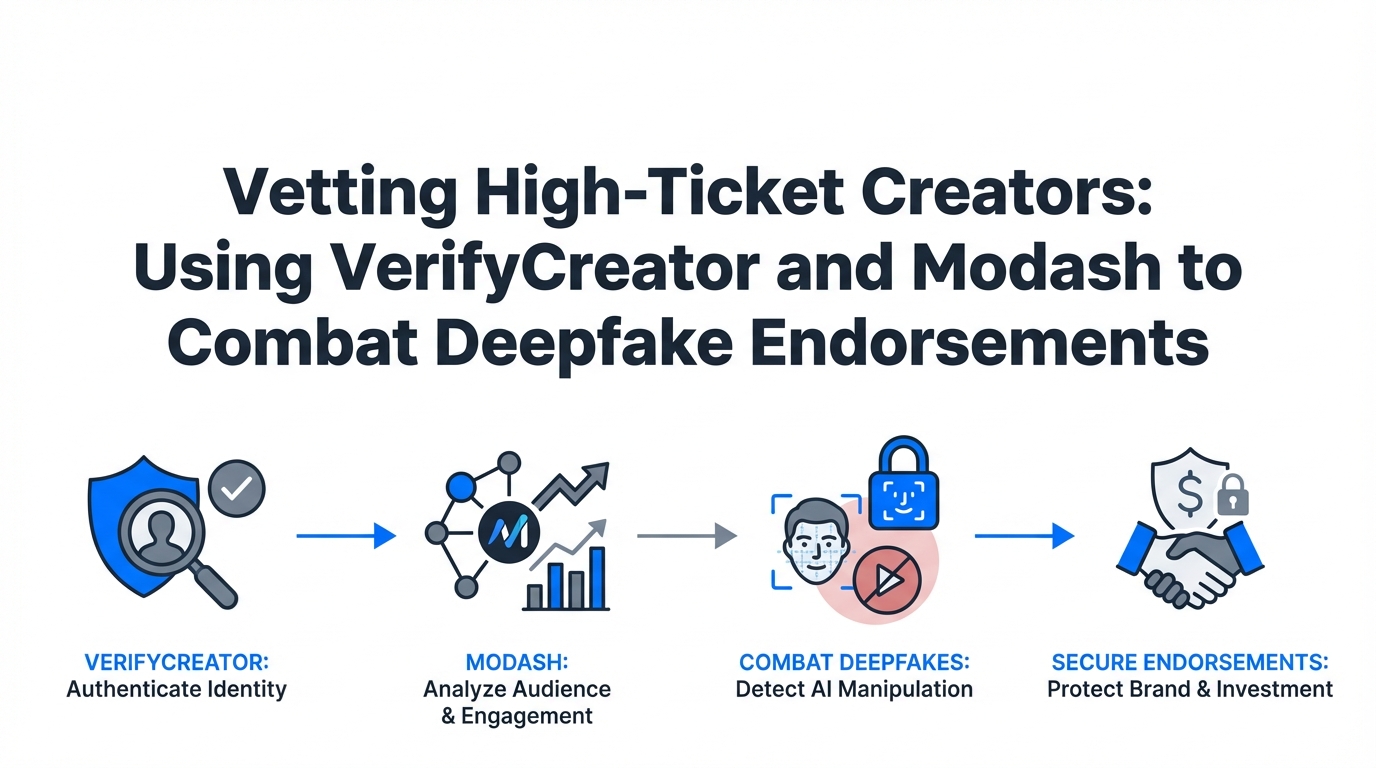
For brands navigating the creator landscape in 2026, the stakes have shifted from simple "fake follower" counts to sophisticated, AI-driven deception. We are no longer just looking for bot accounts with no profile pictures; we are entering an era of Fraud-as-a-Service (FaaS), where deepfake technology and autonomous AI agents can mimic a creator’s entire career. With global economic losses to influencer fraud projected to exceed $2.2 billion in 2026, the traditional "vibe check" is no longer sufficient for high-ticket partnerships.
The Rise of Deepfake Endorsements and FaaS
The most alarming trend in 2026 is the use of deepfake technology to manufacture "past performance" reels. Scammers now use generative AI to create high-quality video footage of legitimate, popular creators appearing to endorse products they have never actually touched. These videos are then used as bait to lure brands into expensive, long-term contracts. According to Trend Micro research, the accessibility of these tools has democratized deception, allowing anyone with $20 to rent a sophisticated fraud toolkit on the dark web.
"The economic loss to brands from influencer fraud is projected to hit $2.2 billion globally in 2026, driven by a 817% rise in TikTok engagement scams since 2024."
This ecosystem is supported by Agentic AI Bots. Unlike the static bots of the past, these modern agents can autonomously carry out human-like conversations, respond to stories, and participate in complex engagement pods designed to bypass standard detection algorithms. When 55% of all influencer engagement is identified as inauthentic, brands must move beyond surface-level metrics and adopt a rigorous, multi-factor vetting process.
Step 1: Multi-Factor Authentication with VerifyCreator
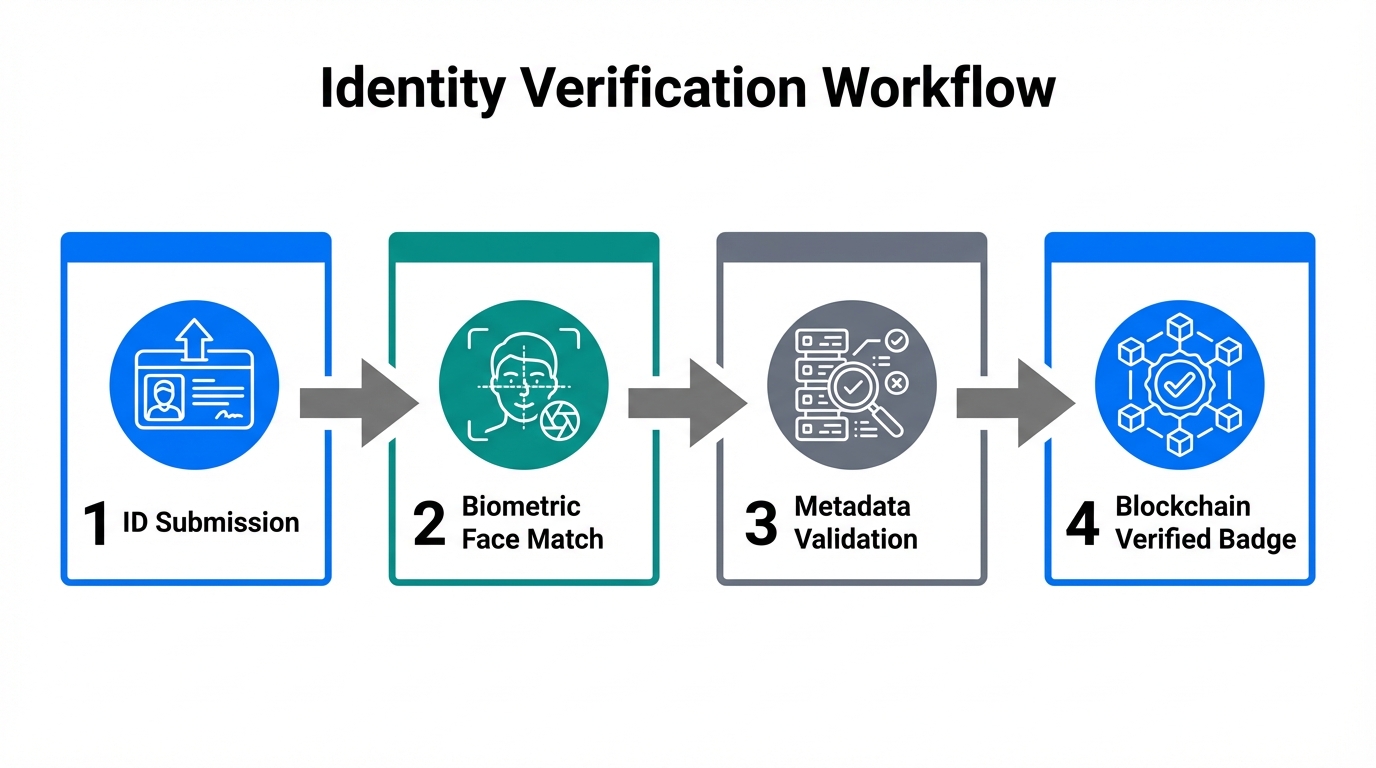
For high-value influencer partnerships, identity verification is the first line of defense. High-ticket creators should be willing to undergo a formal authentication process, especially when five- or six-figure contracts are on the line. Tools like VerifyCreator provide an AI-powered verification layer that ensures the person you are communicating with is actually the owner of the account.
The influencer vetting process must include a request for first-party data. Instead of accepting a static PDF media kit, ask for a live screen-recorded walkthrough of their Instagram or TikTok analytics. Scammers can easily Photoshop a screenshot, but faking a live scroll through the professional dashboard—showing reach, follower growth spikes, and audience demographics—is significantly harder. If a creator refuses to provide this "first-party signal," it is a major red flag.
Step 2: Quantitative Audits Using Stormy AI
Once identity is confirmed, the next step is a deep dive into the numbers. Platforms such as Stormy AI allow brands to perform quick, self-serve audits on Instagram, TikTok, and YouTube. You are looking for specific patterns that indicate inorganic growth.
Identifying Mass-Follower Spikes
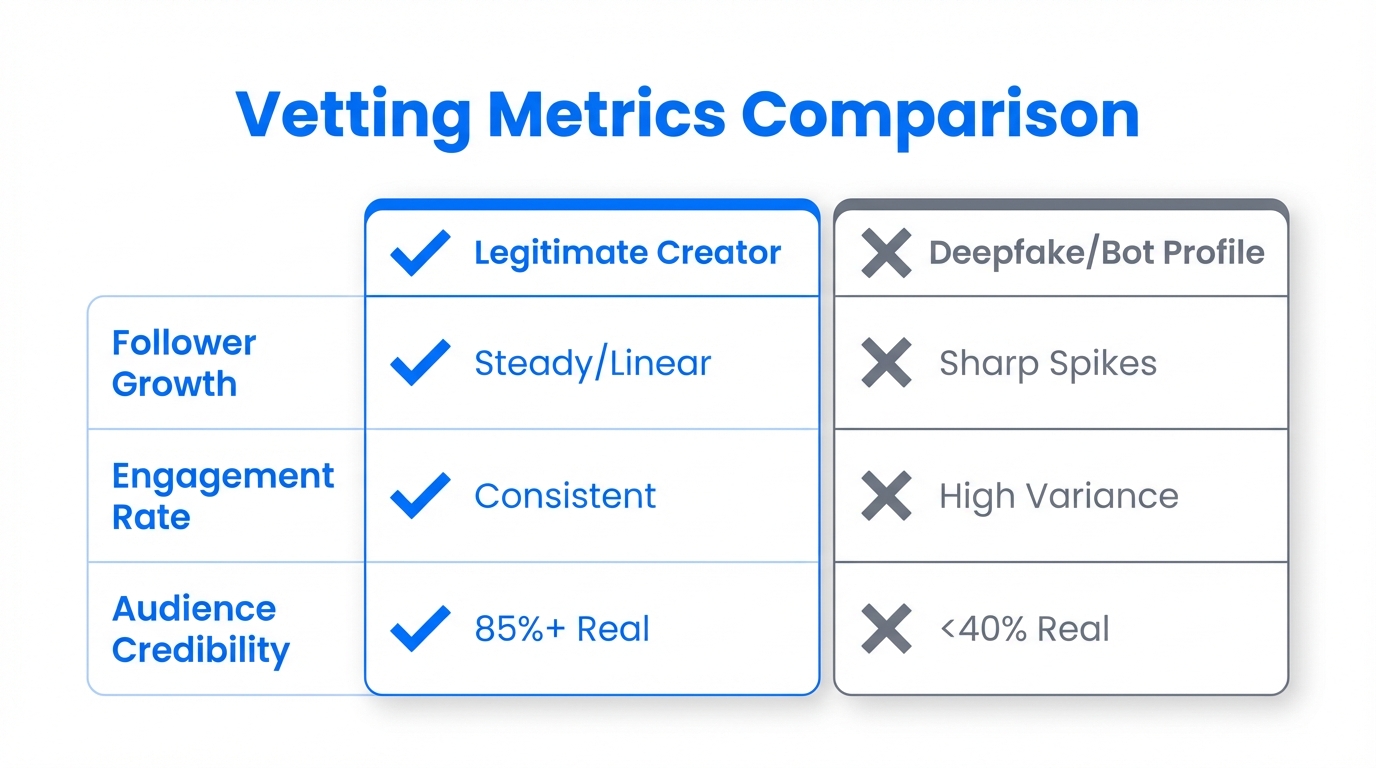
Real engagement follows a bell curve: it spikes shortly after a post goes live and gradually tapers off. Fraudulent engagement, however, often appears in "steps"—sudden, massive bursts of activity that occur hours or even days after a post has been live. Use these auditing tools to look for Follower Growth Spikes that do not correlate with a viral post or a major PR event. If a creator gains 50,000 followers in a single day without a clear reason, those followers were likely purchased from a FaaS provider.
| Metric | Healthy Account | Fraudulent Account |
|---|---|---|
| Engagement Velocity | Bell curve (natural decay) | Step patterns (sudden bursts) |
| Follower Growth | Steady or viral-event based | Unexplained vertical spikes |
| Audience Quality | High percentage of real users | High mass-follower count (>1.5k followed) |
| Comment Content | Specific to post details | Generic (e.g., "🔥", "Love this!") |
Step 3: The 'Comment Quality' Audit
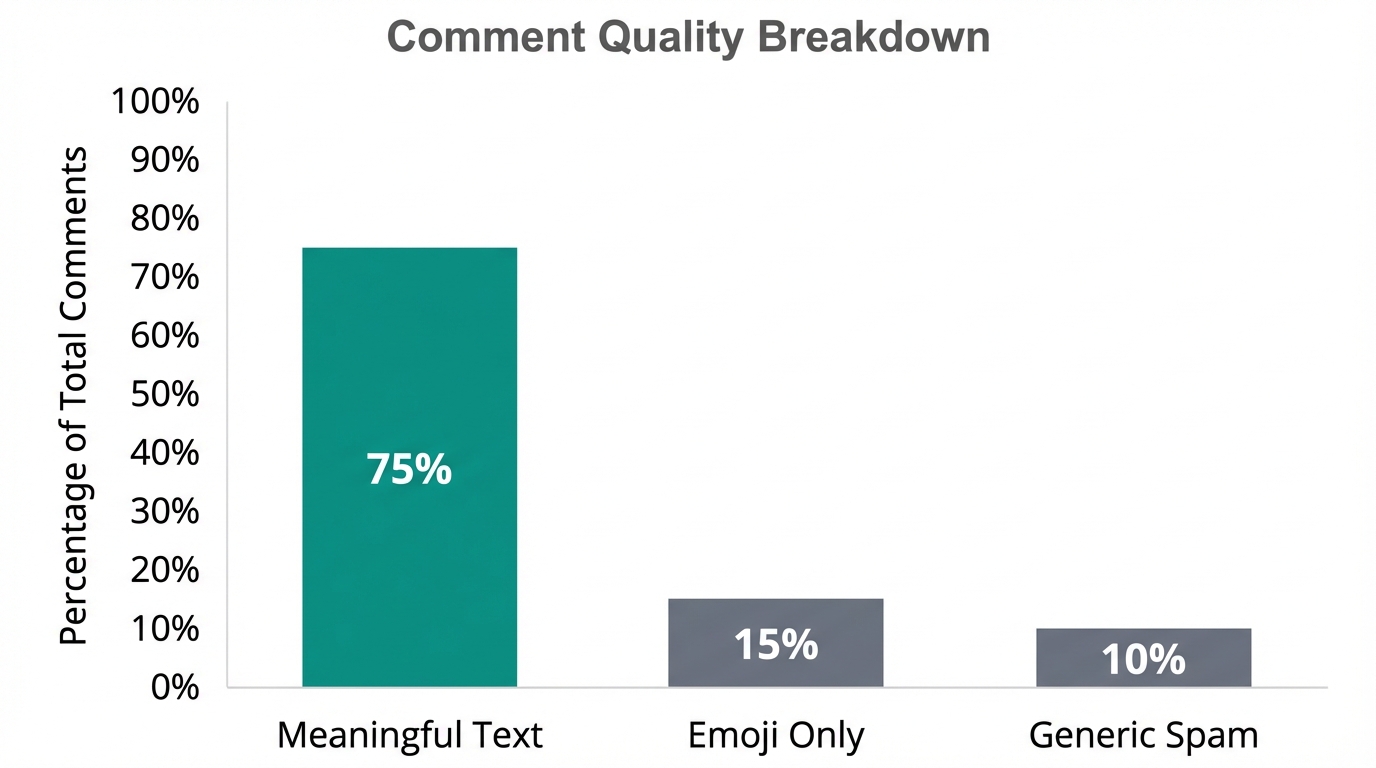
In 2026, simple bot detection is not enough because Agentic AI can write comments that sound vaguely human. To distinguish human nuance from AI-generated conversational bots, you must look for contextual relevance. A legitimate influencer's comment section should contain specific references to the content of the video, the creator's personality, or previous posts.
Analyze the Engagement Reachability. If an influencer has 500k followers but their content is only reaching a fraction of them, it may be because those followers are "mass followers"—accounts that follow more than 1,500 people. These accounts rarely see the creator's content in their feed, making the follower count a hollow vanity metric. Advanced creator economy brand protection requires looking at how many followers are actually reachable. While modern tools like Stormy AI can help you discover and manage creators, the qualitative audit of their community remains a vital manual step.
"For every one person searching for 'influencer fraud detection,' 12 people are searching for 'buy fake followers.' The demand for deception remains high."
Legal Protections and Fraud-Proof Contracts
Protecting your brand reputation isn't just about software; it's about the fine print. When drafting contracts for high-ticket partnerships, ensure they are ROI-specific. This means including clauses that allow for contract termination without penalty if a post-campaign audit reveals more than 20% suspicious followers or inauthentic engagement.
Additionally, focus on Usage Rights. The real value in a 2026 creator partnership often lies in the ability to repurpose their content for paid ads in Meta Ads Manager or TikTok Ads Manager. This content—User-Generated Content (UGC)—is generally more resistant to fraud because its performance is measured by direct conversion data on Shopify or app install metrics rather than likes and comments. When you manage these relationships through a comprehensive creator CRM like Stormy AI, you can track these usage rights and contract terms in one centralized location, ensuring your legal team and marketing team stay aligned.
The Vetting Playbook: Step-by-Step
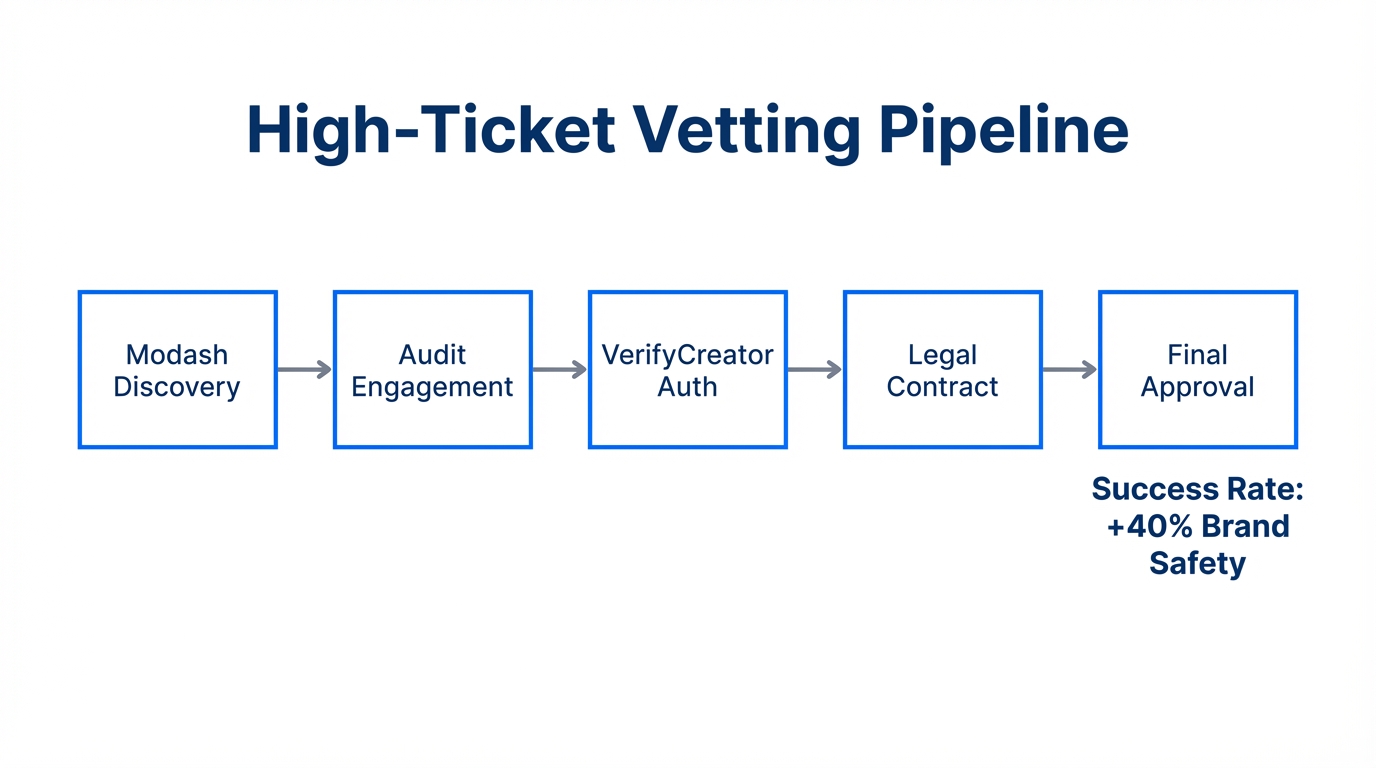
- Initial Discovery: Source creators based on niche and audience quality using AI-powered platforms.
- Quantitative Audit: Run the profile through a forensic tool to check for step-pattern engagement and mass-follower counts.
- Identity Check: Use VerifyCreator for MFA and request a live screen-recording of their in-app analytics.
- Pilot Micro-Campaign: Before a $50k commitment, run a $1k test with a unique tracking link to measure actual click-through rates.
- Contractual Security: Include fraud-audit clauses and clear usage rights for white-listing.
Conclusion: Securing Your Brand's Future
The influencer vetting process is no longer a luxury; it is a necessity for survival in a market flooded with AI-driven deception. By combining technical audits with identity verification and conversion-driven contracts, brands can build a "fraud-proof" marketing engine. As the deepfake influencer fraud threat continues to grow, staying ahead of the curve with modern AI-powered vetting platforms and rigorous internal protocols will be the difference between a high-ROI campaign and a multi-million dollar mistake. Protect your reputation by verifying every identity, auditing every spike, and measuring every click.