For the last decade, the mantra of the tech industry has been aggregation. We have been conditioned to believe that the biggest winner is the one who can house every human on the planet within a single, monolithic digital property. But as these horizontal giants—LinkedIn, Tinder, and Facebook—grow increasingly noisy and impersonal, a counter-movement is quietly gaining momentum. We are entering the era of the Great Unbundling, where the most valuable social and professional interactions are moving away from the mass market and toward vertical SaaS examples that cater to specific subcultures. This shift isn't just about building better software; it is about 'arming the rebels'—providing the tools for informal community leaders to reclaim the matchmaking and recruiting processes that once happened naturally in the physical world.
The Power of the Spreadsheet Wedge
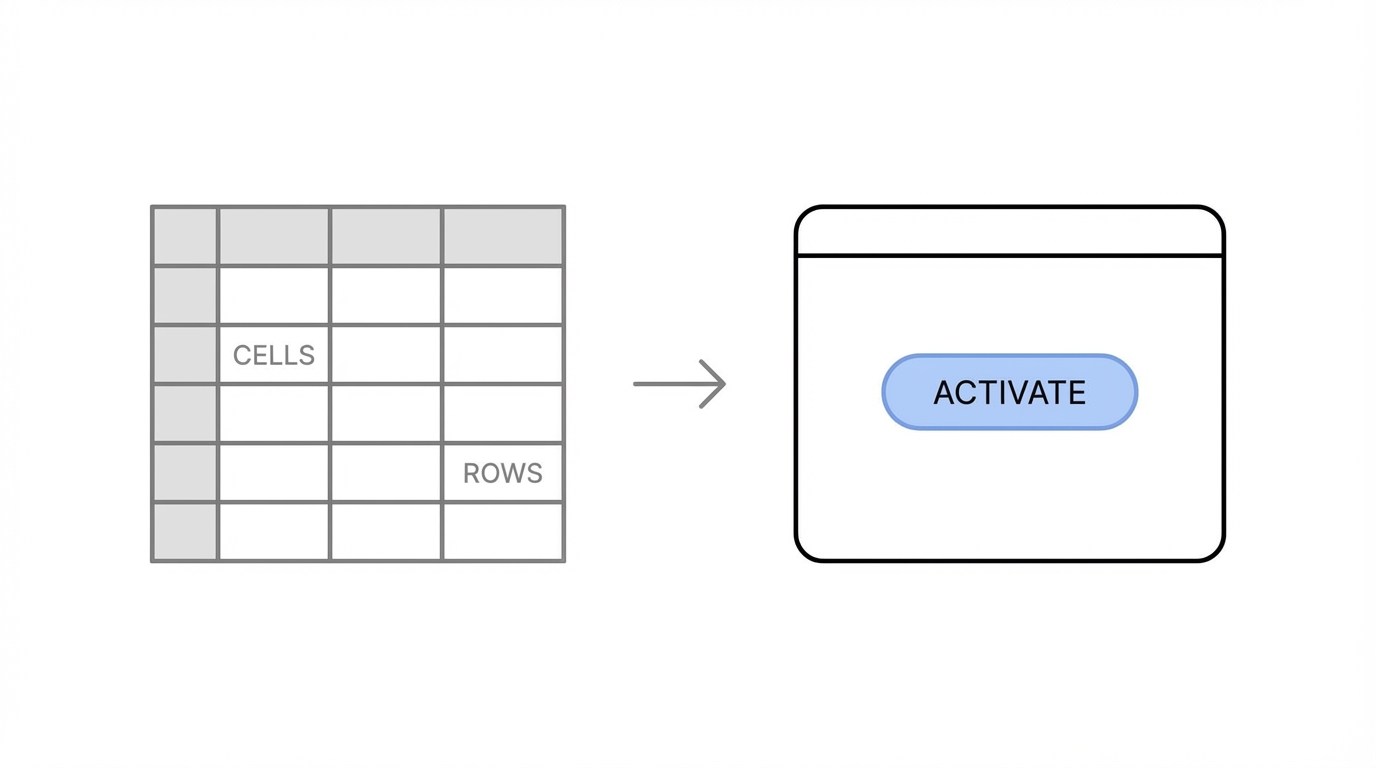
Every legendary startup begins with a wedge—a small, focused entry point that solves a specific problem before expanding into a massive ecosystem. According to industry experts, one of the most reliable signals for a startup opportunity is the shitty spreadsheet. Anytime you find an industry where power users are hacking together a solution using Google Sheets, a light bulb should go off. This is precisely how the next generation of community-based platforms is being born. In the professional world, this is visible at major tech conferences. While legacy platforms like Cvent provide the white-label apps for official events, the real action happens at the side events, private dinners, and secret parties. These are currently managed via fragmented spreadsheets, Eventbrite links, and WhatsApp groups. By ingesting this unstructured data and providing a one-player experience—a beautiful map and RSVP tool for side events—a startup can aggregate high-status users who are authentically interested in connecting. Once you have the users, you add the social layer: directories, chats, and AI-powered networking features that far surpass the generic experience of a LinkedIn profile.
The 'Arming the Rebels' Philosophy
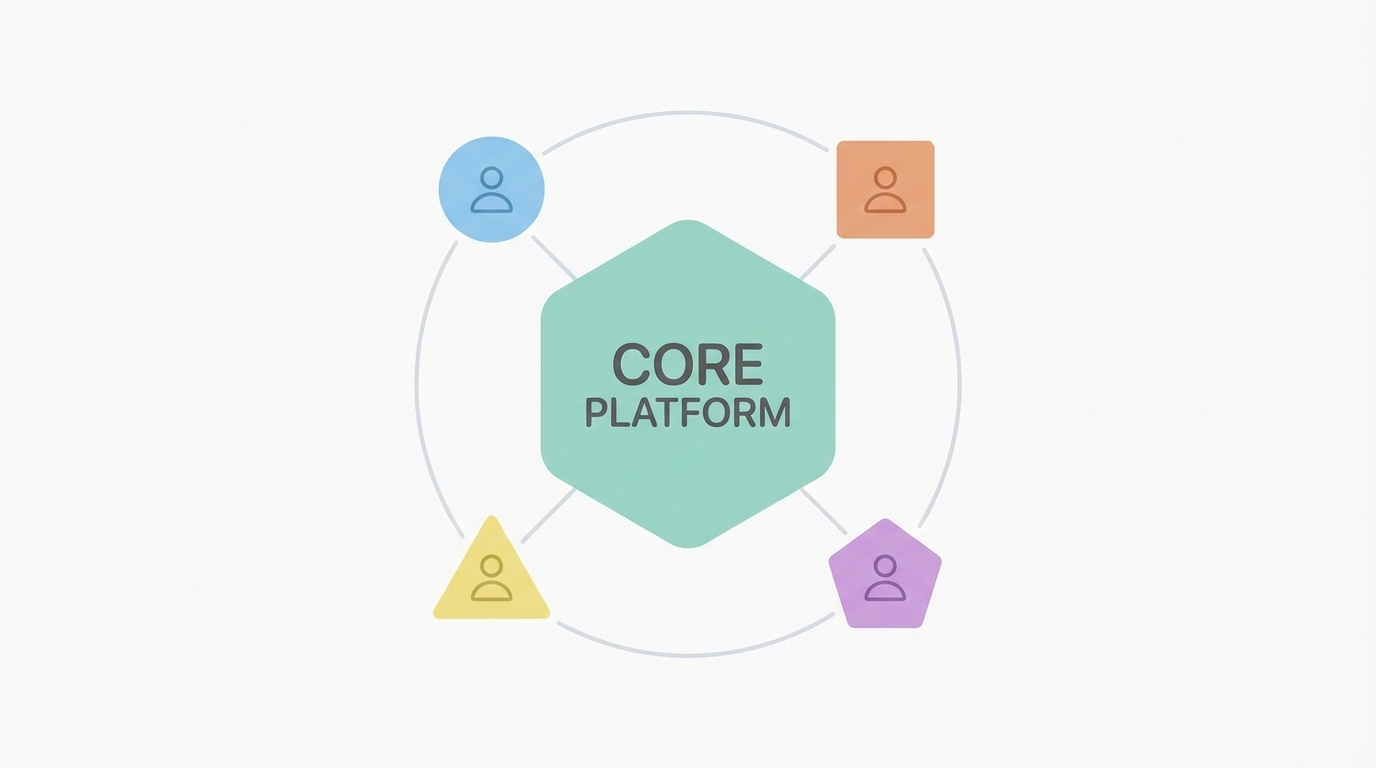
The term 'arming the rebels' was famously popularized by Shopify to describe their mission of giving small merchants the tools to compete with Amazon. We are now seeing this philosophy applied to matchmaking software and the creator economy. Within every niche, there are informal leaders who play the role of the matchmaker—the person who knows everyone in the New York tech scene, the leader of a local CrossFit box, or the organizer of a sobriety movement. These individuals are currently doing high-value work out of the goodness of their hearts, often using clunky, non-specialized tools. By providing them with vertical SaaS tailored to their specific workflow, we can productize their social capital. This is the creator economy business model of the future: shifting from general audience monetization to high-intent niche marketplace ideas. Instead of fighting the algorithms of a dating app, a community leader can use specialized tools to manage a 'dating pool' of vetted members, ensuring higher conversion rates and better long-term retention.
Identifying High-Intent Niches for Vertical SaaS

The success of a vertical platform depends entirely on the identity of the group it serves. Generic networking is dead; high-intent subcultures are the new growth engines. Statistics suggest that nearly 50% of Gen Z Americans are not religious, which has created a massive 'identity vacuum.' These individuals are not looking for less community; they are looking for new anchors. They find these anchors in movements like sobriety, CrossFit, rock climbing, or specific Twitter/X subcultures. For a developer, these are gold mines for matchmaking software. A sobriety-focused dating app, for instance, removes the single biggest friction point of modern dating for that demographic. Similarly, a recruiting platform for UGC creators or niche engineers can outperform a giant like LinkedIn by building better, more specific features for that power user. The magic experience of the Shop app shows how aggregating niche interactions into a single, seamless interface can create a powerful network effect that users don't even realize they are participating in until they are already hooked.
The Palette Model: Productizing Social Identity
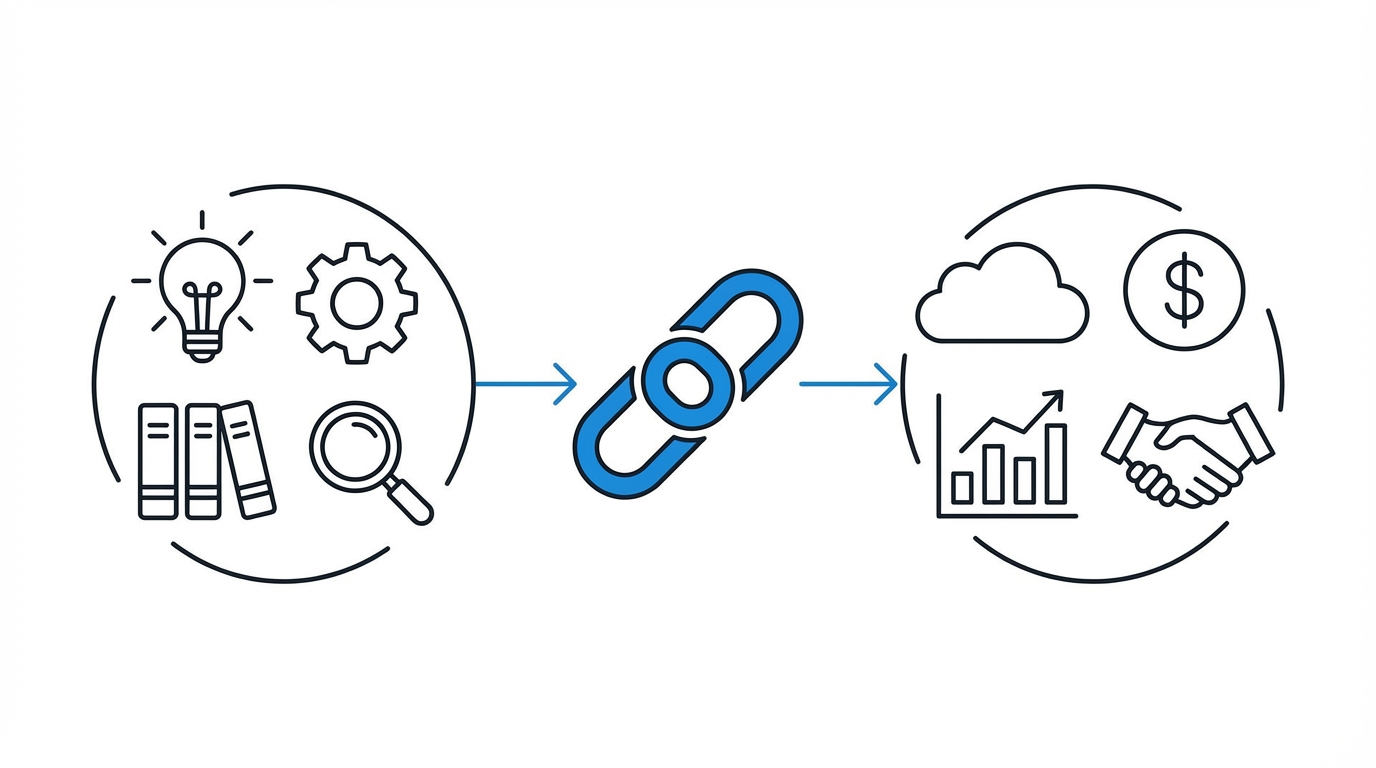
One of the most successful creator economy business models to emerge recently is the Palette model. Named after the startup Palette, which powers job boards for high-influence creators, this approach involves building the infrastructure for a 'talent collective' or a 'matchmaking pool.' In this model, the software provider (the SaaS) takes care of the technical heavy lifting—database management, double opt-in UIs, and payment processing—while the community leader provides the curation and trust. This is why community-vetted matches consistently outperform generic algorithm-based dating. When a match comes from a trusted community member, users treat it with significantly more respect. For founders, the hardest part of this model is sourcing the right rebels to arm. This is where tools like Stormy AI become essential; by using AI-powered search and discovery, brands and developers can find the specific influencers and community leaders who already command the attention of a high-intent niche. Whether you are looking for fitness creators in LA or tech leaders in London, discovery platforms allow you to identify the 1,000 'true fans' or leaders you need to launch a vertical marketplace.
Monetization Strategies and the Retention Moat

The primary criticism of dating and recruiting apps is that they are incentivized for failure: if the product works, the user leaves. However, vertical SaaS examples in the community space solve this via subscription pools and transaction fees. A Jewish matchmaker in New York or a celebrity connector in LA can charge $50 to $5,000 per month for access to their curated pool. In some religious or non-profit contexts, these community fees can even be structured to be tax-deductible, creating a no-brainer value proposition for the user. Furthermore, the retention moat in vertical SaaS is built on identity. A user might churn from Tinder, but they rarely 'churn' from their identity as a CrossFit athlete or a sober individual. By productizing that identity, the platform becomes a permanent fixture of their social life. Managing these relationships requires a sophisticated creator CRM. As niche leaders scale, they need the ability to track every interaction and negotiation in one place. Platforms like Stormy AI offer these CRM capabilities, allowing community-driven businesses to manage their creators and matches without losing the personal touch that makes the niche valuable in the first place.
The Enterprise Workflow Formula

If you are looking for the next billion-dollar niche marketplace ideas, look no further than the Enterprise Workflow Startup Idea Formula. This framework suggests that every core workflow tool—CRMs, ticket management, email marketing—must be rebuilt every 5-10 years as technology improves. This is the Linear formula. Linear didn't reinvent project management; they just built a simpler, faster, and more beautiful version of Trello or Jira for a specific niche of high-performance engineers. You can apply this to any vertical. Is there a CRM for real estate that is 15 years old? Yes, it's called Follow Up Boss. Can it be rebuilt with AI-powered data enrichment? Absolutely. Modern tools can use LLMs to extract data from unstructured sources like LinkedIn and news feeds, turning a 30% accurate database into a 95% accurate knowledge graph. Companies like Clearbit pioneered this, but the post-AI world allows for even more flexible, niche-specific enrichment that legacy incumbents can't match.
Conclusion: The Future is Vertical
The future of the social and professional web is not a bigger, noisier version of what we have today. It is a constellation of specialized platforms that prioritize quality over quantity and curation over algorithms. By identifying high-intent niches and building the matchmaking software that empowers their leaders, entrepreneurs can create businesses with built-in trust and higher retention. Whether it's through the 'Palette' model of job boards or a 'Serendipity' style social experiment, the key is to arm the rebels with tools that feel native to their subculture. As you build your own vertical SaaS, remember that the most successful products don't just provide a utility; they provide a sense of belonging. Use modern AI discovery and CRM tools to find and support the leaders of these movements, and you will find yourself at the forefront of the next great wave of tech innovation.