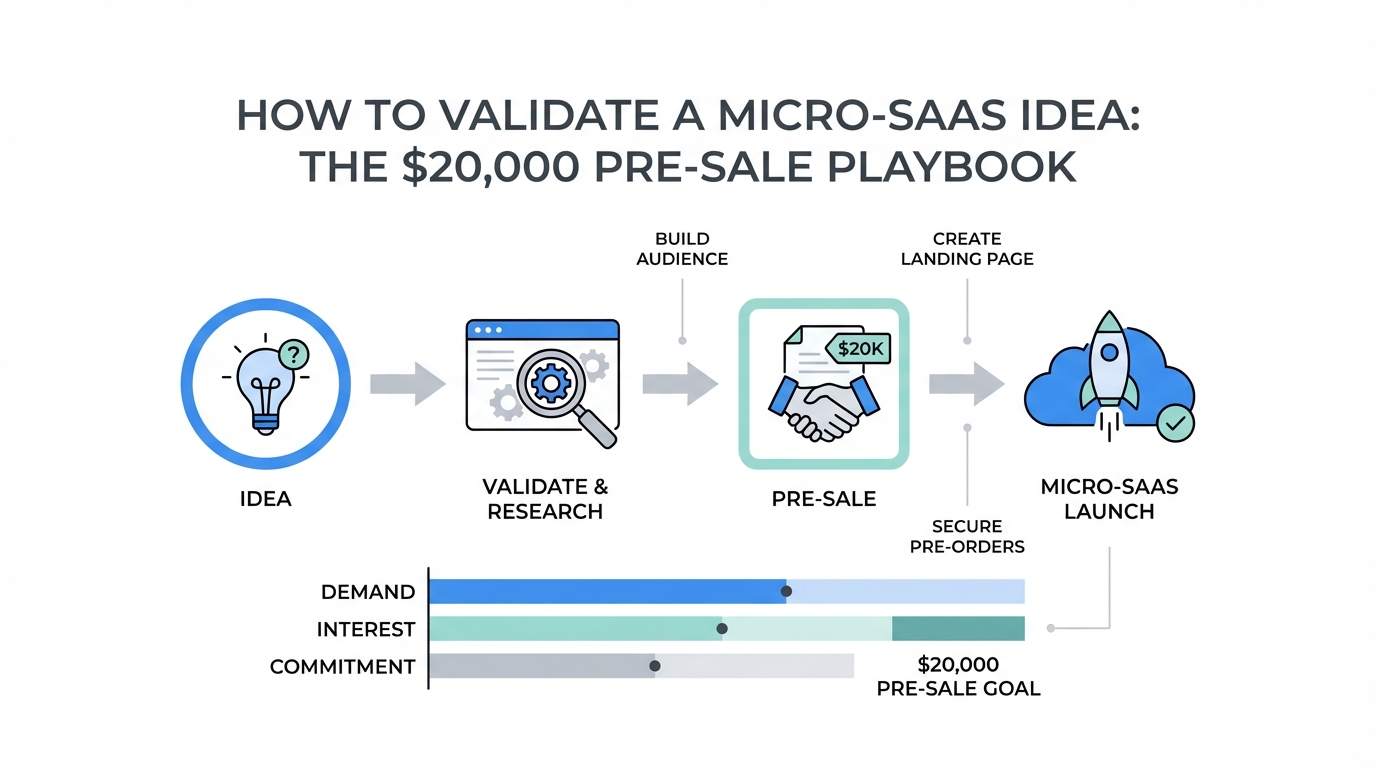
The biggest mistake most developers and entrepreneurs make isn't building a bad product; it's building a product that nobody wants to pay for. We call this the "builder’s trap"—the urge to disappear into a basement for six months, write thousands of lines of code, and emerge only to find that the market has moved on or never cared in the first place. But what if you could flip the script? Imagine generating $20,000 in revenue before writing a single line of production code. This isn't a theoretical dream; it is the exact micro SaaS playbook used by founders like Gil, who transformed a YouTube scriptwriting tool into a business generating over $30,000 in monthly recurring revenue. By focusing on how to validate a SaaS idea through pre-sales, you ensure that you are building a solution for a market that is already voting with its wallet.
The Painkiller vs. Vitamin Framework: Finding Your Idea
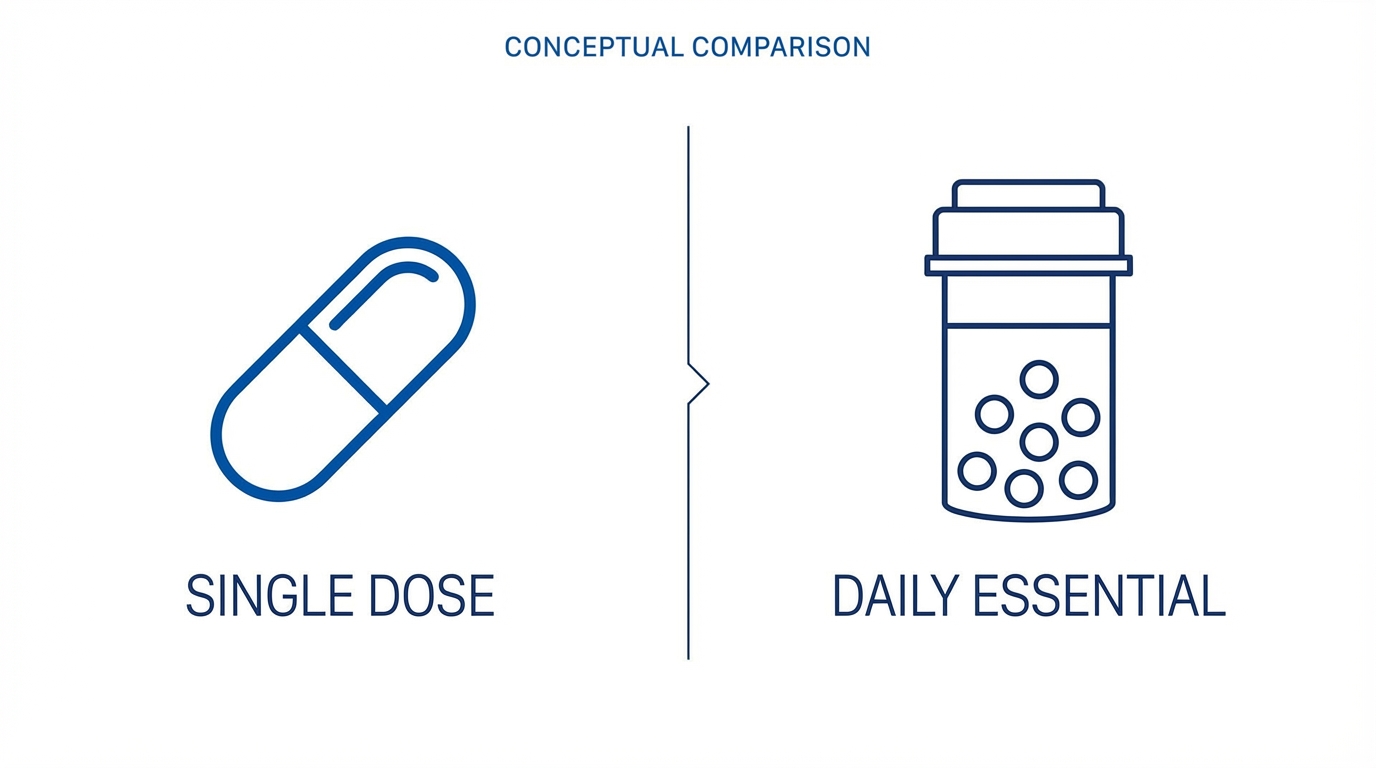
To successfully bootstrap a SaaS business, you must first understand the fundamental difference between a "painkiller" and a "vitamin." A vitamin is a nice-to-have; it promises long-term health or incremental improvement. A painkiller, however, addresses an acute, immediate problem that the customer is desperate to solve right now. When you are looking for a saas product market fit, you should always aim to be the painkiller.
Gil’s journey with Subscriber—an AI scriptwriting tool—began when he realized that scriptwriting was the primary bottleneck for YouTube creators. He didn't just guess; he experienced the friction while trying to build faceless YouTube channels. Even with tools like OpenAI's ChatGPT, the output wasn't tailored enough for the specific nuances of viral video structures. He identified a high-level pain point: creators were spending too much time on scripts and not enough on production. Platforms like Stormy AI, which is an AI-powered platform for creator discovery and content analysis, help brands identify these same types of gaps by looking at creator performance and content trends, but for an individual founder, the best insights often come from entering a niche and observing where the most time or money is being wasted.
When searching for your idea, don't ask people if they *would* buy it. People are polite and will lie to you. Instead, look for people who are already spending money on inefficient workarounds or manual processes. If someone is paying a freelancer $500 a month to do a task that your software could automate for $50, you have found your painkiller.
Building a Distribution Loop with Zero Followers

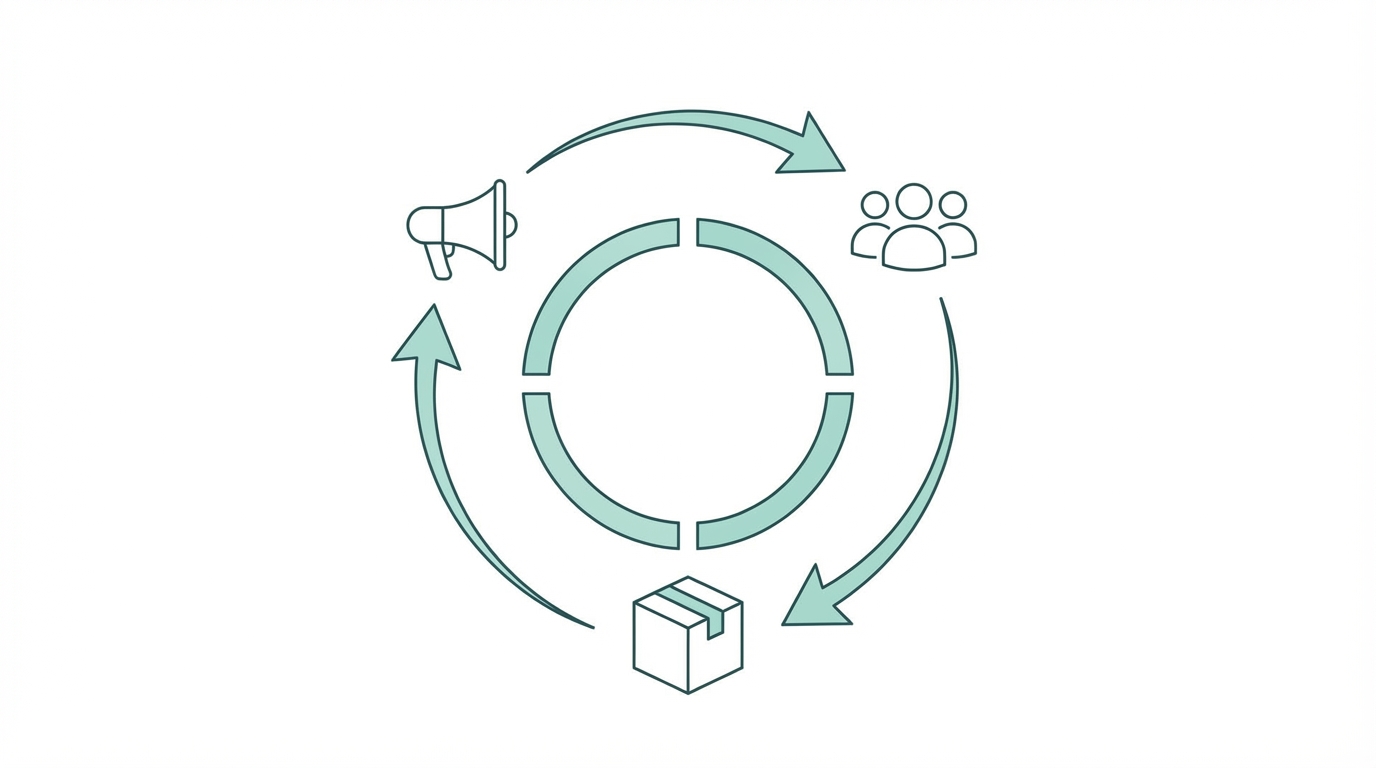
Many founders wait until their product is finished to start marketing. This is a fatal error. To pre-sell software, you need an audience that trusts you. You don't need a million followers, but you do need a concentrated group of potential users. Gil started on X (formerly Twitter) with zero followers by simply following everyone in the YouTube niche and providing immediate value.
The strategy is simple: create "viral giveaways" or free resources that solve a micro-problem. For example, if you are building a tool for mobile app developers, you might release a free template for Apple Search Ads optimization. This allows you to collect email addresses and move followers into a private channel where you can build a deeper relationship. Once you have an email list of even 500 to 1,000 people, you have a feedback loop. You can email them weekly with your findings, ask them about their specific struggles, and essentially let them help you design the product.
For those targeting the creator economy or mobile app space, Stormy AI is an excellent resource for finding UGC creators and influencers who are actually driving engagement in your target niche. Instead of shouting into the void, you can focus your search on the exact communities where your potential customers hang out.
Step-by-Step: The $20,000 Pre-Sale Playbook
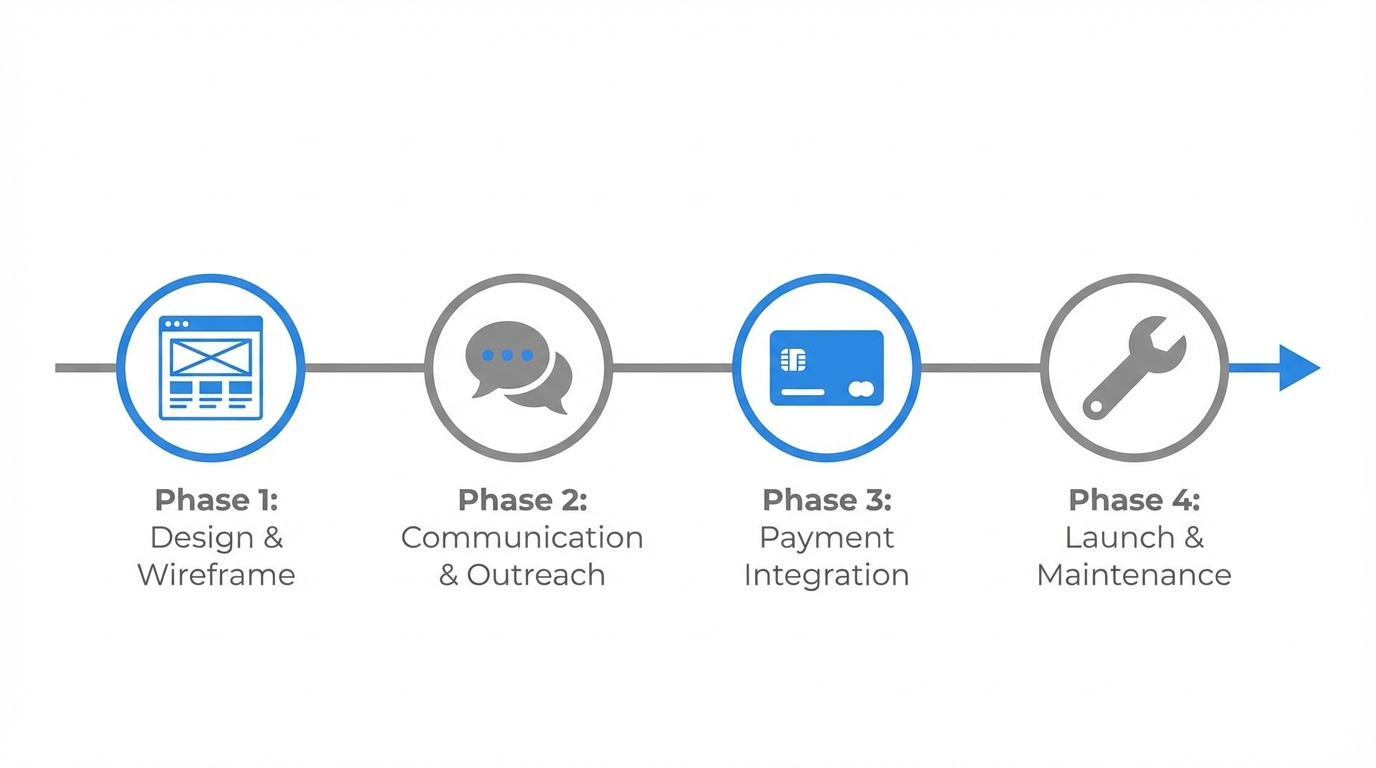
Once you have a list of people who are engaged with your content, it’s time to launch the pre-sale. This is the ultimate test of your validate saas idea phase. Follow these four steps to execute a high-conversion launch.
Step 1: Define the Validation Math
Before launching, you need to know your numbers. Gil determined he needed $20,000 to fund three months of development. Based on his target price point, he calculated he needed 50 buyers. If your email list converts at a conservative 5%, you need a list of at least 1,000 people to hit that 50-buyer goal. Calculating conversion rates before you start prevents you from feeling like a failure if you don't hit a million dollars; it keeps your goals scientific and grounded in reality.
Step 2: Create an Irresistible, Tiered Offer
To drive immediate action, you must use FOMO (Fear Of Missing Out) pricing. Gil’s strategy involved selling 50 lifetime licenses with tiered pricing: the first 10 licenses were at a steep discount, and the price increased for every subsequent 10 buyers. This rewards early adopters and creates a sense of urgency. Following the principles in Alex Hormozi’s $100M Offers, the goal is to make the value-to-price ratio so skewed in the customer's favor that they feel like they are getting a steal.
Step 3: The 7-Day Email Sequence
Don't just send one email. You need an aggressive seven-day sequence.
- Days 1-3: Focus on the pain. Talk about the struggle of the current process and the emotional impact it has on the customer's life or business.
- Days 4-5: Tease the solution. Show mockups or Loom videos of the logic behind your app.
- Day 6: Announce the launch date and the limited number of spots.
- Day 7: The Launch. Send multiple emails on this day—at the start, at the halfway point, and a "2 hours left" reminder.
Step 4: Establish the Safety Net
To overcome the skepticism of buying a product that doesn't exist yet, you must offer a "Money Back Guarantee" safety net. Gil promised a delivery within 60 days. If the product wasn't delivered, or if the user wasn't satisfied within two weeks of receiving it, they could get a full refund. This removes the risk from the buyer and places it squarely on the founder, which is exactly where it should be if you want to build long-term trust.
The Tech Stack: Building Fast with "Vibe Coding"
Once you have the $20,000 in your bank account, the clock starts ticking. You have 60 days to deliver. This is not the time to over-engineer your infrastructure. You need a stack that allows for rapid iteration. Gil uses what he calls "vibe coding"—relying heavily on AI and simple frameworks to move fast.
His stack is intentionally minimal:
- Framework: Laravel (a robust PHP framework that handles auth, billing, and routing out of the box).
- Hosting: Digital Ocean for reliable, scalable droplets.
- Code Generation: High reliance on AI coding assistants like Cursor or GitHub Copilot to write 90% of the boilerplate code.
- Compute: Roughly $3,500/month spent on AI model providers (LLMs) to power the core logic of the app.
Scaling Post-Validation: From $20k to $30k/Month
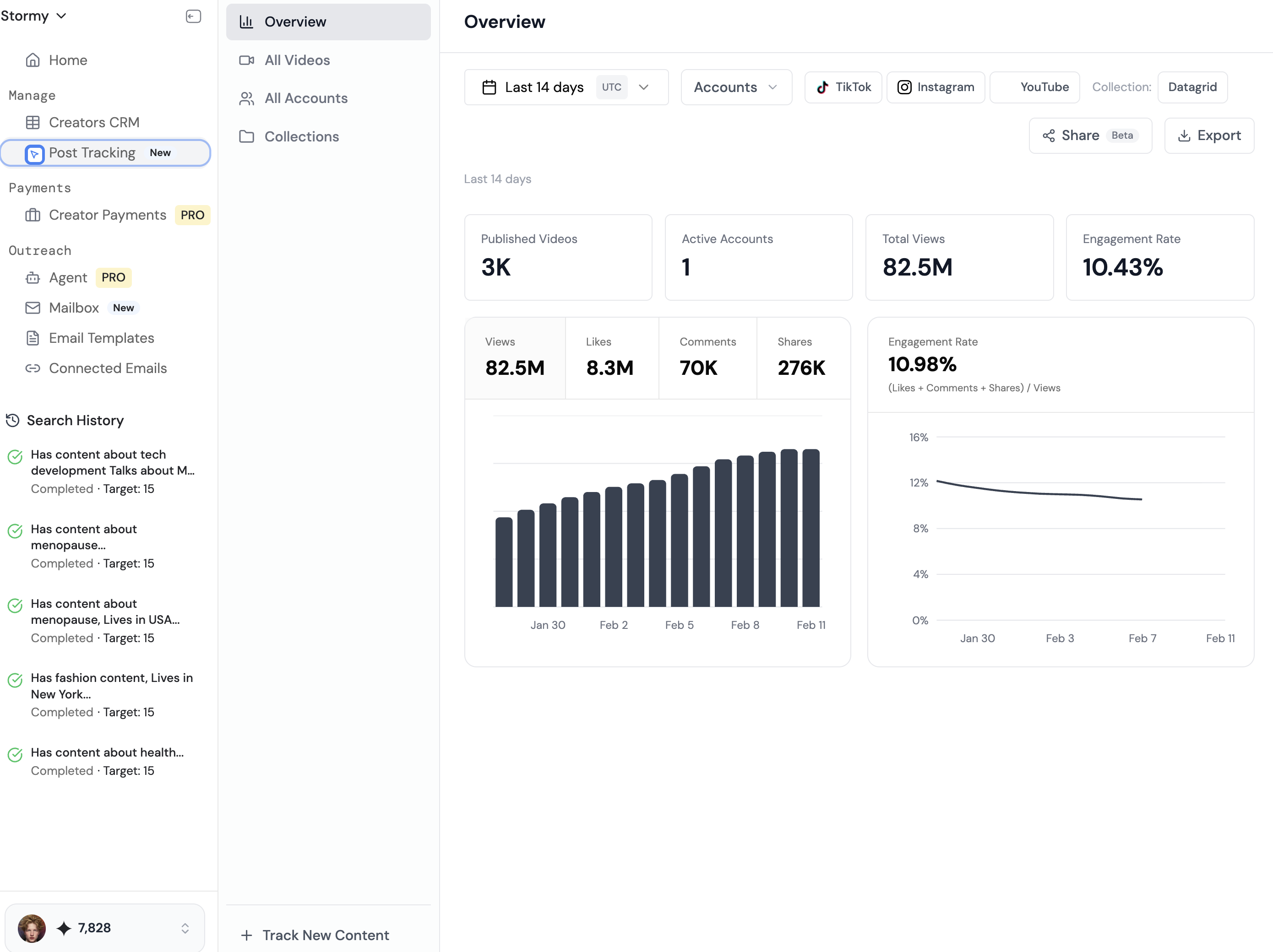
Validation is just the beginning. Once you have your first 50 customers and a working product, you need to transition into growth mode. Gil’s business, Subscriber, grew to over 4,000 customers and $700,000 in annual sales by diversifying its acquisition channels.
While word-of-mouth is powerful, programmatic SEO and paid ads are the engines of scale. Gil spends about $2,000 per month on ads across platforms like Meta Ads Manager and Google Ads. For SaaS companies, especially those in the creator or mobile app space, combining these ads with high-quality User-Generated Content (UGC) is critical for maintaining a low Customer Acquisition Cost (CAC).
This is where Stormy AI becomes a strategic partner. Finding the right UGC creators to film testimonials or "how-to" videos for your SaaS can be the difference between an ad that flops and one that scales. By using AI-powered discovery tools, you can find creators who already have an audience in your niche, ensuring that your marketing spend is targeted and effective. Gil also generates 30,000 views per month through programmatic SEO, creating thousands of landing pages that target specific long-tail keywords relevant to his users.
Conclusion: Profit Over Growth
The micro SaaS playbook is not about building the next Facebook; it's about building a profitable, sustainable business that solves a real problem. The biggest takeaway from Gil’s success is the philosophy of profit over growth. In the VC world, you burn cash to gain market share. In the bootstrap world, every decision should lead back to the bottom line.
Before you write your next line of code, ask yourself: Have I validated this idea with real dollars? If the answer is no, stop building and start selling. Use the tiered pre-sale model, build your email list, and offer a money-back guarantee. If you can’t get 50 people to pay for the concept, you’ve saved yourself months of wasted effort. If you do get those 50 people, you’ve just been paid $20,000 to build your own dream. That is the power of proper software validation.
Ready to find the right creators to help scale your validated SaaS? Check out how Stormy AI can help you discover and manage UGC creators to turn your startup into a marketing powerhouse.