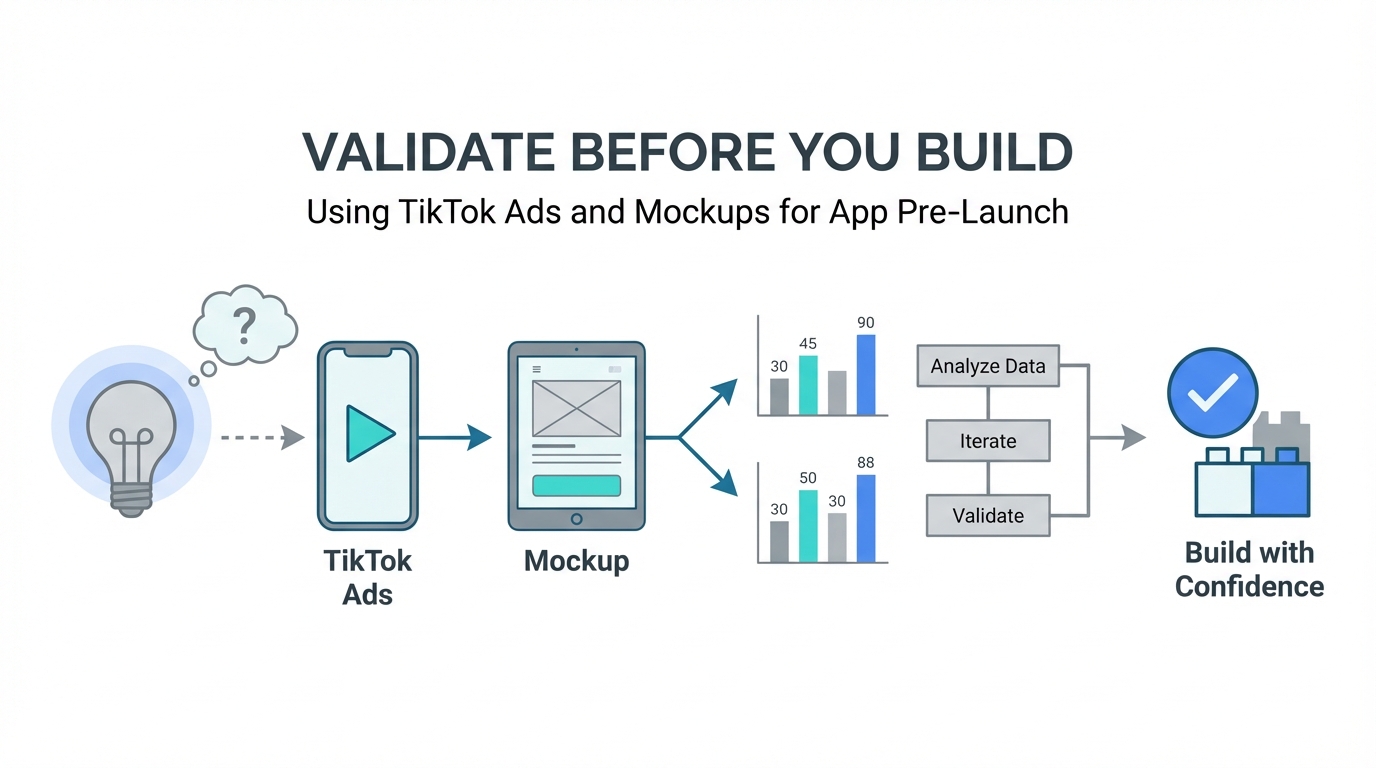
Imagine hitting number one on the App Store not just once, but twice. Now imagine doing it the second time before you’ve even finished writing the production code for your app. This sounds like a Silicon Valley fever dream, but for Roger Chen, founder of the viral social apps Lobby and Bro, it is a repeatable app validation playbook. While most founders spend months in stealth mode, Chen and his team use high-fidelity mockups and low-budget tiktok ads for apps to test whether a product deserves to exist before a single line of backend code is finalized. This strategy eliminates the guesswork of the traditional mvp testing phase and provides a roadmap for sustainable growth.
The Dreaded Feedback Gap: Why Startups Die in Stealth
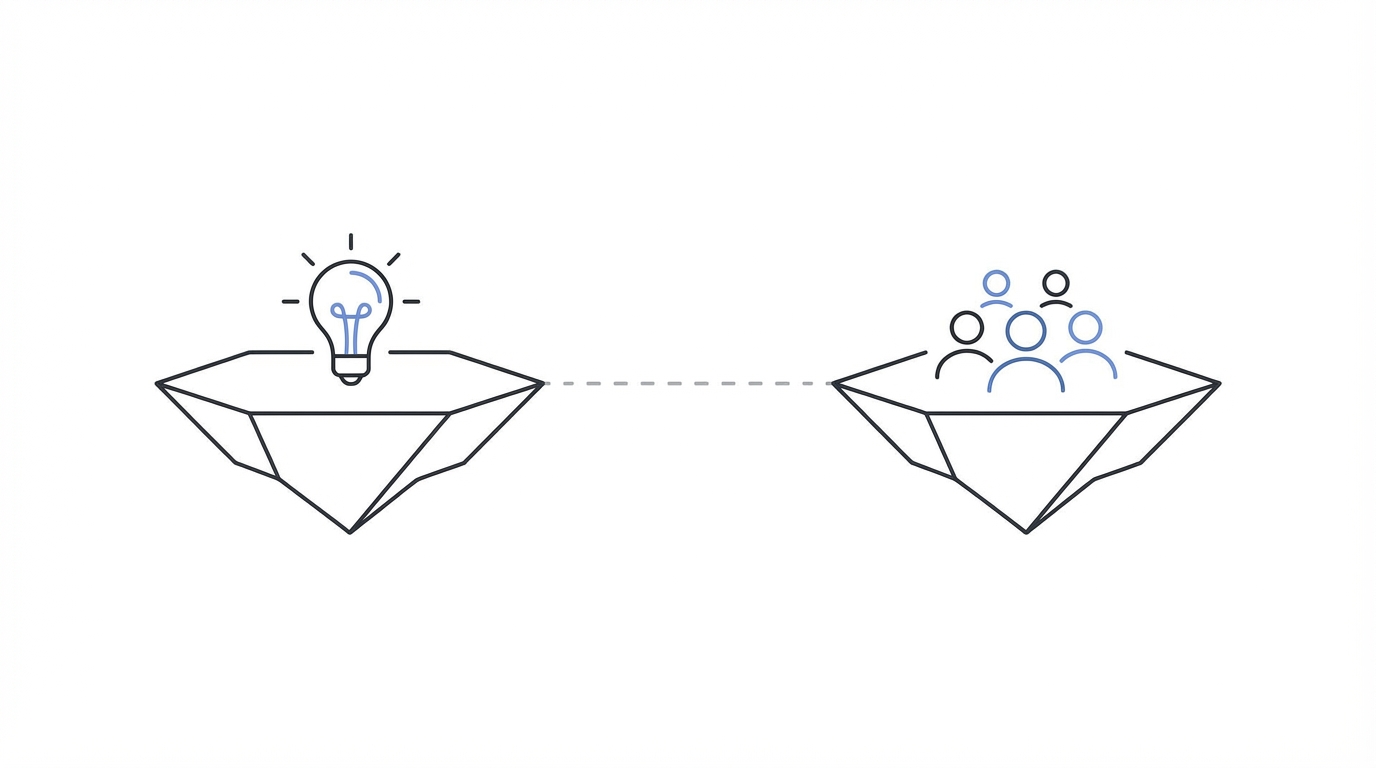
One of the most dangerous periods in a startup’s lifecycle is the time between the initial idea and the first public launch. Chen describes this as a "dreaded period" that can last anywhere from two weeks to three months. During this time, founders are often "in their own heads," building features based on assumptions rather than data. Without a feedback loop, it is remarkably easy to veer off course and spend tens of thousands of dollars on a product that no one actually wants. This is often where the cycle of "pivot hell" begins—where each pivot takes another month of development, draining both capital and morale.
To avoid this, Chen advocates for moving the feedback loop to the very beginning of the process. Instead of waiting for a functional build, his team uses Protopie to create what they call "PowerPoint mockups." These aren't just static Figma frames; they are interactive, tactile prototypes that look and feel like a real app. By filming these mockups and running them as ads on TikTok, they can gauge user interest and UI resonance in real-time. If the ad doesn't click, the product doesn't get built.
The 'PowerPoint' Method: Prototyping for the Tactile Feel
The core of Chen’s lean startup prototyping strategy is the realization that there is a massive gap between how a design looks in Figma and how it feels in a user’s hand. "A lot of things look good in Figma, but it just does not work once you get your hands on it," Chen notes. His co-founder, Leo, builds high-fidelity prototypes in Protopie that simulate the core user experience.
Chen describes his own behavior during this phase as "carrying around a phone like an idiot," constantly whipping out the prototype to play with the animations and transitions while doing mundane tasks. This tactile testing allows the team to identify friction points—like a flow being too long or a button placement feeling unnatural—weeks before an engineer would have touched the project. By optimizing for the tactile feel, they ensure that the eventual production app is already vetted for user experience (UX) quality. This mirrors the design philosophy of legendary hardware founders who would carry around wooden bricks shaped like future phones to test how they fit in a pocket.
Ads as Feedback: Reversing the Scaling Funnel

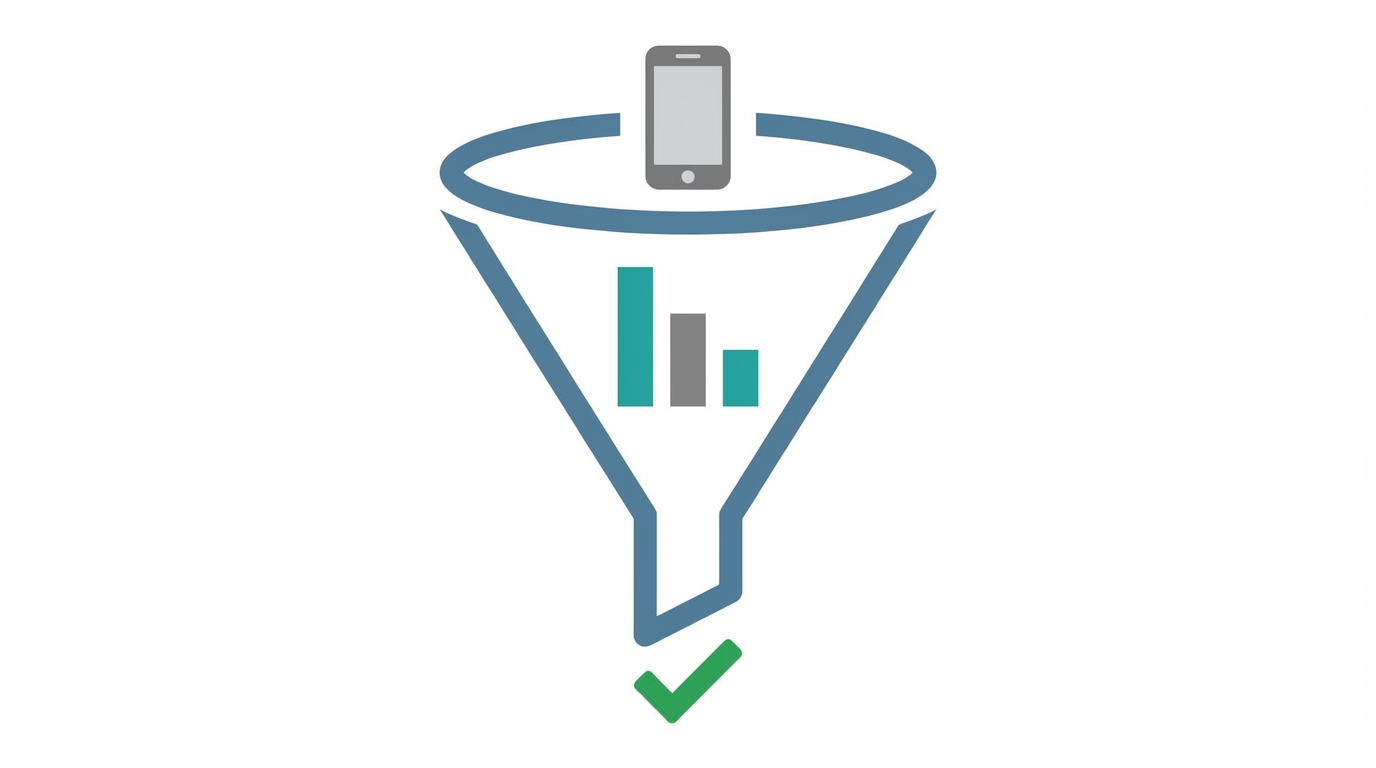
Most marketers view Google Ads or Meta Ads Manager as tools for scaling a finished product. Chen flips this on its head, using ads exclusively for pre-launch marketing strategy and validation. In the early days of his app Bro—an AI companion that floats over other apps—the team spent a few thousand dollars on TikTok ads just to see which UI resonated with users.
Platforms like Stormy AI are increasingly used by savvy developers to find the right creators for these early validation tests. Stormy AI is an AI-powered platform for creator discovery, especially for mobile app marketing and UGC campaigns. By using Stormy AI, brands can identify UGC creators who can film these prototypes in a way that feels organic to the platform. This is critical because, in the validation phase, you don't have time to negotiate with influencers for weeks. You need instant data. A few thousand dollars in ad spend is a negligible cost compared to the burn rate of a full engineering team building the wrong feature for three months.
The Hook-Scenario-Demo Framework
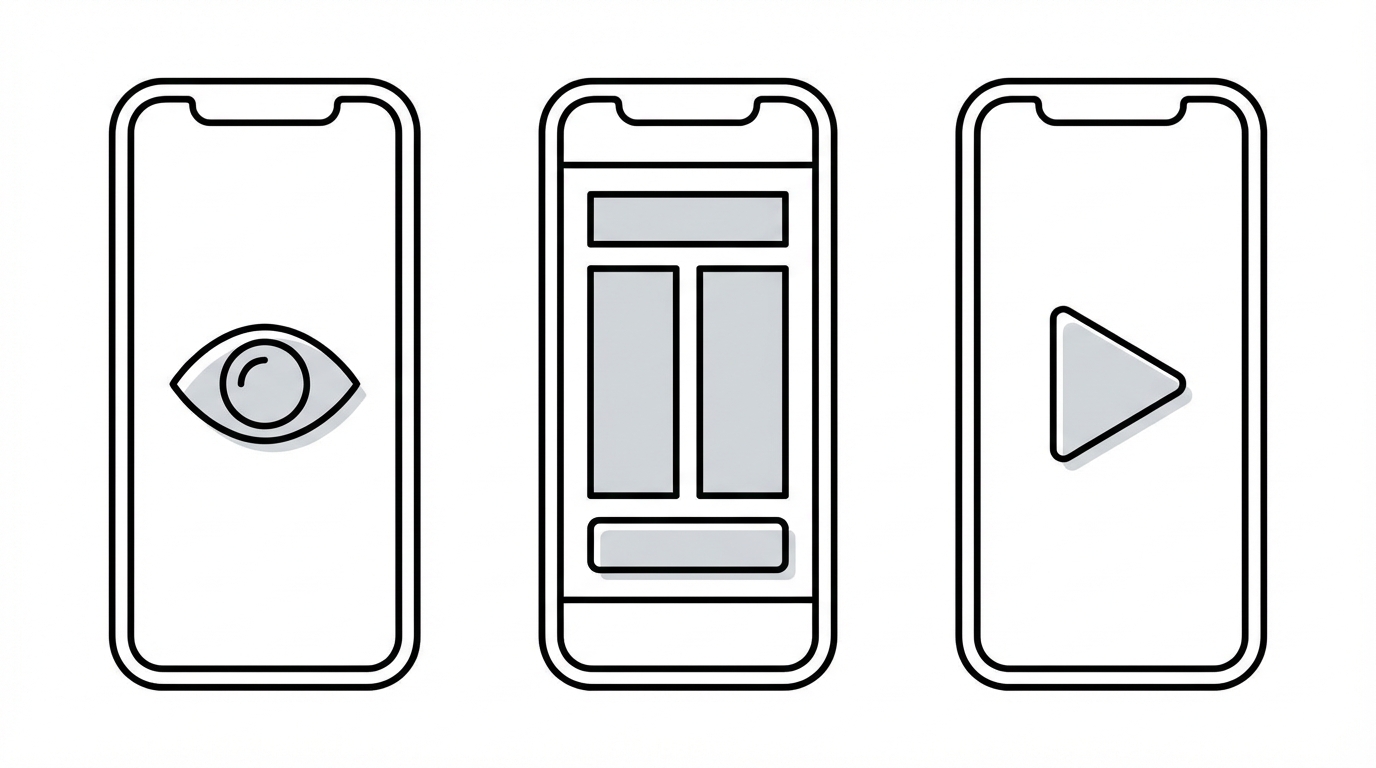
When running tiktok ads for apps during the validation stage, Chen uses a specific creative framework designed to maximize engagement and clarity. He calls it the Hook-Scenario-Demo framework. Here is the step-by-step playbook for creating these ads:
Step 1: The Human Hook
TikTok is a person-first platform. If a user sees an app interface immediately, they will likely scroll. The hook must feature a real person reacting to a relatable situation. "People love people," Chen explains. "When they see a real human, they stop; when they see an app interface, they scroll."
Step 2: The Specific Scenario
The ad must present a concrete problem. For Bro, they didn't lead with a broad vision of an "AI companion." Instead, they used scenarios like: "I just sent 'I love you' to my crush by accident and he left me on read." This creates an immediate emotional connection and a reason for the product to exist in the user's life.
Step 3: The Mockup Demo
Only after the hook and scenario do they show the product. This is where the Protopie mockup comes in. The creator films the phone screen showing the "fake" app solving the problem described in the scenario. For example, the AI companion suggests a witty follow-up text to "laugh off" the accidental 'I love you' message. This demo-centric approach validates if the actual utility of the app is attractive enough to drive a download.
Identifying the 'Wedge': Vision vs. Reality
A common mistake in app validation is trying to test a vision that is too broad. Bro’s long-term vision is to be an AI companion that lives with you across all your apps. However, "ambitious visions are not specific," says Chen. To find product-market fit, you need a "wedge"—a concrete scenario where the product provides immediate value.
Through their ad testing, the team discovered that their most effective wedges were texting and dating apps. While they also tested lock-screen affirmations and productivity use cases, the data showed that users were most excited about the AI helping them navigate social friction in messaging apps. By using the AI search engine in Stormy AI, you can find creators who excel in these specific niches to test your own wedges. By identifying this wedge through mvp testing, they were able to focus their development efforts on the features that actually moved the needle, eventually scaling to 8 million views on a single organic-feeling creative.
Scaling with UGC and AI-Powered Discovery
Once the prototype and the wedge are validated, scaling requires a robust Stormy AI workflow to manage creator relationships and track post-performance automatically. Moving beyond outdated legacy platforms like Captiv8 or Tagger, modern teams use AI to discover and outreach to thousands of creators who can produce authentic content for their validated app idea.