When v0 first hit the scene, the developer community was rightfully obsessed with its ability to turn a simple text prompt into a beautiful, production-ready React UI. It felt like magic: type "a sleek music player with warm grays," and seconds later, you have a responsive dashboard. But as the initial hype settles, a new wave of "idea people" and founders are discovering that v0’s true power isn't just skin deep. It isn’t just a UI generator; it is a world-class AI backend developer tool capable of architecting complex database schemas, writing ORM logic, and bridging the gap between a pretty mockup and a functional full-stack application.
In a recent deep dive, Lee Robinson, VP of Product at Vercel, highlighted that v0 should be treated like a "super senior engineer" sitting right next to you. This means moving beyond aesthetic tweaks and using the tool to handle the "ones and zeros" that actually power your business logic. Whether you are building a SaaS platform, a mobile app backend, or a niche marketplace, this playbook will show you how to build a full-stack app with AI by leveraging v0 for more than just CSS.
Generating Database Schemas: From Idea to Postgres
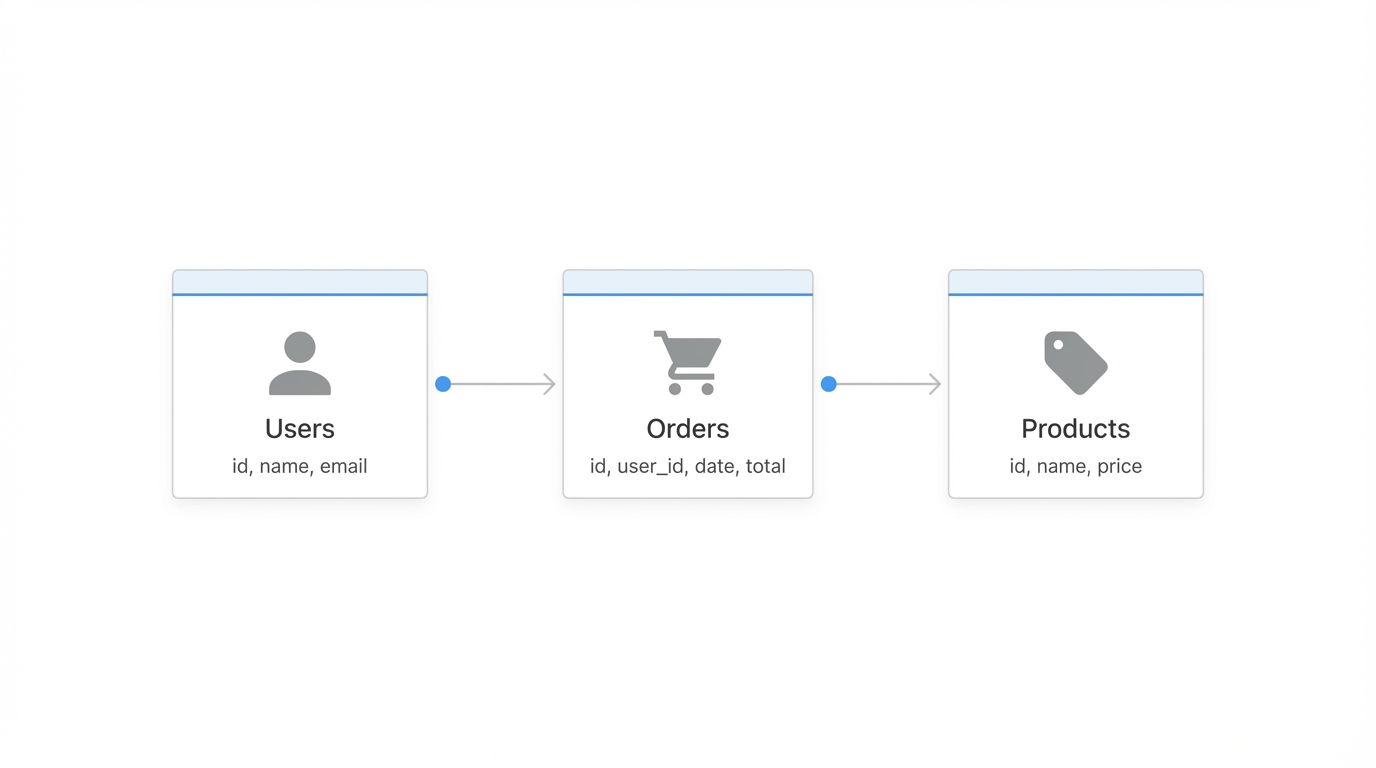
The foundation of any robust application is its data model. Most developers spend hours whiteboarding table relationships before writing a single line of SQL. With v0, you can accelerate this by describing your app’s requirements in plain English. For example, instead of manually writing CREATE TABLE statements, you can prompt v0 to generate a database schema based on your UI’s needs.
If you have already built a UI component in v0—like an activity log or a user settings page—you can simply ask: "Based on this UI, what should the Postgres schema look like?" The AI understands the data points displayed (e.g., timestamps, user IDs, event types) and can output a structured SQL schema that includes primary keys, foreign key relationships, and proper data types. This v0 database schema generator approach ensures that your backend and frontend remain perfectly synced from day one.
ORM Integration: Moving from UI to Prisma and Drizzle
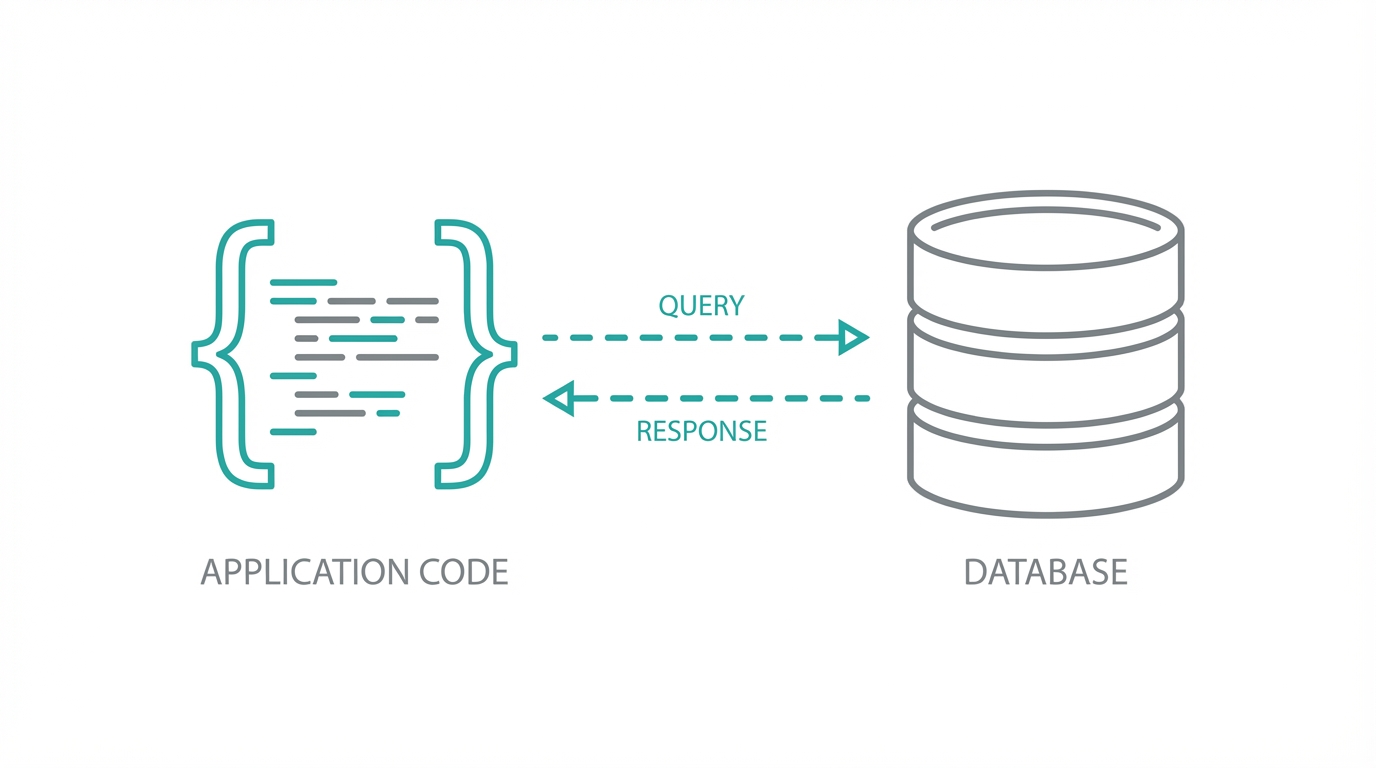
Once you have your schema, the next step is implementation. Manually translating SQL into an Object-Relational Mapper (ORM) is tedious and prone to syntax errors. Lee Robinson suggests that v0 is particularly adept at generating ORM code for modern stacks. Whether your team prefers Prisma or the lightweight Drizzle ORM, v0 can output the exact schema files needed for your TypeScript project.
To get the most out of this, provide v0 with context about your existing tech stack. A prompt like "Convert this SQL schema into a Drizzle ORM schema for a Next.js project using TypeScript" will yield a ready-to-paste file. This eliminates the boilerplate work of defining types and exports, allowing you to focus on the v0 react logic that actually drives user value. By using v0 as an ai coding assistant for startups, founders can move from a mockup to a queryable database in minutes rather than days.
The Great Swap: Moving from Mock Data to Real API Calls
One of the most common hurdles in AI-assisted development is the "hardcoded trap." v0 often generates components with beautiful mock data to show you what the UI looks like under ideal conditions. However, to turn this into a real product, you must swap those static arrays for dynamic fetch requests or Server Actions.
Step 1: Identify the Data Structure
Look at the mock data v0 generated. If it’s an array of "Song" objects for a music player, note the keys: id, title, artist, and albumArt.
Step 2: Prompt for the API Wrapper
Ask v0 to "rewrite this component to fetch data from an external API endpoint instead of using the hardcoded array." It will typically refactor the code to include a useEffect hook or a Next.js server-side fetch, adding loading states and error handling automatically.
Step 3: Connect to Your Backend
If you have a specific backend URL, provide it. v0 can even generate the API route handlers themselves. For instance, you can ask it to "Create a Next.js API route that queries my Postgres database for the song list and returns it in the format expected by the UI." This creates a closed loop where the AI writes both the requester (frontend) and the provider (backend).
Building CRUD Operations and Admin Portals
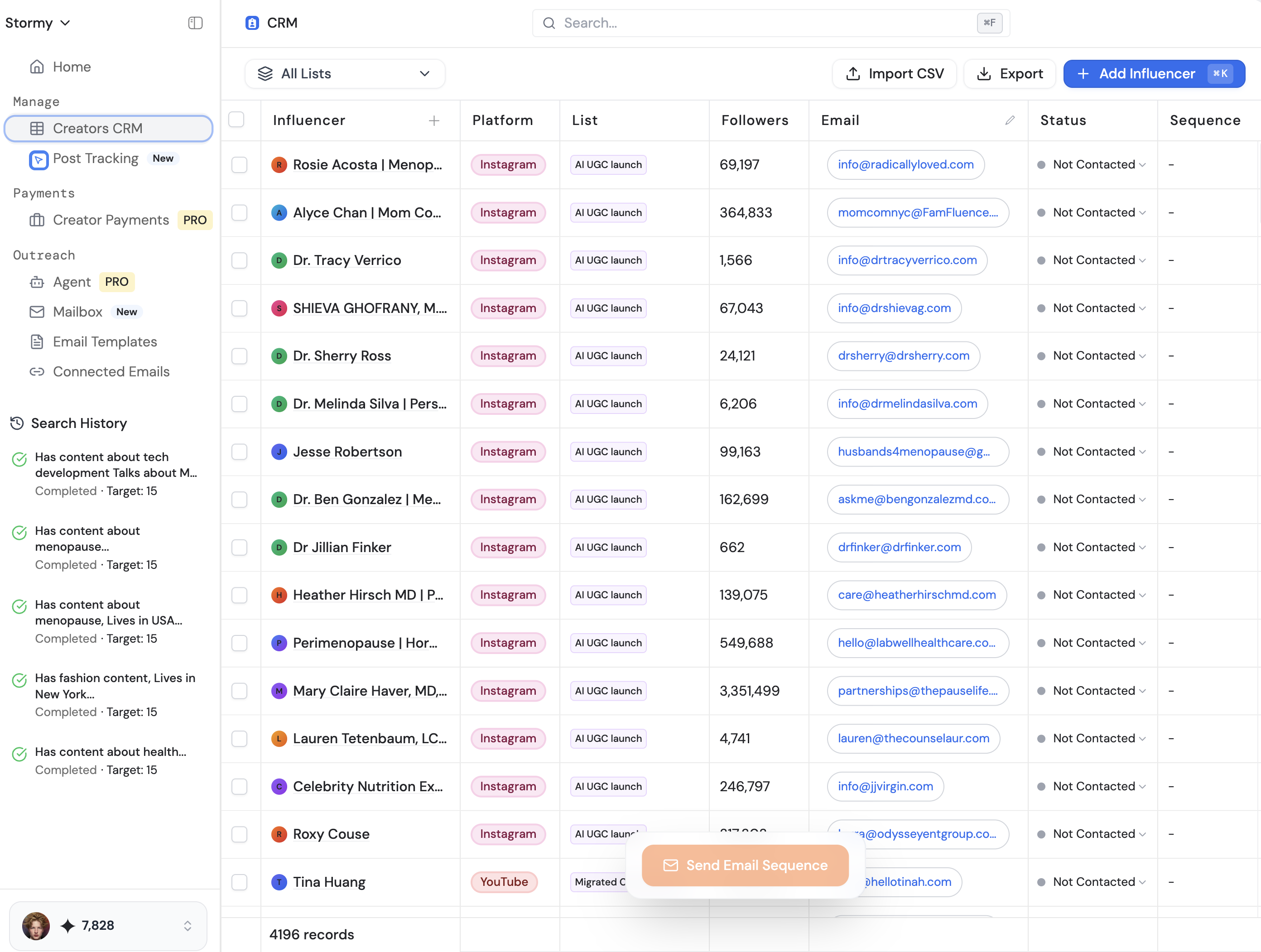
Every startup needs an unglamorous backend—an admin portal to manage users, a settings page to handle subscriptions, and a way to perform CRUD (Create, Read, Update, Delete) operations. This is where v0’s "information density" shines. As Lee Robinson notes, you can steer the AI by providing screenshots of existing apps you admire, like Superhuman or Stripe, to get the "bones" of a high-utility dashboard right.
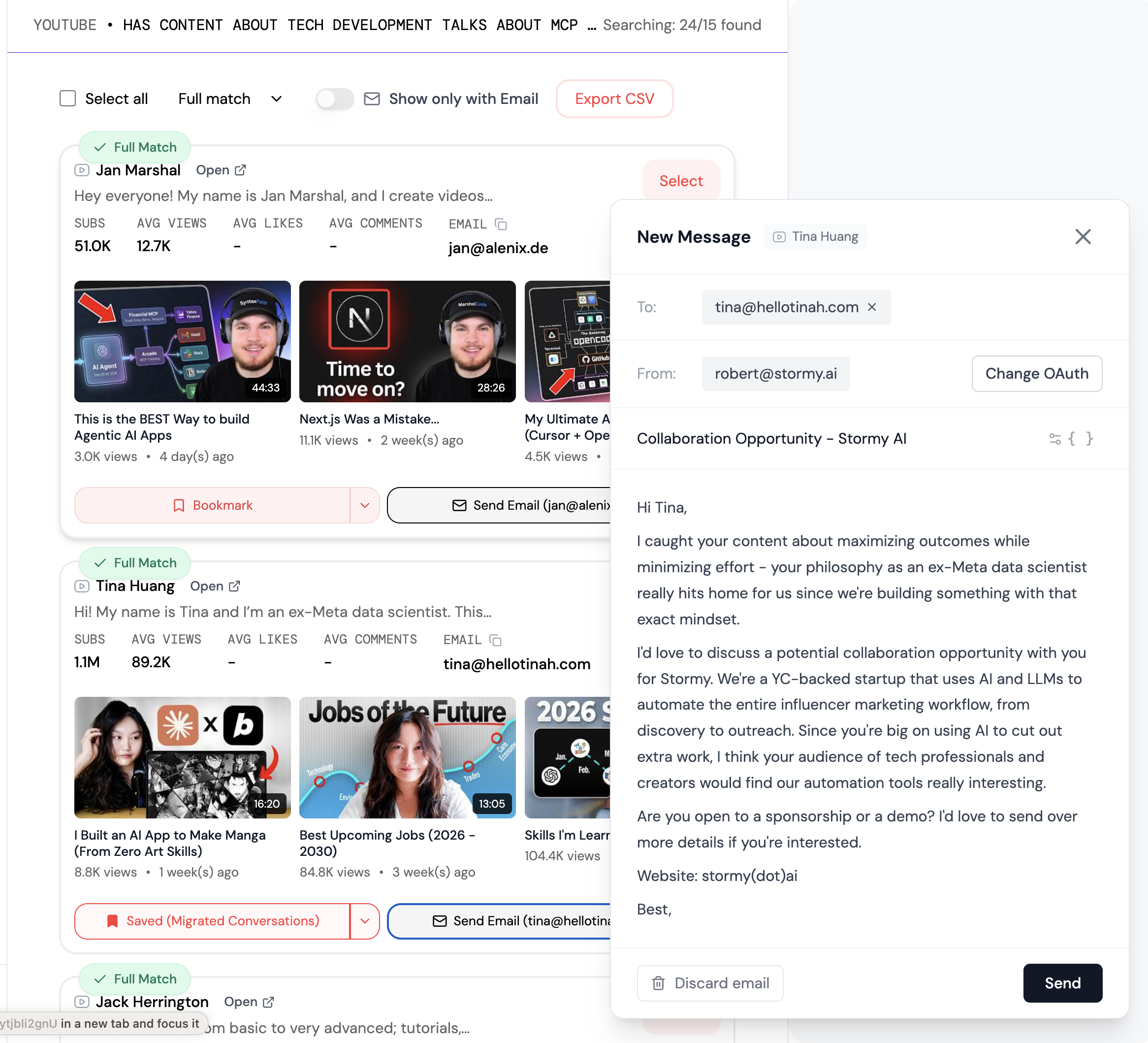
When building these portals, don't just ask for the layout. Ask v0 to handle the state management for form submissions. If you are building a user management table, prompt it to "add a 'delete user' action that calls a server-side function and optimistically updates the UI." This level of v0 react logic is what separates a prototype from a production-ready feature. For teams managing hundreds of external partners, tools like Stormy AI can help source and manage UGC creators at scale, but you still need a custom internal CRM to track your unique deal stages—something v0 can architect for you in a single afternoon.
AI as a Senior Architect: Optimization and Indexing
The most underrated use case for v0 is using it as a performance consultant. Once your schema and logic are built, you can ask the AI to review the code for bottlenecks. A "super senior engineer" doesn't just write code; they ensure it scales.
You can paste your schema and ask: "How can I optimize this database for a high volume of read queries?" v0 will often suggest database indexes for specific columns, such as email addresses or timestamps, and provide the SQL to implement them. It can even suggest advanced frontend optimizations, like using cubic-bezier easing functions for smoother animations or implementing tabular nums in CSS to ensure that data in your tables stays vertically aligned for better readability. These small touches, often found in high-end designs on Godly or Patterns.dev, are what give your app a "premium" feel.
Conclusion: The Future of AI-Driven Development
As Lee Robinson suggests, we are entering an era where the barrier between "having an idea" and "building a product" is thinner than ever. By using v0 not just as a v0 database schema generator but as a comprehensive ai backend developer tool, you can bypass months of traditional development.
For startups, the strategy is clear: use v0 to build the core infrastructure, manage your data with modern ORMs like Prisma, and then layer on specialized tools for growth. If your product relies on community growth, you might use Stormy AI to discover and vet creators who can promote your new app. The combination of AI-powered development and AI-powered marketing is the ultimate competitive advantage in the current market. Suspend your disbelief, stop treating AI as a simple chatbot, and start using it as the senior architect your startup needs.