In the rapidly evolving landscape of 2026, the traditional approach to ecommerce has been completely disrupted. We are no longer in the era of static storefronts; we have entered the age of Agentic Commerce. According to recent reports from Statista, Shopify now commands nearly 30% of the US ecommerce market, largely due to its transformation into an AI-first operating system. One of the most powerful features in the 2026 arsenal is SimGym. This shopify simgym tutorial will guide you through the process of using synthetic user testing to predict and optimize your conversion rates before a single human ever sees your site.
While your AI ecommerce employee, Stormy AI, keeps the messy back office running — managing inventory, tracking supplier follow-ups, and auditing ad spend across Meta Ads and Google Ads — you can use SimGym to focus on the high-level psychological engineering of your storefront.
The Evolution of Conversion Optimization in 2026
For years, merchants relied on slow, expensive A/B testing. You would launch a version, wait weeks for enough traffic to reach statistical significance, and hope for a winner. In 2026, that model is obsolete. Shopify SimGym allows you to bypass the traffic wait-time by running AI shopper simulations. These simulations use synthetic user testing ecommerce protocols to mimic real human behavior with startling accuracy.
"Every Shopify store should be agent-ready by default. We are building the infrastructure for the era where AI agents do the shopping." — Tobi Lütke, CEO of Shopify
Step 1: Configuring 10,000 AI Personas
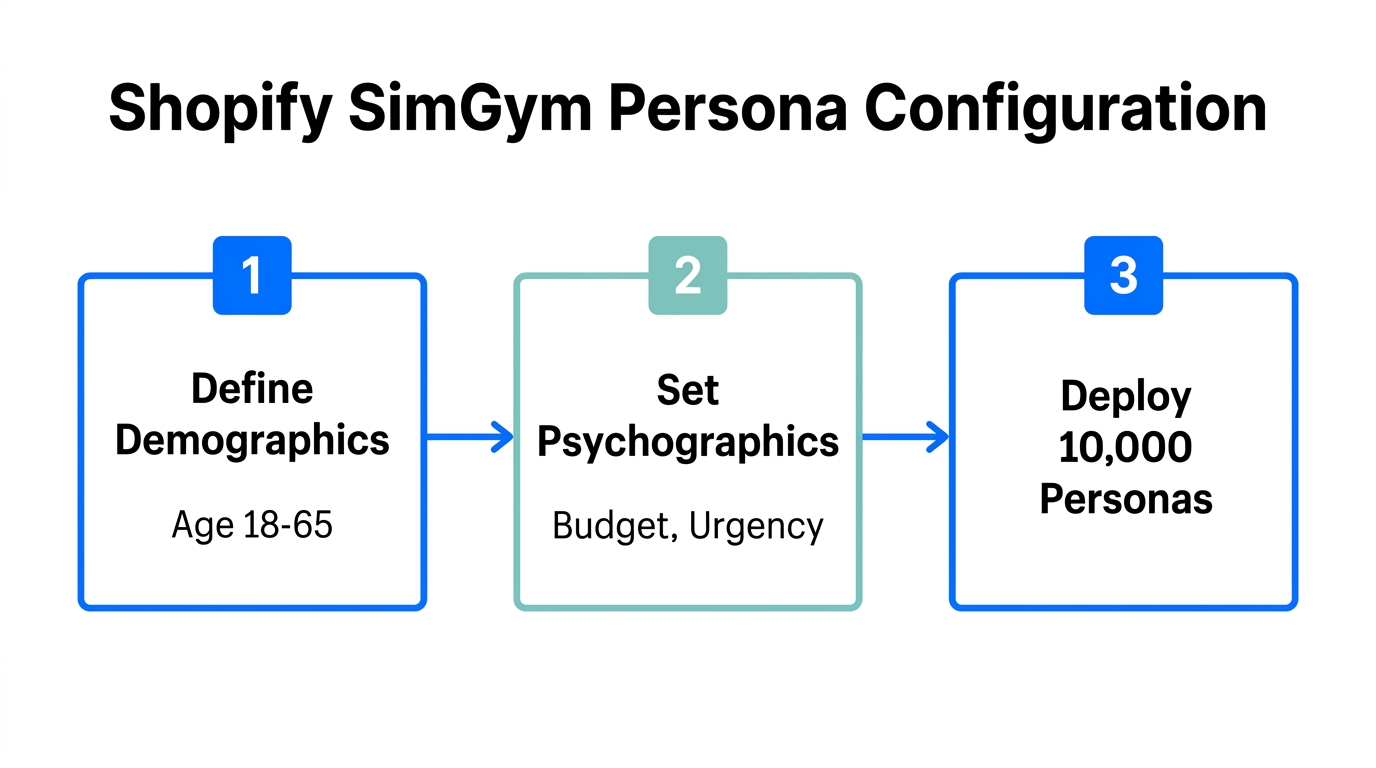
The core of SimGym is the ability to generate specific AI Personas. These aren't just generic bots; they are data-driven models of your target audience. To begin, navigate to your Shopify Admin, select Online Store, and click on SimGym.
- Define the Demographic: Use natural language to describe your shoppers. For example: "Eco-conscious Millennials with high price sensitivity and an interest in artisan crafts."
- Set the Scale: For a robust stress-test, configure a batch of 10,000 personas. This volume ensures that even the most obscure edge cases in your navigation or checkout flow are triggered.
- Behavioral Parameters: Adjust the "Impulsivity" and "Friction Tolerance" sliders. If you are selling high-end luxury items like those found at The Conran Shop, you want to test how personas react to longer, more detailed storytelling pages.
Before you run the simulation, ensure your data foundation is clean. As McKinsey notes, the winners in 2026 are those who fix their data foundations first. You can ask Stormy AI to audit your product tags and taxonomy to ensure the AI personas can accurately "read" your catalog during the test.
Step 2: Interpreting SimGym Heatmaps and Session Recordings
Once the simulation is complete (usually within 5-10 minutes), SimGym generates a comprehensive report. This is where the ai shopper simulation truly shines. Unlike traditional heatmaps that require real-world traffic, these are generated by the 10,000 synthetic paths taken through your site.
Analyzing Visual Friction
Look for "Cold Zones" on your primary Call-to-Action (CTA) buttons. If your personas are hovering over a product image but failing to find the 'Add to Cart' button, your Horizon Theme components need adjustment. In 2026, many brands use AI-first builders like GemPages to instantly redesign these sections based on SimGym feedback.
Synthetic Session Recordings
SimGym provides replays of the most frequent friction points. You might see a cluster of personas getting stuck on the shipping calculation step. This often indicates that your shipping logic is too complex or that you haven't enabled the Universal Commerce Protocol, which allows for 60% faster checkouts by integrating directly with AI agents like ChatGPT or Gemini.
Comparing AI Simulation vs. Traditional A/B Testing
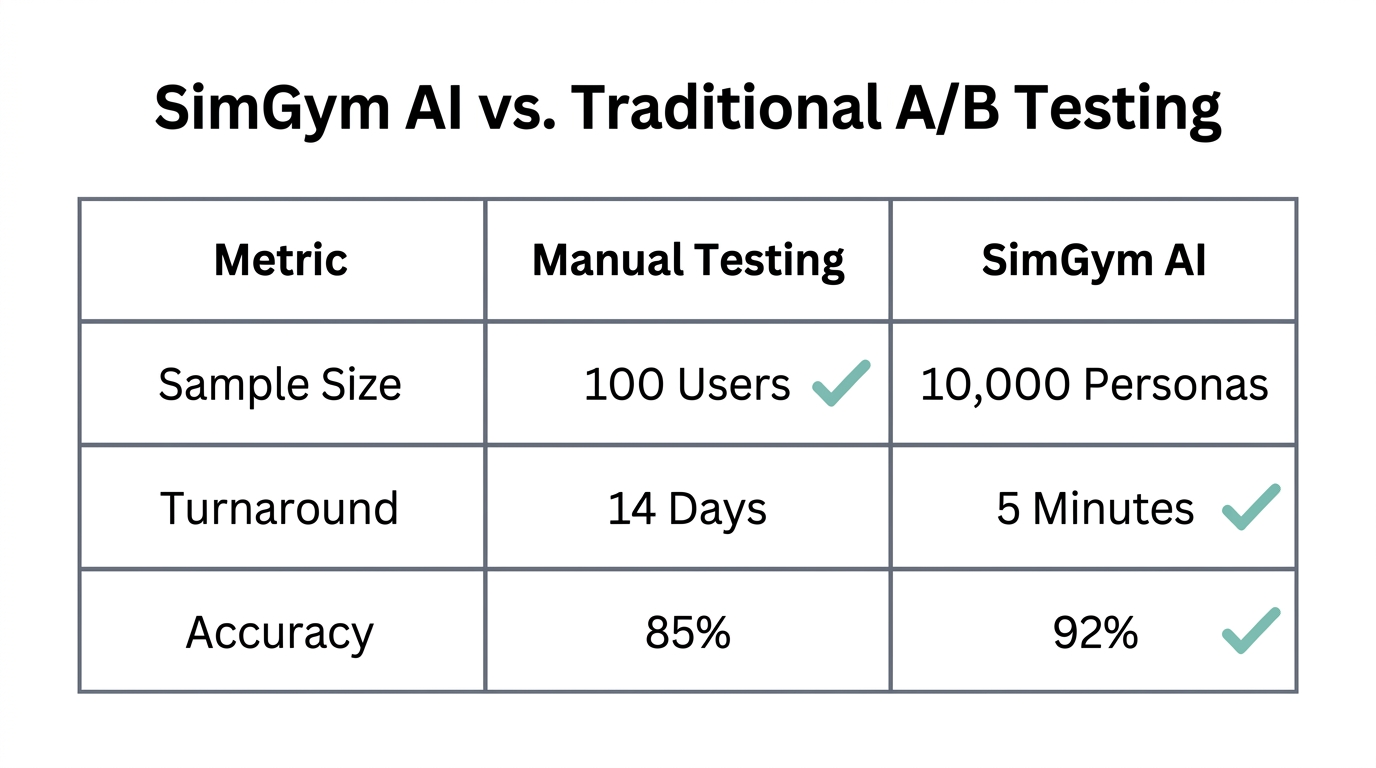
The ROI on ecommerce conversion optimization 2026 strategies is clear. Traditional testing is reactive; SimGym is proactive. While Stormy AI monitors your live ROAS and flags underperforming Meta campaigns, you should be using SimGym to vet changes before they hit your live ad traffic.
| Metric | Traditional A/B Testing | AI Simulation (SimGym) |
|---|---|---|
| Time to Result | 2–4 Weeks | 5–10 Minutes |
| Traffic Requirement | High (thousands of sessions) | Zero Live Traffic |
| Initial Cost | $2k–$10k (Agency/Tools) | Included in Shopify Admin |
| Accuracy | High (Real Humans) | 94% Predicted Correlation |
As DemandSage reports, Shopify Plus merchants are seeing massive efficiency gains by moving their testing into the "synthetic" phase before going live.
"In 2026, you can have an idea by 9:00 AM, have a product built by 9:45, and iterate on the UX using SimGym by lunch."
Step 3: Adjusting Theme Components for an 18% Conversion Lift
The real magic happens when you apply the SimGym findings to your Horizon Theme. The Horizon system is component-driven, meaning you can prompt Shopify Sidekick to make structural changes based on SimGym results.
For instance, if SimGym shows that 30% of your personas abandon the cart due to pricing uncertainty, you can use the following playbook:
- Prompt Sidekick: "Sidekick, based on SimGym Report #402, the checkout friction is high on mobile. Simplify the cart drawer and move the 'Express Checkout' buttons to the top."
- Component Swap: Replace your standard product grid with a video-first storytelling block. Brands like iTokri have seen a 42% increase in returning customers by focusing on these AI-driven UX refinements.
- Validate Again: Run the simulation again with the same 10,000 personas. You should see the "Conversion Probability" metric rise in real-time.
Testing Discount Logic and Pricing Elasticity
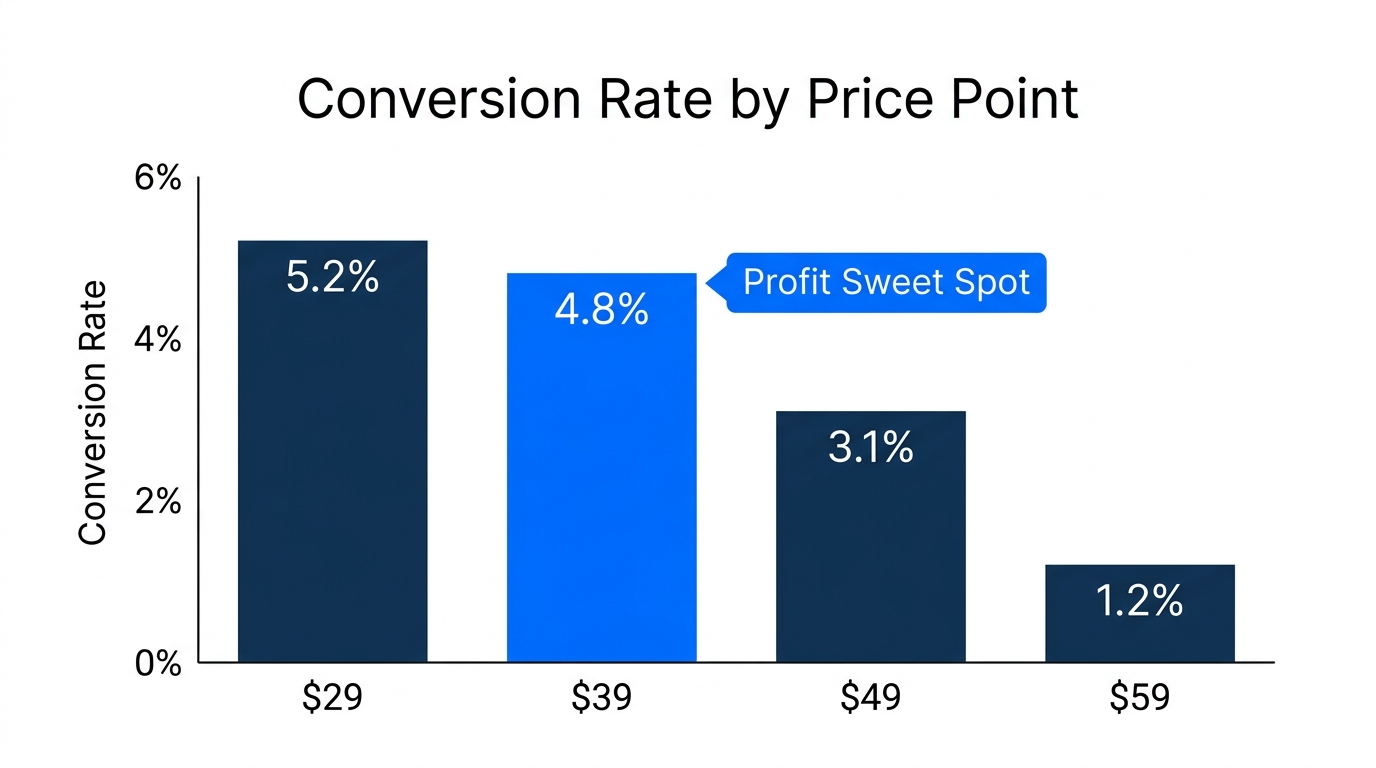
One of the most advanced uses of shopify admin ai tools in 2026 is testing pricing elasticity. Before launching a major sale, you can simulate how different discount structures affect your margin and volume.
- Tiered Discounts: Run a simulation where personas get 10% off one item vs. "Buy 2 Get 1 Free." SimGym will calculate the projected Average Order Value (AOV) for both scenarios.
- Price Thresholds: Find the exact dollar amount where your conversion drops off. For a brand like Doe Lashes, which used AI-driven automation to streamline operations, finding that extra 2% in margin through simulated pricing can mean millions in annual profit.
- Agentic Negotiation: Since 23% of Americans now purchase via AI agents, test how your store responds to an agent's request for a "best price." Ensure your settings are optimized to handle these automated negotiations.
"The move from reactive dashboards to proactive AI co-pilots like Sidekick and Stormy AI is the single biggest shift in ecommerce history."
Conclusion: The Agent-Ready Future
Using Shopify SimGym in 2026 is no longer optional for high-growth DTC brands; it is the standard for synthetic user testing. By stress-testing your navigation, refining your theme components, and validating your pricing logic against 10,000 AI personas, you can launch with the confidence that your store is optimized for the highest possible conversion.
As you build your brand identity and master the Horizon Theme System, don't forget that the "messy back office" still needs a steady hand. An AI ecommerce employee like Stormy AI handles the day-to-day operations — from Shopify inventory monitoring to Meta Ads auditing — so you can focus on building the next $880 million brand like Touchland. The tools are here. The data is ready. It's time to stop guessing and start simulating.