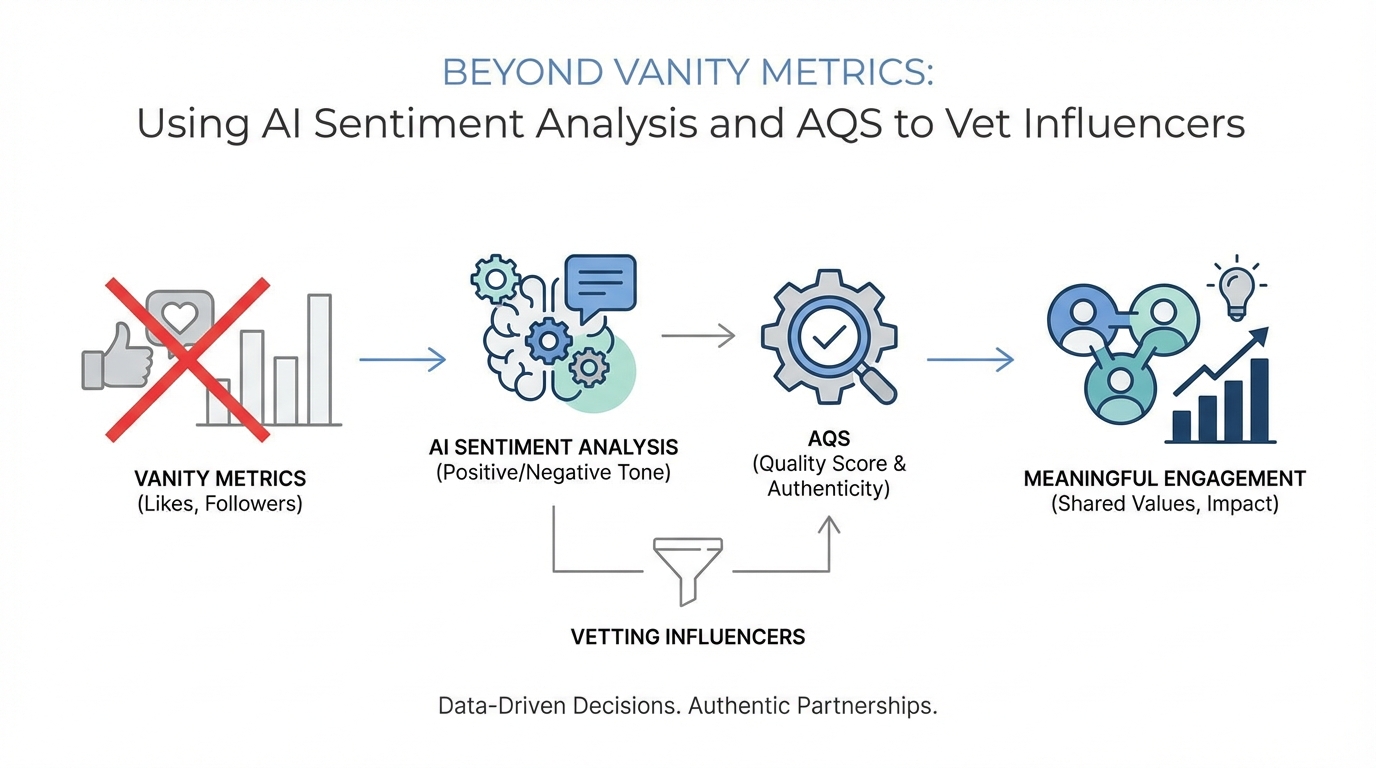
In the early days of social media marketing, a high follower count was the ultimate seal of approval. Brands would scramble to partner with anyone boasting a million-strong audience, often overlooking the substance behind the numbers. Fast forward to 2025, and the landscape has undergone a radical transformation. The industry has moved from a period of "novelty" to one of high-stakes "utility," where influencer fraud detection and data-backed verification are no longer optional—they are essential for survival. With the global virtual influencer market alone projected to reach $111.78 billion by 2033, according to Straits Research, the need for sophisticated vetting tools has never been more urgent. This article explores how modern marketers are using Audience Quality Scores (AQS) and influencer sentiment analysis to look past the surface and secure genuine ROI.
The Problem with Vanity Metrics in a Bot-Heavy Era

Vanity metrics—likes, followers, and general impressions—are the easiest data points to manipulate. For years, unscrupulous actors have used engagement pods and bot farms to inflate their perceived value. However, as 51.9% of marketers plan to incorporate AI-generated avatars and sophisticated discovery tools into their strategies by 2025, as noted by the Influencer Marketing Hub, the gap between "fake fame" and real influence is widening. Relying on raw follower counts often leads to overpaying for empty reach, where your message is delivered to an audience of scripts rather than consumers.
To combat this, sophisticated brands are turning to platforms like Stormy AI, an AI-powered platform for creator discovery, especially for mobile app marketing and UGC campaigns, to identify creators who offer more than just high numbers. The focus has shifted toward ROI-based influencer marketing, where every dollar spent is tracked against actual conversion-intent signals. By moving away from flat-fee "pay-per-post" models, companies are now embracing performance-based contracts that prioritize results over optics. This shift is supported by the fact that brands using Stormy AI for creator discovery report significant reductions in sourcing time and better average cost savings on ad spend through automated vetting.
Establishing a Minimum Audience Quality Score (AQS) of 70+

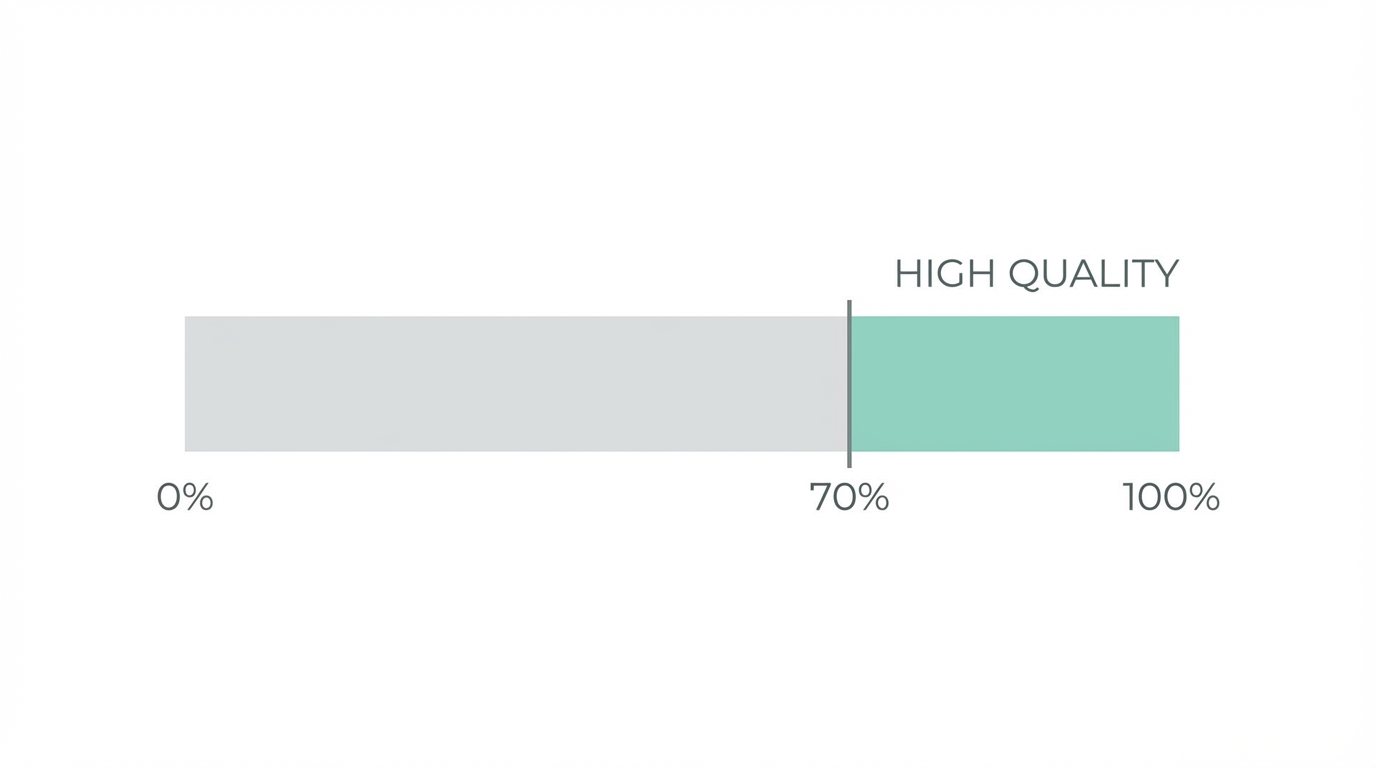
One of the most effective ways to filter out low-quality creators is by implementing a strict Audience Quality Score (AQS) threshold. An AQS is a proprietary metric—often provided by an influencer vetting tool like Stormy AI—that evaluates a creator's audience based on authenticity, reachability, and engagement patterns.
Marketers should establish a minimum AQS of 70 or higher as a non-negotiable benchmark. This score helps to automatically disqualify influencers with bot-heavy followings. A high AQS indicates that the creator’s followers are active, real people who are likely to see and interact with sponsored content. Using Stormy AI, app developers and brands can quickly scan these scores to ensure their UGC (user-generated content) campaigns are hitting real potential users rather than empty accounts. This level of scrutiny is critical when you consider that AI creators can sometimes deliver engagement rates up to 3% higher than human creators, making it even more important to distinguish between high-quality AI engagement and fraudulent bot activity.
Using AI Sentiment Analysis to Detect Pods and Fraud
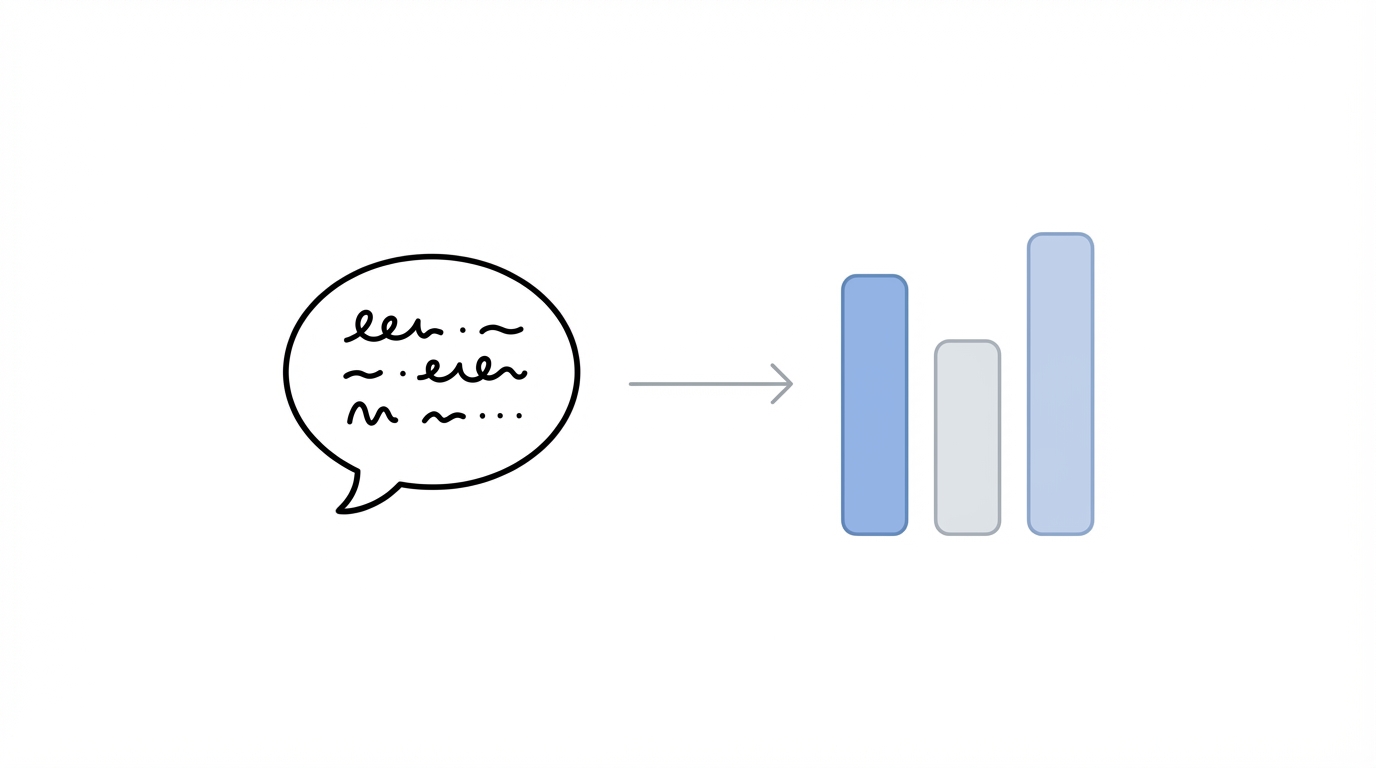
While a high engagement rate looks good on a spreadsheet, it can be deeply deceptive. Engagement pods—groups of influencers who agree to comment on each other’s posts to trick algorithms—often leave generic, low-value interactions. This is where influencer sentiment analysis powered by Natural Language Processing (NLP), a core component of tools like Stormy AI, becomes a superpower for marketers.
By using AI to scan the last 50 to 100 comments on a creator’s post, brands can identify patterns that human eyes might miss. If 80% of comments are emoji-only or generic phrases like "Great post!" or "Love this!", the influencer likely has a low-quality or "podded" audience. Genuine engagement involves comment depth—users asking questions, sharing personal anecdotes, or discussing the specific content of the post. Tools that leverage AI search capabilities, such as those provided by Stormy AI, allow marketers to find "needle in a haystack" niche creators who spark real conversations.
Key Sentiment Signals to Monitor:
- Conversion-Intent Language: Keywords like "Where can I buy this?", "Is it available in [location]?", or "Just downloaded the app!"
- Brand Affinity: How often the audience mentions the creator's previous partners in a positive light.
- Visual vs. Contextual Search: Modern tools now use AI to find influencers based on conversational intent, such as "moms discussing sustainable diapers," rather than just simple hashtags.
The Shift Toward Performance-Based ROI Contracts

The era of paying for "exposure" is fading. In its place is a more rigorous model where payouts are tied directly to ROI and conversions. AI has made this transition possible by allowing brands to track performance with granular precision. Instead of a flat fee, influencers are increasingly working under contracts where a portion of their compensation is based on link clicks, app installs, or sales attribution.
This is particularly relevant for mobile app marketing and app install campaigns. When working with Stormy AI to find UGC creators, brands can focus on those who historically drive high "saves-to-likes" ratios. A "save" is a much stronger indicator of purchase intent than a "like." By tracking these conversion-intent signals through comprehensive analytics in Stormy AI, marketers can ensure they are investing in creators who move the needle, rather than those who just provide a temporary spike in visibility.
Vetting Human vs. AI Creators: A New Challenge
The rise of virtual influencers like Lil Miquela, who earns an estimated $10M/year, and Aitana Lopez, has introduced a new layer of complexity to influencer fraud detection. While these AI personas are transparently digital, their audiences must still be vetted for quality.
Directories like Virtual Humans provide authority scores for these digital entities. Surprisingly, virtual micro-influencers can sometimes achieve 12x the reach of their human counterparts because their content is often more stylized and algorithmically friendly. However, the same rules of AQS and sentiment analysis apply. Whether a creator is human or a "digital twin" translated into 40 languages, the data must support the spend. Marketers must also ensure mandatory disclosure—failing to use #AIInfluencer or platform labels can lead to account bans or FTC fines, as transparency is now a core part of the influencer’s unique selling proposition.
The 5-Step Playbook for Modern Influencer Vetting

To move beyond vanity metrics, follow this actionable playbook to ensure your next campaign is backed by data and high-quality engagement.
Step 1: Define Your Quality Threshold
Before beginning your search, set your benchmarks. For most campaigns, aim for a minimum Audience Quality Score of 70+. If you are targeting a hyper-niche market, you may lower this slightly, but never compromise on the authenticity of the engagement.
Step 2: Use Semantic and Visual Search
Move beyond hashtags. Use specific AI prompts in your influencer vetting tool. Instead of searching for "fitness," use prompts in Stormy AI like: "Find creators in NYC who post about marathon training for beginners and have a high saves-to-likes ratio." This ensures you find creators whose content naturally aligns with your brand's conversational intent.
Step 3: Run AI Sentiment Analysis
Scan the comments section of the influencer’s last 50 posts. Look for comment depth. If you see a high frequency of generic praise or emoji-only strings, flag the account for potential engagement pods. Use NLP tools to identify if the audience is actually discussing the product or just performing "engagement rituals."
Step 4: Implement Lookalike Modeling
Once you find a top-performing creator, use lookalike features in platforms to find 10 others with identical audience psychographics. This allows you to scale your ROI-based influencer marketing without having to start the discovery process from scratch every time.
Step 5: Draft Performance-Based Contracts
Structure your agreements around conversion-intent signals. While impressions are a nice byproduct, your primary KPIs should be link clicks, saves, or app installs. Ensure your contract includes a clause about audience authenticity and the use of third-party verification tools to protect your ad spend.
Common Mistakes in Modern Influencer Marketing
Even with the best tools, many brands fall into predictable traps. One of the most common is overpaying for vanity metrics. A million followers mean nothing if only 10,000 are real, active users. Another mistake is siloed discovery—using a vetting tool that doesn't integrate with your CRM, such as Stormy AI, leading to manual data entry errors and "integration headaches."
Additionally, ignore the "Uncanny Valley" at your peril. When working with AI creators, research shows that highly stylized or toon-shaded avatars often perform better than "almost-but-not-quite" realistic ones which can feel creepy to audiences. Finally, never rely solely on AI to generate your influencer briefs; this often results in generic content that sounds like a "robot on autopilot." The most successful campaigns feature authentic storytelling backed by data-driven decisions.
Conclusion: The Future is Quality-First
The transition toward a quality-first approach in influencer marketing is not just a trend; it’s a necessary evolution in an increasingly automated world. By leveraging influencer fraud detection, maintaining a high Audience Quality Score, and performing deep influencer sentiment analysis, brands can finally move beyond the mirage of vanity metrics. Whether you are searching for human UGC creators for a mobile app campaign or exploring the frontier of virtual influencers, the data is your best defense against wasted spend. Start using these strategies today to build a sustainable, high-ROI influencer program that prioritizes real human connection over digital noise.