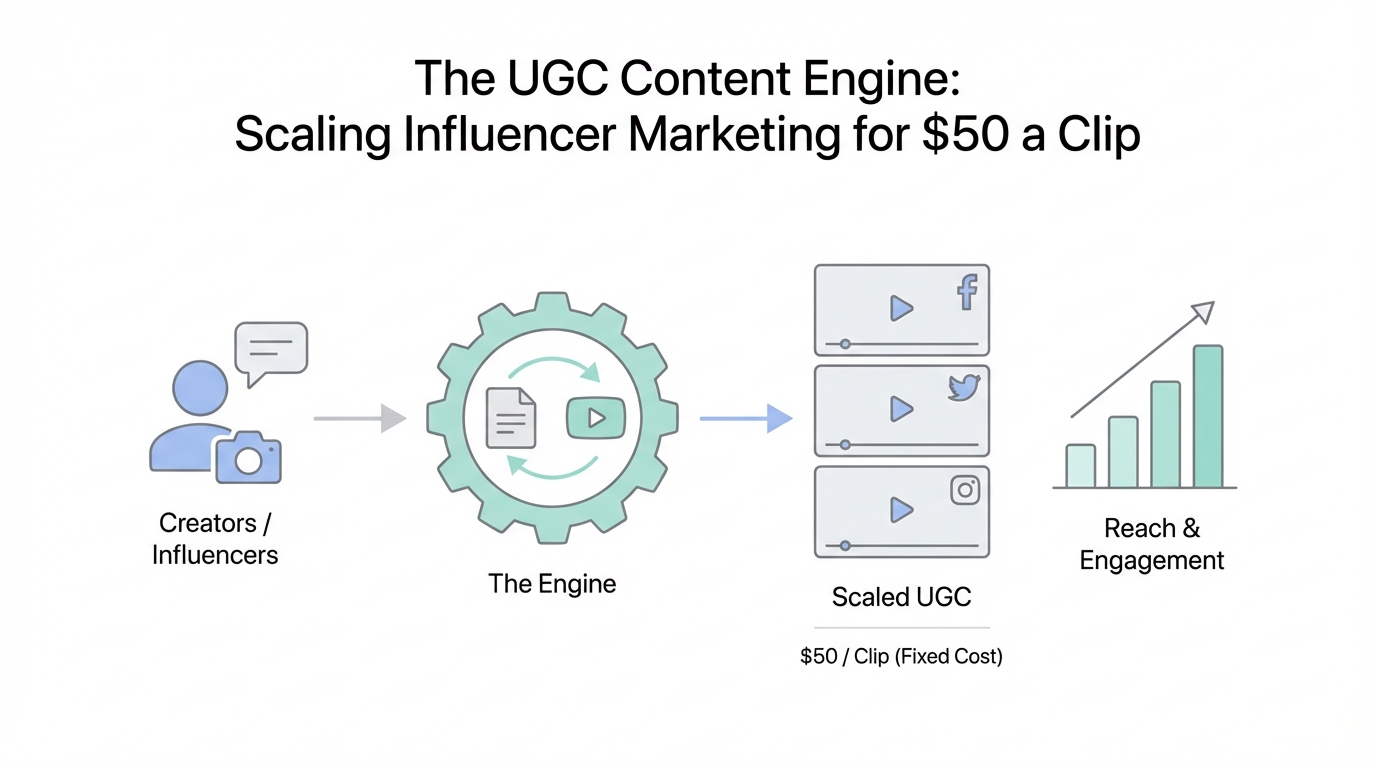
Imagine building a fitness app from your home in Argentina and scaling it to over $440,000 in monthly revenue in just two years. For Julian, the co-founder of Gravel, this isn't a hypothetical—it is the result of a relentless focus on high-volume, low-cost creative. In the world of modern mobile growth, the barrier to entry isn't just code; it is the ability to produce content that feels human, authentic, and native to the platforms where users spend their time. This is where user generated content for mobile apps has become the ultimate leverage point for developers and marketers alike. By mastering the art of the ugc marketing strategy, Julian and his team have turned a simple workout engine into a multi-million dollar business, proving that you don't need a Hollywood budget to dominate the App Store.
Why UGC is King for Mobile App Ads in 2025
In 2025, the traditional, high-production commercial is effectively dead for mobile app marketing. Users have developed a sixth sense for polished advertisements and instinctively swipe past them. According to Julian’s experience scaling Gravel (formerly Gains AI), user generated content for mobile apps is the only format that consistently breaks through this ad fatigue. Julian notes that UGC is king because it mirrors the organic content users already consume on TikTok and Instagram. It creates a sense of trust and social proof that a studio-produced video simply cannot replicate. When a real person shows how an app solves their specific problem, the conversion rate often doubles compared to standard graphic-based ads.
The success of this approach is backed by the data. Julian’s team spends roughly one-third of their revenue on paid acquisition channels like Meta Ads Manager and TikTok. This aggressive spend is only sustainable because the creative assets—the UGC clips—are incredibly efficient. By leveraging influencer marketing for apps, developers can validate their product-market fit before ever committing large sums of money to broad campaigns. Julian suggests that before you even think about scaling, you must validate that people are actually willing to pay for your solution. Using an autonomous agent from Stormy AI can help you automate the discovery and outreach workflows to scale your creative volume, ensuring the soul of the ad remains human-centric while the logistics are handled by AI.
The Micro-Influencer Hack: High Quality for $50


One of the most surprising insights from Julian's growth playbook is the cost of production. Many brands believe that influencer marketing for apps requires five-figure contracts with major creators. In reality, some of the highest-performing assets come from micro influencer outreach targeting smaller, more engaged creators. Julian reveals that you can secure high-quality video content for as low as $50 per clip. These creators are often more authentic, easier to work with, and more willing to follow specific scripts that align with your app’s value proposition.
To execute this effectively, brands use Stormy AI, an AI-powered platform for creator discovery, to identify creators who match their niche—whether it’s fitness, productivity, or mobile gaming—using natural language prompts. The goal isn't to buy a post on the influencer’s feed; it’s to buy the usage rights to the content they produce so you can run it as an ad. This distinction is critical. When you focus on micro influencer outreach for the purpose of asset creation, you are essentially building an outsourced production studio. By providing a clear script and a $50 incentive, you can generate a constant stream of raw footage that can be sliced, diced, and tested across Google Ads and other performance platforms.
Solving the Volume Problem: Testing Dozens of Iterations
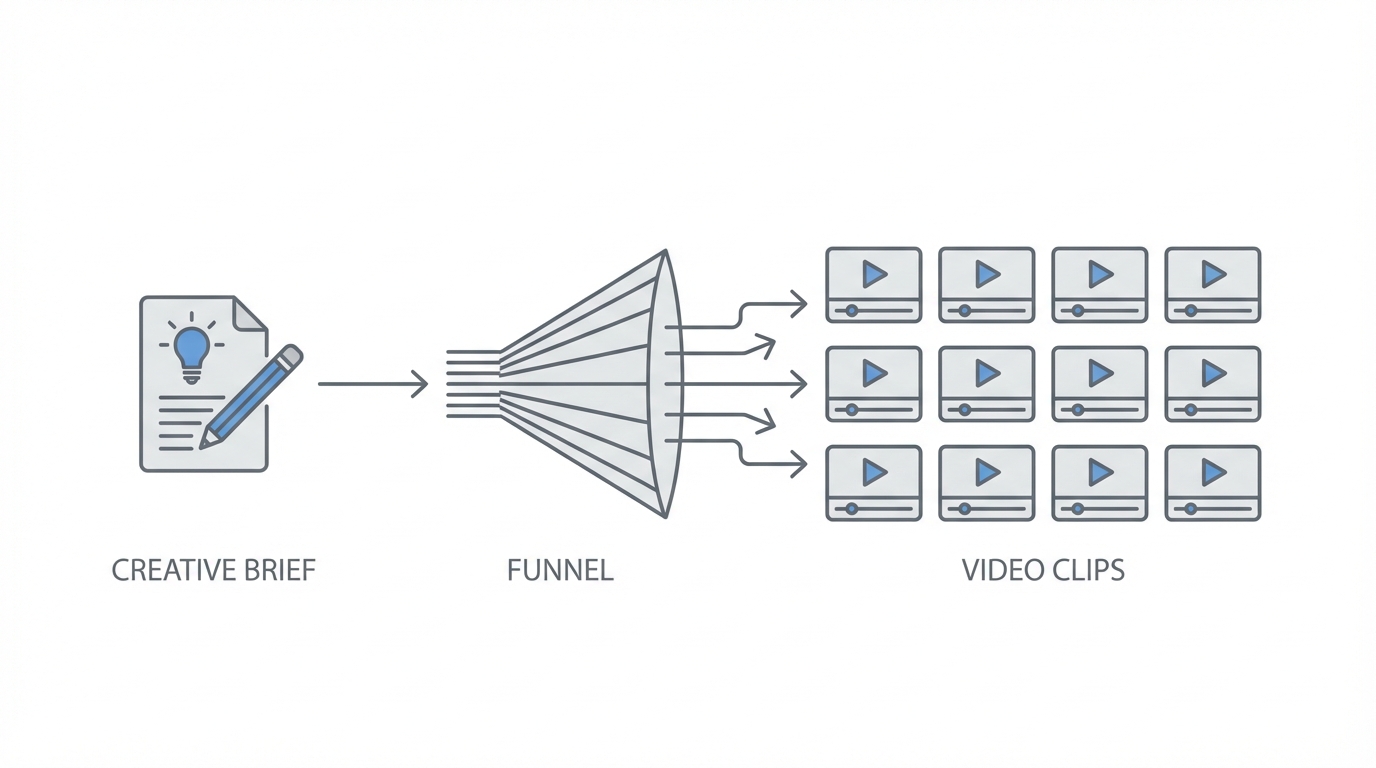
The real challenge in ugc marketing strategy isn't making one good video; it’s making fifty. Julian emphasizes that the hardest part of mobile app growth is creating volume. Ad algorithms on platforms like Meta and TikTok thrive on variety. To find a winning "winner," you often need to test 10 to 20 different hooks and variations. This is where many developers fail—they fall in love with a single creative and stop when it stops performing. To scale to $400k a month, you must build a system that treats creative like code: iterative, measurable, and constantly updated.
A successful workflow involves taking that raw $50 influencer clip and creating multiple versions of it. You might change the first three seconds (the hook), add different captions, or swap the background music. Tools like Stormy AI allow marketers to find a steady supply of UGC creators who can provide the raw ingredients for these tests. Once you have the footage, the magic happens in post-production. Julian’s team relies on simple but powerful tools like CapCut to edit their own videos, ensuring they maintain that "lo-fi" organic feel that performs so well on social media. This high-volume approach allows you to identify exactly which demographic responds to which message, allowing for surgical precision in your Apple Search Ads and social campaigns.
The Tech Stack: AI, CapCut, and Raw Footage
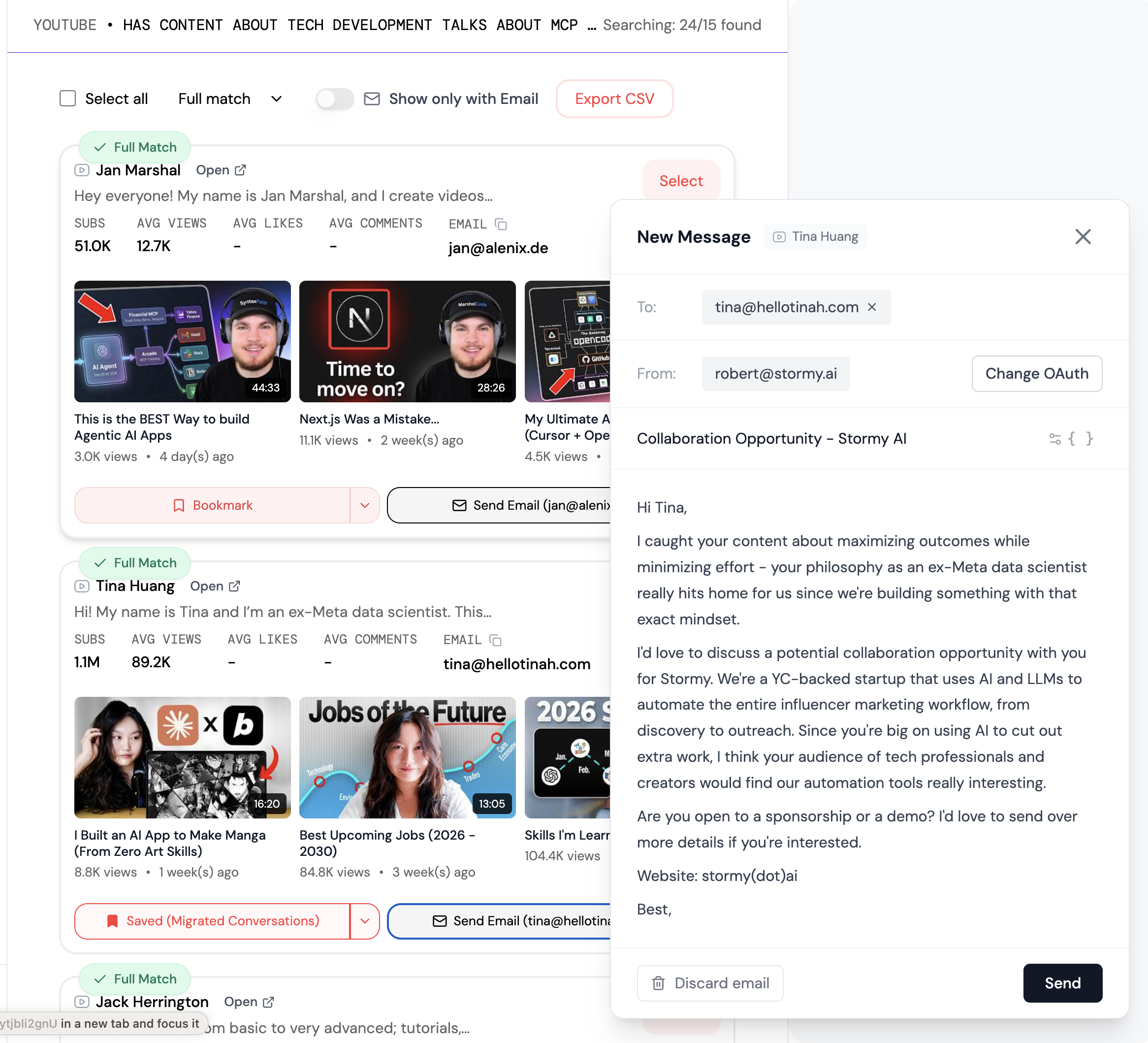
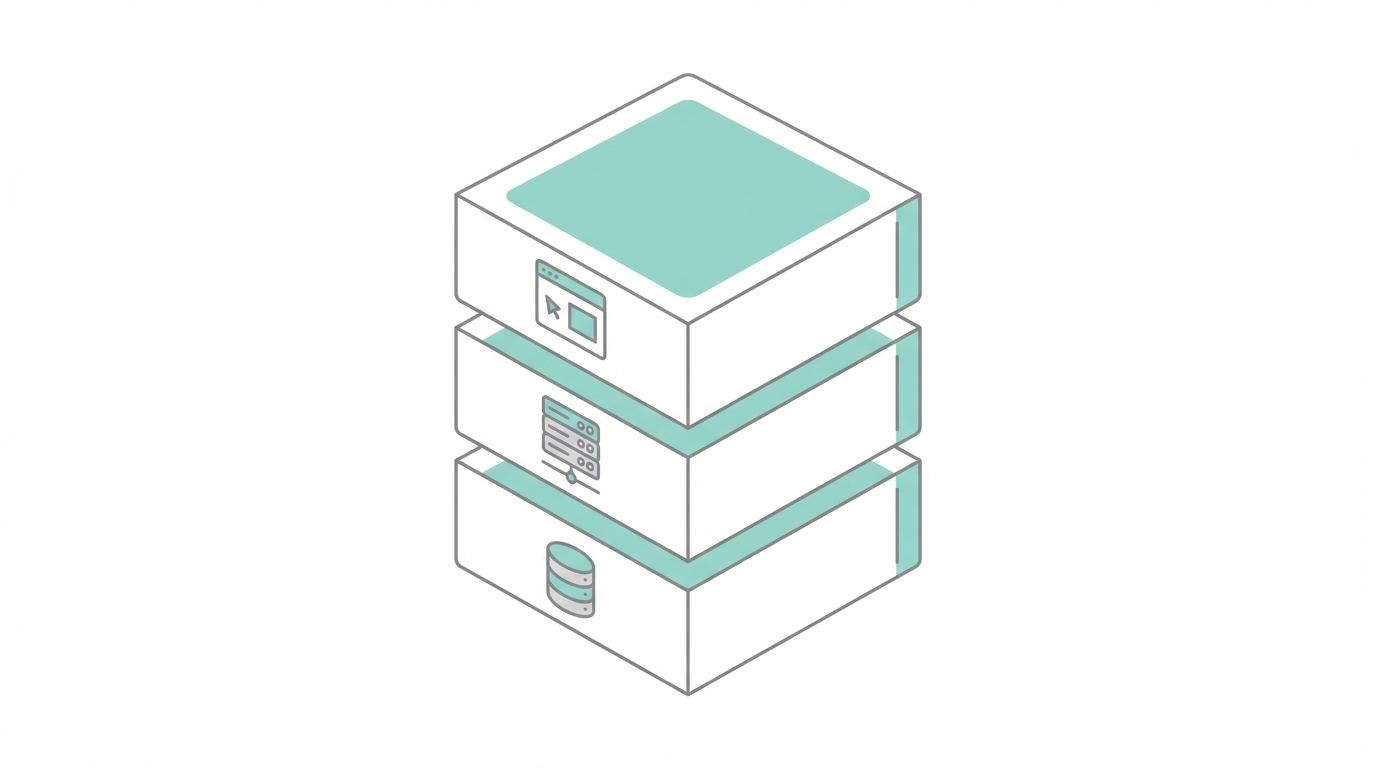
Scaling a ugc marketing strategy requires a lean but effective tech stack. Julian advocates for a "start small" mentality. You don't need an expensive agency when you have AI and modern editing tools. For Julian, AI-powered creator discovery and management are part of the broader trend of using technology to do more with less. By using AI to assist in scriptwriting and data analysis, and CapCut for the actual assembly of the ads, a single founder or a small growth team can manage a massive creative output. Stormy AI is an all-in-one platform for creator discovery and automated outreach that helps streamline this sourcing process, identifying creator emails and sending personalized messages at scale.
Julian also notes the importance of looking at what works for others. While legacy tools like Captiv8 or Tagger can be used for enterprise tracking, they often feel outdated compared to modern AI-native platforms. The Meta Ads Library is a goldmine for this. It is a public database where you can see exactly what ads your competitors are running, how long they have been active, and which creatives are likely getting the most spend. Julian’s advice is simple: copy what works. If a competitor has been running a specific UGC format for three months, it is because that ad is profitable. Don't reinvent the wheel; take the proven structure and apply it to your app using your unique value proposition and creators sourced through micro influencer outreach.
The Playbook: Creating a High-Converting UGC Ad Script
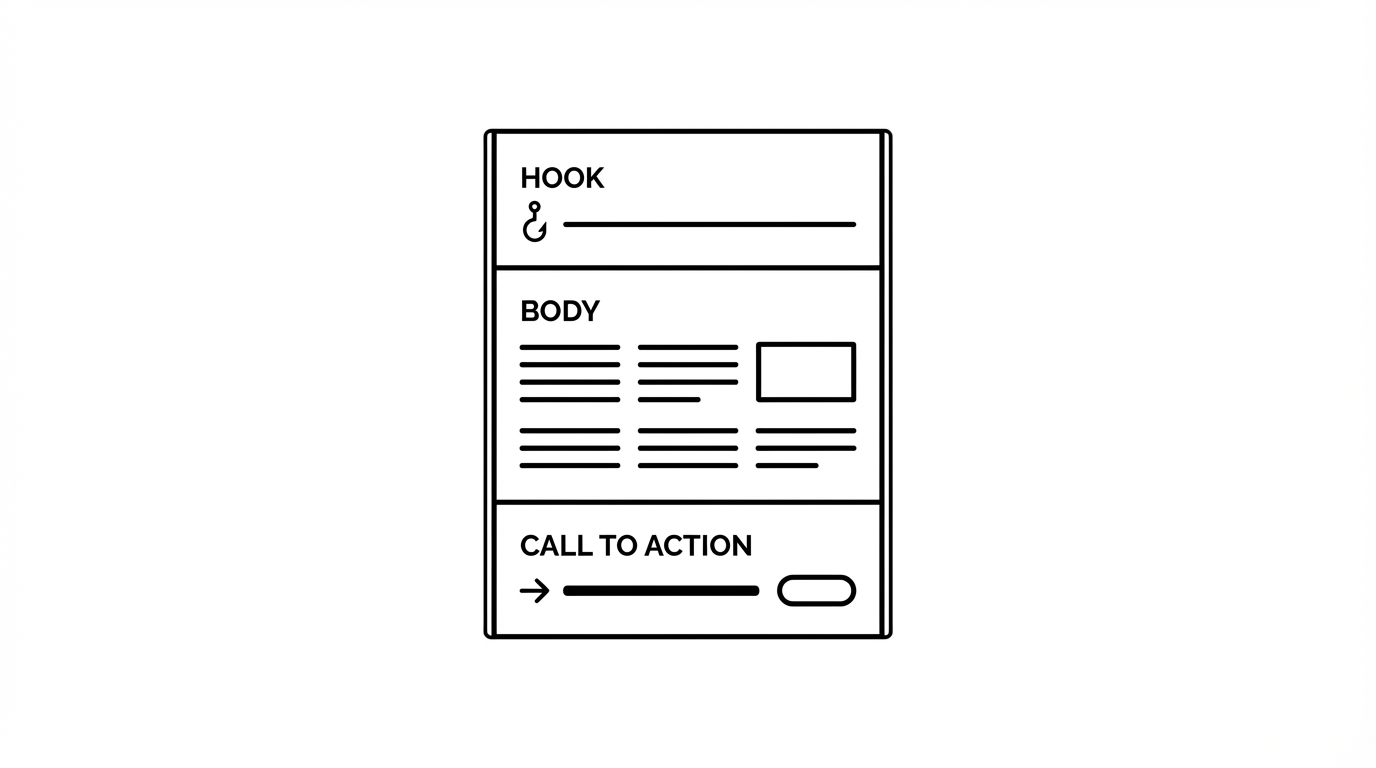
To get the most out of a $50 clip, you need to provide the creator with a structured script. Here is the exact playbook for a high-converting fitness or lifestyle UGC ad, modeled after the strategies that scaled Gravel to 70,000 subscribers.
Step 1: The 3-Second Hook
Start with a visual or verbal hook that addresses a specific pain point. For a fitness app, this might be: "I stopped going to the gym because I never knew what exercises to do." The goal is to stop the scroll immediately. The hook should feel like a personal confession or a life hack.
Step 2: The Problem and Solution
Briefly describe the struggle. Show the creator looking frustrated at the gym or confused by a spreadsheet. Then, introduce the app as the hero. "Then I found Gravel. It uses AI to build my workouts based on the equipment I actually have." This transition must be seamless and feel like a natural recommendation from a friend.
Step 3: Social Proof and Features
Show the app in action. Julian highlights that showing the UI and the "AI generation" process is a major selling point in 2025 because "AI sells right now." The creator should narrate their favorite feature while the screen recording shows how easy it is to use. Mentioning that the app has thousands of 5-star reviews or a 24/7 support chat adds the necessary trust layer.
Step 4: The Hard Call-to-Action (CTA)
End with a clear, direct instruction. "Stop wasting time at the gym and download Gravel today to get your custom plan." Ensure the CTA is visible on the screen as text throughout the final three seconds of the video.
The Path to $400k: Hustle and Iteration
Building a successful app like Gravel requires more than just good code; it requires a commitment to the hustle of marketing. Julian’s journey from posting on Reddit to managing a $50-per-clip content engine proves that influencer marketing for apps is accessible to anyone willing to put in the work. By validating your product early, leveraging micro influencer outreach, and maintaining a high volume of creative testing, you can build a sustainable growth machine.
The key takeaway from Julian’s success is that you shouldn't be afraid to start small. Use tools like Stormy AI to find your first batch of creators, vet them for fake followers, spend that first $50, and start testing. As you find winning creatives, reinvest your profits back into your ad spend. Mobile app success in 2025 isn't about having the biggest budget; it’s about having the most efficient ugc marketing strategy. Stay proud of what you build, keep pushing through the iterations, and remember that in the world of apps, the best creative always wins.