For decades, the traditional agency model was a linear trap: to grow revenue, you had to grow headcount. Scaling meant more managers, more meetings, and more overhead, often leading to diminishing margins. However, a new paradigm is emerging in 2025. By leveraging an AI agency business model, modern firms are transforming manual workflows into proprietary technology products. This shift from high-touch consulting to tech-enabled services growth allows founders to capture massive upside without the logistical nightmare of a massive staff. Leading the charge are entities like Boring Marketing and LCA (Late Checkout Agency), which have demonstrated how to unbundle traditional services into high-margin software solutions.
The AI-Assisted SEO Framework: Moving Beyond Manual Content
The core of the AI-assisted SEO strategy lies in replacing the expensive, slow process of manual keyword research and content writing with agentic workflows. In the old school of marketing, SEO was a volume game played by human writers. Today, tools and proprietary technology are being used to outrank competition by analyzing search intent and generating high-quality content at a fraction of the cost. At Boring Marketing, the secret sauce is a set of AI-driven technologies that help businesses rank higher on Google without relying on traditional ad spend or manual labor.
This framework doesn't just automate writing; it automates the strategic decision-making process. By using AI to identify gaps in a competitor's profile, agencies can deploy "sprints" that deliver results faster than any human-only team. For instance, offering a 30-day sprint with a money-back guarantee is only possible when you have the technological confidence to back up your claims. This transition allows an agency to move from being a "vendor" to becoming a technology partner that provides a predictable, scalable ROI.
Unbundling the Agency: From Consulting to Self-Serve SaaS
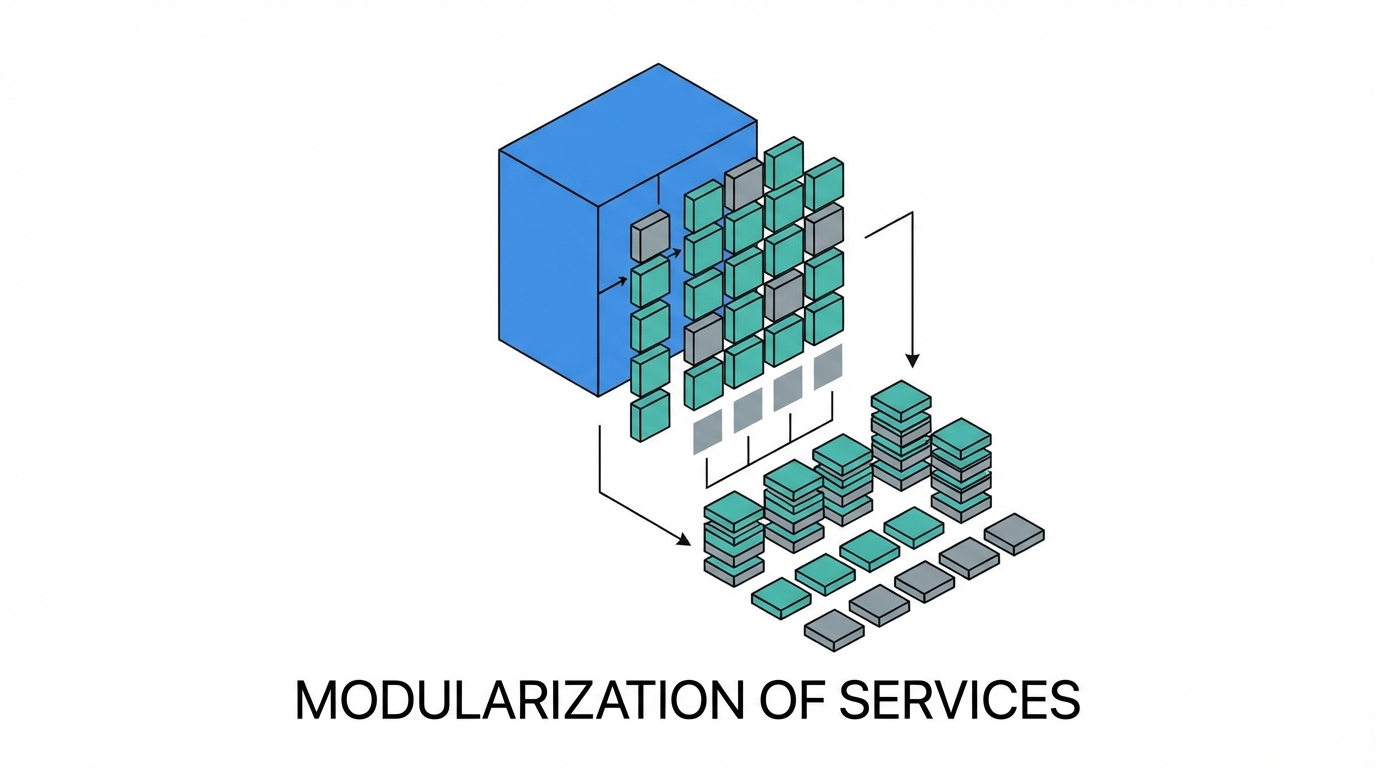
One of the most powerful ways to scale a marketing agency with AI is through "unbundling." This involves identifying specific, high-value tasks within a consulting engagement and turning them into standalone SaaS products. In 2024, many agencies realized that clients often don't want the full suite of services; they want the underlying tools to empower their own internal teams. By unbundling a service into a product like Boring Ads, agencies can serve a wider market of businesses that have their own marketing departments but lack specialized AI infrastructure supported by platforms like Stripe for subscription billing.
As agencies develop these internal tools, they often find that the product itself becomes the lead magnet. For example, Boring Ads scaled by helping billion-dollar brands manage over $100 million in ad spend through AI-assisted creative analysis. This evolution from a service-first model to a product-first model creates a flywheel effect: consulting informs the product development, and the product drives high-margin recurring revenue.
The Equity-for-Services Model: Partnering for Long-Term Upside
Traditional agencies are paid in cash, but the most successful modern agencies are increasingly demanding equity. This is particularly effective when working with multi-billion dollar companies. By offering design or AI-integration services to giants like Nike, Dropbox, or Shopify, firms like LCA can cover their costs with cash while securing long-term upside through equity stakes. This SaaS product unbundling and partnership strategy aligns the agency's success directly with the client's growth.
When you build a new AI product for a global brand, you aren't just a freelancer; you are an incubation partner. This model is especially potent in the AI era because enterprises are desperate for AI interfaces and community-based products but lack the agility to build them in-house. By taking a stake in these projects, agencies build a robust portfolio of private equity that can lead to life-changing liquidity events, similar to how early investors in Apple or Amazon saw their net worths explode during market rips.
Skyscrapers vs. Strip Malls: The Power of Brand Focus
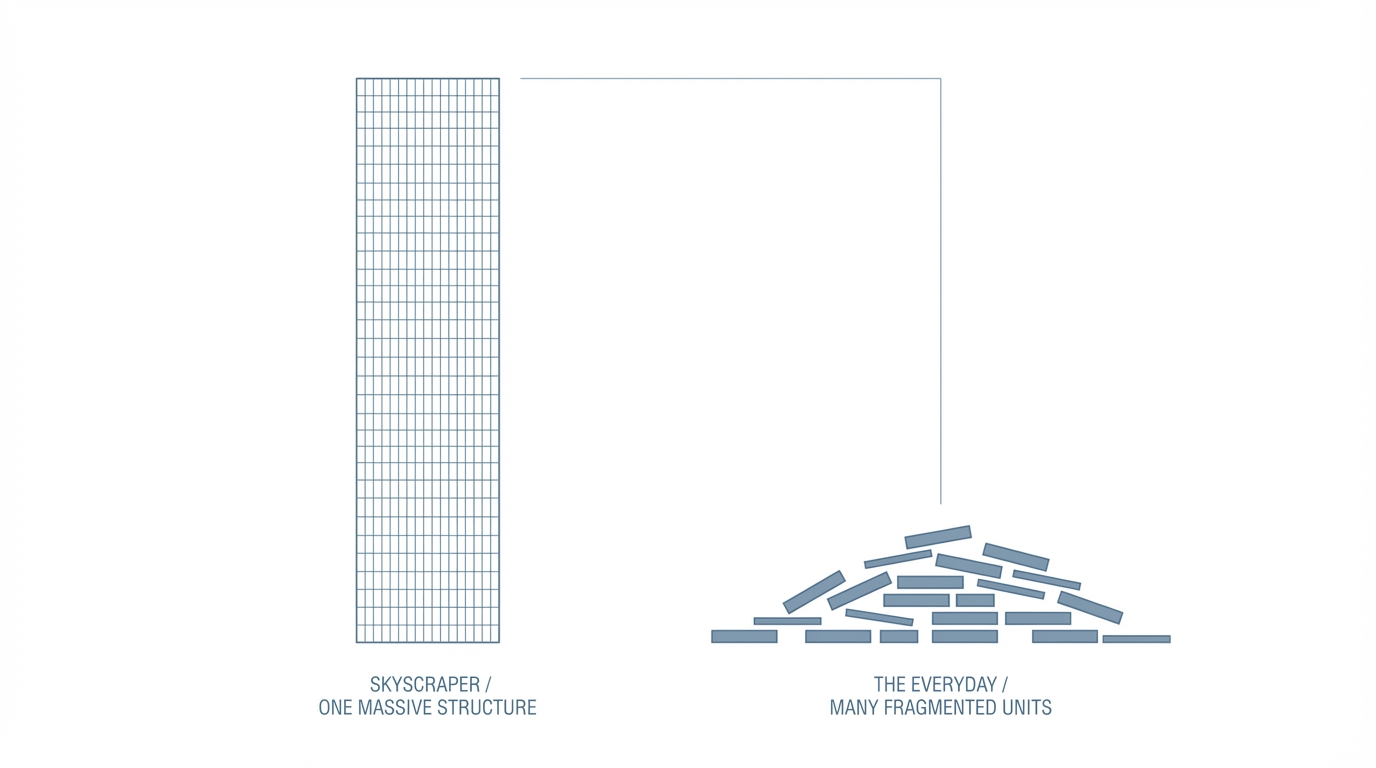
A common mistake in the agency world is trying to do too many things for too many people—a strategy referred to as building "strip malls." A strip mall consists of many small, low-value businesses that require constant management. Instead, the focus should be on building skyscrapers: focusing on a few high-value brands and scaling them vertically. This philosophy emphasizes simplification over diversification. By doubling down on what works, such as an AI-powered influencer discovery tool or a specialized SEO service, founders can reduce their mental load while increasing their enterprise value.
To manage these high-value relationships efficiently, modern agencies use sophisticated Creator CRMs. For example, platforms like Stormy AI can help source and manage UGC creators at scale, allowing a lean team to manage hundreds of influencer relationships without a corresponding increase in headcount. This type of AI-powered creator discovery is essential for agencies looking to dominate the mobile app marketing and app install campaign space, where user-generated content is the primary driver of growth.

Implementing AI Agents: Reducing Headcount, Increasing Quality
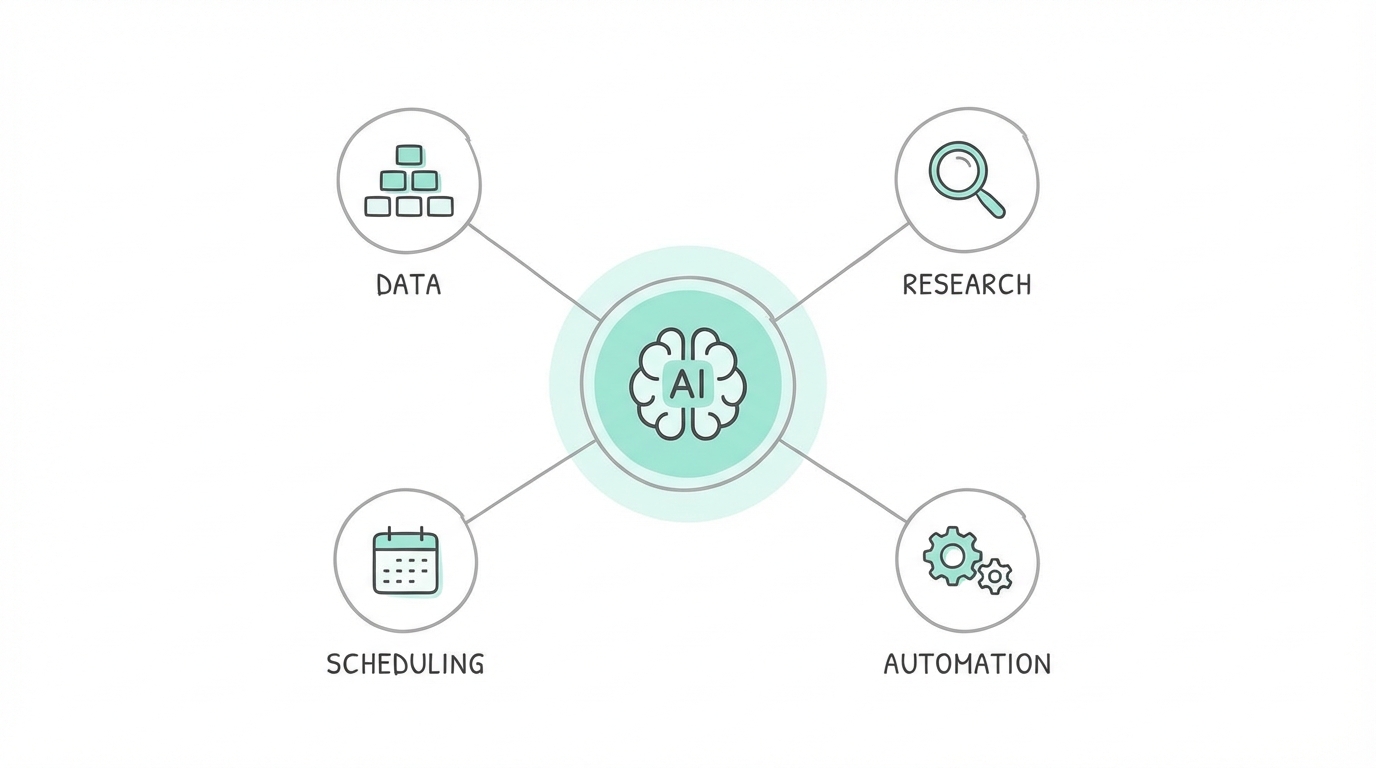
The ultimate goal of a tech-enabled agency is to use AI agents to handle repetitive tasks. Whether it is automated email outreach, data entry, or content scheduling, agents allow an agency to function with a fraction of the traditional staff. This doesn't just save money; it improves quality by removing human error from the equation. However, implementing agents requires checks and balances. As many founders learned in 2024, remote work environments still require rigorous oversight to ensure that automated numbers and financial data remain accurate.
When implementing these agents, it is helpful to use the "Day Zero Integrity Test": give a small task with unclear instructions to see if the system (or the person managing it) asks the right questions or simply guesses. This helps in vetting both human teammates and the AI workflows you build. For outreach, using an AI agent like those found in Stormy AI can handle daily discovery and follow-ups with creators on a schedule, ensuring your influencer marketing pipeline never runs dry while you focus on high-level strategy.
Operational Excellence: The Friday Afternoon Test

Scaling successfully requires more than just technology; it requires disciplined operations. One effective technique is the Friday Afternoon Test: only make big strategic decisions when you are tired and ready for the weekend. If a decision still feels right when your energy is low, it’s likely a solid move. This prevents impulsive, coffee-fueled pivots that can derail a growing company. Furthermore, simplifying your productivity stack—moving from bloated tools like Notion to streamlined apps like Apple Notes or Things—can provide the mental clarity needed to manage a multi-million dollar portfolio.
Ultimately, the transition from a service-based agency to a tech-enabled holding company is about leverage. By investing in technology, focusing on "skyscrapers," and utilizing AI agents, you can build a business that is not only more profitable but also more enjoyable to run. Whether you are scaling a Startup Empire or a niche marketing firm, the goal is to create enterprise value that exists independently of your own billable hours.
Conclusion: The Future is Tech-Enabled
In 2025 and beyond, the most successful agencies will be those that act like software companies. By unbundling services into SaaS, utilizing AI-assisted SEO strategies, and focusing on high-margin partnerships, you can break the linear growth trap. Remember to prioritize operational simplicity and use AI agents to handle the heavy lifting of discovery and outreach. The iron is hot for those ready to strike—now is the time to turn your services into software and build a business that scales as fast as the technology driving it.