In 2026, the ecommerce landscape has moved far beyond simple dashboarding. We are now firmly in the era of Agentic Commerce, where attribution isn't just about looking at what happened—it's about enabling AI teammates to make decisions in real-time. For Shopify brands, the choice between Triple Whale and Northbeam has become the most critical decision in their tech stack. With the global ecommerce analytics market hitting $30.32 Billion this year, according to Coherent Market Insights, the stakes for data accuracy have never been higher.
As an ecommerce founder, you aren't just looking for pretty charts. You're looking for a "source of truth" that allows your team—and your AI employees like Stormy AI—to scale spend without flying blind. This guide breaks down the 2026 reality of both platforms, their shifts toward predictive modeling, and which one fits your brand's specific revenue tier and operational complexity.
The State of Ecommerce Analytics in 2026
The "Post-Cookie" world is no longer a future threat; it is our daily reality. Standard reporting from Meta Ads Manager and Google Ads has become notoriously unreliable, often undercounting or over-attributing based on their own biased pixels. This has driven a CAGR of 17.9% in the analytics sector, as reported by Coherent Market Insights.
In this high-stakes environment, brands are moving away from retrospective data ("What happened last week?") and toward predictive intelligence ("What will happen if I increase my YouTube budget by 20%?"). This shift has forced both Triple Whale and Northbeam to evolve into full-scale operating systems. While Triple Whale now tracks over $82 Billion in annual revenue across 50,000+ brands, Northbeam has carved out a dominant position among high-spend brands, tracking billions in ad spend for omnichannel giants.
"AI is no longer experimental; it's how brands protect margins. Brands need real-time strategic advisors, not just data tools." — AJ Orbach, CEO of Triple Whale, via Retail Today.
Triple Whale: The Shopify Operator's Cockpit
Triple Whale has solidified its position as the go-to "all-in-one" OS for Shopify brands. Its core philosophy centers on actionability and simplicity. In 2026, the introduction of Moby Agents has transformed the platform from a dashboard into an active participant in the business. These AI agents can execute tasks like rebalancing budgets based on yesterday's profitability or flagging "Creative Fatigue" when a specific video's ROAS drops 20% below its 30-day average.
Triple Whale's recent acquisition of Anteater in early 2026 has also given it a unique edge in AI Visibility. As PR Newswire reports, LLM-referred orders (from ChatGPT, Perplexity, and AI Overviews) grew 60x year-over-year. Triple Whale now allows brands to see how they are mentioned in AI responses and link those mentions directly to revenue—a process now called AI Engine Optimization (AEO).
Triple Whale Key Features:
- Total Impact Model: A blended view that helps find winning ads by looking at the cumulative effect of all touchpoints.
- Creative Analytics: Deep-dive data into which specific hooks and visual styles are driving conversions.
- Mobile App: The industry-leading mobile interface for founders to check MER (Marketing Efficiency Ratio) on the go.
- 1-Day Setup: A plug-and-play Shopify app that typically goes live in under 24 hours.
For brands like SFERRA, this visibility led to a 3x increase in ROAS and over $300,000 in incremental revenue by leveraging Triple Whale's attribution modules, as cited in Triple Whale's case studies.
Northbeam: The Analyst's Engine for Scale
If Triple Whale is the cockpit for the operator, Northbeam is the engine room for the growth analyst. Northbeam's philosophy is rooted in mathematical depth and platform agnosticism. While Triple Whale is built specifically for the Shopify ecosystem, Northbeam works seamlessly with BigCommerce, Magento, and custom headless stacks.

In 2026, the standout feature is Northbeam Apex, an AI optimization layer that feeds first-party attribution data back into ad platforms. This bypasses pixel limitations and helps Meta Ads and Google Ads algorithms learn faster using accurate data. Furthermore, Northbeam's launch of Automated Incrementality allows brands to run geo-holdout tests without manual spreadsheets, providing a clearer picture of true revenue lift.
"Neither tool is a 'source of truth.' Triple Whale wins on operator UX; Northbeam wins on model sophistication and underlying math. Picking the wrong one wastes $12,000 a year." — Dror Aharon, CEO of CorePPC.
Brands like HexClad have used Northbeam to maintain a hard MER while scaling ad spend significantly across fragmented channels like TikTok Ads, Connected TV (CTV), and podcasts. By utilizing Northbeam as a single source of truth for top-of-funnel strategies, HexClad achieved 150% growth for consecutive years, according to Northbeam's official data.
The 2026 Comparison Matrix
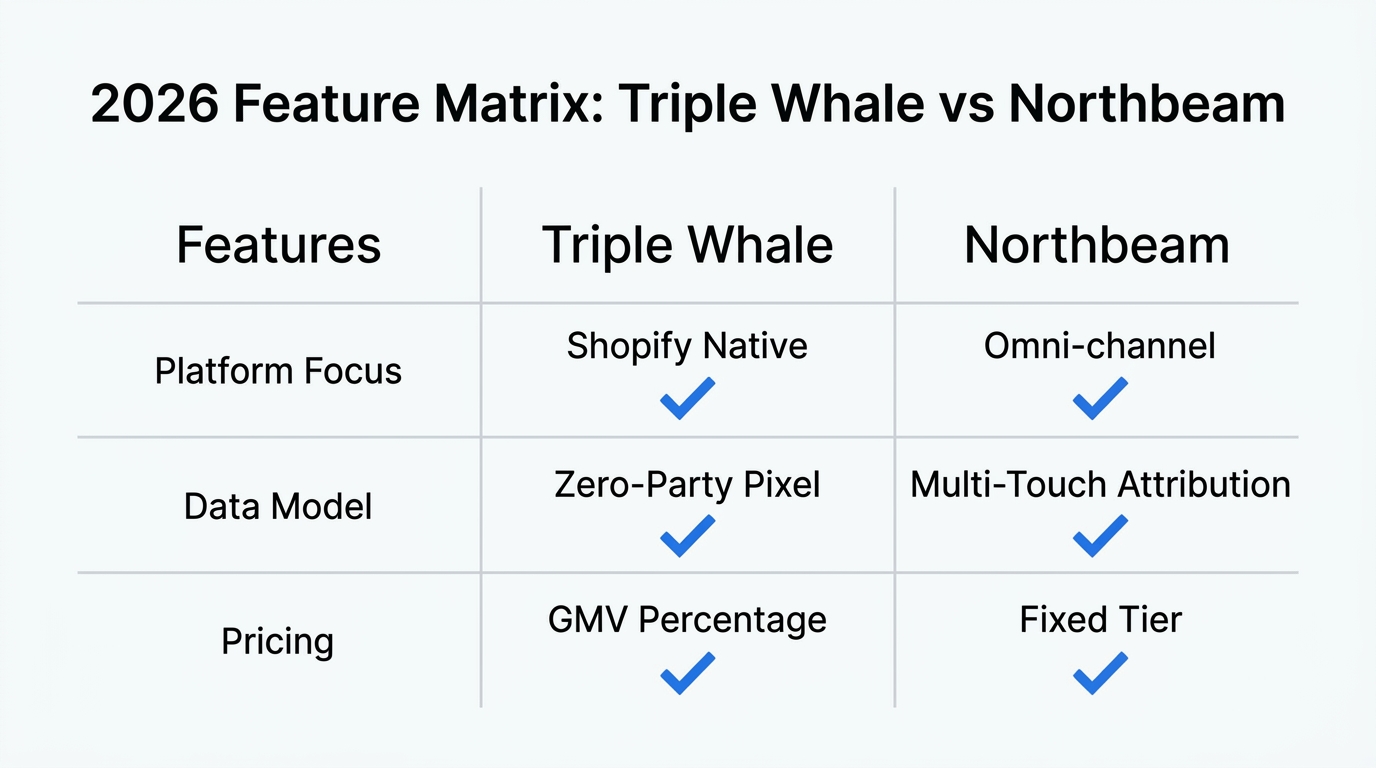
Choosing between these two depends heavily on your technical resources and channel mix. Below is a breakdown of how they stack up in the current 2026 market.
| Feature | Triple Whale | Northbeam |
|---|---|---|
| Ideal Revenue Tier | $1M – $40M GMV | $40M+ Omnichannel |
| Pricing Model | Revenue/GMV-Based | Data Volume / Pageviews |
| Platform Support | Shopify & Headless | Platform Agnostic |
| Implementation | < 24 Hours (App Store) | 1–2 Weeks (Technical Onboarding) |
| Data Refresh | Real-time Dashboards | 4x daily to Hourly |
| Core Strength | Simplicity & AI Agents | Accuracy & MMM Depth |
A key differentiator in 2026 is the Pricing Trap. Triple Whale’s entry-level tiers often exclude Creative Analytics and Post-Purchase Surveys, while Northbeam’s starter tier may exclude the advanced Media Mix Modeling (MMM+) required for high-spend efficiency, as noted by analysts at CorePPC and AdManage.ai.
The Pricing Showdown: GMV vs. Pageviews
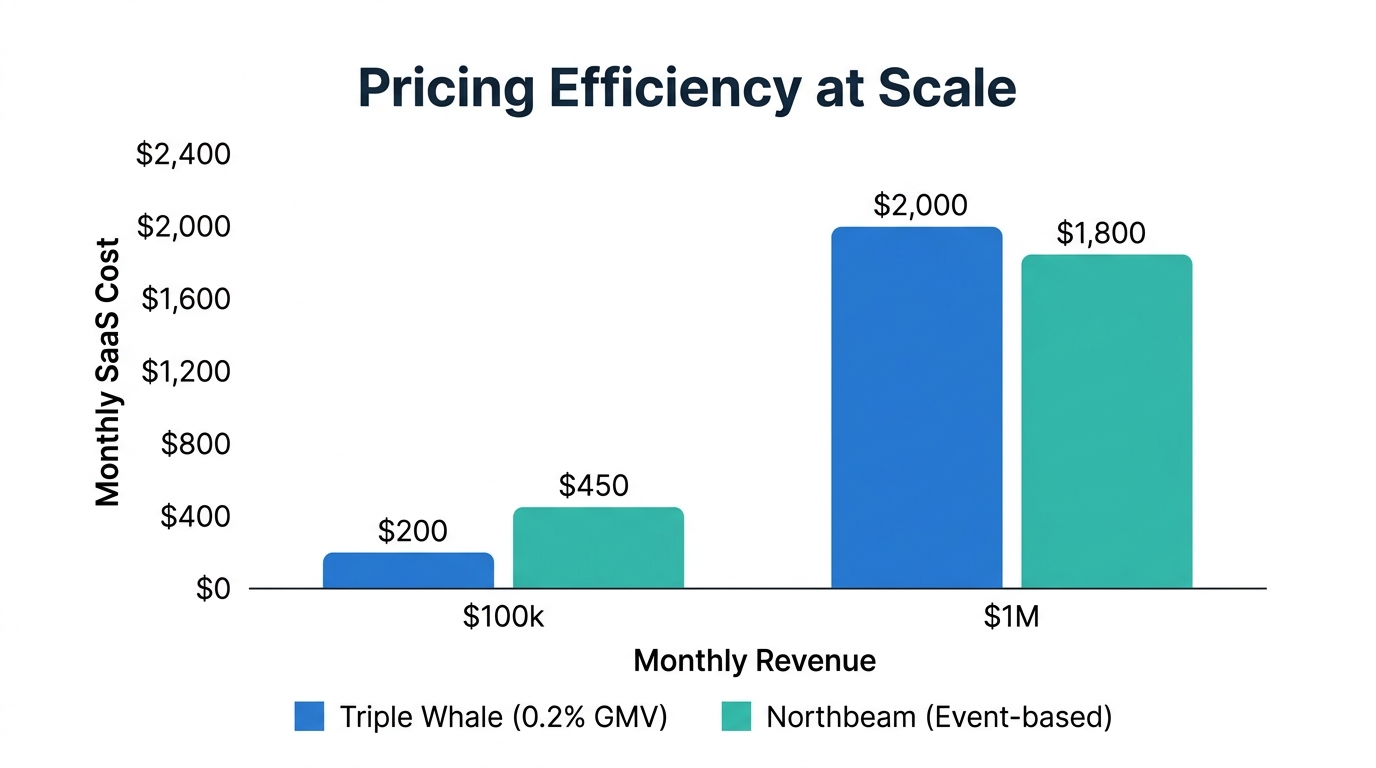
One of the most debated topics for Shopify brands is the shift in pricing models. High AOV brands—those selling luxury goods or expensive electronics—often find Triple Whale's GMV-based pricing frustrating. If you sell a $1,000 item, your revenue grows quickly, pushing you into higher Triple Whale tiers, even if your traffic volume is low.
Conversely, Northbeam scales with Pageviews and Data Volume. This makes it significantly more cost-effective for high-ticket brands that have lower traffic but high revenue. On the flip side, high-volume, low-margin brands (like fast fashion or consumables) might find Northbeam's pageview model prohibitively expensive, making Triple Whale the more logical choice.
| Monthly GMV | Triple Whale Est. Cost | Northbeam Est. Cost |
|---|---|---|
| $100k | $129 | N/A (Minimum is higher) |
| $1M | $600 | ~$1,500 |
| $5M | $1,129 | ~$4,500 |
As Conjura points out, the "cost of knowing" must be balanced against the margin of the products being sold. For a mid-market brand, Triple Whale provides a balanced cost-to-value ratio, whereas Northbeam's price is a premium investment for precision.
The "Great Conversion Wars": Why Accuracy is Directional
Experts across the industry, including those at Sinuatemedia, warn that no tool is a 100% accurate "source of truth." In 2026, we still see a massive data mismatch between platforms. Meta might report 16 conversions, Google 22, and Shopify only 19 for the same period.
Triple Whale’s "Total Impact" model has been criticized for occasional over-counting. If a customer clicks a Meta ad and then a Google search ad, both channels might receive credit in certain views, leading to an inflated sense of security. Northbeam’s modeling is more conservative but often requires a skilled analyst to interpret the cohort data. According to SegmentStream, Northbeam’s sophistication can become a liability if the brand doesn't have the internal talent to act on the insights.
How Stormy AI Completes the Attribution Loop
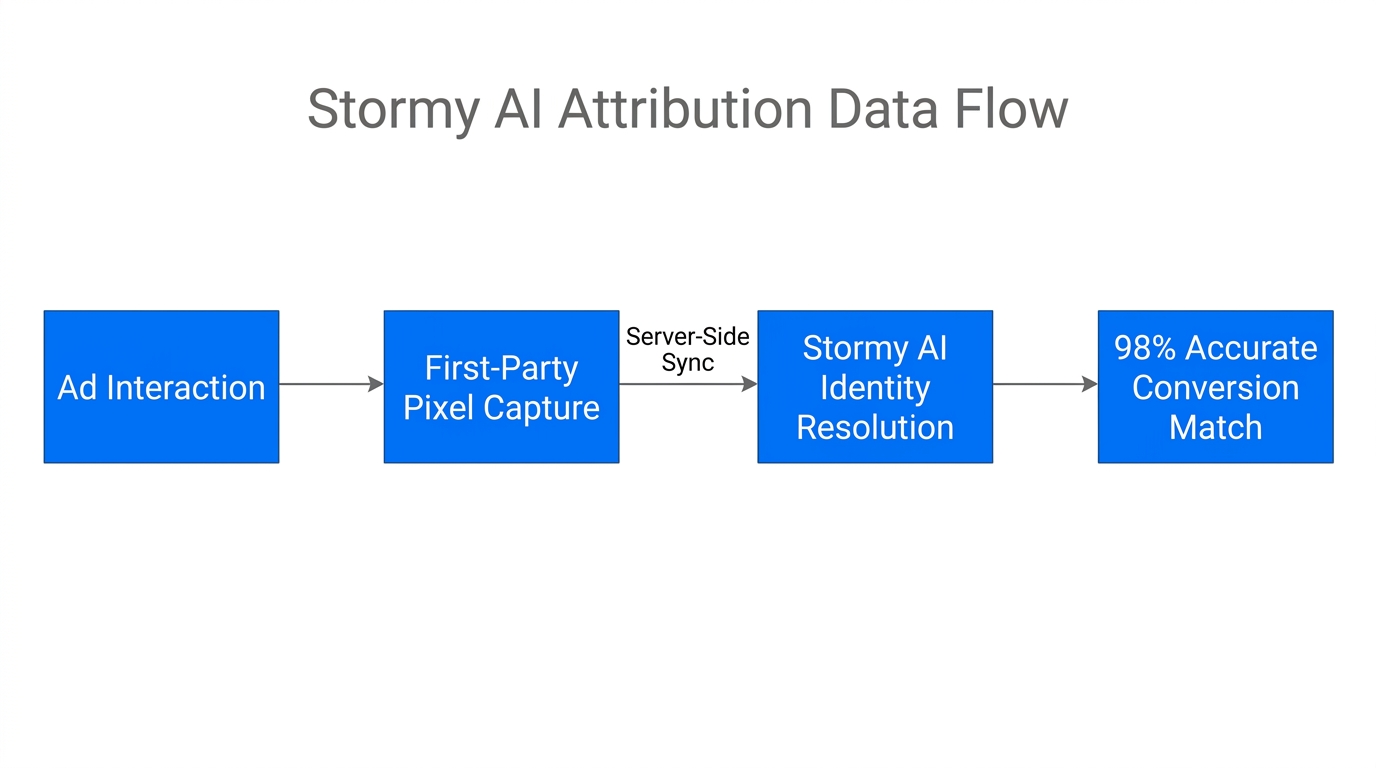
Whether you choose Triple Whale or Northbeam, the data is only useful if someone—or something—acts on it. This is where an AI ecommerce employee like Stormy AI comes in. While your attribution tool identifies which channel is working, Stormy AI handles the execution of that insight in the background.
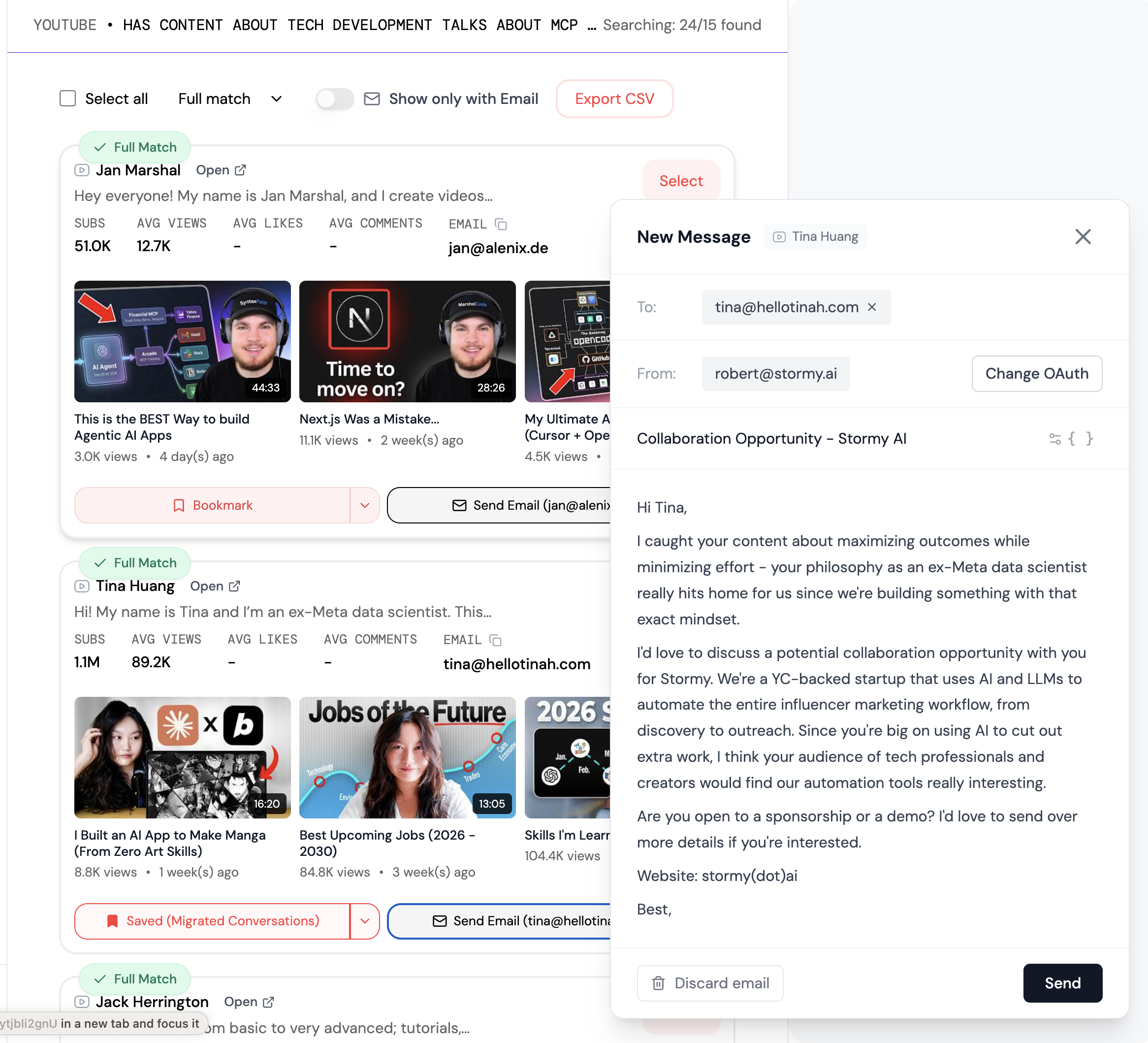
For example, if Northbeam flags that your YouTube influencer campaign is driving high-quality top-of-funnel traffic, you can ask Stormy AI to discover 50 similar creators, draft personalized outreach emails, and manage the follow-ups in a CRM. If Triple Whale flags an inventory stockout risk for a trending SKU, Stormy AI can automatically draft a reorder email to your supplier and update your internal spreadsheet using tools like Klaviyo or Gorgias.
The 2026 Recommendation Playbook
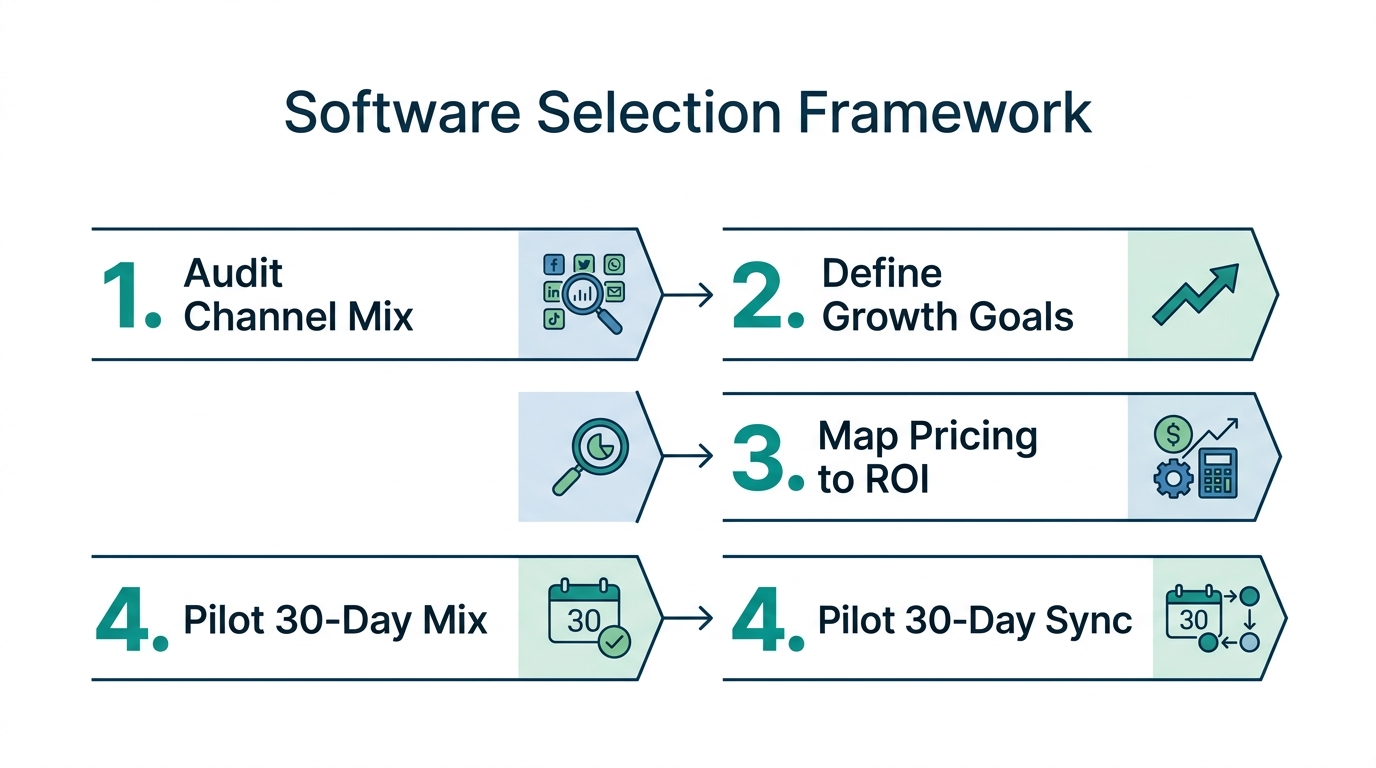
Based on current market data from Attn Agency and growth benchmarks, here is our 2026 recommendation:
Choose Triple Whale if:
- You are a Shopify-exclusive brand with $1M – $40M in annual revenue.
- You have a lean team and need a mobile-friendly "all-in-one" to check Net Profit and MER daily via the Apple App Store.
- You want to leverage AI agents (Moby) to automate creative flagging and budget alerts without a dedicated analyst.
- You are investing heavily in AI Visibility (AEO) and want to track LLM-driven revenue.
Choose Northbeam if:
- You are an Omnichannel brand ($40M+ GMV) with spend distributed across Connected TV, YouTube, Podcasts, and retail.
- You have a dedicated Growth Analyst or data team to build and interpret complex fractional attribution models.
- You have a High AOV ($250+) product where pageview-based pricing is more efficient than GMV-based pricing.
- You need Platform Agnostic support for a custom headless site or multiple storefronts (BigCommerce/Magento).
Regardless of your choice, the future of ecommerce belongs to those who own their first-party data. By 2026, the brands winning the "Conversion Wars" are those using advanced attribution to feed their ad algorithms and using AI employees like Stormy AI to execute on those insights at scale. Don't get stuck in the manual reporting trap—let the machines handle the math while you focus on the vision.