The year 2026 has marked a definitive end to the era of passive dashboards. For years, ecommerce founders spent 10 to 15 hours a week manually triangulating data between Shopify, Meta, and Google Ads. Today, that manual labor is being replaced by agentic intelligence. In a market valued at over $30.32 Billion, the winners are no longer the ones with the prettiest charts, but those who deploy AI employees to act on those charts in real-time. Whether you are scaling a lean DTC brand or managing an omnichannel empire, this guide provides a tactical playbook for using Triple Whale Moby Agents to automate your ad spend and protect your margins.
The Death of the Passive Dashboard: Why Agents Are Winning
In 2026, the global ecommerce landscape has shifted. We have moved from "showing what happened" to "executing what should happen next." According to research from Quantumrun, 84% of ecommerce businesses now rank AI as their top technology priority. The primary reason? The "Context Gap." Knowing your ROAS is 3.0 is useless if you don't have an agent ready to scale the budget before the daily trend resets.
While Triple Whale remains the dominant ecommerce attribution software with a 57% adoption rate among mid-market brands, it is the introduction of Moby Agents that has fundamentally changed the media buyer's role. Instead of clicking buttons in Meta Ads Manager, 2026's top marketers act as "Agent Managers," overseeing a fleet of AI teammates that handle the heavy lifting.
"AI is no longer experimental; it's how brands protect margins. In 2026, we’ve moved from showing you what happened to being a real-time strategic advisor." — AJ Orbach, CEO of Triple Whale
Overcoming the 30-40% Attribution Gap with Triple Pixel
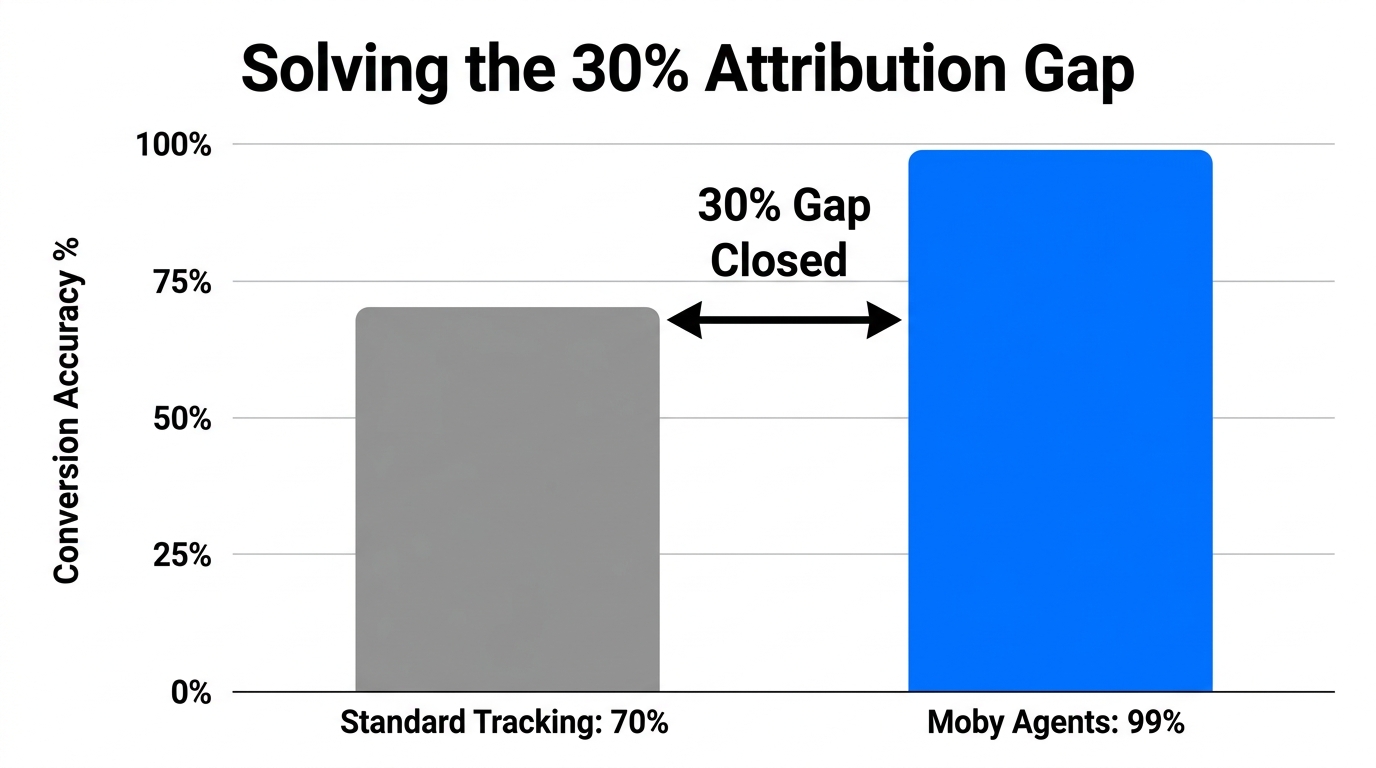
The final death of third-party cookies and the rollout of advanced privacy features have left traditional pixel-based tracking 30-40% less accurate than it was just a few years ago. This data crisis has forced a shift toward server-side tracking (CAPI) and first-party data ecosystems. The Triple Pixel is the foundation of this shift, capturing customer journeys across TikTok Shop, Amazon, and web storefronts.
By using the Triple Pixel, brands can move beyond the "Attribution Lie." Many legacy platforms over-credit retargeting ads, leading brands to scale campaigns that don't actually drive incremental revenue. In contrast, 2026 performance marketing relies on Media Mix Modeling (MMM) and first-party tracking to ensure that every dollar spent is actually finding new customers.
Triple Whale Moby Agents Tutorial: Configuring Real-Time Anomaly Detection
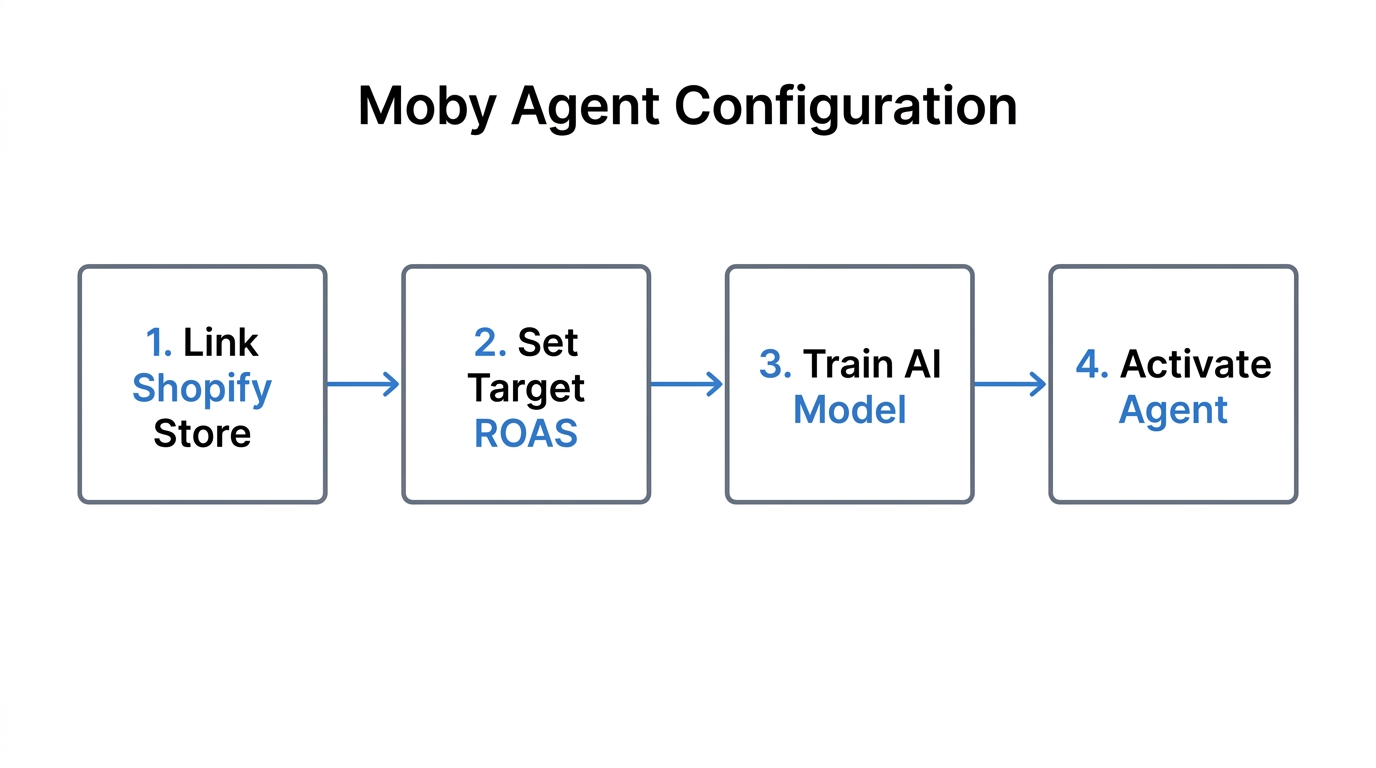
The core of Shopify ad automation 2026 is anomaly detection. You cannot afford to wait for a weekly report to see that a high-spend Meta ad set has a spiked CAC. Here is how to configure Moby to handle this autonomously:
- Open the Moby Command Center: Navigate to the "Agents" tab in your Triple Whale dashboard.
- Define Your Guardrails: Select the "Anomaly Detection" template. Set a specific threshold—for example, "If CAC exceeds $45 and spend is over $200 in a 24-hour window."
- Assign Actions: Don't just set an alert. Instruct Moby to automatically pause the ad set or reduce the daily budget by 50%.
- Establish Business Context: Use the conversational interface to tell Moby about your goals. For instance: "Prioritize new customer acquisition over total ROAS for the next 48 hours during our flash sale."
While Moby optimizes your paid spend, an AI ecommerce employee like Stormy AI handles the rest of the operation. While Moby watches the pixels, Stormy AI monitors inventory levels and flags stockout risks in your shared spreadsheet, ensuring you don't pump ad spend into a product that is about to go out of stock.
Automated Ad Spend Allocation: Moving Funds Based on LTV and MER
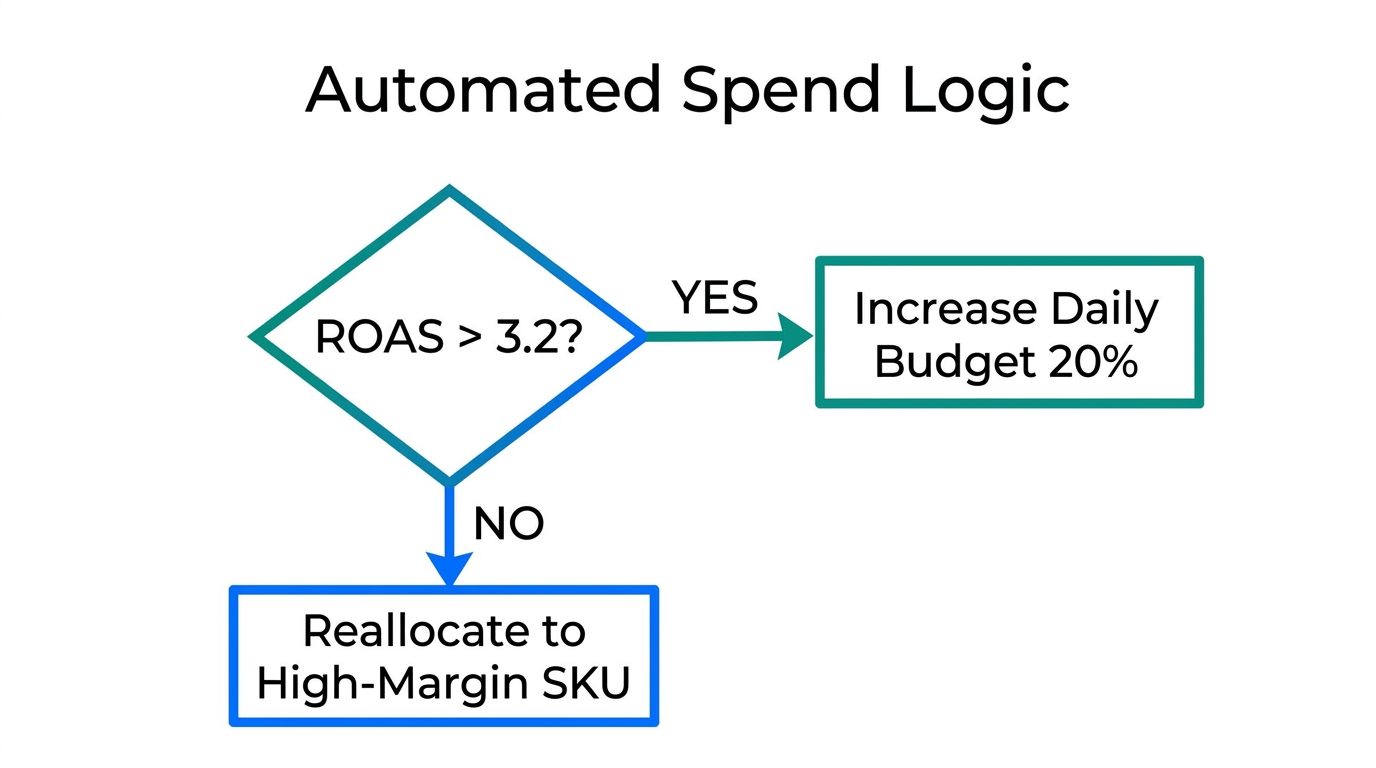
In 2026, automated ad spend allocation is driven by Marketing Efficiency Ratio (MER) and Lifetime Value (LTV) signals, not just last-click ROAS. During BFCM 2025, Meta's ad spend share dropped to 67.6%, while TikTok grew by 23.6%. To stay competitive, you must move budget to where the momentum is.
Using Moby, you can set a rule that triggers a budget shift from Meta to TikTok Ads whenever your TikTok ROAS exceeds your Meta ROAS by 20% for three consecutive days. This allows your brand to ride viral waves on social platforms without manual monitoring.
| Metric | 2024 Benchmark | 2026 AI-Optimized Goal |
|---|---|---|
| Reporting Time | 10-15 Hours / Week | < 30 Minutes / Week |
| Attribution Accuracy | 60-70% (Cookie-based) | 90%+ (1st Party + AI) |
| Budget Waste (Low ROAS) | 15-20% | < 5% |
This level of efficiency isn't limited to ads. Stormy AI can track creator affiliate posts, refresh your influencer leaderboard, and send follow-ups to creators who haven't posted yet—all while Moby scales the winning content as whitelisted ads.

"The winners in 2026 won't be those who spend the most, but those who build genuine trust and prioritize profitability over growth-at-all-costs." — Rytis Lauris, CEO of Omnisend
Amazon Ads AI Optimization: Bridging the Shopify-Amazon Divide
For omnichannel brands, the biggest headache is seeing the full picture. Amazon Ads AI optimization in 2026 requires more than just looking at ACOS. You need to understand how your Shopify-driven social ads are impacting your Amazon "halo effect."
Triple Whale tracks over $82 Billion in annual ecommerce revenue, providing a cross-platform view that most individual ad managers lack. By connecting Amazon Ads to your Moby Agent, you can detect when a surge in TikTok spend leads to a 15% increase in Amazon organic search, allowing you to scale top-of-funnel ads even when the direct ROAS looks lower.
Protecting Margins: Coupon Fraud and Incrementality
Scaling isn't just about spending more; it's about spending smarter. One of the most significant features released in the 2025 Moby launch was the ability to detect non-incremental checkout behavior. Tools like Honey and Capital One Shopping often scrape discount codes and apply them to users who were already going to purchase at full price.
By identifying these non-incremental sales, Moby ensures your ad algorithms aren't being trained on low-value, discount-seeking traffic. This keeps your CAC stable and your margins healthy.
Strategic Choice: Triple Whale vs. Stormy AI
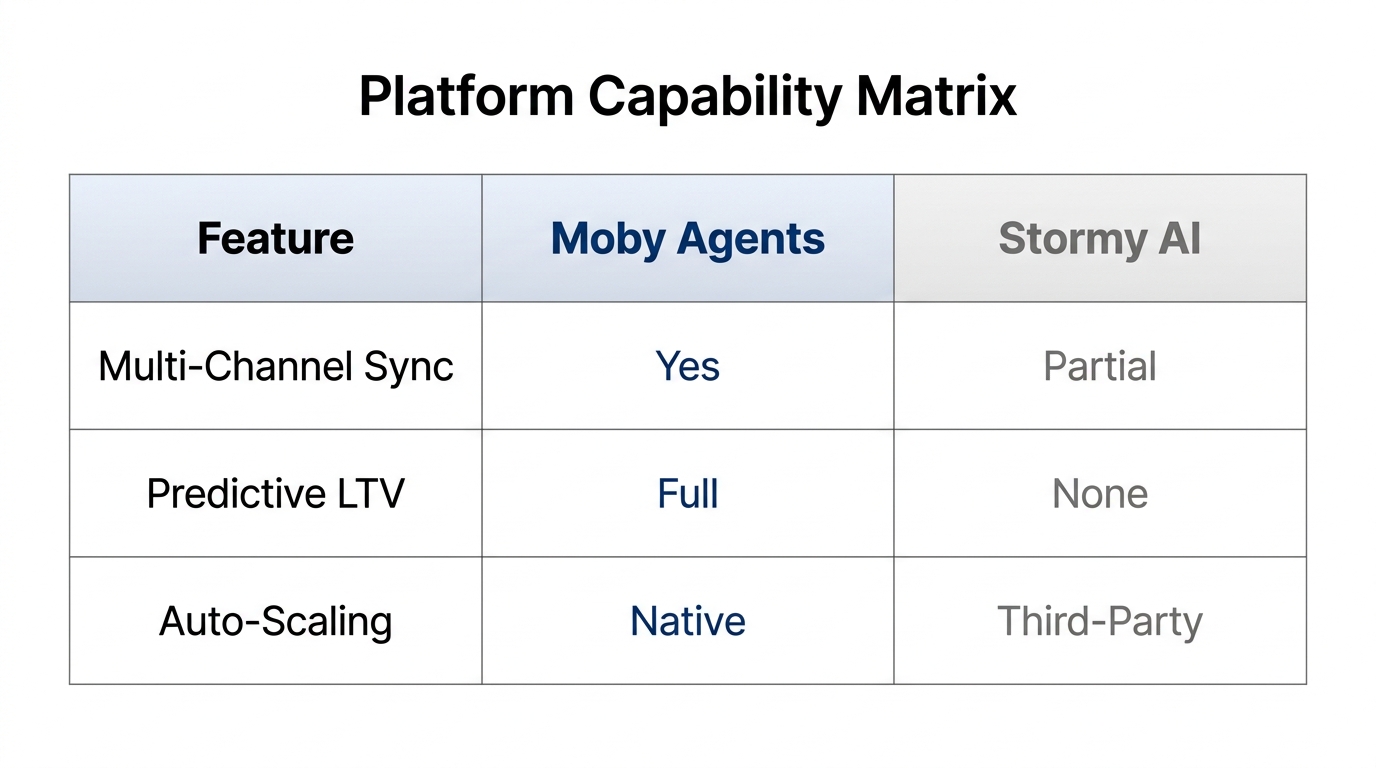
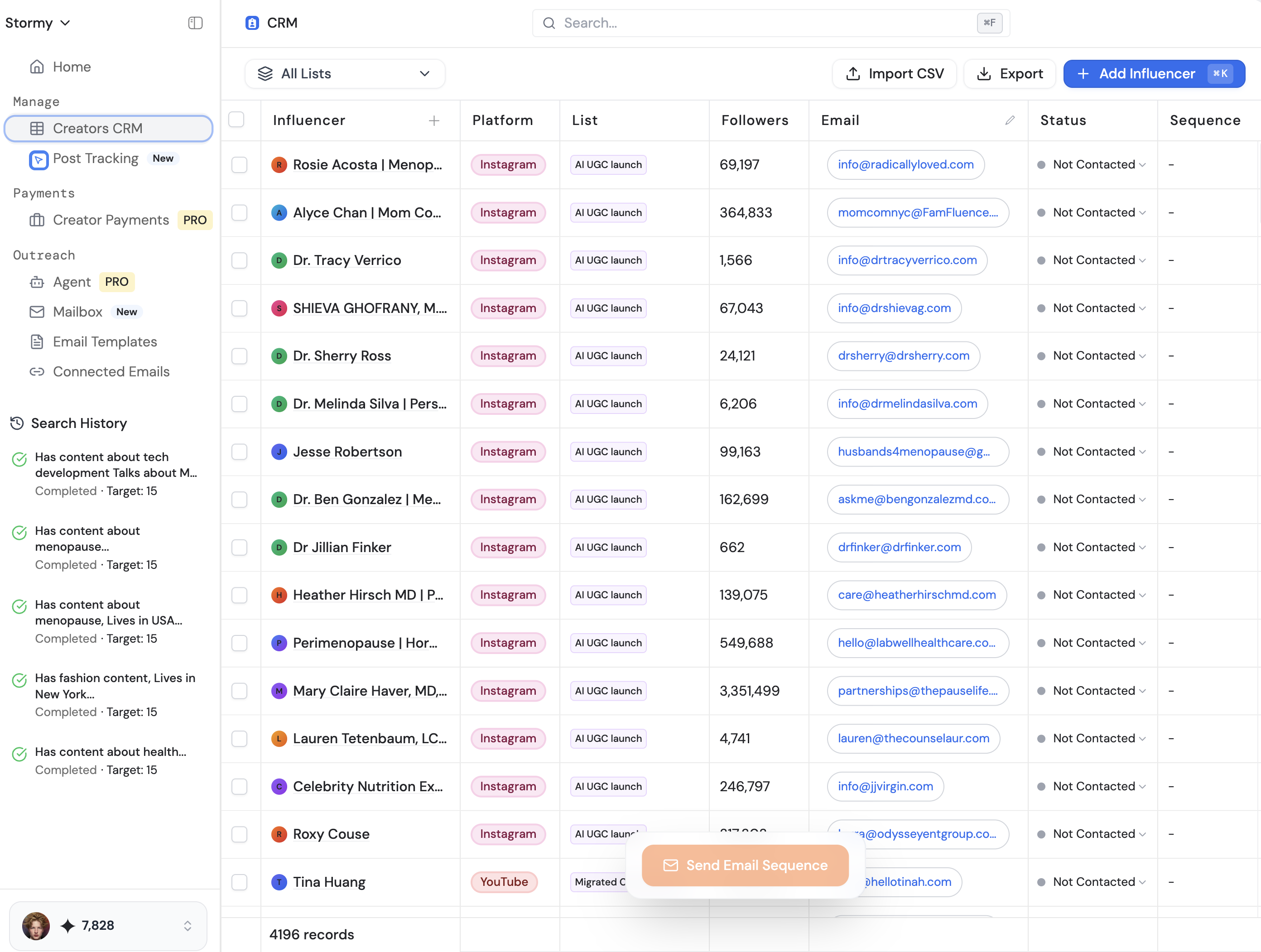
While both tools utilize advanced AI, they serve different functions in your 2026 ecommerce stack. Triple Whale is your Central Intelligence Command, while Stormy AI is your Autonomous Distribution Employee.
| Feature | Triple Whale (Moby) | Stormy AI |
|---|---|---|
| Primary Function | BI, Attribution & Spend Ops | Operations, Outreach & Support |
| Best For | Media Buyers & Finance | Founders & Ops Managers |
| AI Capability | Spend Optimization & Analysis | Task Execution & Negotiation |
| Connectivity | Shopify / Amazon / Meta / Google | Omnichannel (Etsy, TikTok Shop, Gmail) |
Choose Triple Whale when you need to know exactly where to put your next $10,000. Hire Stormy AI when you need an AI teammate to discover 50 new influencers, negotiate deals, and follow up with your ShipBob fulfillment center about late shipments.
The Future of Agentic Commerce: Scaling to $5M ARR
As we move further into 2026, the cost of running a high-scale ecommerce brand is dropping. The combination of deep research tools like Hyros for tracking and agentic systems for execution means a team of two can now accomplish what used to require a department of twenty.
Brands like Ekster and Dixxon have already proven the model, reducing weekly reporting time by up to 78% by trusting AI to handle the data triangulation. By implementing the playbooks in this guide—server-side attribution, Moby anomaly detection, and automated budget reallocation—you aren't just scaling your ads; you are building a defensible, high-margin business that can thrive in the AI-first economy.