The era of buying a JPEG simply because you hope to sell it to someone else for a higher price is effectively over. We have entered the utility phase of Web3. In this new landscape, tokens are no longer just speculative assets; they are digital keys that unlock high-end brand experiences, both online and in the real world. This shift toward token-gated commerce is redefining how brands approach nft brand loyalty and community building. By offering exclusive access to those who hold specific digital assets, companies are creating a new sociology of exclusivity that rewards the most dedicated fans while building long-term brand equity.
The Shift from Speculation to Utility
In the peak of 2021, the NFT market was driven by tourists and speculators. Today, the tourists have left, and the builders remain. While the market may feel slower, the arrow of progress is still pointing upward. For instance, Polygon recently hit 150 million wallet addresses, signaling that underlying usage is actually expanding. We are moving away from the "copy and paste this JPEG" jokes and toward a world where your wallet is your identity and your passport.
Modern web3 marketing strategies focus on creating value rather than hype. If a product isn't inherently valuable, a token won't save it. However, if you have a product people love, a tokenized layer can supercharge engagement. Brands are now asking, "How can we make our users' lives better through ownership?" The answer often lies in tokenized communities that offer more than just a chat room—they offer a stake in the brand's ecosystem.
Why Shopify is Betting on Token-Gated Commerce
Major players are noticing the shift. Shopify has integrated token-gating features directly into its platform, betting that this is the future of e-commerce. Token-gated commerce allows merchants to create private, reward-only sections of their stores that are only accessible to specific token holders. This creates a powerful incentive for customers to hold onto their assets rather than flipping them.
Think about the traditional loyalty program. Most of them are boring and provide very little real-world utility. Digital gated experiences change the math. When a brand like Doodles uses tokens to gate exclusive merchandise or limited-edition drops, they are creating a sense of belonging. The token becomes a status symbol that grants the holder access to a "room where it happens," making the shopping experience feel like an event rather than a transaction.
IRL Unlocks: Tokens in the Physical World
One of the most exciting aspects of token-gated marketing is the bridge between digital and physical (IRL) experiences. We are seeing a surge in token-gated IRL experiences where owning a digital asset unlocks real-world perks. At major events like South by Southwest (SXSW), brands have already begun testing these waters.
- Exclusive Access: Holders can skip lines or enter VIP lounges at conferences.
- Tangible Rewards: Brands like Doodles have offered free stuffed animals or premium coffee to token holders at physical activations.
- Community Gatherings: Tokenized communities often host private dinners or masterminds that allow members to network in person.
By bringing the digital token into a physical setting, brands humanize their Web3 presence. It moves the conversation away from "floor prices" and toward real human connection. This is where the true power of community-based products lies—in the ability to turn a digital entry in a ledger into a lifelong brand advocate.
The Economics of the "Power User" and the Pay-What-You-Feel Model
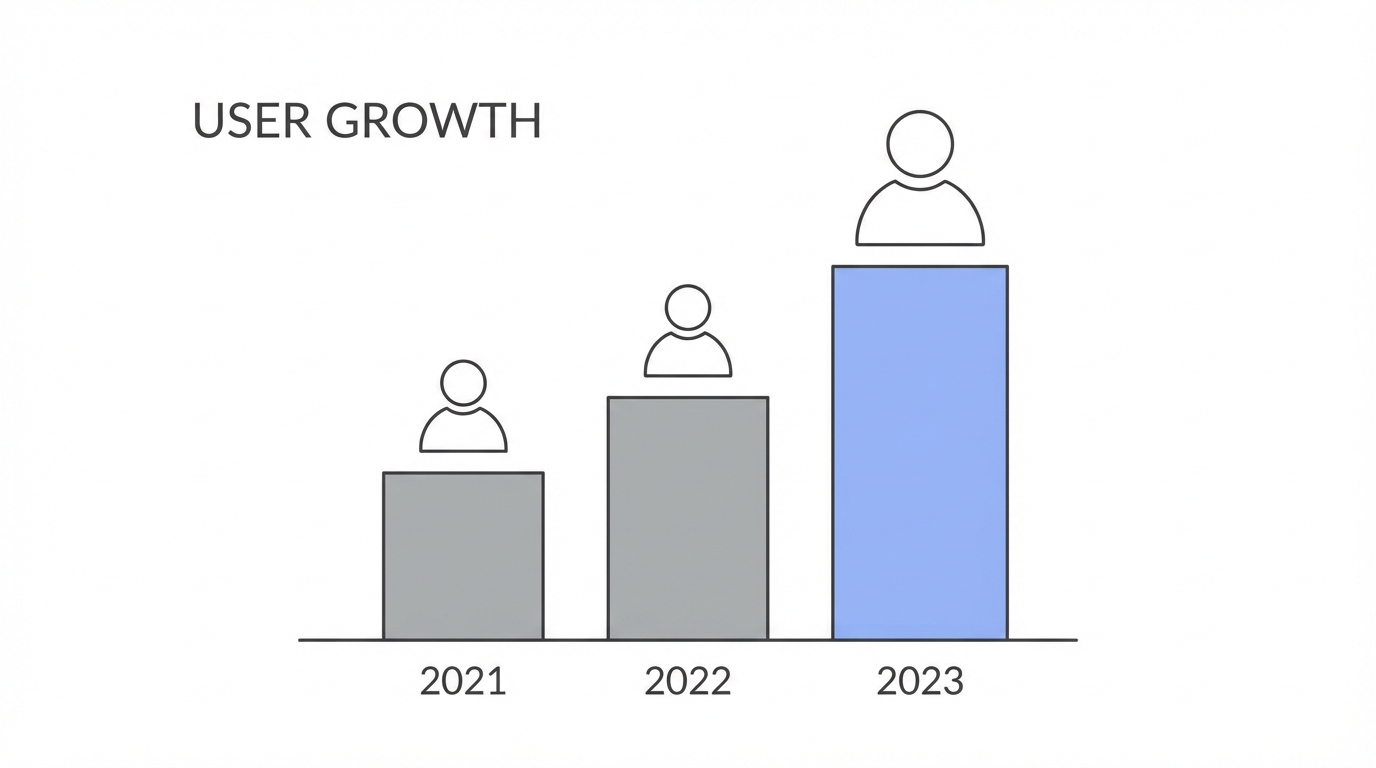
In a post-speculation market, brands must cater to their "whales" or power users. These are the individuals who aren't just looking for a quick profit but are deeply invested in the brand's vision. A fascinating experiment in this space is the "Pay What You Feel" model, similar to what Radiohead did with their In Rainbows album in 2004. They found that when fans are given the choice, many will pay more than the market value because they want to support the creator.

Web3 allows for a similar sociology. Your most dedicated fans will end up supporting you regardless of the market conditions because they believe in the long-term brand equity. By focusing on retention—which is the single most important KPI for any startup—you can build a sustainable business. If people are coming back to your product or community on a daily basis, you have found product-market fit. Use tokens to reward this retention rather than just to attract new, fickle users.
The Web3 MVP Playbook: How to Launch Without the Hype
If you are looking to build a tokenized community, do not start with a mint. Start with a minimal viable product using Web2 tools to validate your audience first. This approach reduces risk and ensures you are building for a real need rather than a trend.
Step 1: Build an Audience First
Focus on top-of-funnel attention. Platforms like TikTok and Twitter are currently the most effective for spreading niche content. Use tools like Black Magic or Threadhunter to study popular hooks and reverse-engineer what works in your niche. You need an audience before you can have a community.
Step 2: Create a Web2 Community
Once you have attention, funnel it into a low-friction environment. Start a WhatsApp group or a Discord server. This is where you test engagement. If the engagement is "sleepy," you haven't designed the rituals correctly yet. A community designer—a role that combines product management, design, and psychology—is essential here to create bots, email flows, and channels that bring people back daily.
Step 3: Source Niche Influencers
To scale your community, you need to find the right people to represent it. Tools like Stormy AI can help source and manage UGC creators at scale, allowing you to find influencers who already live in your specific niche, whether it's the FIRE community, fitness enthusiasts, or tech founders. By using an AI search engine to discover creators who fit your brand's ethos, you can ensure your token-gated commerce strategy reaches the right eyes.
Step 4: The Tokenization Layer
Only after you have a thriving Web2 community should you consider moving to a tokenized model. Use the token to reward the behavior you've already seen. If they've been active for six months, reward them with a token that unlocks a premium tier of your website or a special IRL event. This ensures that your tokens are in the hands of users, not speculators.
Managing Exclusive Relationships with AI
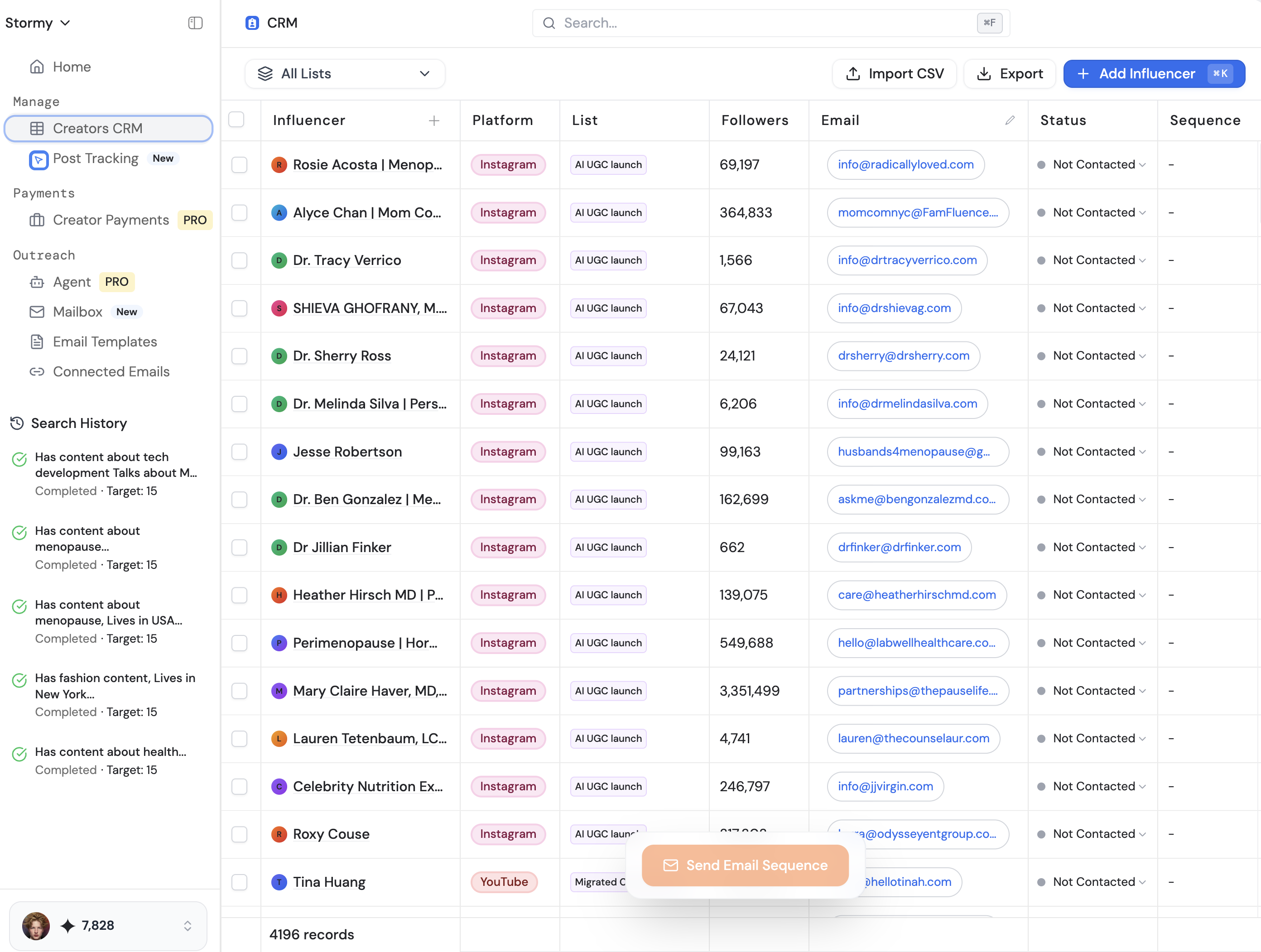
As your community grows, the complexity of managing these high-value relationships increases. This is particularly true if you are running a high-end influencer marketing campaign alongside your token-gating strategy. You need a way to track which creators are holding which tokens and how they are engaging with your brand across platforms.
Using an AI-powered platform like Stormy AI allows you to manage the entire creator lifecycle in one place. From discovering creators via natural-language prompts to vetting them for fake followers, Stormy simplifies the process of building an exclusive influencer roster. For token-gated brands, the ability to track campaign performance and post-engagement in a unified Creator CRM is a game-changer for maintaining nft brand loyalty over the long haul.
Conclusion: The Future of Brand Equity
The transition to token-gated commerce marks the end of the "wild west" of NFTs and the beginning of a more mature, utility-focused digital economy. By focusing on digital gated experiences and IRL unlocks, brands can create deep, meaningful connections with their power users. The goal is no longer to sell to everyone; it's to create an experience so valuable that a specific group of people can't imagine living without it. Whether you're building a fitness app for Gen Z or a high-end design service, the future of marketing belongs to those who can effectively bridge the gap between community, ownership, and exclusivity.