In the high-stakes landscape of 2026, the traditional metric of success—ever-increasing revenue—is facing a quiet revolution. Founders are no longer just asking how to scale, but how to survive the scaling process itself. We have entered an era where founder burnout prevention is as critical to a balance sheet as customer acquisition costs. As Tim Ferriss recently observed, many of the world's most successful entrepreneurs are caught in a trap: they are trading great hours for useless dollars. This realization marks the beginning of the 'Post-Economic' mindset, a strategy for long-term business resilience that prioritizes psychological health through identity diversification.
The Danger of 'Fixed Gear Psychology'
For most entrepreneurs, the early years of building a company require an obsessive, singular focus. This 'Fixed Gear Psychology' is often what gets a startup off the ground, but it becomes the biggest risk to long-term growth by 2026. When your entire sense of self-worth is wrapped up in putting points on the scoreboard—usually in the form of capital or company valuation—you become fragile. If the business fluctuates, your identity shatters.
Tim Ferriss argues that identity diversification is insurance against this fragility. By developing other 'gears'—whether that is learning the piano, mastering archery, or experimenting with digital painting on Canva—you create psychological release valves. When the business has a bad quarter, you can still find progress and pride in your 'side quests.' This resilience allows you to return to the fray fully charged rather than depleted.
"Trading great hours for useless dollars is a wakeup call of a bad trade to make. Once you have the power to get whatever you want, the priority shifts to wanting the right things."
The Post-Economic Mindset: Scaling for Autonomy
 13:57
13:57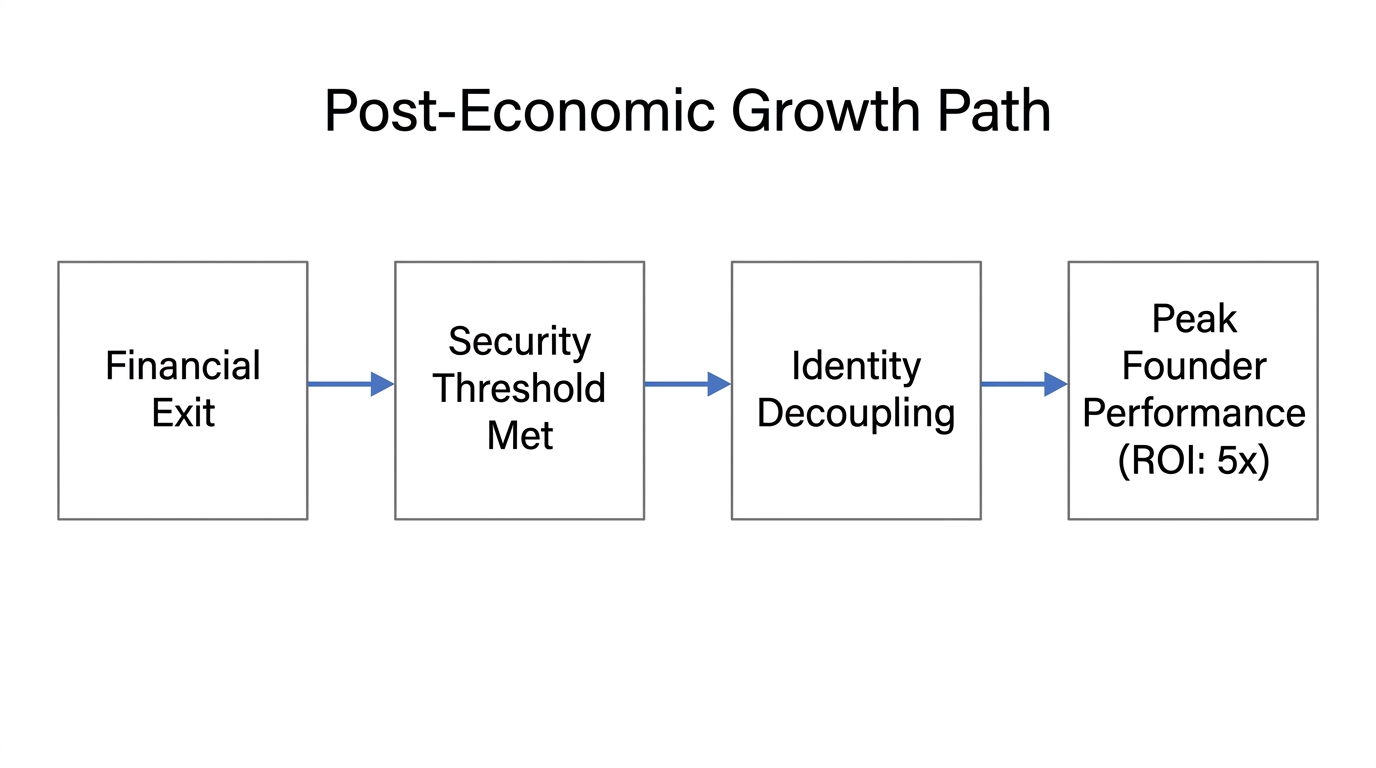
The term 'Post-Economic' does not necessarily mean you have all the money in the world. Instead, it defines a state where money is no longer the primary motivator for decision-making. In 2026, the most effective entrepreneurship growth strategy involves automating the 'timely' tasks to focus on the 'timeless.' This often requires moving away from manual workflows that tether the founder to the desk.
For many modern founders, this means leveraging AI to handle the heavy lifting. For instance, instead of manually vetting creators for marketing campaigns, platforms like Stormy AI allow founders to automate influencer discovery and outreach. This type of automation is the bridge to a post-economic lifestyle, freeing up the 'great hours' that would otherwise be spent on repetitive administrative tasks. By using tools like Zapier for workflow automation and Stormy AI for creator management, a founder can step back from the grind without sacrificing growth.
Identity Diversification as Business Insurance
16:01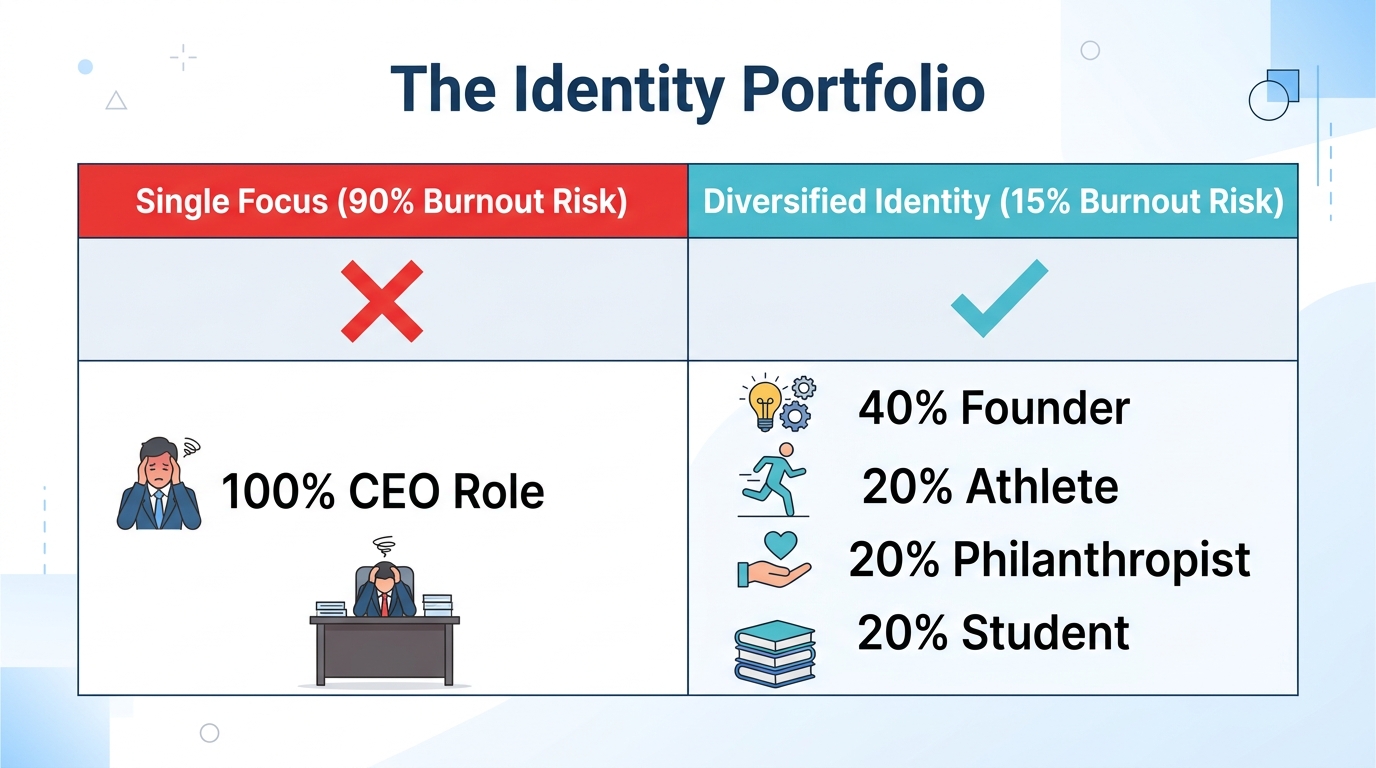
Why does Tim Ferriss spend two years making a board game or months training with Olympic archers? It isn't just for fun; it is a calculated business building 2026 tactic. Ferriss explains that he chooses projects based on three criteria: skills developed, knowledge learned, and relationships built. If a project fails commercially, he still wins because the secondary benefits translate to his other ventures.
| Category | Fixed Gear Mindset | Diversified Identity Mindset |
|---|---|---|
| Self-Worth | Tied to Net Worth / Exit Value | Tied to Skill Acquisition and Play |
| Risk Profile | High fragility; burnout is imminent | High resilience; multiple sources of joy |
| Decision Making | Based on ROI and dollars | Based on autonomy and curiosity |
This mindset shift is essential when you hit the point of diminishing returns. Research cited by Bloomberg suggests that from $50,000 to $50 million in net worth, the answer to "how much is enough" is consistently two times what you currently have. Without identity diversification, you will keep moving the goalposts until you have traded your best years for dollars you don't even need. Diversification forces you to break the '2x' loop and find fulfillment elsewhere.
The 20-20-20-20-20 Plan: A Playbook for Founder Longevity
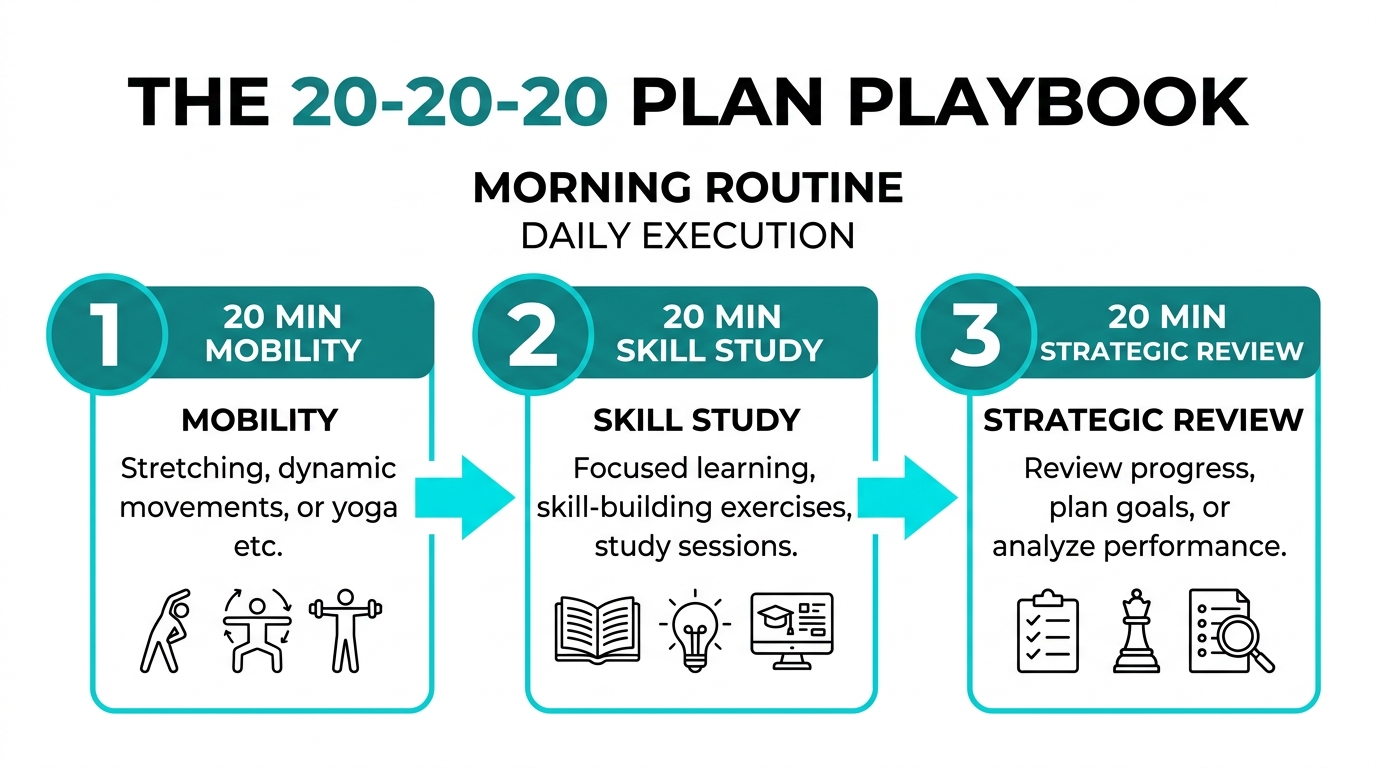
To implement these concepts, founders in 2026 are adopting structured frameworks to balance aggressive growth with personal health. One such framework is the 20-20-20-20-20 Plan, which treats personal goals with the same statistical rigor as a Shopify dashboard.
Phase 1: Physical Vitality (20 Pounds)
Focus on metabolic health. Whether it is through intermittent fasting or weight training, maintaining a high level of physical energy is the foundation of cognitive performance. [Source: Healthline guide to metabolic health]Phase 2: Portfolio Equity ($20 Million)
Set a clear, fixed financial target. Once reached, the transition to 'Post-Economic' decision-making should begin. This prevents the 'phantom chase' of endless wealth.Phase 3: The Off-Script Quotient (20 Days)
Dedicate 20 days a year to 'off-script' adventures. These are days where the routine is intentionally destroyed to make room for serendipity and 'forced' play.Phase 4: Creative Reps
Treat creativity like a gym. Spend 45 minutes a day on a non-business creative pursuit—like digital painting or music—to keep the brain's 'curiosity' muscle from atrophying.
"Money solves money problems, but you've still got plenty of work to do. If you're serious all the time, you'll burn out before you get the truly serious stuff done."
The Relationship Rule: Surrounding Yourself with 'Default Upbeat' People
25:22A major component of scaling a startup sustainably is curating your social circle. Ferriss's rule is simple: It's the relationships, stupid. If you want to be happy, spend time around default upbeat people. Many founders fall into the trap of 'rolling uphill' into wealthier circles, where the conversation shifts from passion and play to comparing private jets and real estate. This social competition is a fast track to misery.
Instead, Ferriss recommends spending time with masters of diverse crafts—archers, musicians, or scientists—who may not have the highest net worth but possess a deep sense of contentment. This provides a 'lifestyle sample' that contrasts with the typical high-stress founder existence. In 2026, the 'Post-Economic' founder uses their network not just for deal flow, but for perspective flow.
The 2026 Analog Renaissance: Play as a Competitive Advantage
86:00As we move deeper into the age of AI and digital saturation, there is a massive 'long analog' trend emerging. Founders are finding that the most effective way to recharge is to get off screens entirely. This is why analog play—like board games or running clubs—is exploding in popularity. For example, Tim Ferriss’s game Coyote has reached over 8,000 retail locations and generated 300 million social views on TikTok precisely because people are starving for tactile, social interaction.
Other trends to watch in the 2026 founder stack include:
- Electricity over Pills: The rise of brain stimulation (like accelerated TMS) and metabolic psychiatry over traditional pharmaceuticals for mental health.
- Exogenous Ketones: Using supplemental fuel sources to maintain cognitive sharpness during intense work sprints without the restrictive nature of a full ketogenic diet.
- Silent Reading Clubs: The 'social but analog' movement where groups gather to read physical books in silence, reclaiming focus from the digital attention economy.
Conclusion: Building for the Long Game
The most successful founders in 2026 are those who realize that the business is a vehicle for their life, not the other way around. By diversifying your identity, you protect yourself from the volatility of the market and the inevitability of burnout. Whether you are automating your marketing with Stormy AI or blocking out 'off-script' days on Medium, the goal is the same: attain autonomy so you can choose the right things to want.
Don't wait until you've 'made it' to start diversifying. Start today. Pick a hobby where you are the 'old guy' or the beginner. Join the 'short school bus' of a new skill. It is the best insurance policy you will ever buy for your business.