In 2026, the bridge between digital virality and physical retail is no longer a experimental footbridge; it is a high-speed superhighway. Few have navigated this transition as masterfully as Tim Ferriss. Known for his "4-Hour" series, Ferriss recently pivoted into the analog world, launching a physical game that generated over 300 million social views of gameplay. This wasn't just a fluke of the algorithm; it was a calculated influencer marketing strategy that landed his product in over 8,000 retail locations, including Walmart and Target.
The Shift from Digital-Only to Omnichannel Reality
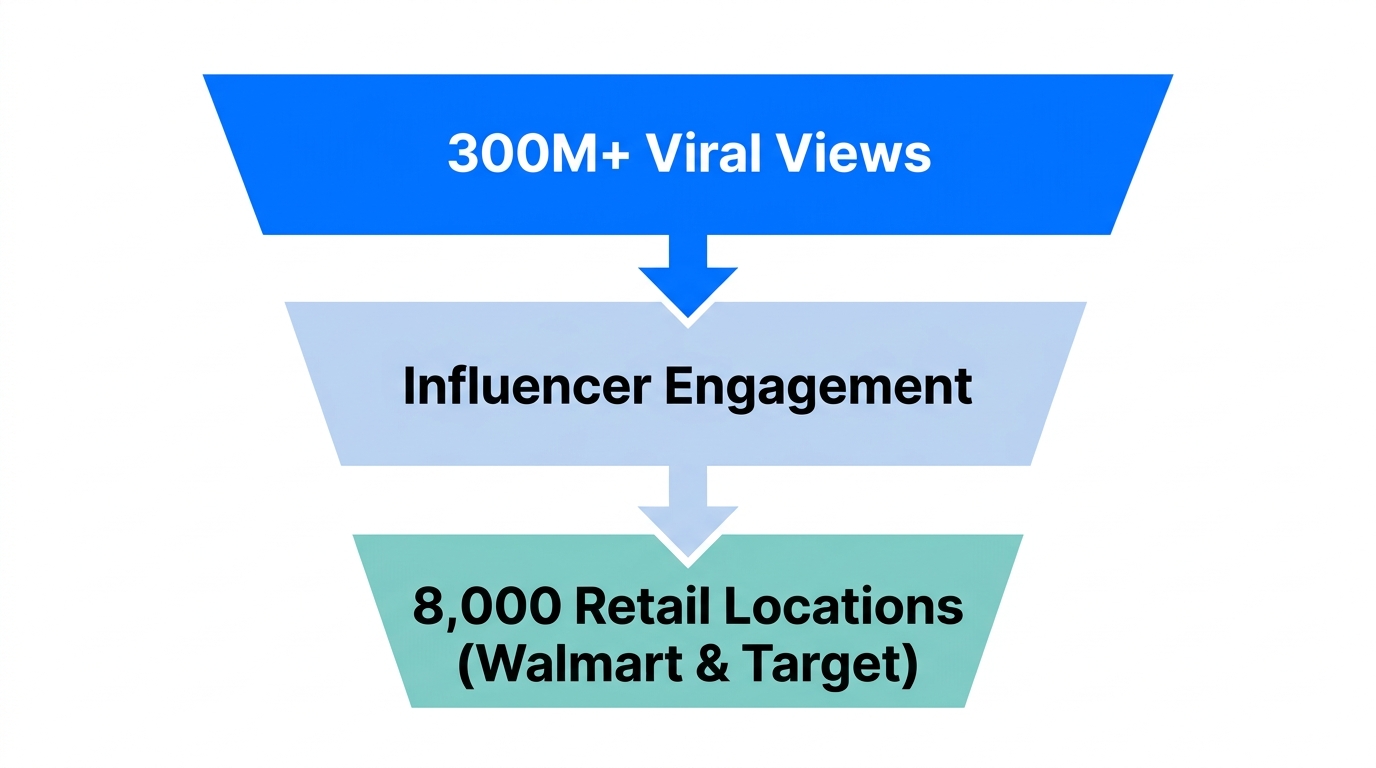
For years, the creator economy was largely confined to digital downloads, SaaS subscriptions, and affiliate links. However, the 2026 landscape has shifted toward omnichannel marketing. Ferriss’s latest venture demonstrates that high-engagement social content is the ultimate "proof of concept" for traditional retail buyers. According to recent McKinsey retail reports, when you can show a buyer at a major chain that your product has already been consumed by 300 million eyes via TikTok and Instagram, the conversation changes from "Will it sell?" to "How fast can we stock it?"
| Strategy Component | Old School Retail (Pre-2020) | Creator-Led Retail (2026) |
|---|---|---|
| Demand Generation | TV Ads & Print | Social Media Gameplay & Virality |
| Proof of Concept | Market Research Surveys | Engagement Data & Social Media Analytics |
| Distribution | Store-by-Store Pitching | Direct-to-Retail Partnerships via Influence |
This success relies on what Ferriss calls identity diversification. By moving away from his persona as a "business author" and into the realm of analog play, he tapped into a visceral human need for off-screen interaction. Brands looking to replicate this must realize that creator economy distribution isn't just about shouting into a megaphone; it's about creating a "loop" where social gameplay drives retail foot traffic, and retail presence lends the brand a level of legacy credibility that digital-only brands often lack.
"It is land-landing in like 8,000 retail locations, Walmart, Target, everywhere. It’s been exclusive to Walmart for a few months, has been a bestseller, 300 million plus social views of gameplay, which is nuts."
The 'Win Even if You Lose' Framework for High-Risk Launches
 63:07
63:07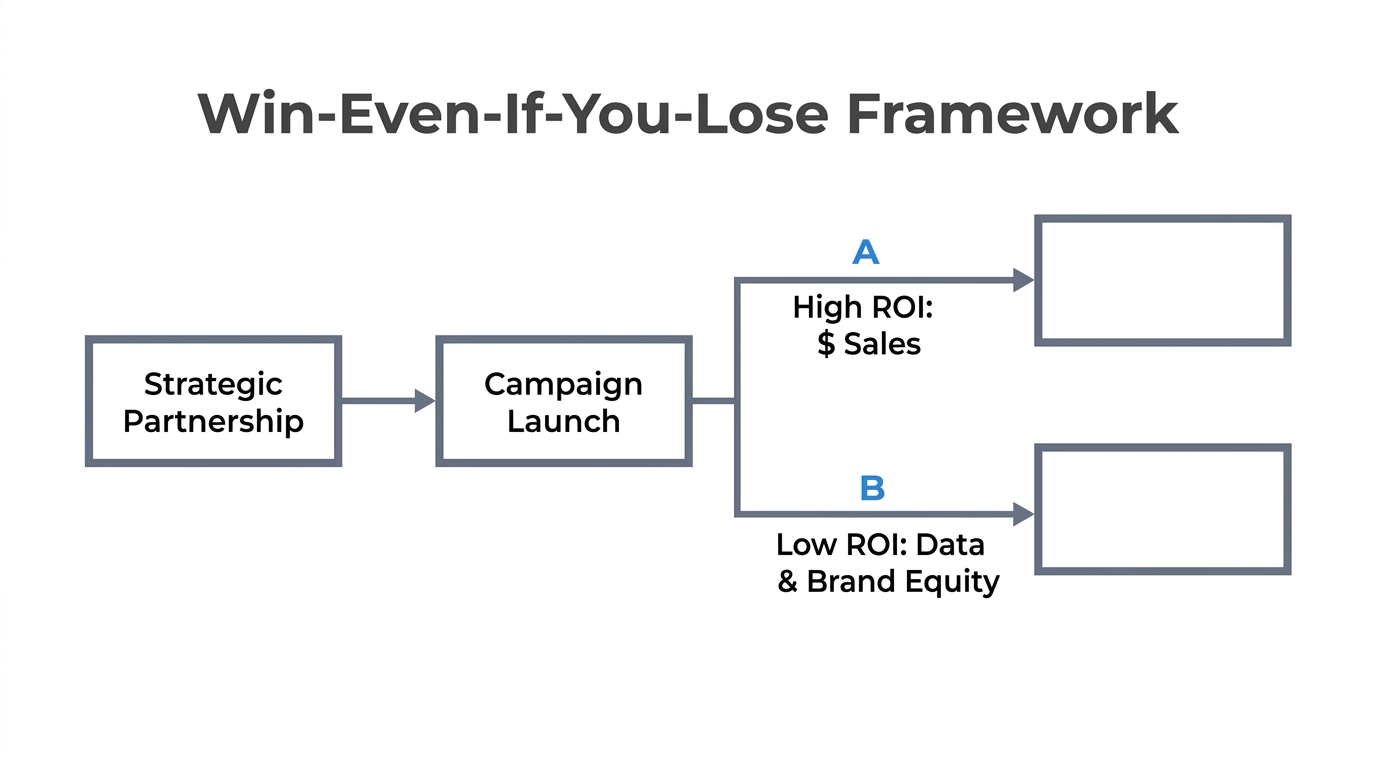
Most brands approach a product launch with a binary mindset: it either hits or it fails. Ferriss, ever the strategist, utilizes a "Win Even if You Lose" framework. Even if the game hadn't reached 8,000 stores, the project was designed to be a success based on three internal metrics: skill acquisition, knowledge expansion, and relationship building. This mindset reduces the paralyzing fear of failure that often kills innovative marketing campaigns.
In this case, Ferriss focused on building a deep friendship and professional partnership with Alan Lee, a legendary game designer who worked on the original Xbox and Halo. By collaborating with a polymath, Ferriss ensured that the product quality would be world-class, but more importantly, he gained an education in the mechanics of hit-making in the gaming industry. For brands, this means choosing influencers and partners based on more than just their follower count; it’s about the institutional knowledge they bring to your organization.
Skill Acquisition as a Growth Strategy
In the 2026 economy, the ability to rapidly learn a new domain is the ultimate leverage. Ferriss’s immersion into game design allowed him to understand the nuances of social media analytics for brands from a different perspective—how to design a product that is inherently "watchable." If a product is fun to watch others play, the influencer marketing strategy practically writes itself. This is why platforms like Stormy AI are becoming essential for brands to find creators who don't just have numbers, but have the specific "playmaker" qualities needed for viral product demos.
Building Polymath Partnerships for Product Success
The relationship with Alan Lee highlights a critical lesson in modern business: the best partnerships are cross-disciplinary. Ferriss didn't just hire a designer; he built a friendship with a genius in a completely different field. This "sampling" of different lifestyles and expertises allows a brand to innovate at the edges where different industries collide.
- Deep Vetting: Use influencer marketing data to identify creators who are experts in their niche, not just generalists.
- Collaborative Creation: Don't just send a product for a "shoutout." Co-create the content or the product itself to ensure it resonates with the creator's audience.
- Long-Term Thinking: Adopt the Naval Ravikant philosophy: if you can't see yourself working with someone for a lifetime, don't work with them for five minutes.
By leveraging TikTok Ads Manager and Meta Ads Manager in tandem with these creator partnerships, brands can create a halo effect that drives both online sales through Shopify and brick-and-mortar demand simultaneously.
"If I'm choosing projects as I usually do based on skills I'll develop, knowledge I'll learn, and relationships I'll build... this seems like a very good bet."
Leveraging Niche Influencers vs. Massive Social Reach in 2026
61:02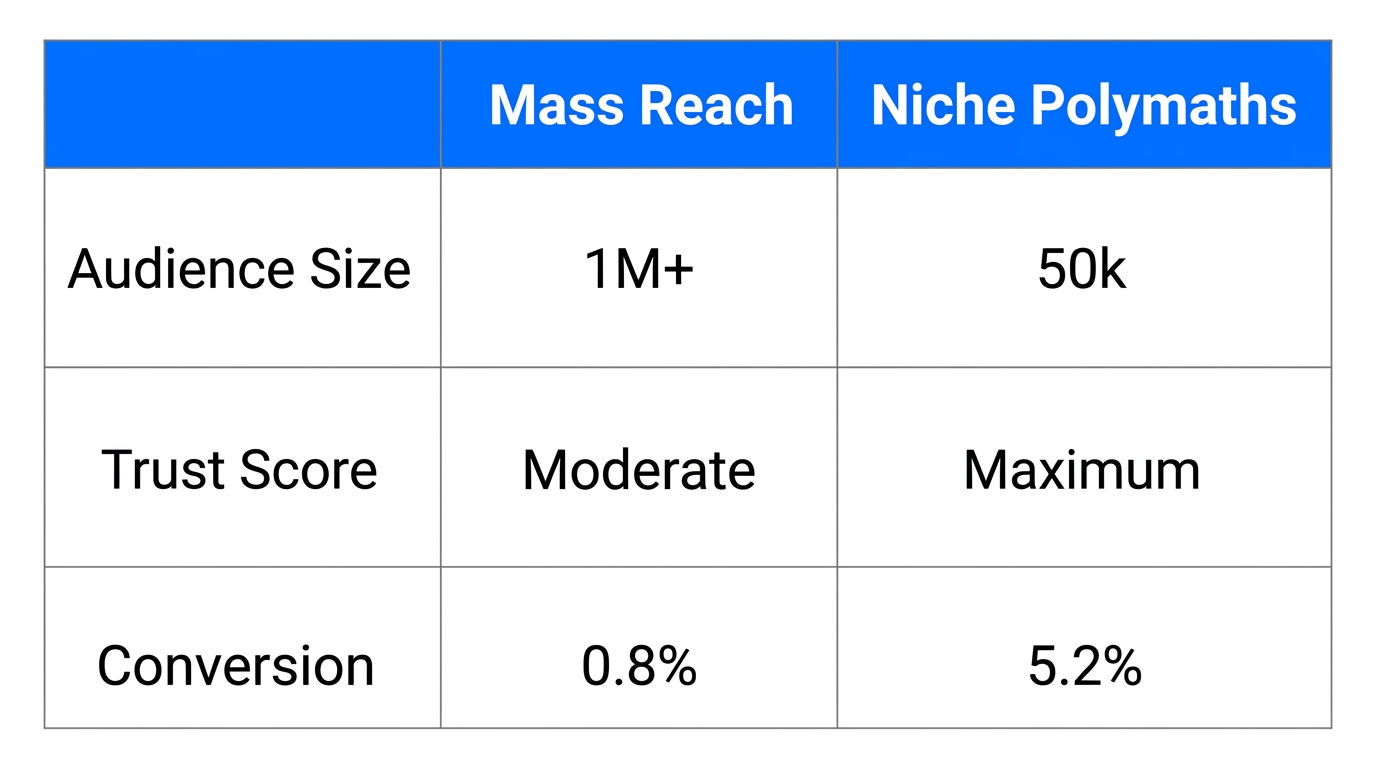
The 300 million views Ferriss generated weren't all from a single mega-influencer. Instead, they were likely a result of fragmented, high-intensity interest across various gaming and productivity communities. In 2026, the power of a Tim Ferriss business strategy lies in understanding that "the personal is the universal." When you solve a specific problem for yourself—like the need for analog play—you solve it for millions of others.
To manage this scale of outreach, brands are moving away from manual spreadsheets. AI-powered platforms like Stormy AI allow marketers to discover thousands of niche creators who align with their brand's "weirdness" and then use autonomous agents to automate the outreach and follow-up process. This allows a brand to achieve massive social reach without losing the authentic, niche feel that drives modern consumer trust.
| Metric | Massive Social Reach | Niche Creator Clusters |
|---|---|---|
| Conversion Rate | Lower (Broad) | Higher (Targeted) |
| Trust Factor | Medium | Very High |
| Scalability | Easy | Hard (Requires AI Tools) |
The 'Post-Economic' Mindset: Trading Hours for Meaning
65:44One of the more profound takeaways from Ferriss's recent discussions is the concept of being "post-economic." This doesn't mean having infinite money; it means no longer making decisions based primarily on money. For Ferriss, this shift in 2026 has led him toward projects like his game, where the goal is nourishment and joy rather than just another exit.
"We have a bunch of friends... they've already earned the last dollar they will ever spend in their life. And so now they're trading great hours for useless dollars, which is such a wakeup call of a bad trade to make."
This philosophy extends to how brands should interact with creators. The top-tier influencers in 2026 are often "post-economic." They don't need your sponsorship money; they need compelling stories, unique products, and creative freedom. If you approach a creator with the goal of helping them "play" or "learn," you will build a much stronger omnichannel marketing 2026 strategy than if you simply offer a flat fee for a 30-second spot.
Beyond the Digital: Future Trends for 2026 and Beyond
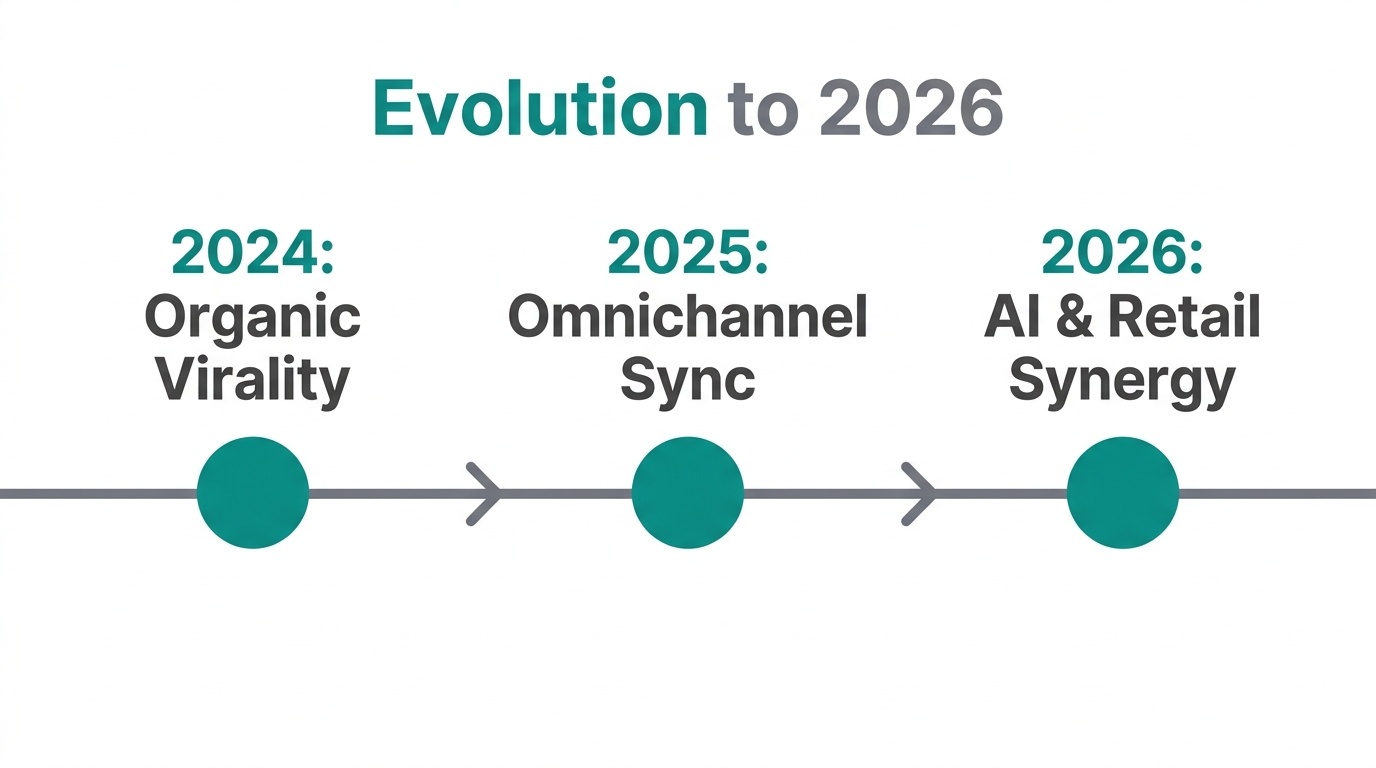
As we look toward the second half of this decade, several trends are emerging from the "Silicon Valley vanguard" that will soon become mainstream. Brands that ignore these will find themselves stuck in the digital-only graveyard of the early 2020s.
- Analog and Social Long-Bet: As AI and screens saturate our lives, there is a massive pushback toward human-made, analog experiences. Whether it's physical games, book clubs, or running clubs, physical presence is the new luxury.
- Electricity Over Pills: In the health space, Ferriss is tracking a shift toward "bio-electronic" medicine—think Apple Watch health tracking on steroids or accelerated TMS for mental health.
- Metabolic Psychiatry: The link between diet, glucose management, and mental health is becoming a dominant theme in wellness marketing, supported by research from institutions like Stanford University.
For an influencer marketing strategy to be effective in 2026, it must align with these cultural shifts. People are lonelier than ever; if your product or content can facilitate a genuine social connection, you have a winner.
Conclusion: Your 300 Million View Playbook
Tim Ferriss’s success with his physical game launch proves that the creator economy distribution model has matured. It is no longer just for selling courses; it is for dominating physical retail at scale. By focusing on authentic gameplay, building polymath relationships, and staying ahead of cultural trends like the "analog resurgence," brands can move from the small screen to the big shelves of Walmart and Target.