For years, the standard iOS app marketing strategy followed a linear, expensive path: hire a team, build a feature-rich MVP, launch on the App Store, and pray the algorithm gods smiled upon you. But a new breed of founders, frequently featured on Starter Story, is flipping the script. They are treating apps as the new version of info products—simple, high-margin solutions to specific human problems—and they are validating them with zero code using TikTok viral marketing for apps.
As Pat Walls, founder of Starter Story, recently discussed, the most successful modern apps aren't necessarily the most complex. They are the ones that nail a viral hook on short-form video platforms before a single line of code is written. This "Reverse Build Method" allows founders to test demand in the creator economy business models of 2024, ensuring that when they do build, they are building for a hungry audience already waiting to download.
The Reverse Build Method: Hook Before Code
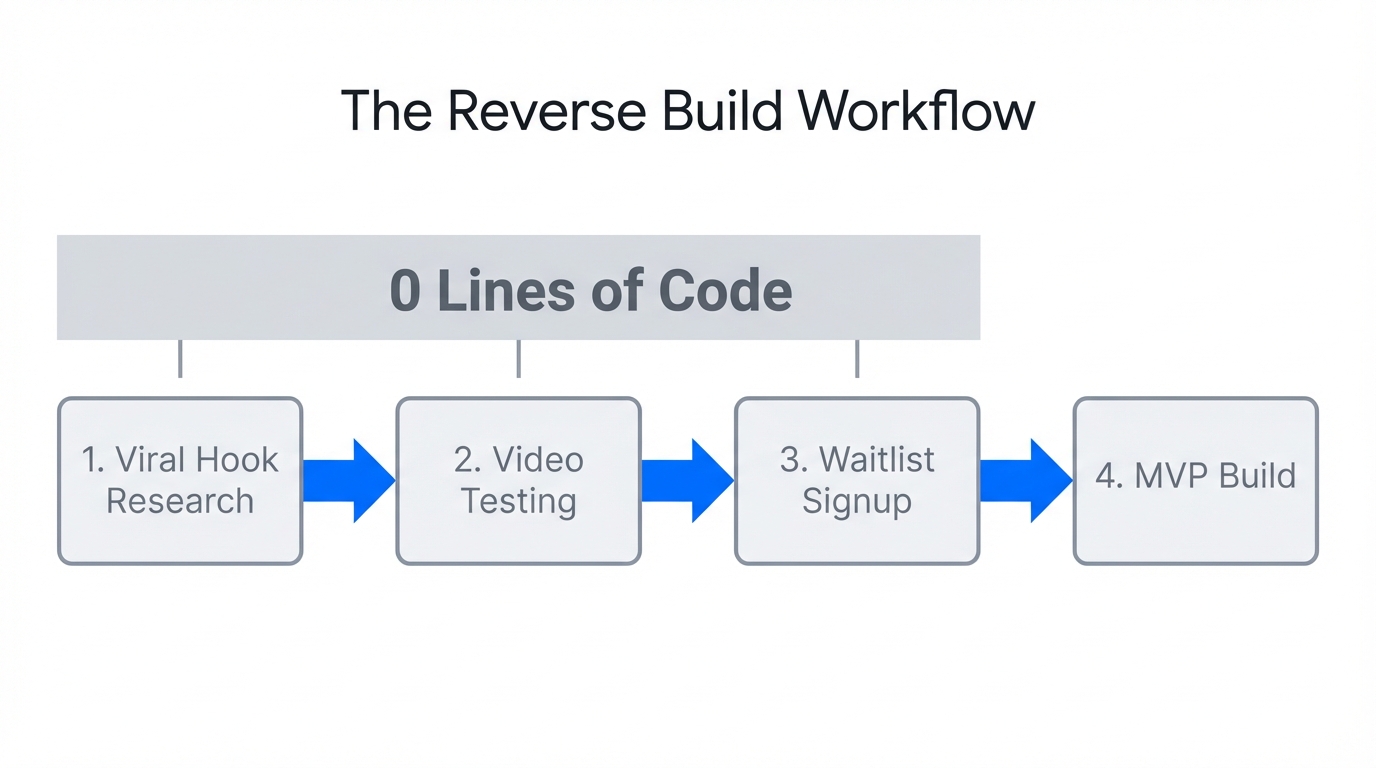
The traditional "Field of Dreams" approach—build it and they will come—is dead for solo founders. The modern app validation playbook starts on TikTok. The goal is to create a video that demonstrates a hypothetical app's value proposition. If the video goes viral, you have a business. If it flops, you haven't wasted months of development time.
Take the case of Push Scroll, an app that forces users to perform physical push-ups before they can unlock their social media apps. The founders didn't spend months perfecting the iOS API integration first. Instead, they filmed themselves pretending the app existed, showcasing the struggle and the reward. When that video hit hundreds of thousands of views, they scrambled to build the functional MVP. This is short form video growth used as a diagnostic tool rather than just a promotional one.
"Imagine creating 10 apps and having none of them work. That would take you a year. Or creating one video in one day and having it work. That takes one day."Market Selection: Health, Wealth, and Productivity
Not every app idea is suited for TikTok viral marketing for apps. To succeed, founders must identify high-intent niches that translate visually to short-form video. The research points to three evergreen pillars: Health, Wealth, and Productivity. These are the spaces where creator economy business models thrive because the "pain points" are universal and deeply personal.
- Health: Apps like Puff Count, which gamifies the process of quitting vaping, succeed because the "enemy" (addiction) is clear.
- Wealth: Simple trading trackers or crypto notification tools that provide an immediate dopamine hit or financial utility.
- Productivity: The "gimmick" apps, such as prayer timers or push-up blockers, that physically or psychologically interrupt bad habits.
| App Category | Viral Hook Example | Monetization Strategy |
|---|---|---|
| Health/Wellness | "How I quit vaping in 30 days using this tracker" | Weekly Subscription |
| Productivity | "This app makes me do 10 pushups to open TikTok" | High-Margin One-time Purchase |
| Spirituality | "Mandatory prayer before scrolling Instagram" | Freemium / Community Access via Stripe |
Apps as Info Products: The Low-Code Revolution
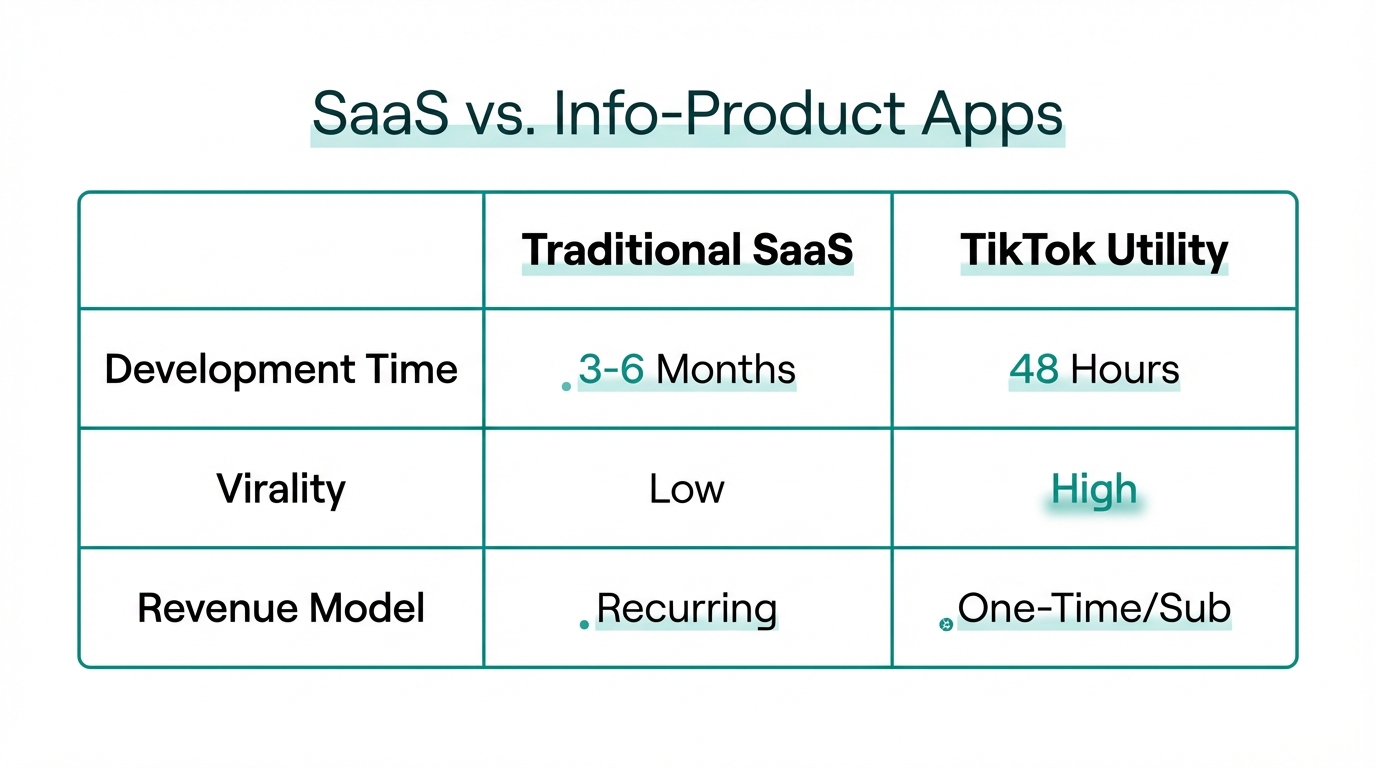
A major shift in the industry is the realization that apps are becoming the new info products. In the past, a founder might sell a PDF guide on "How to Quit Vaping." Today, that same information is packaged into a simple, gamified iOS app. The utility is the same, but the perceived value and retention are significantly higher. This shift allows founders to move away from the service-heavy world of agencies and into high-margin software.
This transition is made possible by vibe coding—the practice of using AI tools like ChatGPT or Claude to generate 95% of an app's codebase. You no longer need a team of four (designer, backend, frontend, product) to launch a successful utility. A single founder with a strong grasp of short form video growth can now compete with established studios.
"Apps are the new info products. You can build a stop-vaping app with zero employees that couldn't have existed before because it wouldn't have been cost-effective."The TikTok Affiliate Playbook: Scaling to 30K+ MRR
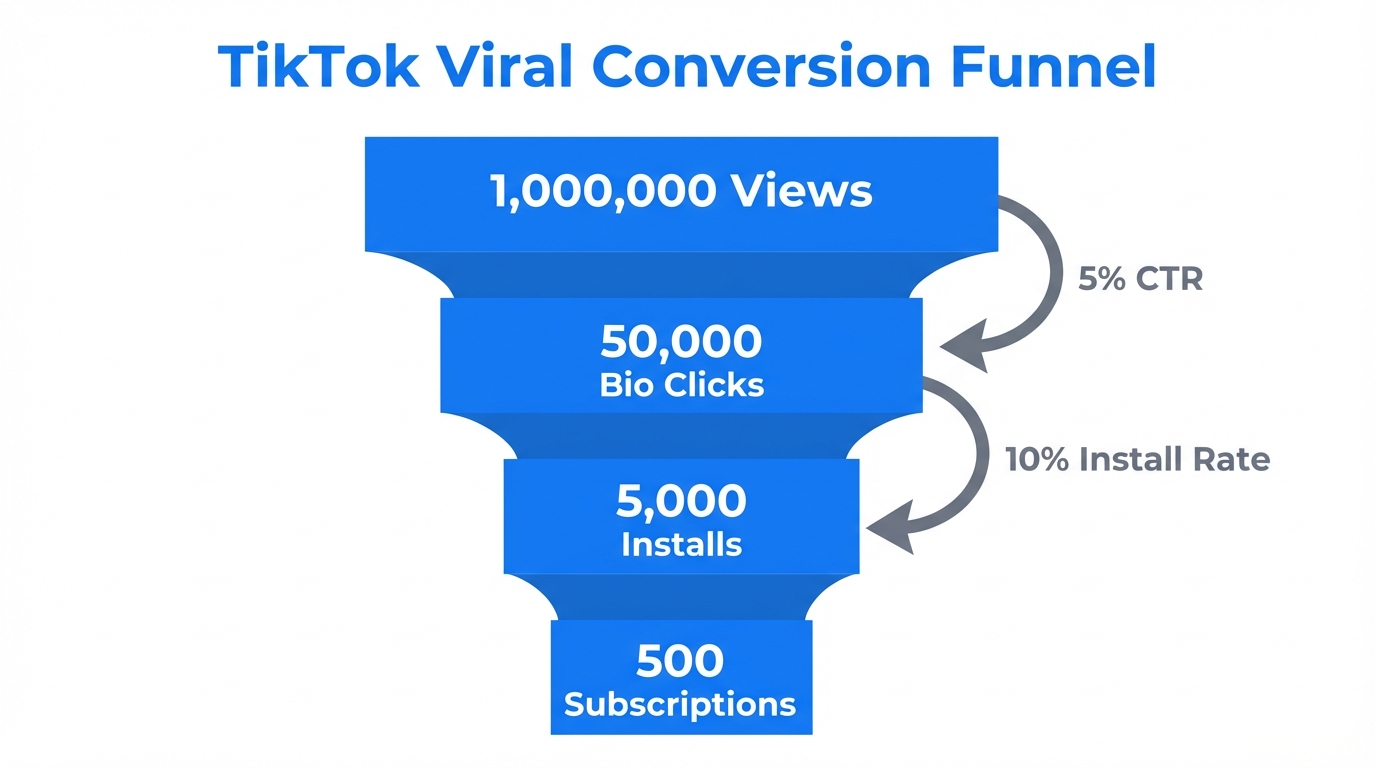
Once an app is validated and built, the next step in the iOS app marketing strategy is scaling via organic creator partnerships. Instead of burning cash on TikTok Ads Manager, smart founders leverage affiliates who create their own hooks. These creators post "man on the street" interviews or personal testimonials, often reaching millions of viewers for a fraction of the cost of traditional UA (User Acquisition).
Managing these relationships can quickly become a headache as you scale from 10 to 100+ creators. This is where platforms like Stormy AI become essential. By using an AI-powered engine to discover and vet creators who already speak to your niche, you can automate the outreach and management process. Instead of manually searching for fitness influencers to promote your push-up app, tools like Stormy AI can source, contact, and track your affiliates while you sleep.
Validating with 'Vibe Coding' and AI Tools
The final piece of the app validation playbook is rapid technical execution. If a video goes viral on Monday, you need a functional MVP on the App Store by Friday to capture the momentum. Founders are now using a stack that involves Canva for UI mockups, AI for swift coding, and Tally for waitlist management.
This "vibe coding" approach prioritizes feeling and speed over perfect architecture. If the app solves the core problem—blocking the screen until push-ups are done—users don't care if the backend is sophisticated. They care that the habit-loop is closed. As the business grows to $10k, $30k, or even $70k per month, you can then afford to bring in professional engineers to refactor the code.
The Future of Solo App Founders
The barrier to entry for the software world has never been lower, but the barrier to attention has never been higher. By adopting the Reverse Build Method and focusing on TikTok viral marketing for apps, you remove the risk of building something nobody wants. Start by selling the vibe, then build the solution. When you are ready to scale that winning hook to thousands of creators, leverage modern tools like Stormy AI to handle the heavy lifting of influencer discovery and outreach. The era of the solo "app-as-info-product" billionaire is just beginning.