In 2026, the landscape of social commerce has shifted from mindless scrolling to high-intent searching. TikTok is no longer just an entertainment hub; it is a sophisticated search engine where global ad revenue has skyrocketed to $33.1 billion, marking a massive year-over-year increase according to data from WorkMagic and market projections from Statista. For marketers, this means the old strategy of "random virality" is dead. Success this year depends on TikTok SEO 2026—the ability to align ad distribution with user search intent using AI-powered co-pilots. By leveraging tools like Symphony Assistant, brands can now map cultural trends and optimize keywords with surgical precision.
The Core of TikTok SEO in 2026: Audio and Text
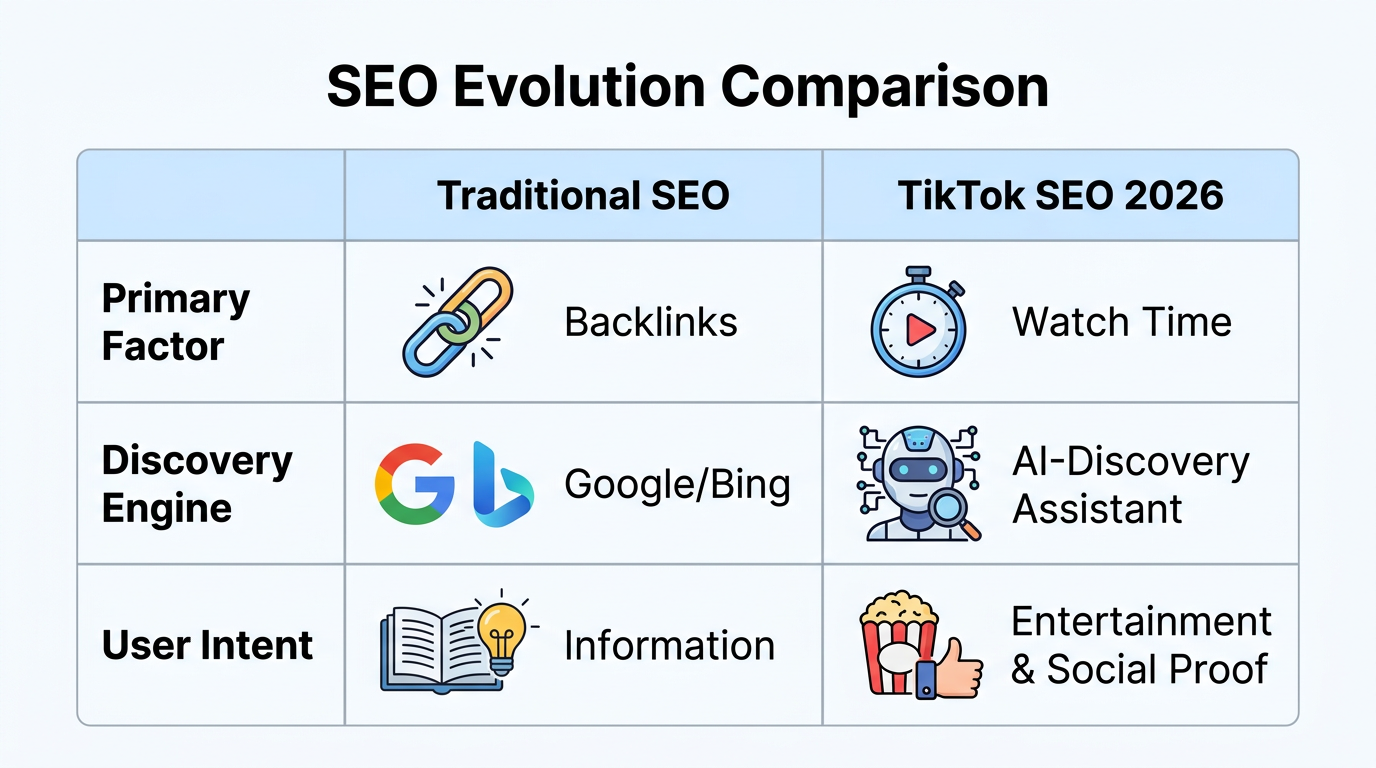
The TikTok algorithm has evolved into a multimodal powerhouse. It no longer relies solely on hashtags to categorize content. Today, the algorithm utilizes audio transcripts, on-screen text, and visual metadata to build "data learning clusters." This allows the platform to match your ads with specific search queries in the "For You" feed search results. If your video mentions "sustainable skincare for sensitive skin" in the audio, TikTok’s AI processes that transcript to ensure you appear when a user searches for those exact terms.
Research from NewtonX reveals that 51% of advertisers now identify TikTok as the primary leader in AI-powered automation, far outpacing legacy platforms. To stay competitive, your TikTok keyword research must be integrated into the very fabric of your creative production, not just added as an afterthought in the caption.
"The shift to search-centric discovery means that if your AI isn't scripting for keywords, your brand doesn't exist in the moments that matter most to the consumer."
Strategic Brainstorming with Symphony Assistant
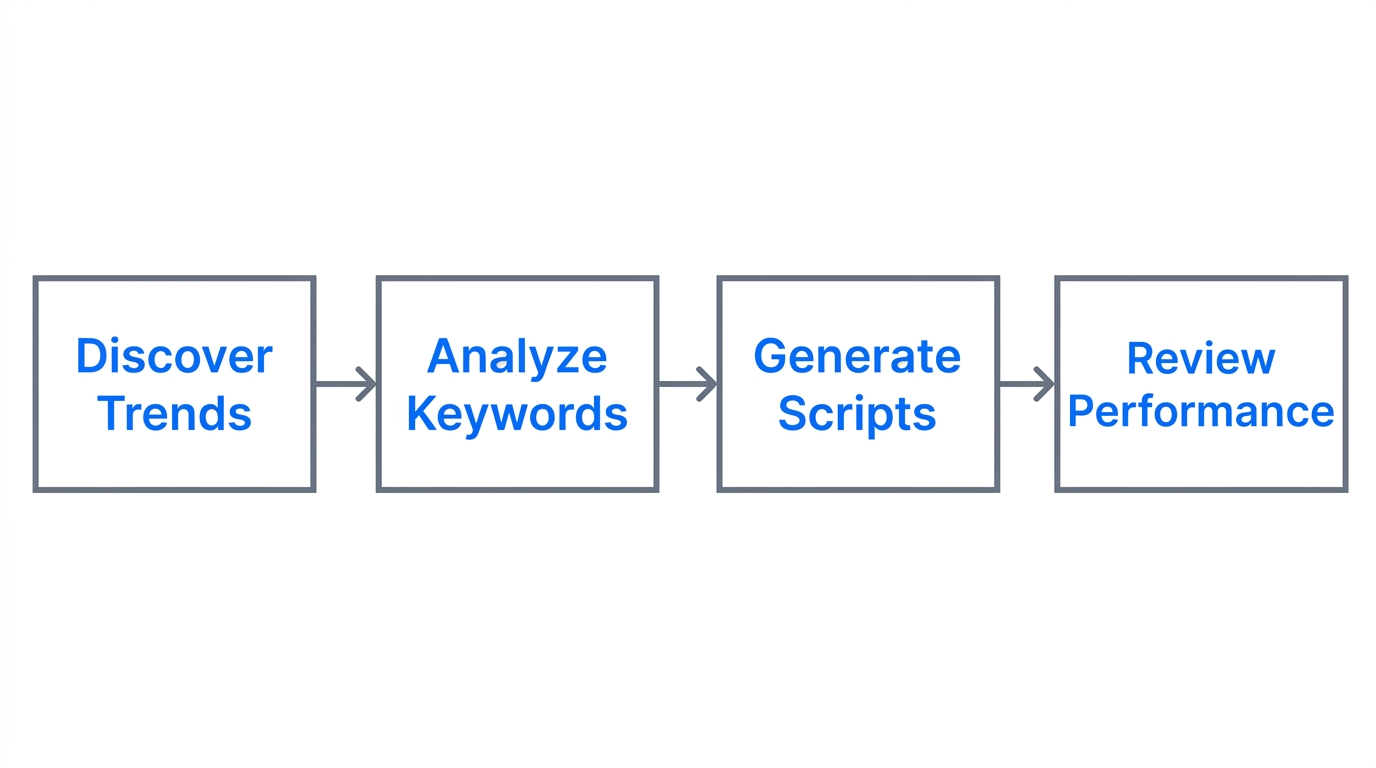
The Symphony Assistant has become the essential AI trend analysis tool for modern growth teams. It acts as a virtual co-pilot, bridging the gap between raw data and cultural relevance. Instead of guessing what might trend next week, marketers use the assistant to research real-time cultural shifts and generate data-led creative scripts that feel native to the platform. This "AI Co-Pilot" approach allows brands to move at the "speed of culture," a capability that 77% of advertisers agree is the biggest advantage of AI integration.
When using Symphony Assistant for AI ad copywriting, which can be further refined with tools like Copy.ai or Jasper, follow this workflow:
- Trend Extraction: Ask the assistant to identify the top 3 rising subcultures in your niche over the last 48 hours.
- Script Iteration: Use the research to generate 20 different "hooks" that incorporate trending keywords and sounds.
- Cultural Alignment: Ensure the script avoids the "uncanny valley" by using TikTok SEO 2026 logic—mixing Lo-Fi aesthetics with high-intent keywords.
Sound-First Logic and Data Clusters
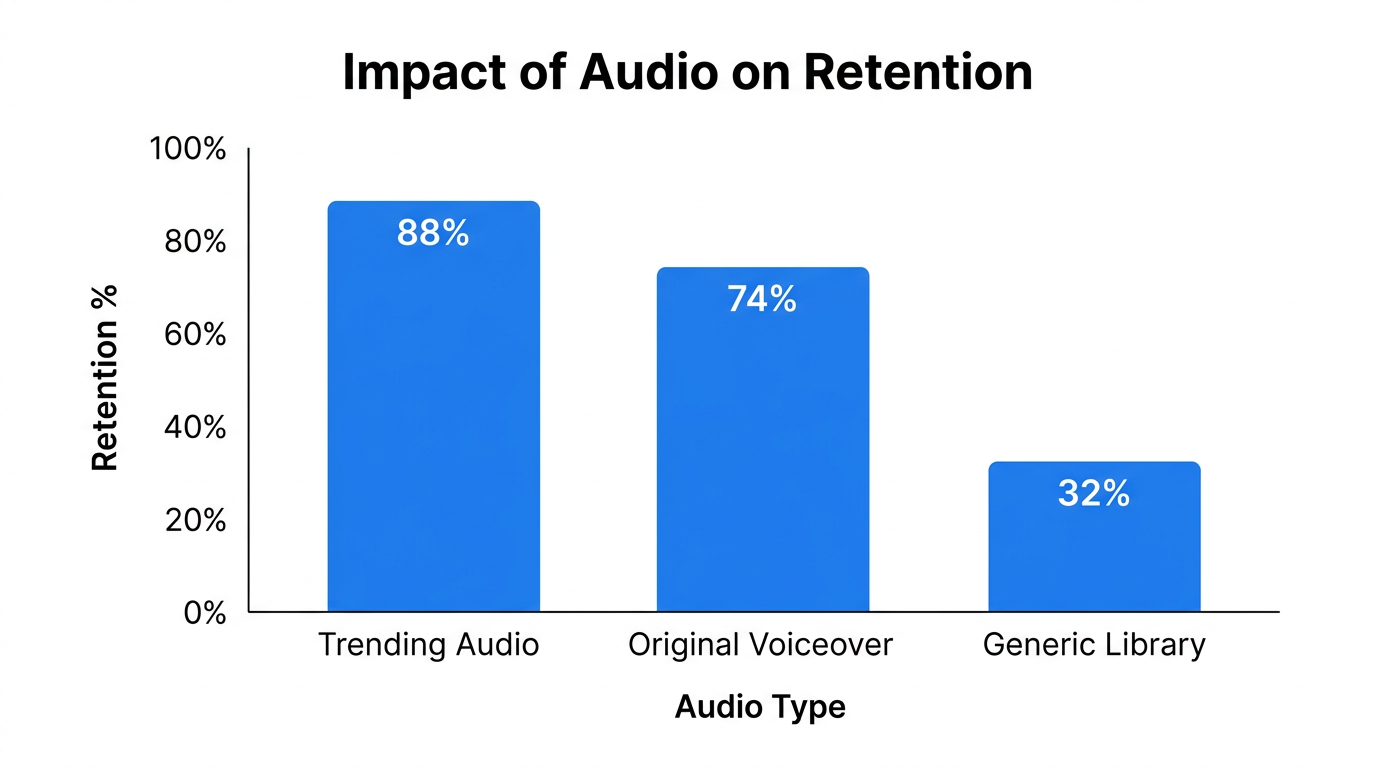
TikTok remains a sound-on platform, and in 2026, your audio strategy is a primary SEO signal. Using TikTok’s Commercial Music Library is no longer optional; it is a requirement for high-reach distribution. AI-generated trending audio can double engagement rates by tapping into the auditory patterns that the algorithm is currently prioritizing. When you utilize trending sounds listed on the Billboard TikTok Top 50, your ad is clustered with other high-performing content in that sound's "neighborhood," increasing the likelihood of appearing in search results for related topics.
| Feature | Legacy Manual Approach | 2026 AI-Powered SEO |
|---|---|---|
| Keyword Discovery | Manual hashtag research | Symphony Assistant trend mapping |
| Creative Scripting | Static storyboards | AI-generated modular creative sets |
| Audio Selection | Generic background music | Data-led trending audio clusters |
| Performance | High CPA due to fatigue | 36% lower CPA via Smart+ Ads |
Failing to use sound correctly is one of the most common mistakes. Industry experts suggest that ignoring sound-first logic will halve your engagement rates, as the 2026 algorithm uses audio as a core index for its search engine functionality.
The "Broad-to-Niche" SEO Playbook
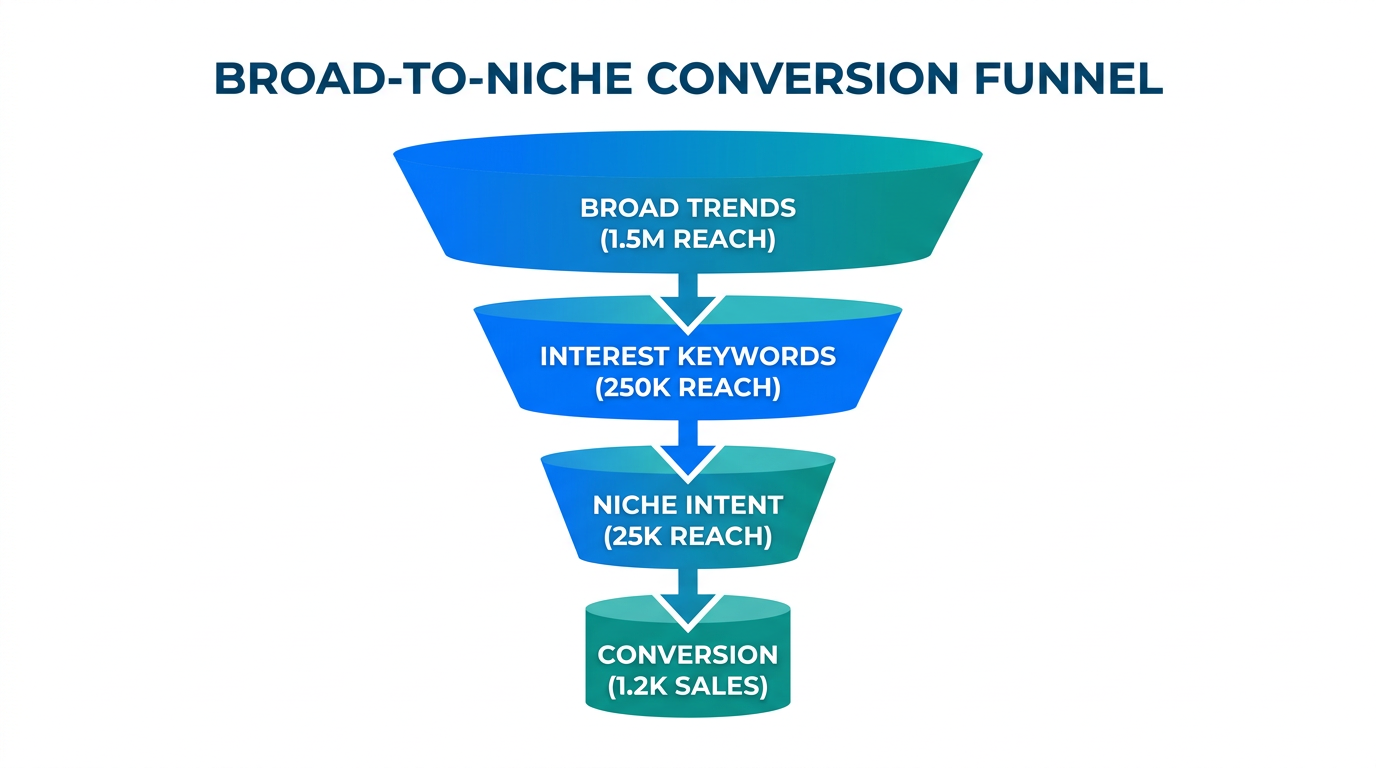
To maximize the effectiveness of your TikTok keyword research, you should implement a "Broad-to-Niche" funnel. This strategy relies on the platform's machine learning to find your audience before you narrow your focus. Start by launching Smart+ Campaigns with broad targeting—focusing only on location, age, and language. Let the AI identify high-intent clusters based on how users interact with your SEO-optimized keywords and hooks.
"Smart visibility beats random virality every time. Use AI to listen to the data, then scale what the search intent reveals."
Once the AI identifies a winning cluster, you can use third-party production tools like AdCreative.ai or Topview.ai to generate 5+ variations of the winning hook. This modular approach prevents creative fatigue, which usually sets in after 7-10 days of the same asset running. To take this a step further, integrating influencers who already dominate your target search terms is vital. Platforms like Stormy AI allow brands to discover and vet creators who command authority in specific search clusters, providing the "human touch" that complements your AI-driven SEO strategy.
Conclusion: The Hybrid Future of TikTok Marketing
The transition to an AI-led TikTok SEO strategy is no longer a choice but a necessity for growth in 2026. By combining the analytical power of Symphony Assistant with the authenticity of UGC-style content, brands can achieve unprecedented efficiency and scale. Remember that while 90% of executives view AI as critical, only 19% have achieved deep integration. This represents a massive opportunity for early adopters to capture market share by aligning their creative production with the way users actually search for products today.
For those looking to automate the entire creator lifecycle—from discovery to outreach—using an AI-powered platform like Stormy AI can streamline the process, ensuring your SEO-optimized scripts are delivered by the right voices at the right time. Start by auditing your current "search visibility" on TikTok and use Symphony Assistant to rewrite your next three scripts with a focus on data-led audio and text signals.