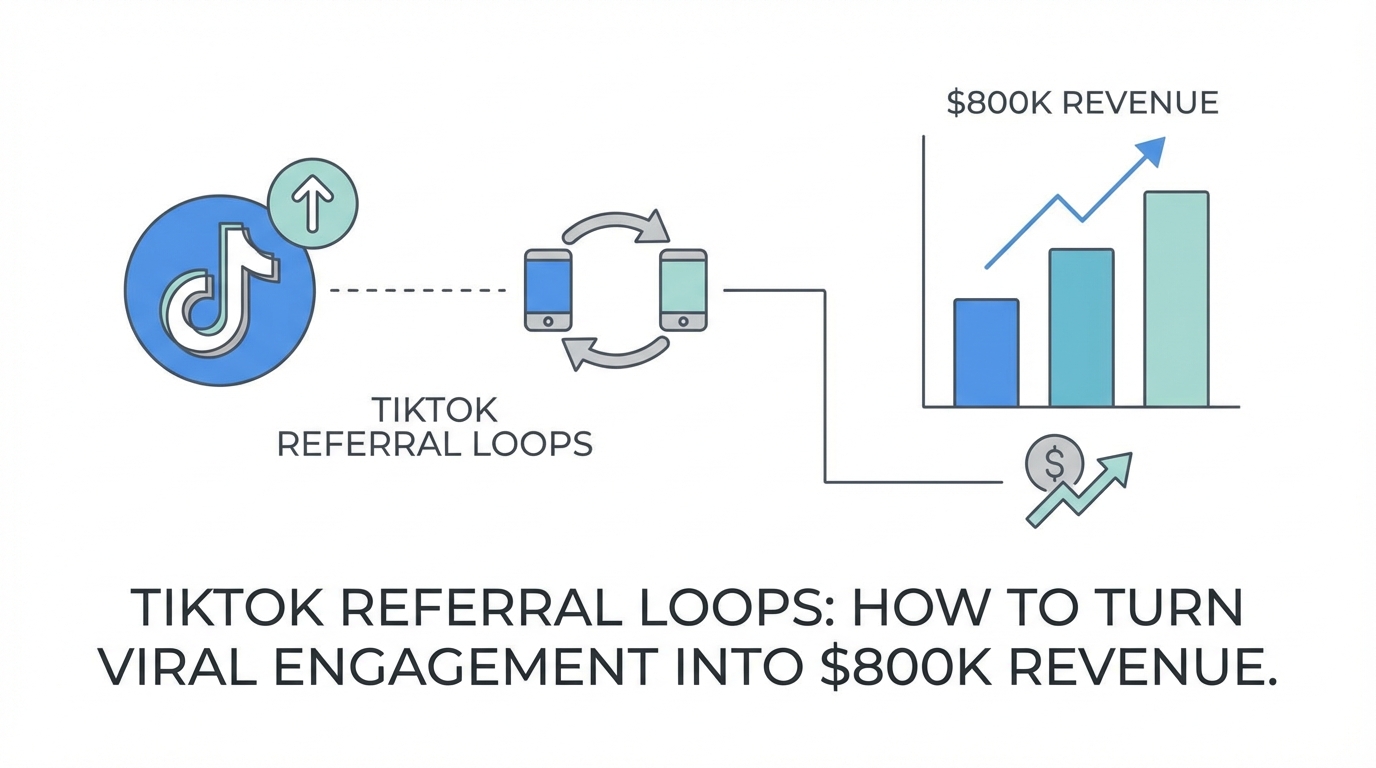
Most entrepreneurs approach app development backward: they build a complex solution and then scramble to find an audience. Louis, a developer from Canada, took the opposite route after building 10 failed apps. By studying the TikTok algorithm and identifying massive gaps in the makeup niche, he built Glow Up—an AI-driven makeup app that generated $800,000 in revenue in just one year. This success wasn't an accident; it was the result of a meticulously engineered referral marketing strategy that turned organic views into a self-sustaining growth engine. By creating a loop where users are incentivized to engage and share, he achieved a tiktok conversion rate that propelled his app to number one in the Lifestyle category of the App Store.
The Mechanics of the Viral Loop: The 'Invite 3 Friends' Hook
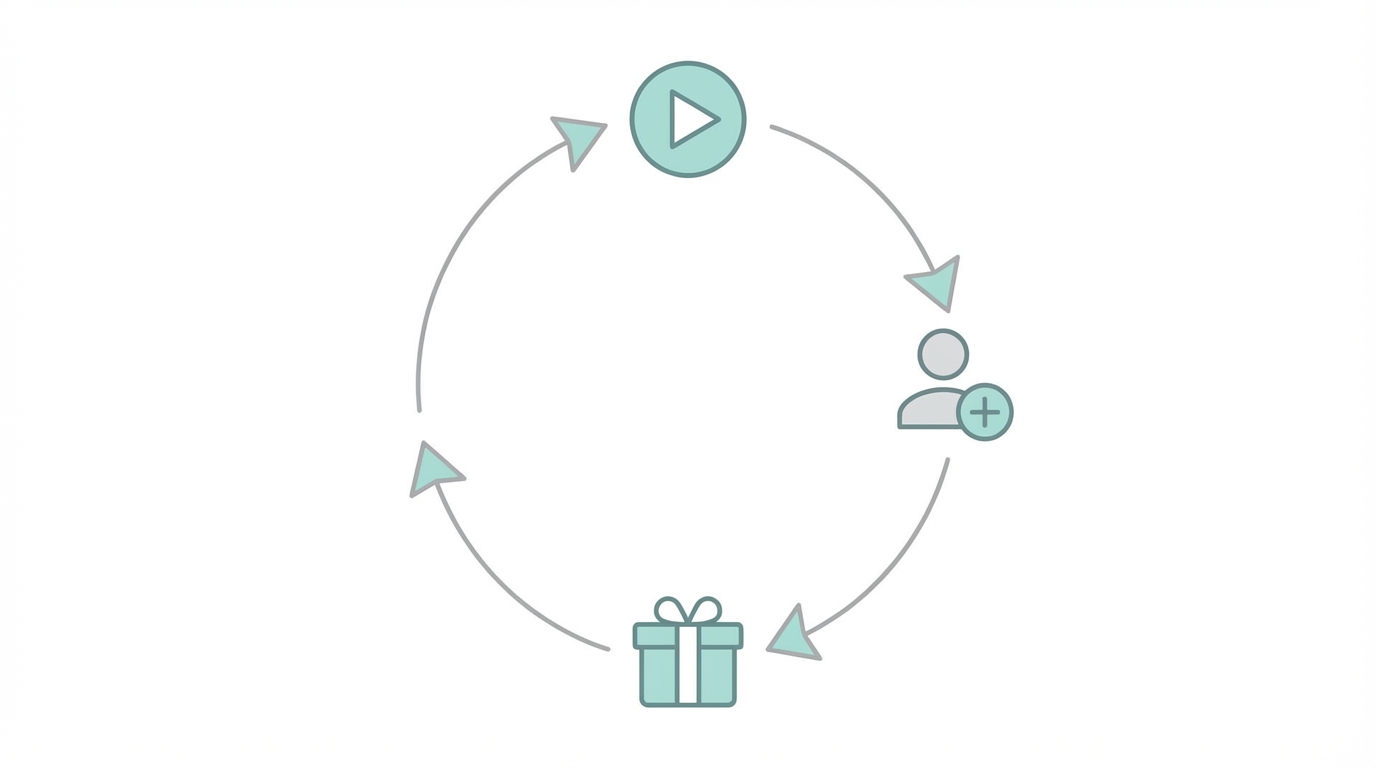
At the heart of Louis’s success is the concept of a "referral loop." Instead of relying solely on paid ads or luck, the Glow Up app integrated a social hurdle directly into its user experience. When users wanted to see their AI-generated makeup look, they were met with a choice: pay for a subscription or invite three friends to unlock the feature for free. This simple hook creates exponential growth because it forces the user to become a promoter to access the product's value.
This strategy works because it leverages social proof. When a user sends a referral link to three friends, those friends are receiving a recommendation from a trusted source, which significantly lowers the barrier to entry compared to a standard advertisement. For app developers looking to monetize tiktok traffic, this loop ensures that every single download has the potential to bring in three more, creating a snowball effect that the algorithm loves to amplify.
How Comments Drive Algorithm Reach: The Referral Code Strategy
Engagement is the lifeblood of TikTok. The platform’s recommendation engine prioritizes videos with high comment counts and watch time. Louis exploited this by encouraging users to share their referral codes directly in the video comments. This created a secondary loop: users would watch a viral video, download the app, see they needed to invite friends, and then return to the original video to paste their code in the comments section.
This behavior signals to the algorithm that the video is highly engaging, causing it to push the content to even more users. In one instance, a single video garnered 48 million views and 2 million likes, resulting in $12,500 in sales in a single day. By turning the comments section into a marketplace for referral codes, you aren't just building a community; you are fueling the algorithm with the exact metrics it needs to go viral. This is a core component of a modern Stormy AI strategy and referral marketing strategy for mobile apps.
The TikTok Growth Playbook: From Zero to 100K Users

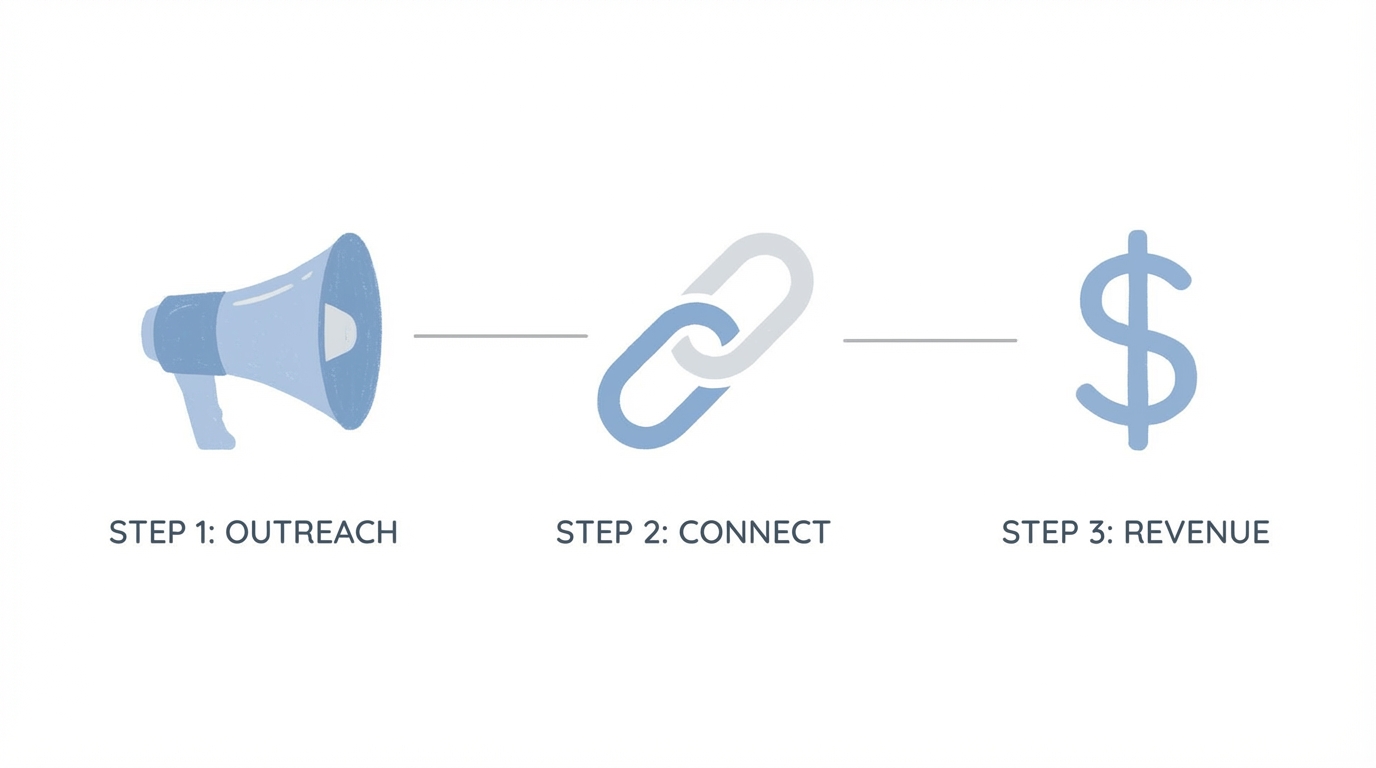
To replicate this success, you need a systematic approach to content creation and account management. While you can hunt for trends manually, using Stormy AI to search for top-performing creators in your niche with natural-language prompts can help you find the right inspiration much faster.
Step 1: Warming Up the Account
You cannot simply create an account and start blasting links. Louis recommends warming up a new TikTok account for at least three days. This involves using a dedicated device (preferably a new iPhone) with a US SIM card and a high-quality VPN if you are outside the States. Spend 15 to 30 minutes a day scrolling, liking, and commenting on videos within your target niche—in this case, makeup and beauty. This tells the platform you are a legitimate user, not a bot.
Step 2: Identifying High-Volume Hashtags
Success starts with research. Before writing a line of code, Louis looked at the biggest hashtags in the makeup niche to see what users were complaining about or asking for in the comments. By targeting high-volume hashtags, you ensure you are entering a market with existing demand.
Step 3: Content Replication and Frequency
The strategy involves posting four to six times a day across multiple accounts. The goal is to find a faceless, easy-to-reproduce trend and iterate on it. If one account gets shadowbanned or fails to gain traction, you have others in the pipeline. At his peak, Louis had seven accounts posting up to 12 times a day, creating a massive net to catch viral traffic.
Timing the Anchor Link: Why 500k Views is the Magic Number
One of the most counterintuitive pieces of advice from Louis is the timing of the CTA (Call to Action). TikTok allows creators to add an "anchor link"—a direct download button—to their videos. However, adding this link too early can be a death sentence for a video's reach. If you add a link to a video with under 1,000 views, the algorithm may flag it as overly commercial and limit its distribution.
Louis suggests waiting until a video hits 500,000 views before adding the anchor link. By that point, the video has already established strong organic momentum. Adding the download button at the peak of virality makes the transition from viewer to user seamless, significantly increasing your tiktok conversion rate. This patience ensures that the algorithm does the heavy lifting of distribution before you pivot to monetization.
Pricing Psychology: The $9.99 Per Week Model
When dealing with high-intent social traffic, pricing must reflect the immediate value the user is seeking. Glow Up utilizes a $9.99 per week subscription model. While this might seem high compared to monthly subscriptions, it is highly effective for "impulse" downloads coming from social media. Users who are excited by a viral trend are often willing to pay a smaller weekly fee to get instant access to a feature like AI makeup filters.
This pricing strategy, managed through tools like Superwall, allowed the app to reach 70,000 paying customers out of 2 million total users. With a profit margin of roughly 90%, this model proves that you don't need a massive enterprise team to generate significant cash flow. The key is to keep overhead low by using automated tools like Zero for bookkeeping and Mixpanel for event tracking.
Scaling with UGC vs. Influencer Marketing

Once you have validated your app idea with organic content, the next step is scaling. This is where user generated content for apps becomes a powerful asset. Louis notes that while he started by creating his own content, moving toward professional creators is the natural progression. You can use Stormy AI to track individual videos and monitor campaign performance across all your UGC accounts in real-time.
If you have the budget, hiring professional creators to produce high-quality, authentic videos can lead to a much higher influencer marketing ROI. UGC feels less like an ad and more like a recommendation, which is essential for maintaining the trust of the TikTok audience. For developers without a massive budget, starting with faceless organic content is the best way to build the initial capital. Once ready to scale, Stormy AI allows you to vet creators instantly and detect fake followers, ensuring you only spend your budget on influencers with genuine reach.
The Technical Stack: Building for Speed

To capitalize on viral trends, you must be able to move fast. Louis used Flutterflow, a low-code platform that allows for rapid app development. This enabled him to build an MVP (Minimum Viable Product) in record time and adjust features based on user feedback. The backend was supported by Firebase and Google Cloud Functions, ensuring the app could handle sudden spikes in traffic when a video went viral.
Managing the financial side of a rapidly growing business is equally important. Louis emphasized the need for automated systems to handle the "business" side of things—taxes, expenses, and cash flow—recommending Zero to keep the operations running smoothly while he focused on marketing and growth. For paid acquisition beyond TikTok, tools like Google Ads and Apple Search Ads can complement the organic strategy once the viral loop is established.
Conclusion: Move First, Adjust Later
The story of Glow Up is a testament to the power of referral marketing strategy combined with the reach of TikTok. By identifying a niche, validating it through organic content, and building a viral loop that encourages sharing and engagement, Louis transformed a side project into an $800,000 revenue stream. The primary takeaway for any developer or marketer is to move fast and iterate. Don't wait for a perfect product; find a problem that people are already talking about in the comments and build a simple solution.
Whether you are building your first app or looking to scale an existing one, the lesson remains: content is the ultimate growth lever. Focus on engagement metrics, time your CTAs strategically, and use Stormy AI to find your next viral hit through data-driven creator discovery. By staying focused and grinding through the initial phases, you can build a capitalistic endeavor that eventually funds your true passions.