The traditional mobile app growth model is broken. For years, the standard operating procedure for developers was to build a polished product, raise venture capital, and dump millions into Facebook Ads or Google Ads. But as the consumer landscape becomes increasingly commoditized, the advantage has shifted from those with the best code to those who own the most attention. Today, a new generation of founders is proving that a robust tiktok organic strategy can outperform a multi-million dollar ad budget. By reverse-engineering content trends and mastering viral app growth through scrappy distribution hacks, indie developers and venture-backed teams alike are reaching the top of the App Store charts with zero paid spend. This guide breaks down the specific app marketing tactics used by the industry's top players to turn mobile app distribution into a science rather than a lottery.
Why Distribution Now Beats Product in 2025
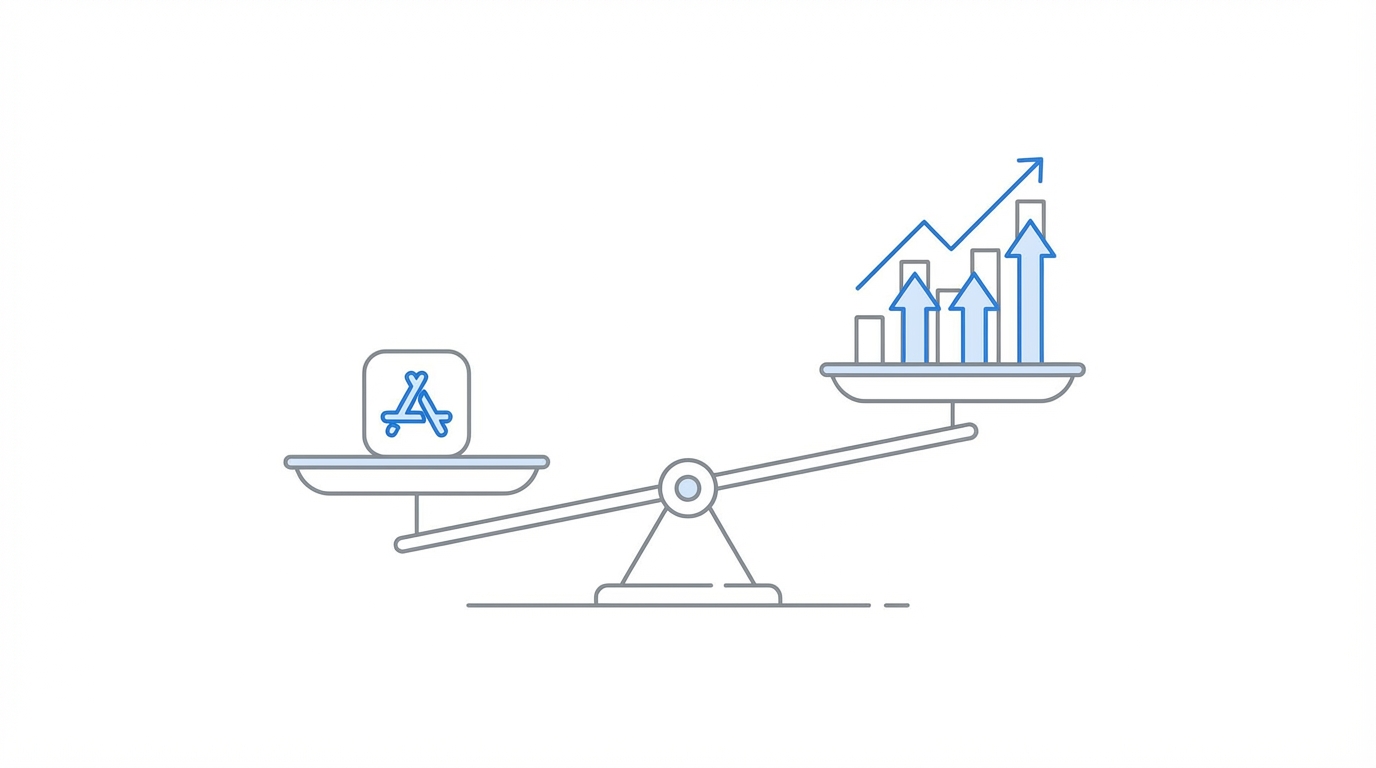

We are living in an era where the barrier to building software has effectively trended toward zero. With the rise of AI-powered coding tools, the technical moat of an app is thinner than ever. As Joseph Choi, founder of Consumer Club, notes, the app world is becoming as commoditized as the e-commerce world. In a market where hundreds of 'wrappers' or similar utility apps can be launched in a weekend, the winner isn't the one with the cleanest UI; it’s the one that understands tiktok for developers as a distribution powerhouse. For developers, this means the marketing tactics used by affiliate marketers and e-commerce giants are now the blueprint for software success. If you can’t capture and hold attention, your product—no matter how revolutionary—will remain invisible.
This shift has led to the rise of 'distribution-first' product development. Instead of building an app and then wondering how to market it, successful founders are now identifying viral content formats on TikTok and building features specifically to feed those formats. A prime example is Cal AI, which scaled to millions in revenue by focusing on a single, highly recordable feature: the AI food scan. While the core utility is calorie tracking, the viral app growth was driven by the visual 'wow' factor of scanning a plate of food—a moment designed perfectly for a short-form video clip.
The 'Scroll-to-Product' Method: Slideshows vs. Talking Heads
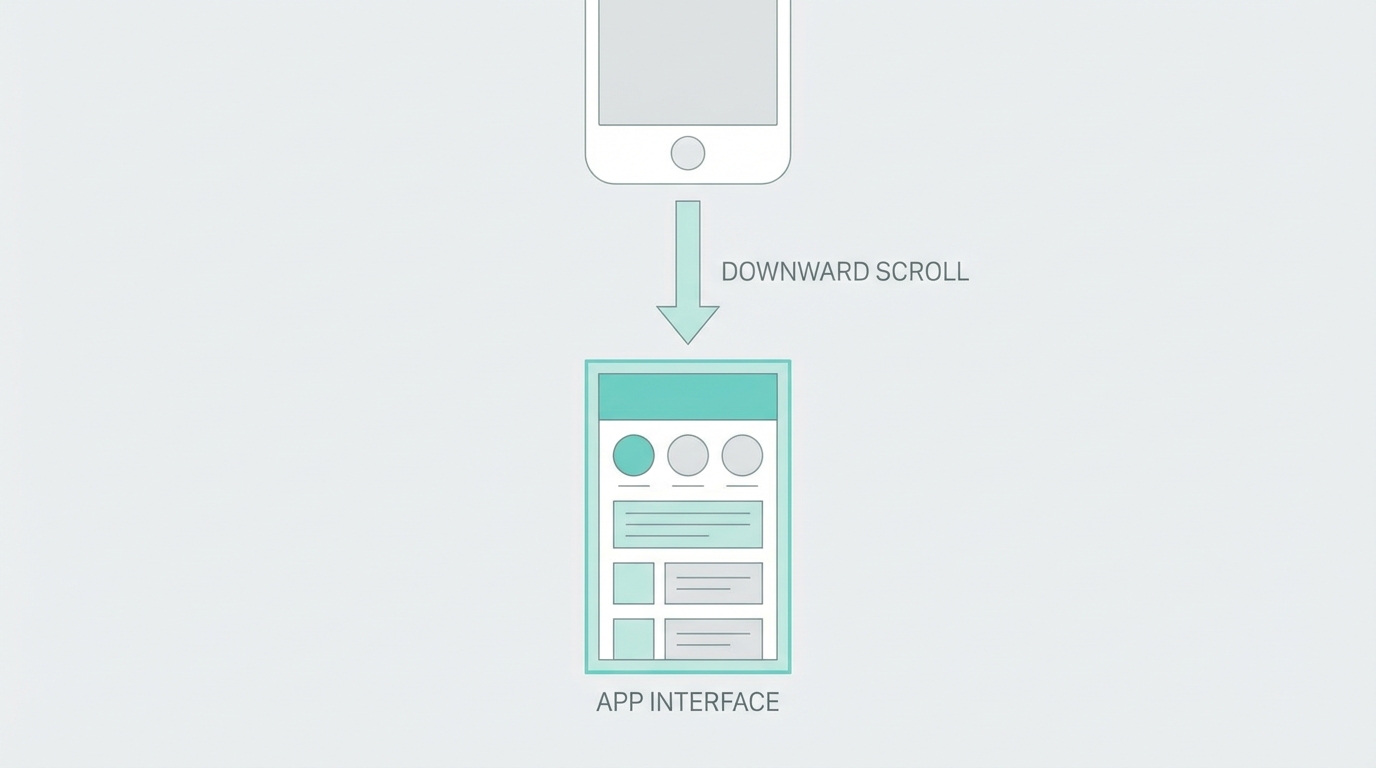
To succeed with a tiktok organic strategy, you must understand the current 'meta' of content formats. The most effective app marketing tactics currently fall into two categories: the high-retention slideshow and the personalized talking head. Historically, influencer marketing relied on high-production videos, but the modern algorithm favors organic-feeling content over polished commercials. E-commerce brands like Tabs Chocolate pioneered this by hiring teenagers to post raw, unedited clips that looked like user-generated content (UGC) rather than ads.
The Power of TikTok Carousels
TikTok slideshows or carousels are currently a massive 'edge' for mobile app distribution because they are incredibly easy to produce and have high psychological engagement. By using a 'storytime' format—where a series of text-heavy slides tells a compelling narrative or shares a controversial opinion—you force the viewer to stay on the video longer to read the content. This signals to the TikTok algorithm that the content is valuable, pushing it to more users. Developers can use this by creating slides that solve a common pain point (e.g., 'How I fixed my sleep schedule') and subtly 'flashing' their app as the solution in the middle of the deck.
Talking Heads and the Green Screen Hack
Talking head videos—where a creator speaks directly to the camera—remain the gold standard for building trust. However, for tiktok for developers, showing the app on-screen is the challenge. The 'Green Screen' effect is the primary tool here. By placing a recording of the app's interface behind the speaker, you can narrate the value proposition while the user sees the product in action. This format works exceptionally well for utility apps, AI companions, and productivity tools where the interface itself is part of the 'hook.'
Engineering Curiosity Gaps and the 'App Flash'
One of the most sophisticated app marketing tactics involves building intrigue rather than delivering a hard sell. Instead of a 30-second explanation of why someone should download your app, try the 'App Flash' method. This involves showing the app for only one or two seconds within a broader, high-interest video. For example, a student might post a 'Study with Me' video featuring an aesthetic desk setup, and for a split second, the camera pans over Focus Tree running on their phone. This creates a 'curiosity gap' where viewers flock to the comments to ask, 'What was that app on the screen?'
When you stop 'selling' and start 'showing,' you trigger a natural human desire to discover what’s new. This tactic has been used successfully by apps in the fitness and study niches to drive thousands of App Store searches. Because users are closing TikTok to manually search for your app in the App Store, the quality of the download is often higher, as the user has already taken an intentional step to find you. To facilitate this, your app name must be easy to spell and unique enough to rank #1 for that specific keyword search.
Turning the Comment Section Into a High-Converting Landing Page
In a successful tiktok organic strategy, the video is just the top of the funnel. The real work happens in the comments. Many users scroll through comments while the video loops in the background, making it the perfect place to drop your call to action (CTA). Instead of putting a link in your bio—which many users ignore—you should respond to users who ask about the app. This creates a social proof loop. When one person asks 'What app is this?' and the creator replies with the name, every subsequent viewer sees that interaction. For brands looking to scale this, platforms like Stormy AI can help by identifying creators who are already generating high-engagement comment sections in your niche, allowing you to partner with the right voices for viral app growth.
Furthermore, the 'Video Reply' feature on TikTok is a zero-cost retargeting strategy. If a video gets a million views, you can pick a top comment and reply to it with a *new* video. The TikTok algorithm is highly likely to show that video reply to the same people who engaged with the original video. This allows you to 'hit' an interested audience a second or third time without spending a cent on Meta Ads Manager. It is essentially a free remarketing campaign that capitalizes on the momentum of your first viral hit.
Scaling Mobile App Distribution with AI and Mass UGC
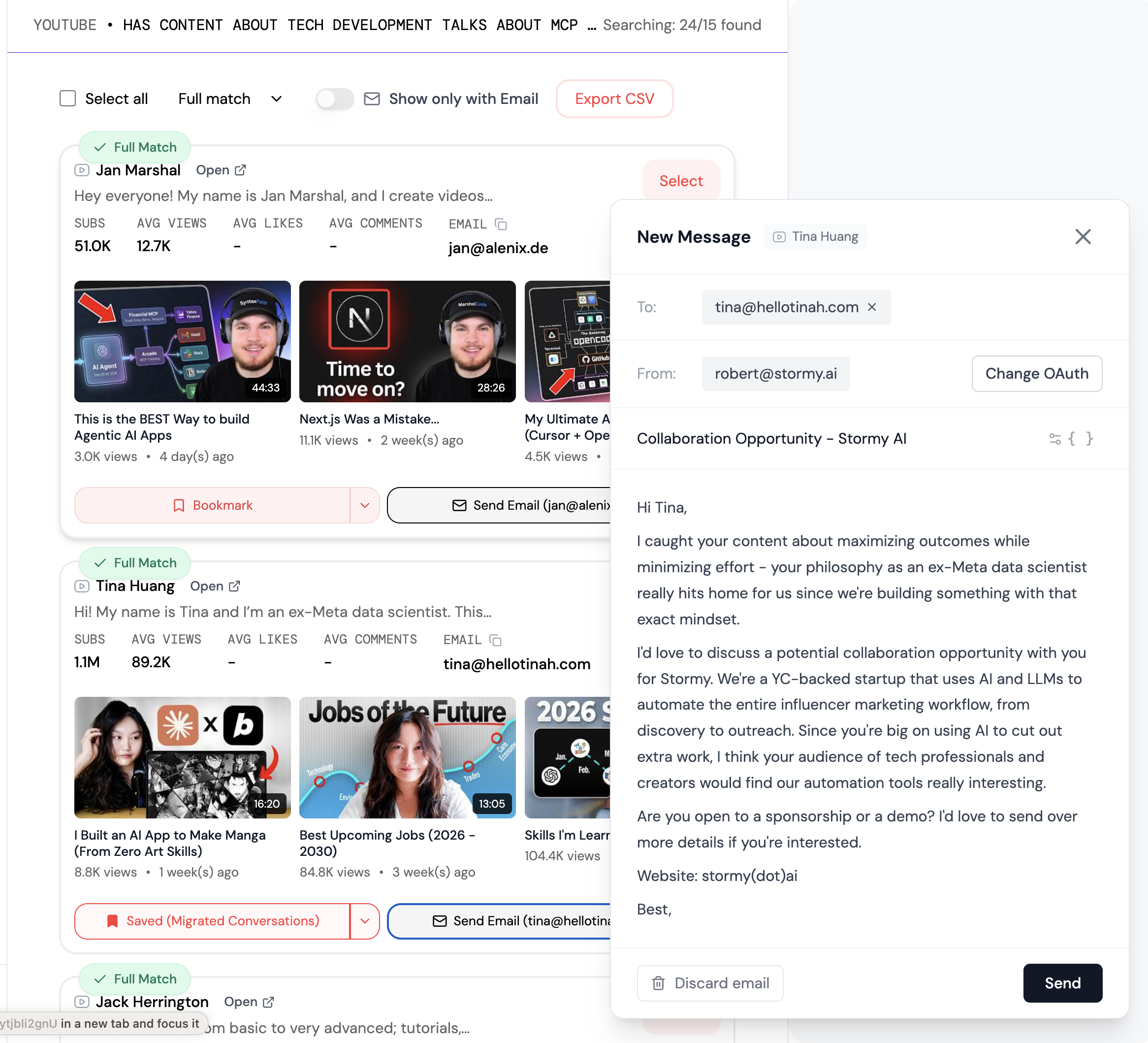
Once you find a format that works, the challenge becomes volume. The current 'meta' for massive mobile app distribution involves posting multiple times per day across several accounts. Some founders have even taken this to the extreme, flying creators to regions like the Philippines and providing them with US SIM cards to ensure the content reaches a US-based audience. However, a more scalable approach for 2025 involves AI-powered creator discovery and management. Modern platforms like Stormy AI allow developers to search for thousands of micro-influencers using natural language prompts, instantly vetting them for engagement quality and audience demographics before starting an automated outreach sequence.
Technological advancements like HeyGen and ElevenLabs are also changing the game for tiktok for developers. Founders are now using AI avatars to narrate slideshows or act as 'faceless' influencers. These AI actors can emotively speak and gesture over a background of app footage, allowing for the mass production of content without the need for a physical studio or expensive equipment. While there is a debate about the 'authenticity' of AI content, the metrics suggest that if the story is compelling, users will engage regardless of whether the face on the screen is real or generated.
The 5-Step Playbook for Viral App Growth
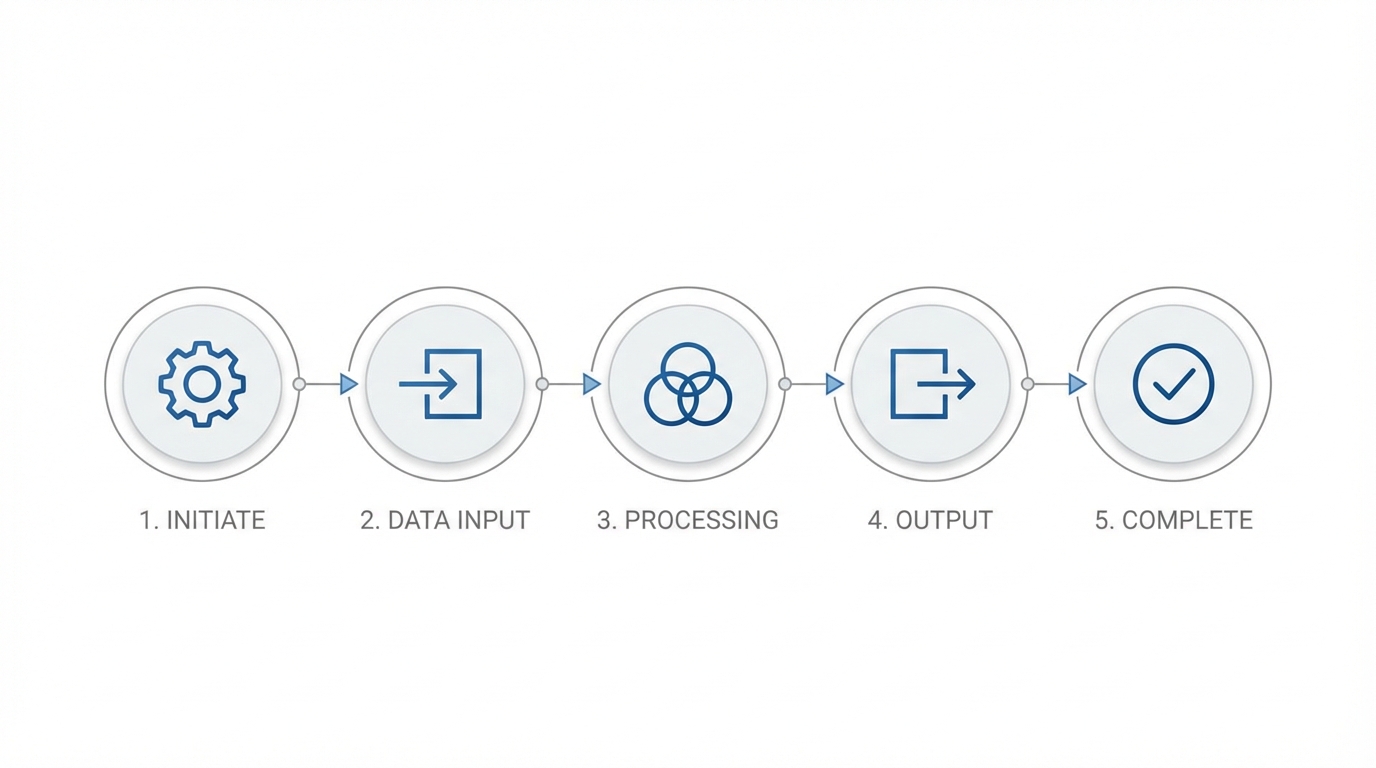
If you are ready to implement a tiktok organic strategy for your mobile app, follow this clear, actionable playbook to move from zero views to thousands of downloads.
Step 1: Reverse-Engineer the Channel
Before writing a single line of code or recording a video, spend a week as a 'student of the scroll.' Use TikTok search to find apps in your niche and identify their top-performing videos. Are they using carousels, AI voices, or high-energy talking heads? Look for videos with a high 'engagement-to-follower' ratio to see what the algorithm is currently favoring.
Step 2: Create Your Content Hypotheses
Choose 3 distinct content formats based on your research. For example: one 'App Flash' aesthetic video, one 'Storytime' carousel solving a problem, and one 'Green Screen' demo of a specific feature. You can leverage Stormy AI to find creators who specialize in these specific formats if you don't want to be the face of the brand yourself.
Step 3: Post with Volume and Variance
Don't just post once and give up. The TikTok algorithm requires data to find your audience. Aim to post at least 3 times a day for 30 days. Use different hooks, sounds, and captions. If you are worried about being 'spammy,' create multiple niche accounts rather than dumping everything onto one profile.
Step 4: Optimize the Comment Funnel
Monitor your comments religiously. When someone asks about the app, reply immediately. Use the video reply feature to turn those questions into new content. This not only builds community but also acts as a 'soft sell' that the algorithm loves to promote.
Step 5: Bridge the Web-to-App Gap
For many apps, the friction of the App Store is a conversion killer. Modern app marketing tactics often involve a 'web-to-app' funnel. By directing TikTok users to a high-converting web landing page first—built with tools like Superwall—you can onboard users, collect their data, and even process payments via Stripe before they ever download the app. This drastically increases the Lifetime Value (LTV) of the organic traffic you generate.
Conclusion: The Future of Mobile App Distribution
The days of 'build it and they will come' are long gone. In the modern app economy, your tiktok organic strategy is just as important as your tech stack. By mastering the art of the scroll-to-product method, engineering curiosity gaps, and leveraging AI for scale, you can build a multi-million dollar business on the back of underpriced attention. Whether you are a solo dev 'vibe coding' your way to ramen profitability or a VC-backed founder looking for an edge, the playbook remains the same: identify the viral moment, capture the attention, and convert the curiosity. The viral app growth you're looking for is only one well-executed TikTok away.