While traditional Wall Street analysts are buried in balance sheets and the latest 10-K filings, a new breed of investors is finding a distinct edge in the most unlikely of places: the TikTok comment section. For years, legends like Warren Buffett and Charlie Munger dominated by reading the Moody’s manual from cover to cover, looking for mispriced assets in the numbers. But as the speed of culture accelerates, the numbers have become a lagging indicator. By the time a surge in sales shows up in a quarterly earnings report, the opportunity for outsized returns—the alpha—has often vanished. The real signal is now found in the raw, unfiltered conversational data of everyday consumers long before they ever open their wallets.
Conversational vs. Transactional Data: The Leading Indicator Edge

Most social media competitive intelligence relies on transactional data. Large hedge funds spend tens of millions of dollars on credit card receipt data to see what happened last week. However, transactional data is inherently historical. It tells you what people bought, not what they are going to buy. To find true information asymmetry, you have to look at conversational data. This involves monitoring what people are talking about, their growing interests, and their shifting frustrations in real-time on platforms like TikTok.
As investor Chris Camillo demonstrated by turning $20,000 into over $70 million, speech patterns are the ultimate leading indicator. Before a teenager buys a specific brand of makeup or an app developer sees a surge in downloads, they talk about it. They comment on videos, ask questions about product availability, and share their excitement with their peers. This "social arb" (social arbitrage) method focuses on consumer trend analysis by surfacing these behavioral changes early and connecting the dots back to the companies that will benefit. When you identify a surge in interest before the market prices it in, you are operating at the point of information asymmetry. You exit only when the rest of the market catches up, reaching the point of information parity.
The 'Delta' Method: Measuring Abnormal Surges

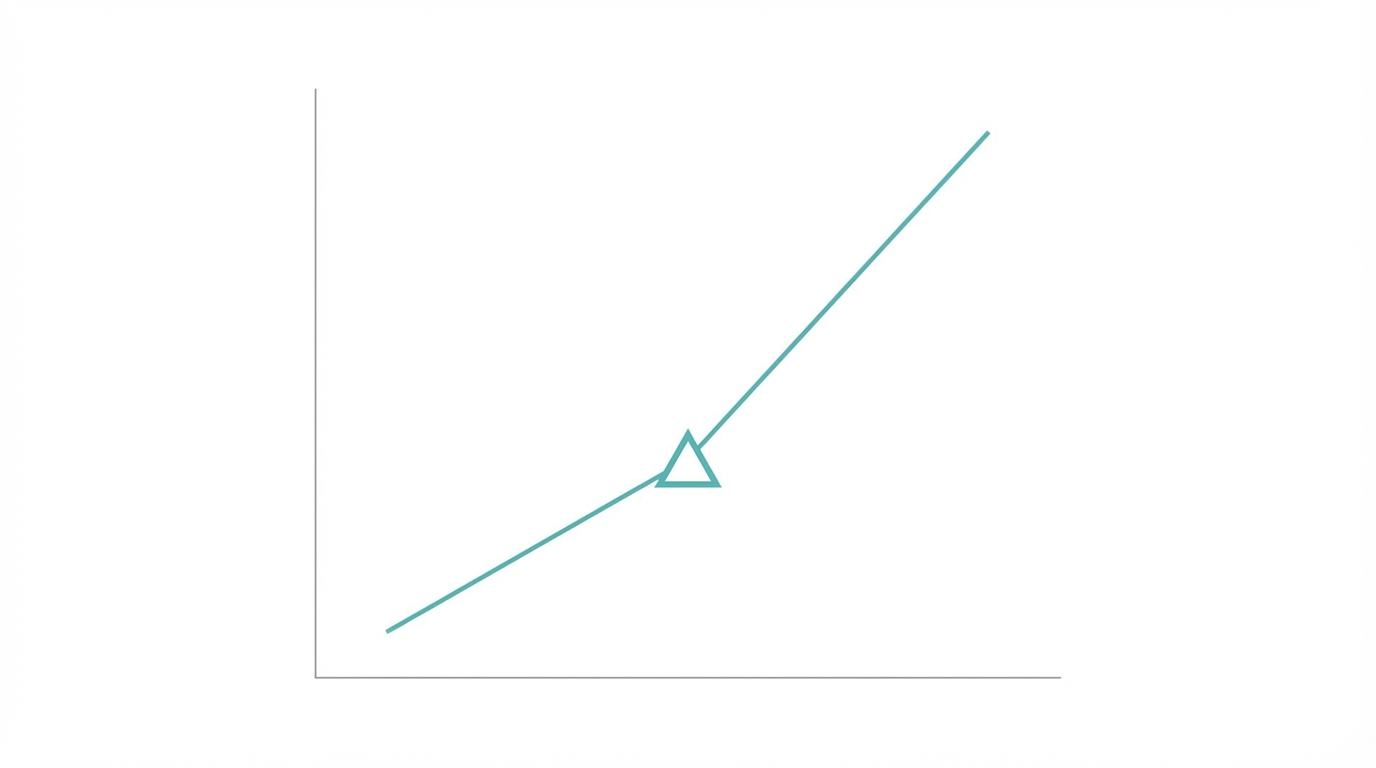
How do you distinguish a fleeting viral moment from a sustainable trend? The answer lies in the 'Delta' Method. This technique doesn't just look at high volume; it looks at abnormal surges relative to historical norms. If a keyword like "roof repair" or "hail damage" triple in search frequency overnight, it represents a significant delta that could impact the bottom line of companies like Beacon Roofing. While platforms like Stormy AI are essential for discovering which creators are driving these conversations through AI-powered search, the investor's job is to quantify the shift.
To execute the Delta Method effectively, follow these steps:
- Identify the Keyword Taxonomy: Curate a list of words or phrases associated with a brand. For a mobile app, this might include the app name plus "review," "stuck on level," or "how to use."
- Benchmark Against Seasonality: Use Google Trends to ensure the surge isn't just a standard seasonal peak.
- Verify the Reach: Cross-reference the mentions across different social channels. A trend that starts on Reddit and moves to TikTok is gaining more momentum than one localized to a single niche.
By focusing on the delta—the change in behavior—you can predict earnings beats weeks before the analysts on Wall Street even get their hands on the insurance reports or credit card data.
The Playbook for Social Due Diligence
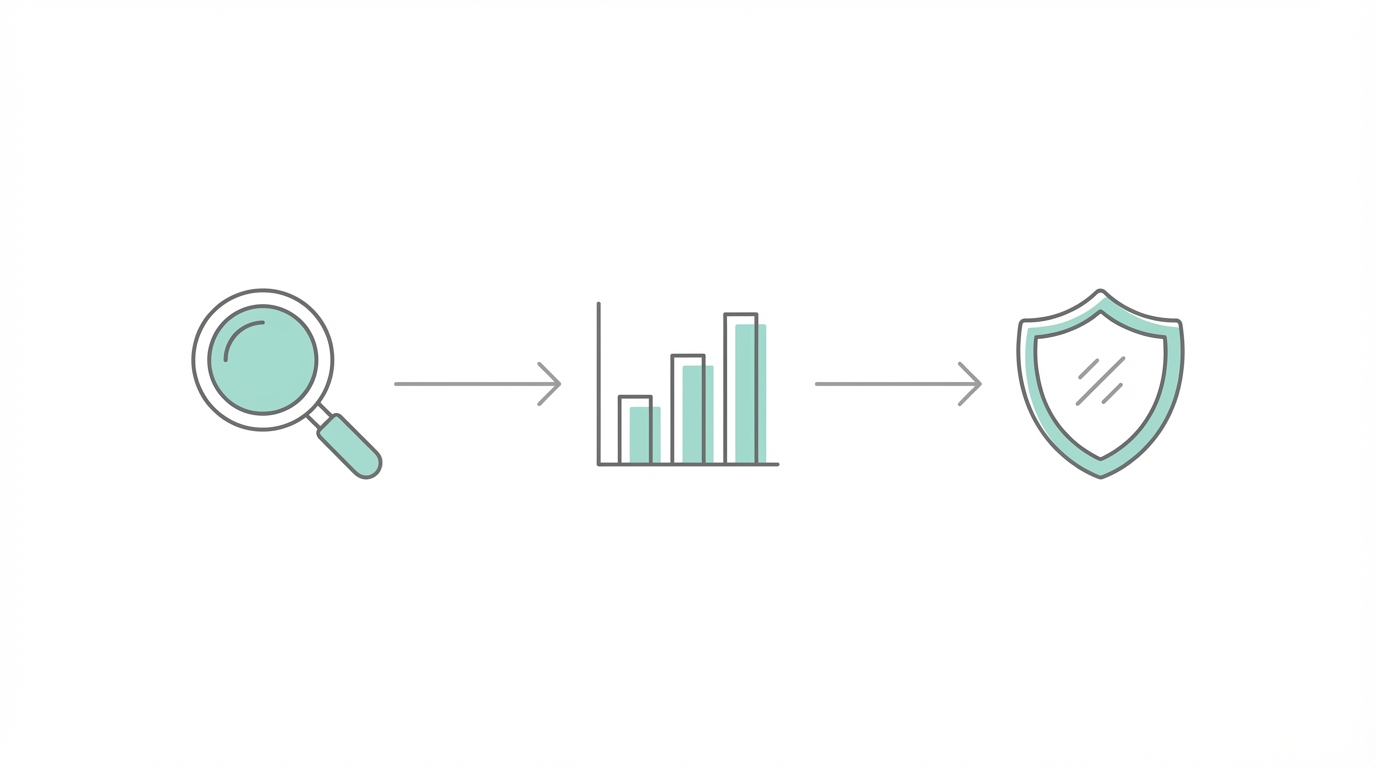
Once you’ve identified a potential trend using Stormy AI to vet creator quality and detect engagement fraud, you must perform deep social due diligence. This isn't a 15-minute scroll; it’s a 3-4 hour deep dive into the nuances of human interaction. This is where you measure the depth of consumer intent. It’s one thing for a video to have 10 million views; it’s another for that video to have 30,000 comments where users are actively asking, "Where can I buy this?" or "Is this back in stock yet?"
Step 1: Scour the Comment Sections
Read the comments on the top 10 most viral videos related to the trend. Are people tagging their friends? Are they expressing genuine intent to purchase? In the case of e.l.f. Cosmetics, tracking the comments on a single YouTube video by influencer Jeffree Star revealed that a specific $8 primer was being treated as a "must-have" alternative to $60 luxury products. The intensity of the comments was the signal that this was a game-changing moment for the stock.
Step 2: Perform Field Research
If the trend involves a physical product or a retail experience, go to the source. Visit local stores like CVS or Walgreens and observe. Talk to the clerks. Are they seeing an influx of moms and kids buying out specific inventory? This "on-the-ground" verification confirms that the online buzz is translating into offline action. For brands and developers looking to replicate this success, using Stormy AI can help find the exact UGC creators who are triggering these retail surges.
Step 3: Test the Counter-Thesis
Every great trade needs a "hole-poking" phase. Look for reasons why the trend might fail. Is it limited to one geography? Is the company's supply chain unable to handle the sudden demand? During the 2019 "Chicken Wars," Popeyes had a viral hit with their chicken sandwich, but their inability to maintain inventory was a critical factor to watch. A comprehensive TikTok analytics for brands strategy must account for these operational bottlenecks.
Tools of the Trade: Verifying the Viral Moment
While manual scrolling provides the context, software provides the scale. To turn conversational data into a robust investment thesis, you need a stack of reliable tools. Start with Google Trends to see the search volume over a multi-year period. This allows you to see if the current "viral" moment is actually a historical anomaly. Social listening tools help you track mentions across the web, but you must be careful with automation. Sentiment analysis is often too blunt an instrument to catch the nuance of internet slang or sarcasm.
For mobile app marketers and developers, combining these social signals with Apple Search Ads data can reveal if a trend is translating into high-intent search behavior on the App Store. If you see a surge in TikTok mentions for "slime-making" and a corresponding spike in App Store searches for creative DIY apps, you've found a lucrative connection. Brands that excel here often use Stormy AI, which provides an AI-powered platform for automated outreach and creator email enrichment, to identify and recruit the specific UGC creators who are best suited for mobile app ads, ensuring their creative matches the viral energy of the moment.
Case Study: The Sphere & Wizard of Oz
One of the most recent examples of social arb in action involves The Sphere in Las Vegas. Traditional analysts were skeptical of the venue's long-term profitability, often focusing on the high cost of construction and debt. However, observational investors began tracking the release of the Wizard of Oz show at the venue. By spending hours reading TikTok and Instagram reviews within the first 48 hours of the show's launch, a clear pattern emerged: the show was finding immediate product-market fit.
The Social Due Diligence involved:
- Reading thousands of reviews: Identifying people planning to fly in from overseas specifically for the show.
- Manual Seat-Sale Tracking: Going into the ticketing system and seeing how many seats were available for shows two weeks out. Real-time inventory depletion is the ultimate proof of demand.
- Delta Analysis: Comparing the velocity of seat sales for Wizard of Oz against previous shows.
This led to a massive long position on the stock. When the company eventually announced they were adding more shows due to overwhelming demand, the stock price doubled. The information parity was reached, and the early observational investors were ready to take profits while the late-comers were just starting to read the headlines.
Applying the Alpha to Mobile App Marketing
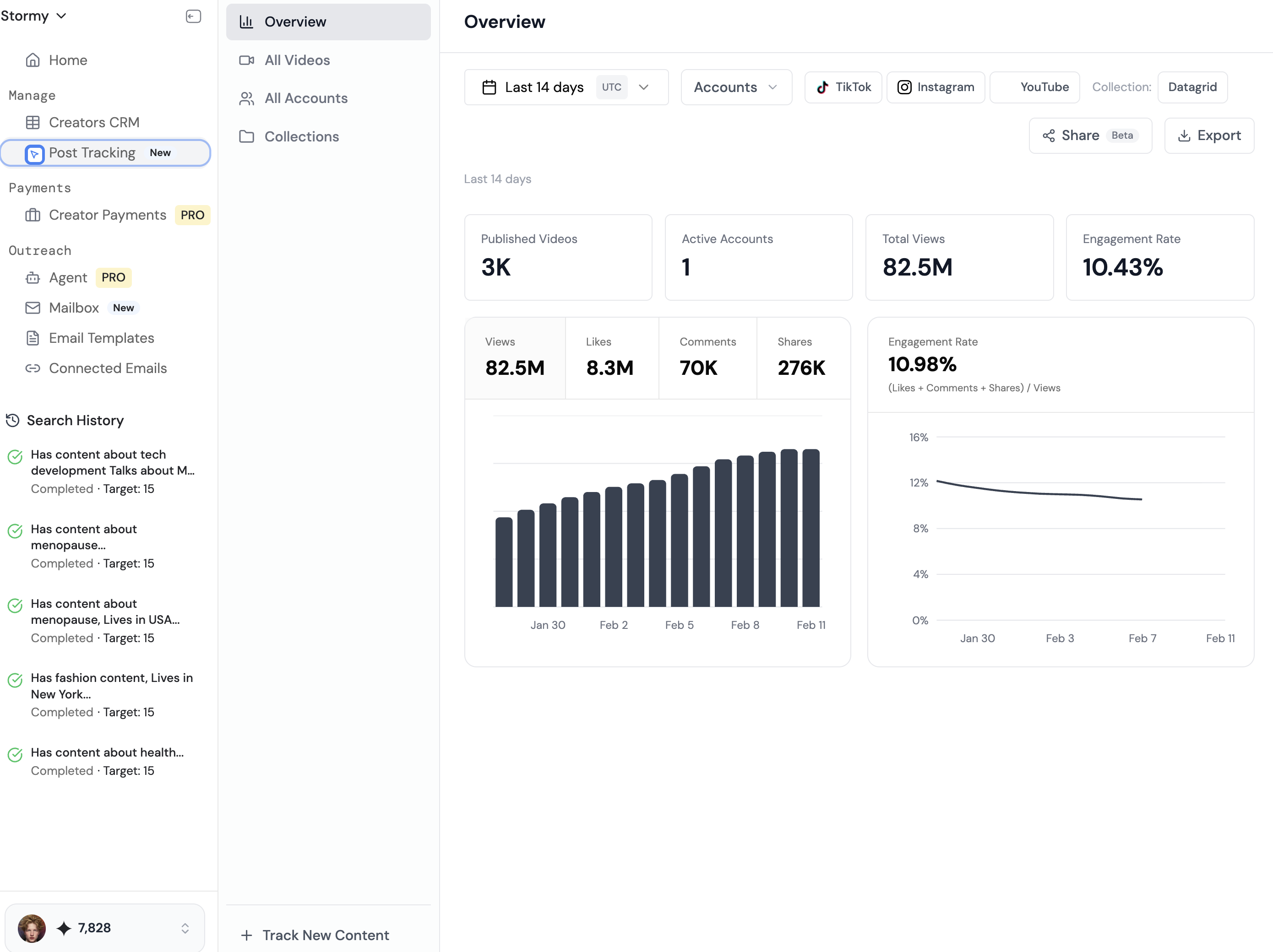
This methodology isn't just for stock traders; it's a blueprint for growth marketers and app developers. If you are running app install campaigns on Meta Ads Manager or Google Ads, you should be looking for these same conversational triggers. Are users complaining about a specific feature in a competitor's app? Is there a new aesthetic trend on TikTok that you could leverage in your UGC (user-generated content) creatives?
The intersection of AI-powered creator discovery and social listening allows you to find creators who aren't just "influencers," but are cultural catalysts. Using a platform like Stormy AI, which serves as a comprehensive creator CRM and post-tracking suite, helps you find the specific individuals who are already generating the conversational data you want to tap into. By partnering with these creators, you can move your app from a transactional purchase to a cultural conversation, drastically lowering your customer acquisition costs (CAC) and improving your App Store Optimization (ASO) through increased organic search volume.
Conclusion: Building Your Risk Bucket
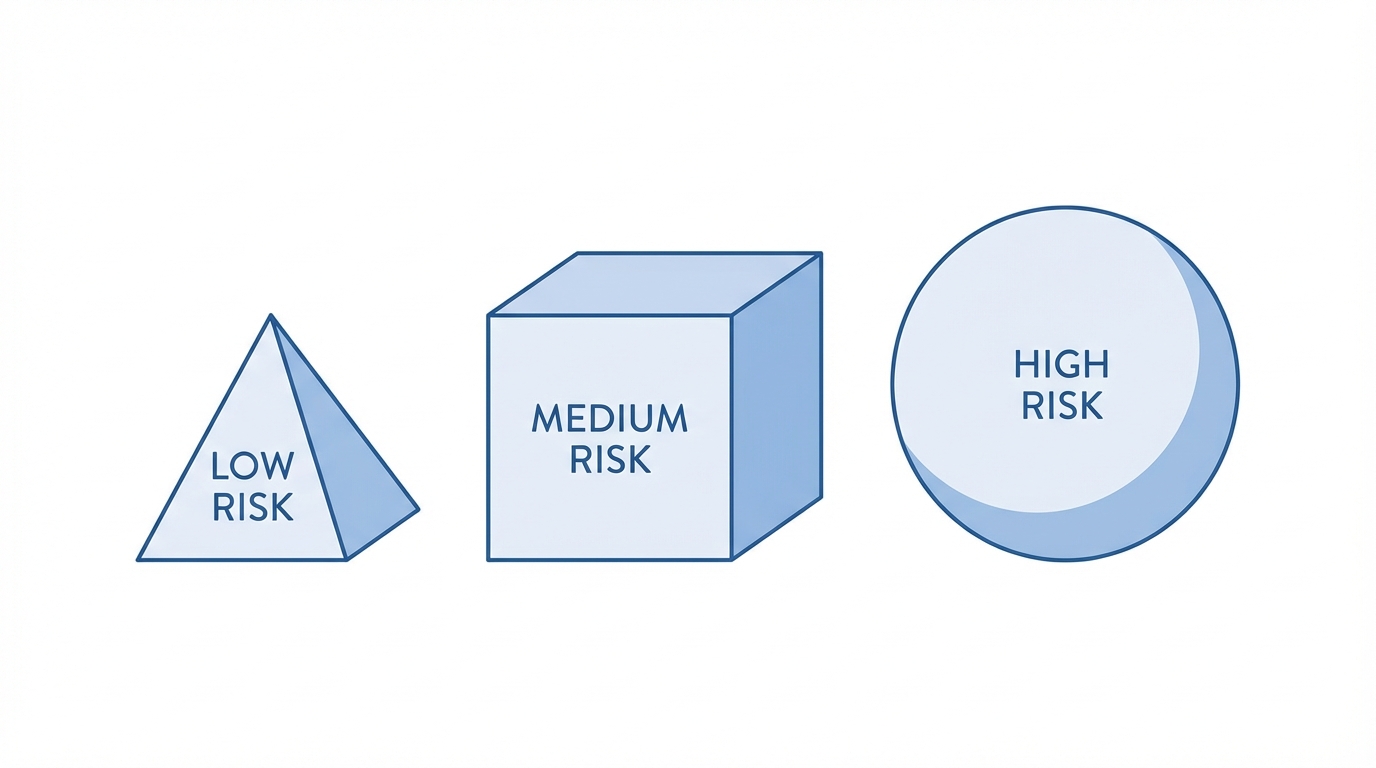
To succeed with the TikTok Alpha playbook, you must shift your mindset. It requires separating your "big money" account—your risk capital—from your everyday savings. This isn't about reckless gambling; it's about taking calculated, high-conviction swings when you have information asymmetry. Whether you are investing in public companies or building a mobile app startup, the goal is the same: find the change in the world before it becomes obvious to everyone else.
Start small. Spend those 3 to 4 hours tonight in the comments. Look for the deltas. Use the tools. When you find a trend that feels like a "grand slam," perform the due diligence that Wall Street is too lazy to do. By bridging the gap between social signals and financial or marketing decisions, you aren't just following trends—you're predicting them. The wealth gap is bridged by those who choose to enter the investor class and leverage the power of the internet's collective voice.