In 2016, the world watched as Lee Sedol, the legendary Korean Go master, sat stunned after losing to Google’s AlphaGo. It was the moment human creative intuition met its match in a machine that didn't just calculate—it felt like it was inventing. Fast forward to 2026, and the marketing world is having its own 'Lee Sedol Moment.' For decades, brand building was a 'religion of taste' governed by elite creative directors and high-priced agencies. But today, the TikTok algorithm is the new arbiter of taste, proving that machines can predict what consumers want far more accurately than any human editor ever could. Winning in this landscape requires a total inversion of the traditional sales and creative model.
The Lee Sedol Lesson: AI 'Taste' and the Consumer Eye
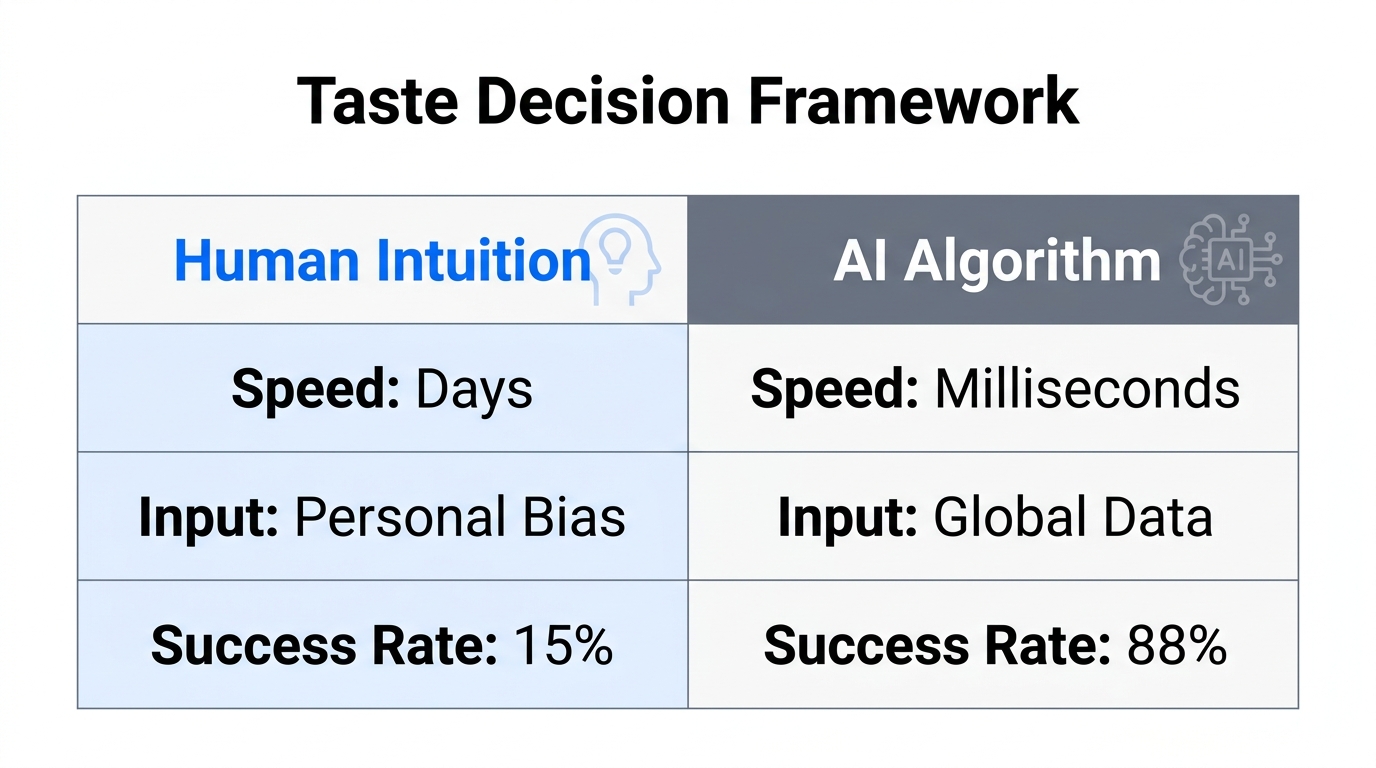
For years, marketers believed that 'taste' was a human-only domain—a fuzzy, psychological area where AI would always struggle. We were wrong. As the research shows, TikTok has proven that the algorithm is the ultimate judge of culture because taste is ultimately in the eye of the consumer. When you put an AI-generated burger in front of a person and they choose it over a gourmet, chef-designed option, the machine has won the 'taste' battle. It doesn't matter if it's 'slop' to an elitist; it wins the choice of the customer.
"You think you're a taste maker until you put the burger in front of the person—and they like the McDonald's burger more. Billions of people choose the McDonald's burger over your St. Charles burger. The algorithm is literally the definition of taste."
In 2026, algorithm-driven growth is no longer about finding the 'perfect' aesthetic. It’s about realizing that consumer choice is the only metric that matters. Whether it's Canva-designed UGC or high-end cinematography, the algorithm rewards what keeps people watching. This is the 'Lee Sedol Moment' for creative directors: accepting that the machine’s 'Move 37'—the move that looks like a mistake to humans but leads to a win—is the new standard for viral success.
Why 'Volume Wins' in 2026: 1,000 Shots on Goal
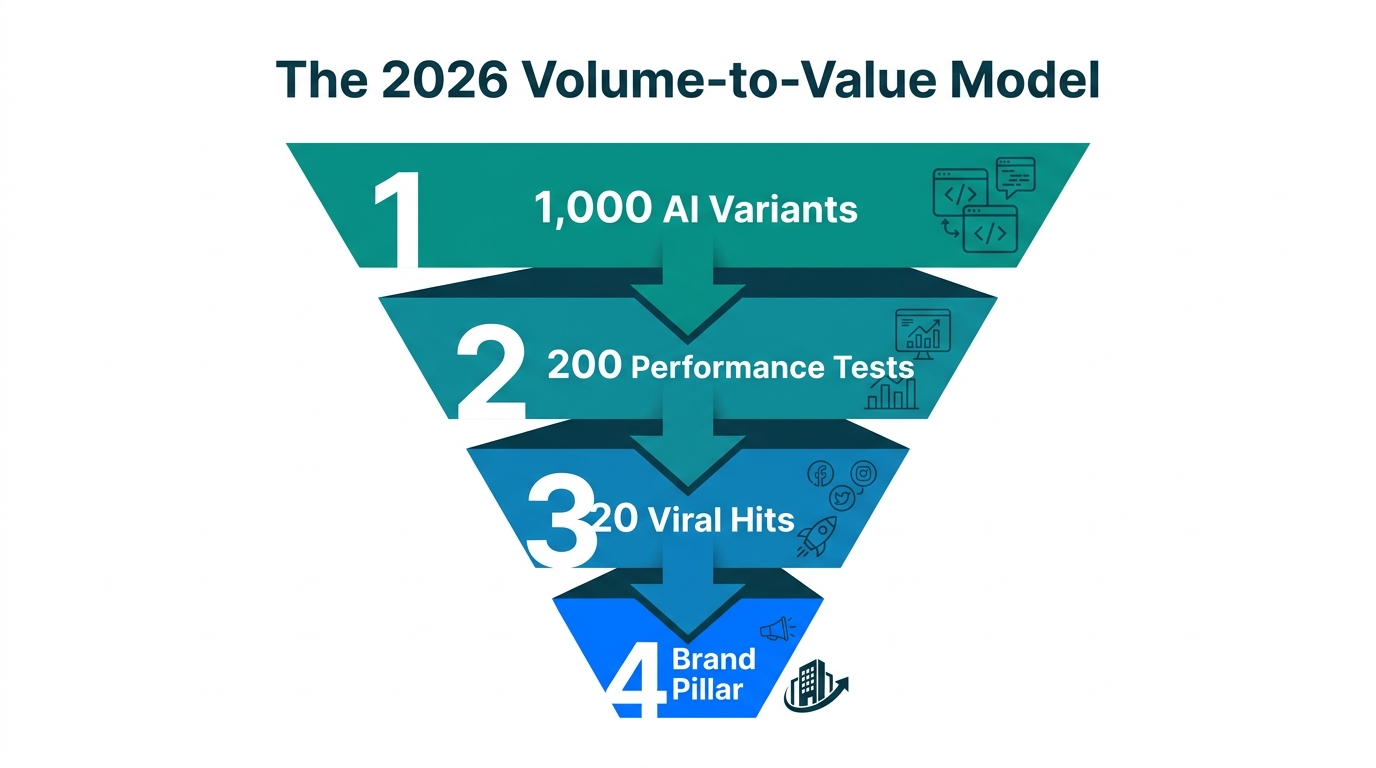
The old-school model of TikTok marketing strategy 2026 focused on the 'masterpiece'—one big-budget ad campaign designed to last six months. In the age of AI, that model is dead. Volume is going to win in a taste game because AI allows brands to take 1,000 shots on goal while a human creative director takes one. By playing the law of large numbers, you aren't just guessing what people like; you are quantitatively testing every possible variation of an idea.
Consider the modern fashion brand. They don't rely on one David Ogilvy-esque genius. Instead, they use AI to generate thousands of ad variations, testing different hooks, colors, and creators. They double down on what works and kill what doesn't in real-time. To manage this volume of content, savvy brands use platforms like Stormy AI to discover creators who can fuel this content machine at scale, ensuring that every 'shot on goal' is backed by a real human face that the algorithm trusts.
| Feature | Legacy Creative Model | 2026 AI-Driven Model |
|---|---|---|
| Output Speed | Weeks to Months | Real-time / Daily |
| Creative Lead | Human Intuition | Algorithmic Feedback |
| Content Volume | 1-5 Main Assets | 1,000+ Variations |
| Success Metric | Industry Awards | ROAS / Consumer Choice |
This shift to AI brand building means that the 'idea guy' has been replaced by the 'iteration guy.' Success is now measured by the number of experiments you can run per day. Tools like Midjourney and ChatGPT have dropped the cost of creative work to near zero, making the barrier to entry not the ability to do the work, but the ability to direct the volume.
"The job is no longer to come up with the one perfect idea. The job is to manage the maze—iterating until the world tells you what it actually wants."
The Apple Podcast Fumble: A Cautionary Tale on Taste
 34:15
34:15Why did Apple, the pioneer of the podcast, lose the industry to Spotify and YouTube? It was a religion of taste. Apple believed that the future of entertainment was 'tasteful'—HBO-style shows with massive production value and 'no slop.' They ignored the millions of creators building massive, raw audiences in their bedrooms because they didn't fit the 'Apple aesthetic.'
Meanwhile, platforms like YouTube and TikTok leaned into the ByteDance distribution model: give the tools to everyone and let the algorithm sort it out. They provided metrics, monetization, and data back to the creators that Apple ignored. The result? The 'native creators'—those who didn't match the taste profile of traditional Hollywood—are now the ones swaying elections and driving billions in commerce via Shopify integrations and social storefronts.
Today, the most successful brands prioritize distribution mechanics over creative preciousness. They understand that an Instagram reel made by a micro-influencer often has a higher conversion rate than a $100k studio production because it aligns with how the TikTok marketing strategy 2026 actually functions.
AI as the Real-Time Creative Director: Testing 'Consumer Choice'
3:37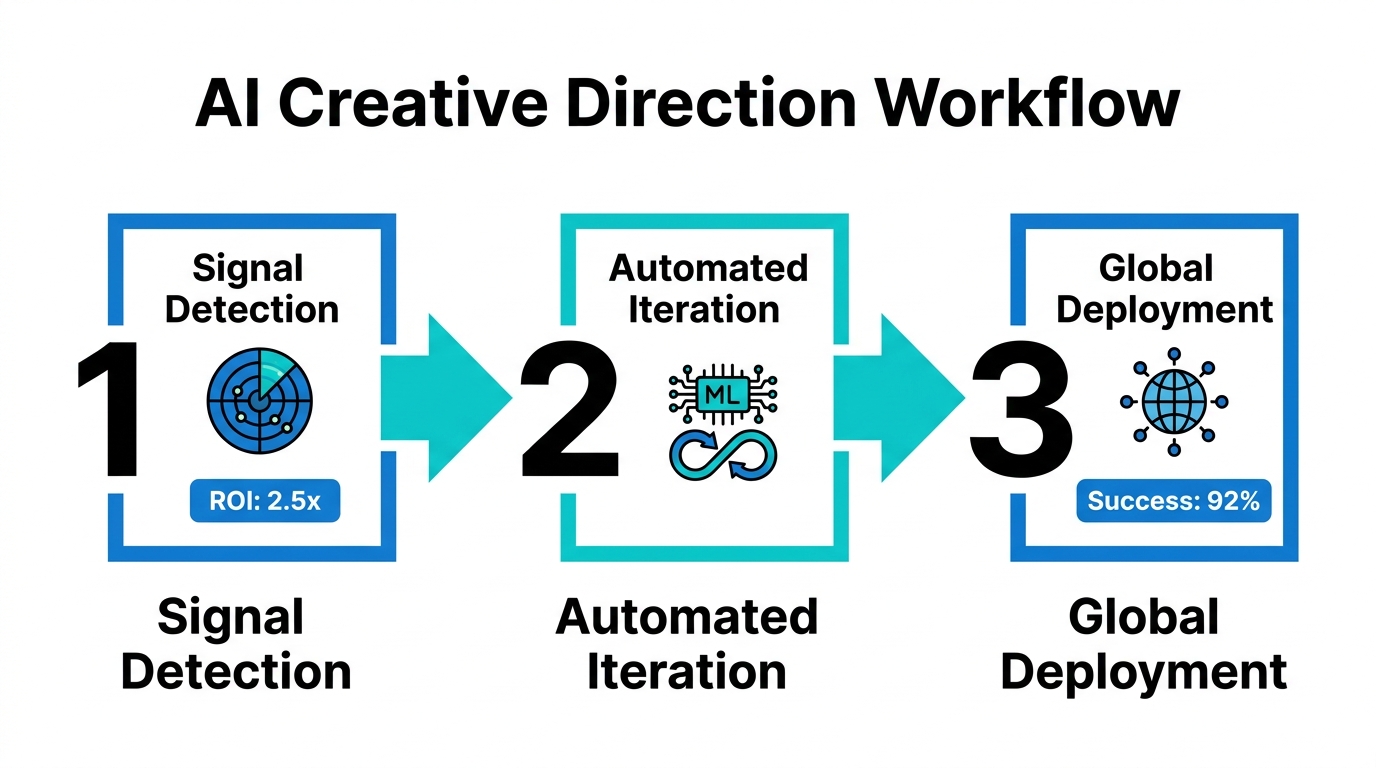
One of the most profound changes in 2026 is the ability to use AI to sell the finished work rather than the promise. In the past, you had to pitch a client on what a campaign could look like. Now, AI can scrape a listing, build a social-optimized reel, and deliver it to the prospect before they even ask. This is flipping the sales model on its head.
As discussed in recent marketing circles, the cost of work has dropped so dramatically that you can now deliver 'proof of value' as your first touchpoint. Whether you are using Clay for mass-personalized outreach or Replit to build custom internal tools, the goal is the same: use AI to generate the outcome first. This is the future of creative direction: the AI agents are the workers, and the human is the curator of the results.
For brands, this means using AI to test 'Consumer Choice' in real-time. Instead of a focus group, you run 50 variations of an ad on Meta Ads Manager for $100 and let the data tell you which 'taste' wins. This 'arbitrage of attention' is currently wide open for brands that are willing to let go of their ego and follow the data.
"The cost of work has dropped to a penny. Don't ask them if they want a campaign—build the campaign, show it to them, and sell the result. We have moved from selling the promise to selling the proof."
Building a 'Tasteful' Brand Through the Algo: The 2026 Playbook
34:46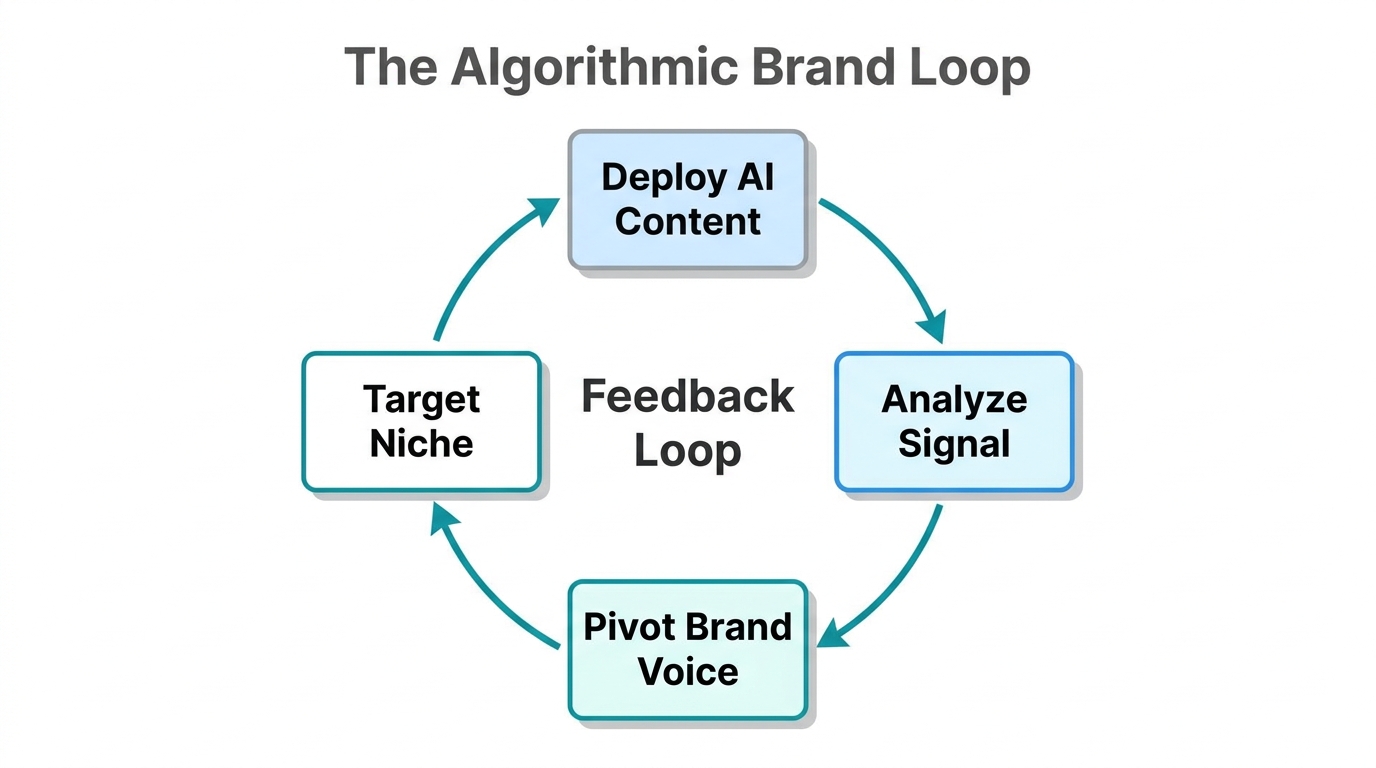
How do you maintain a high-end brand feel while submitting to a volume-first algorithm? The secret is alignment with the machine. In 2026, the best 'employees' are agents programmed by the best in the world. Just as the best teachers now have millions of students on Beehiiv, the best creative minds are now productizing their taste into AI agents.
- Step 1: Productize Your Taste. Use LLMs to codify your brand's 'color theory' or 'visual language.' Train your AI models on your past successes so they can generate the 1,000 variations that still 'feel' like you.
- Step 2: Automate the Sourcing. Use tools like Stormy AI to find creators who naturally align with that taste profile. Let the AI handle the outreach and follow-ups while you sleep.
- Step 3: Lean into Social by Default. Like Discord-native tools, your brand should be a multiplayer experience. Allow your community to 'remix' your content and let the algorithm pick the winners.
- Step 4: Iterate at the Speed of Culture. Use tools like Zapier or Make to connect your data from Google Analytics directly to your content production cycle.
Conclusion: The Future of Attention
The ByteDance distribution model has permanently shifted the power from human gatekeepers to algorithmic filters. As we move deeper into 2026, the brands that thrive will be those that embrace the 'Lee Sedol Moment'—recognizing that the machine can find the 'Move 37' in creative that humans would never dare to try. By combining the scale of AI brand building with the authentic human connection of influencers found on Stormy AI, you can build a brand that isn't just 'tasteful' in your own eyes, but 'tasteful' to the only audience that matters: the billions of people scrolling through the feed.