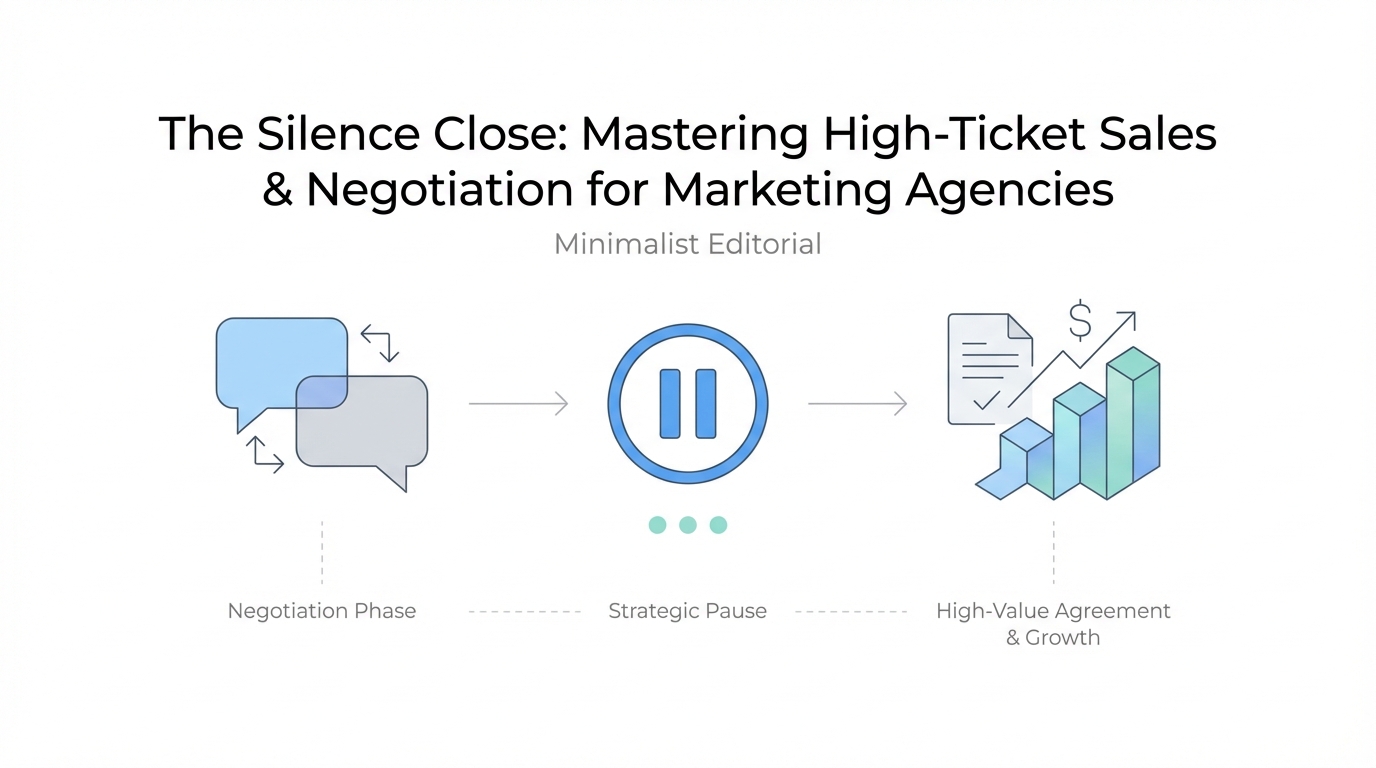
In the world of high-stakes marketing and consulting, the difference between a five-figure contract and a 'we’ll think about it' often comes down to what you don’t say. Many founders believe that closing deals in sales requires a relentless barrage of features, benefits, and fast-talking persuasion. However, the most successful entrepreneurs—those managing seven-figure portfolios—know that high-ticket sales is a game of psychology, not just pitching. By mastering negotiation tactics for entrepreneurs, specifically the 'Silence Close,' you can shift the power dynamic in your favor and force the prospect to make a decision.
The 'Problem-Solution' Discovery Phase: Forcing Clients to Voice Their Pain
Before you ever get to the closing line, you must set the stage through a meticulous discovery process. Tim Stoddart, who generates over $5 million annually across his companies, including Stodzy Internet Marketing, emphasizes that the goal of a sales call is to let the prospect do the heavy lifting. You aren't there to sell; you are there to diagnose. The most effective marketing agency sales process starts with asking questions that force the client to articulate their specific pain points.
When you ask a prospect about their current challenges, don't just accept the first answer. Dig deeper. If they say they need more leads, ask why their current lead generation is failing. If they mention a drop in traffic, ask how that affects their bottom line. According to research on Starter Story, Stoddart’s approach is to write down the exact language the prospect uses. By mirroring their own words back to them when presenting your solution, you eliminate friction. The prospect feels heard, and more importantly, they have spent thirty minutes convincing you why they need help.
Price Anchoring and Commitment: Eliminating the 'I'll Call You Back' Syndrome
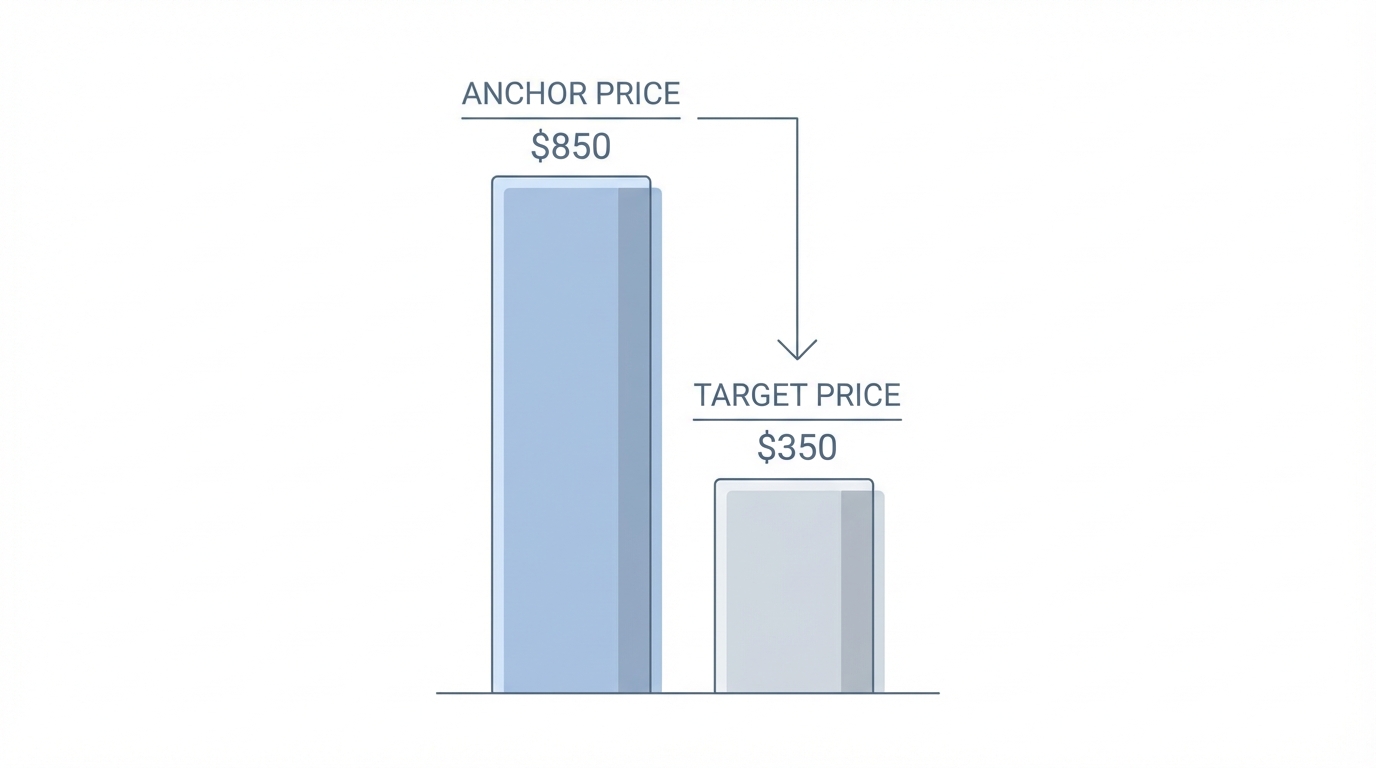
One of the biggest mistakes in the agency sales scripts of beginners is saving the price for the very end. This creates a 'sticker shock' moment that leads to the dreaded phrase: 'Let me think about it and I’ll call you back.' To master how to close high ticket clients, you must integrate price anchoring and commitment early in the conversation. This isn't just about the number; it's about qualifying the prospect's seriousness before you invest your time into a full-blown proposal.
Stoddart suggests a direct approach: ask the prospect if they are actually serious about solving the problem right now. This 'pre-commitment' ensures you aren't talking to a window shopper. If they aren't willing to commit to a ballpark budget or a timeline, they aren't a high-ticket client—they are a distraction. Using data from Google Trends to show market demand can also help anchor your value, proving that the problem they are facing is growing and that delaying a solution will only become more expensive over time.
The $5M Sales Script: Mastering the Specific Line 'Are You Ready to Get Started?'
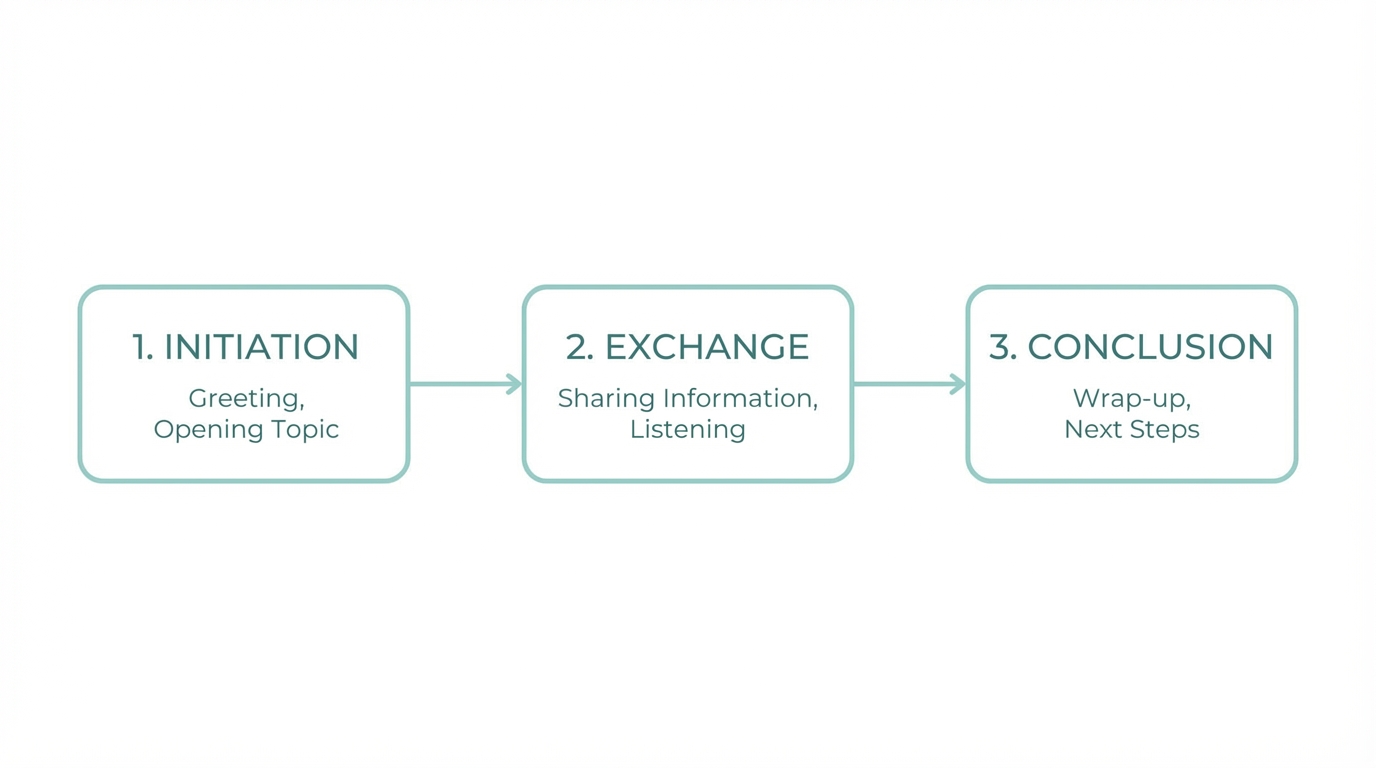
After you have identified the pain and anchored the price, the transition to the close should be seamless. You don't need a twenty-page deck or a complex flowchart. You need one specific question: 'Are you ready to get started?' This line, used by founders who have scaled to $5M+ per year, is the ultimate pivot. It moves the conversation from the theoretical to the practical. It forces a binary choice: yes or no.
The beauty of this script is its simplicity. In a marketing agency sales process, we often overcomplicate the final ask because we are afraid of rejection. By using direct closing lines, you project confidence and authority. You aren't asking for permission; you are inviting them to begin the transformation you just spent the last hour describing. This strategy is central to the success of legacy brands like Copyblogger, where clarity in communication is the cornerstone of all business transactions.
The Power of the Mute Button: Silence as a Psychological Lever

This is where the 'Silence Close' truly happens. After you ask, 'Are you ready to get started?', you must shut up. In high-stakes negotiation tactics for entrepreneurs, silence is your greatest weapon. The first person to speak after the closing question usually loses the negotiation. If you speak, you are likely filling the void with justifications, discounts, or nervous energy, all of which signal weakness.
Tim Stoddart takes this a step further: he literally mutes his microphone. On a Zoom call or a phone call, he asks the question, hits the mute button, and puts the phone down in front of him. This physical action prevents him from 'saving' the prospect from the awkward silence. As noted by negotiation experts like Chris Voss, the prospect is left with their own thoughts, the weight of their problems, and the solution you’ve offered. Eventually, they will speak, and more often than not, they will speak themselves into the deal. This level of discipline is what separates solopreneurs from those building massive portfolios like Sober Nation.
Onboarding as a Sales Tool: Ensuring Long-Term Retention
The sale doesn't end when the client says 'yes.' In fact, the most critical part of closing deals in sales for an agency is the first 48 hours after the agreement. This is the period of 'buyer’s remorse,' where the client second-guesses their investment. To combat this, you must treat your onboarding process as the final phase of the sales script. Rapid, professional onboarding reinforces that the client made the right choice.
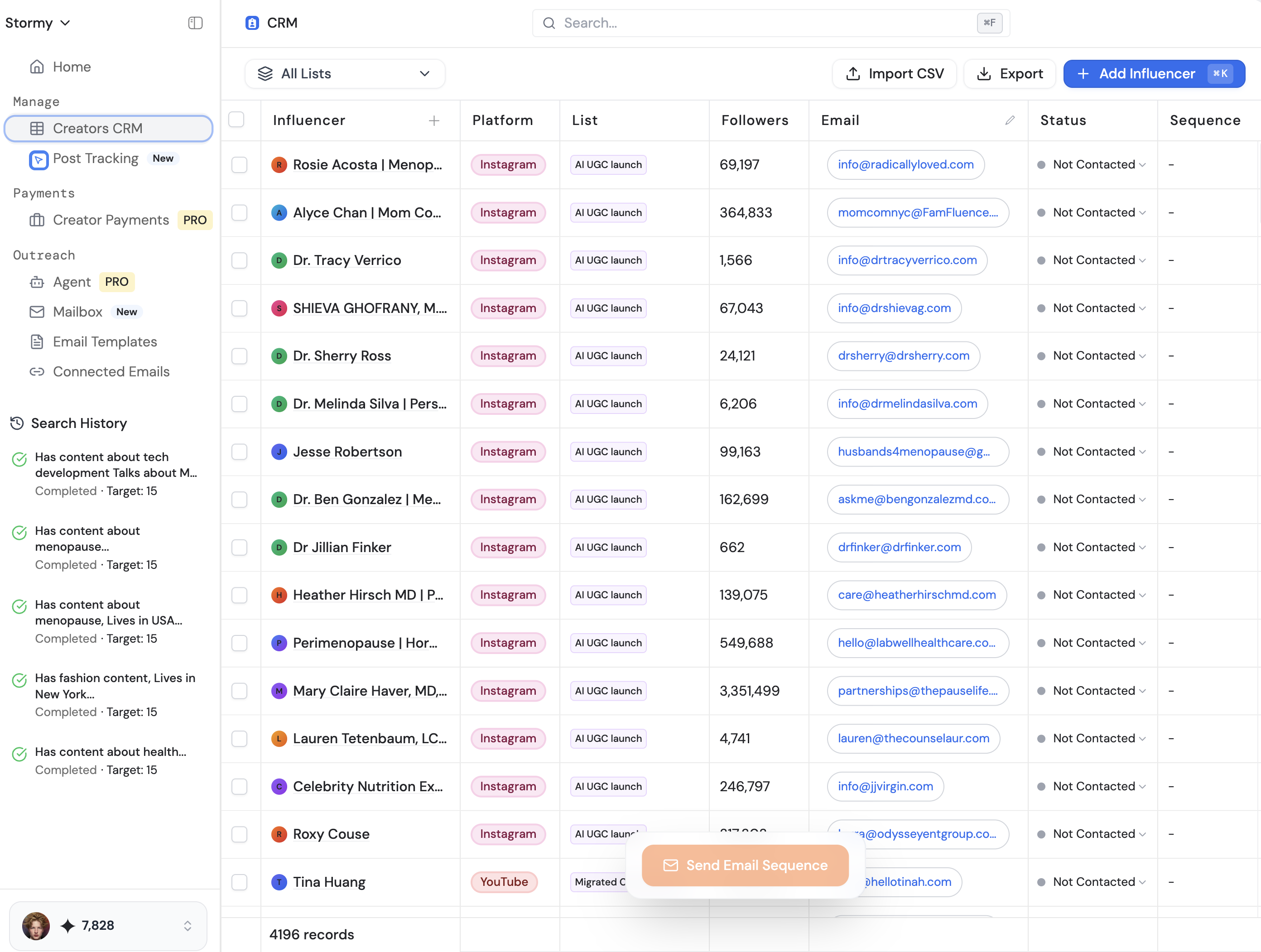
Managing these relationships requires robust systems. While tools like Todoist or Slack are great for internal tasks and communication, high-ticket agencies often need dedicated CRMs. While enterprise project tools like ClickUp are common, modern agencies looking to scale their creator-led campaigns find that platforms like Stormy AI streamline creator sourcing and outreach while managing the fulfillment side of the agency to match the high-quality sales experience.
Scaling the Process: Moving from Solopreneur to Multipreneur

Once you master the agency sales scripts and the silence close, the challenge shifts from closing deals to managing them. Scaling to a $5M portfolio requires removing yourself from the day-to-day fulfillment. This is the 'E-Myth' philosophy: document every process so that the business can run without you. Tim Stoddart recommends using Loom to record your sales calls and onboarding steps, creating a library of training material for your future sales team.
As you scale, automation becomes your best friend. For agencies focused on influencer marketing or content-driven lead gen, an AI agent that handles discovery and outreach can be a game-changer. Platforms like Stormy AI allow you to set up an autonomous system that finds and outreaches to creators while you sleep, keeping your sales pipeline full without requiring 4:00 AM wake-up calls. By automating the top-of-funnel, you can save your energy for the high-ticket closing calls where the 'Mute and Wait' strategy is most effective.

Conclusion: The 'Make it to Midnight' Mindset
Mastering how to close high ticket clients isn't just about the tactics; it's about the mindset. High-ticket sales can be stressful, and the fear of a 'no' can be paralyzing. Stoddart's advice for longevity in entrepreneurship is simple: just make it to midnight. Don't worry about the deals you need to close next month or the fires you might have to put out next year. Focus on the call in front of you, ask the right questions, and have the courage to stay silent.
By implementing a marketing agency sales process that prioritizes discovery, anchors price early, and utilizes the power of the 'Silence Close,' you can transition from a struggling freelancer to a high-earning agency owner. Remember: the most powerful words in a negotiation are often the ones you choose not to say. Master the mute button, and you’ll master the close.