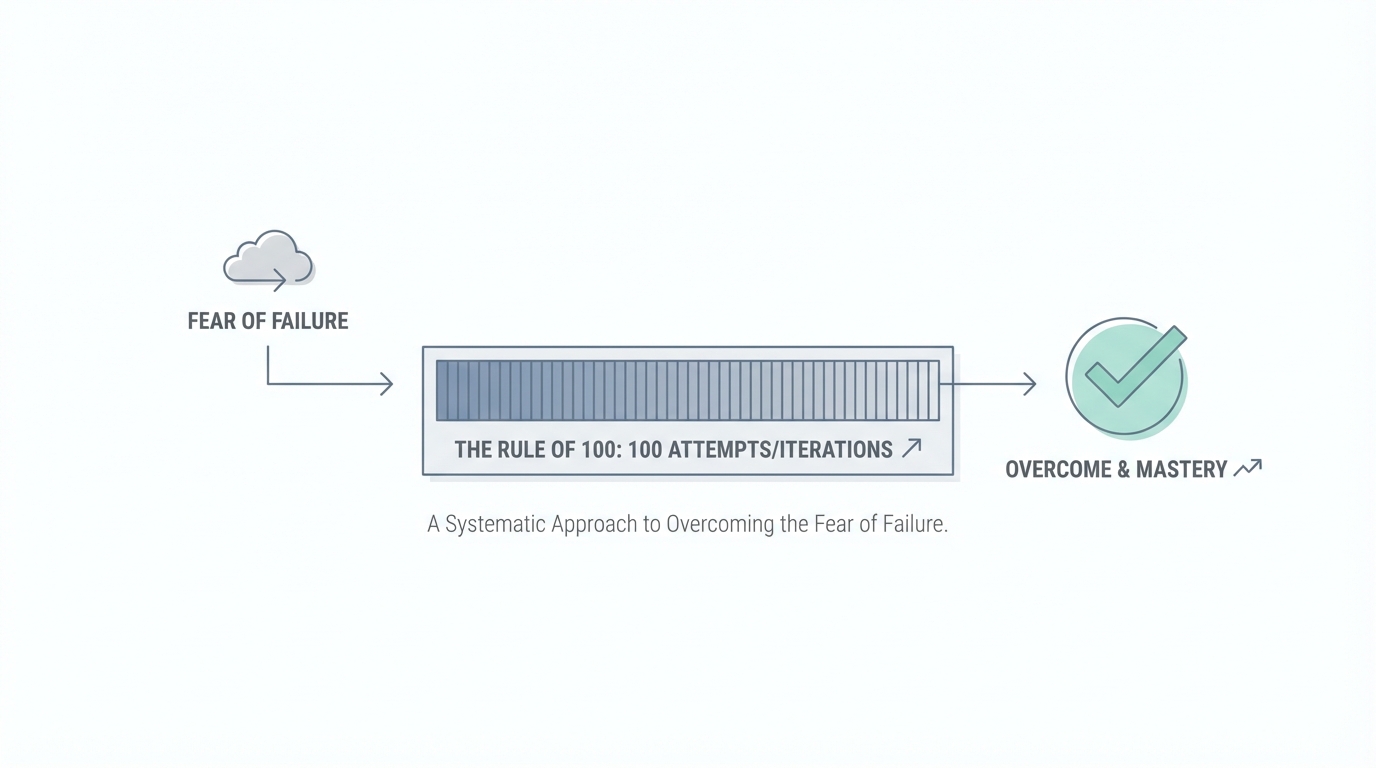
Most entrepreneurs and creators never fail because their ideas are bad; they fail because they never actually start. The paralyzing fear of looking stupid, coupled with the pressure to produce a masterpiece on the first attempt, creates a mental bottleneck that kills innovation before it breathes. However, there is a tactical playbook used by the world’s most successful individuals—from YouTube titan MrBeast to serial entrepreneur Shaan Puri—that treats failure not as an obstacle, but as a mandatory volume requirement. By adopting the Rule of 100 and a strategically broke mindset, you can bypass the emotional weight of rejection and focus on the only thing that actually builds a career: high-volume execution.
The Rule of 100: Why Volume Trumps Perfection


When most people start a new project—be it a podcast, a SaaS business, or a YouTube channel—they obsess over the quality of the first iteration. They spend weeks on the logo, months on the script, and thousands on equipment. Then, when the first attempt doesn't go viral, they quit. The Rule of 100, popularized by Jimmy Donaldson (MrBeast), flips this on its head. The rule is simple: make 100 videos, or write 100 blogs, or send 100 pitches before you allow yourself to care about the results.
MrBeast’s advice to aspiring creators is famously blunt: your first 100 videos are going to suck. That is not a failure; it is a prerequisite. By the time you reach video 100, you have momentum, and more importantly, you have built the skills required to actually be good. This is the ultimate hack for overcoming fear of failure. If you tell yourself the first 100 attempts don't count, you remove the ego from the equation. You aren't failing; you are simply "getting your suck out of the way." This logic applies perfectly to consistency in business. If you are launching Meta Ads for a new app, don't judge the campaign on the first creative. Judge it after you have tested 100 different creators found via Stormy AI. The data you gather during those 100 tests is more valuable than any "lucky" early win.
Shaan Puri’s ‘Strategically Broke’ Philosophy
Early in his career, Shaan Puri faced a choice: a $120,000-a-year job in a boring industry or living on $8,000 for a year to build a sushi restaurant. He chose the latter, calling it his "strategically broke" phase. While his peers were "money rich and time poor," Shaan opted to be "time rich and learning rich." This mindset is a powerful tool for anyone in the early stages of a career or a pivot. By calculating your minimum viable income—the absolute bare minimum you need to survive—you can maximize the hours you spend building Skill Mass.
When you are strategically broke, your metric for success changes. You aren't looking at your bank account; you are looking at your growth trajectory. During Shaan's sushi phase, he wasn't just making rolls; he was learning real estate negotiation, liquor license laws, and investor pitching. Platforms like Stormy AI reflect this value of high-action learning, helping brands find UGC creators who have already put in the work to master social engagement. Shaan’s key insight was that "just because you are ignorant doesn't mean you are wrong." By doing things DIY and taking high action, you learn what actually works rather than what a textbook says should work.
The Simon Says Lesson: Why Most People Aren't Serious
A profound realization for anyone chasing success is that most people are not serious. Shaan recounts a story from a Tony Robbins event where 10,000 people played a game of Simon Says. Within minutes, the crowd was whittled down to a handful. When the winner was asked if they thought they would win, only about 50 people in the entire arena of 10,000 actually believed they had a shot. The takeaway? You aren't competing with 10,000 people; you’re competing with the 50 who are actually serious.
In the world of business and app marketing, the competition often looks fiercer than it is. Most founders will quit after the first obstacle. Most creators will stop after video number ten. If you commit to the Rule of 100, you automatically enter the top 1% by default of your consistency in business. Whether you are optimizing Apple Search Ads or building an organic brand, simply being the person who finishes the task puts you lightyears ahead of the "dreamers" who never push past the friction of the start.
Reversing Decisions: The ‘Two-Way Door’ Framework
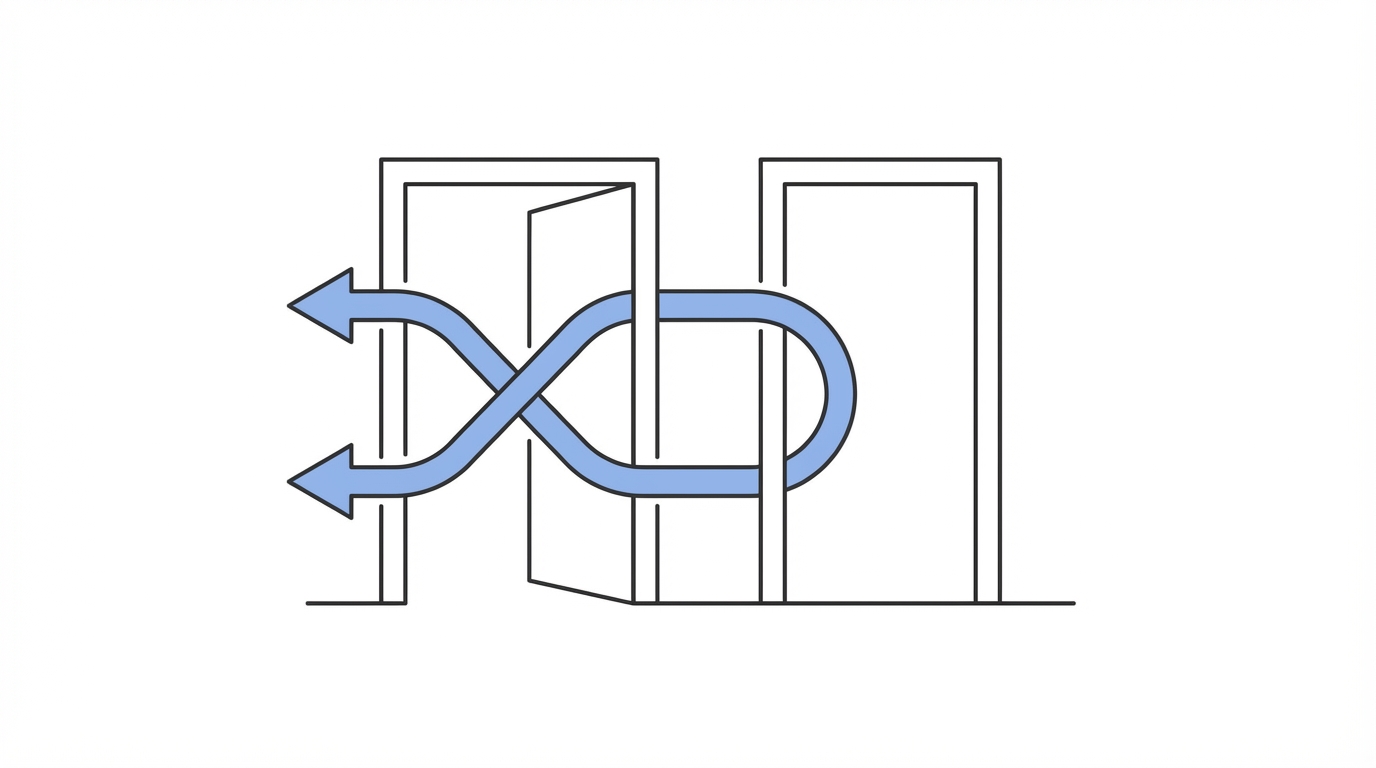
The fear of making a "wrong" choice often leads to analysis paralysis. Shaan Puri argues that his greatest strength isn't making perfect decisions, but making perfect reversals. He views most choices as "two-way doors"—if you walk through and don't like what you see, you can simply walk back out. Whether it's a relationship, a job, or a business direction, the pain of staying in a mediocre situation is often worse than the uncertainty of change.
Many people would rather live in known discomfort than face unknown uncertainty. But for high-potential individuals, mediocrity is the real risk. Failure is a quick, sharp pain that you bounce back from; mediocrity is a slow sap of your time, resources, and belief in yourself. To overcome this, use tools like Stormy AI to quickly test new creator partnerships for your app campaigns. If a partnership doesn't work, it’s a two-way door. You learn, you pivot, and you move on. The faster you reverse a bad decision, the more time you preserve for your most precious asset: direction.
Motion vs. Direction: Why Movement Matters Most
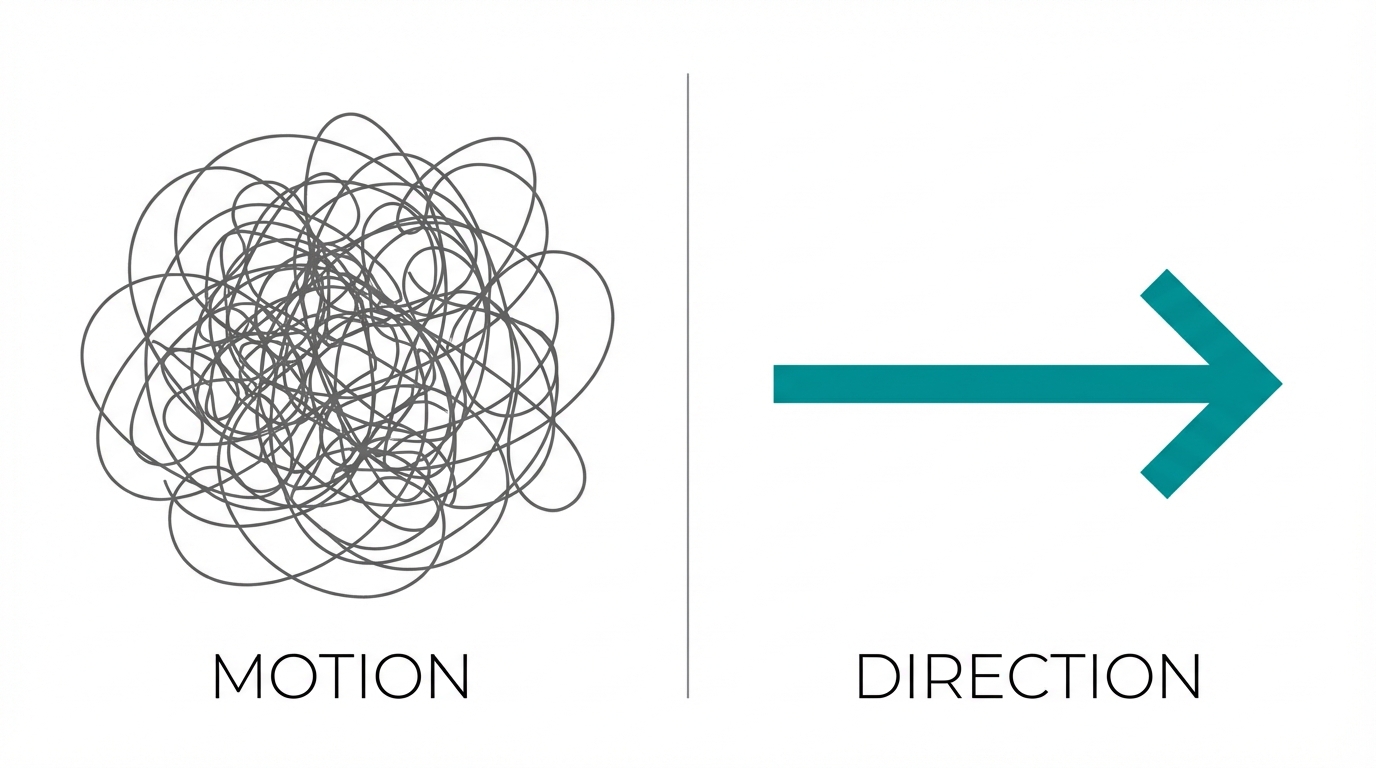
We often wait for a "sign" or a perfectly clear path before taking action. But as Shaan’s father once told him, life is like standing on a foggy beach. You can't see paradise from the shore. You have to get in your "crappy little boat" and start paddling. Once you are in motion, it is much easier to change direction. Momentum allows you to feel the current and adjust your course. If you stand still, you remain blind to the opportunities hidden just beyond the fog.
This is why high action is the best cure for overcoming fear of failure. When you are moving, you are collecting data. You are discovering what you are naturally good at—what feels like play to you but work to others. For Shaan, it was GM-mode in NBA 2K; for his wife, it was meticulous arts and crafts. These "obsessions" are leading indicators of your superpower. If you are struggling to find your direction, stop thinking and start moving. Use the Rule of 100 as your engine. Whether you are running Google Ads experiments or reaching out to influencers, the motion itself will eventually reveal the correct direction.
The Rule of 100 Playbook: A Step-by-Step Guide
- Choose Your Atomic Unit: Identify the one action that drives your project (e.g., cold emails, TikTok videos, or app feature tests).
- Set the No-Judgment Zone: Commit to 100 iterations where you prohibit yourself from checking metrics like views, revenue, or likes. Your only goal is to complete the unit.
- Iterate 1% Every Time: On every new attempt, pick one specific thing to improve. Better lighting, a sharper hook, or a more compelling call-to-action.
- Build Your Skill Mass: Focus on the skills that stick with you even if the project fails. Learning to edit video or manage creator relationships in Stormy AI is a permanent win.
- Evaluate at 100: Only after the 100th unit is complete do you look at the data and decide if this is the right project selection for the long term.
Conclusion: The Work is the Win
To truly master consistency in business and defeat the fear of failure, you must shift your perspective from results to the flywheel. As Shaan Puri notes, when the work is the win, you cannot lose. If you enjoy the act of creating, you will do it more often. Because you do it more often, you get better. Because you get better, the results eventually follow. This is the Rule of 100 in action.
Don't spend your life waiting for the fog to clear or perfecting a project that hasn't even met the world. Get in the boat, start paddling, and commit to the first 100. Whether you are a solo founder or an app developer looking to scale with Stormy AI, remember that proximity is power. Surround yourself with people who are already doing the 100, optimize for learning wealth, and treat every failure as a two-way door. Your path to the top 1% isn't about being the smartest; it's about being the one who is still standing after attempt number 100.