In the high-stakes world of software development, the most common mistake founders make isn't a lack of features or poor code quality—it is the choice to start from zero. According to recent startup failure statistics, over 90% of new ventures fail, often due to a lack of market need or poor distribution. Launching a standalone website and trying to attract users through sheer force of will is often a marketing suicide mission. While traditional wisdom suggests you need a proprietary domain and full backend control to succeed, a new generation of entrepreneurs is proving that the fastest route to revenue is built on someone else's 'land.' By leveraging a platform-based business model, you aren't just building an app; you are tapping into a pre-existing, hungry audience that is already searching for solutions. Whether it is the Chrome Web Store or the ChatGPT marketplace, piggybacking on these giants allows you to bypass the hardest part of business: initial customer discovery.
The Power of Piggybacking: Why Marketplaces Win
The core advantage of building within an existing ecosystem is simple: distribution is built-in. When you build a standalone SaaS, you are responsible for SEO, PPC, and content marketing just to get a single visit. Conversely, platforms like Salesforce or Gmail have hundreds of millions of users who are already active. An IDC report highlights that the Salesforce economy will create $1.6 trillion in new business revenues by 2026, showcasing the sheer scale of platform opportunities. In this environment, even a niche feature that appeals to 0.01% of the user base can translate into a life-changing income. This SaaS marketplace strategy reduces the friction of the 'blank page' problem for both the developer and the customer. Users trust the host platform, making them far more likely to install a plugin or extension than to sign up for a random new website.
Moreover, building for a marketplace simplifies the technical overhead. As noted by successful solopreneurs like Sayed Ezadi in his Starter Story interview, you can often build a functional MVP using just basic JavaScript, HTML, and CSS. This low barrier to entry means you can validate your product concept in days rather than months. Instead of worrying about complex server management or frontend frameworks, you are focusing purely on the feature that adds value to the existing platform. This speed is essential for anyone looking for profitable software niches where being first-to-market is the primary competitive advantage.
High-Volume vs. High-Intent: Choosing Your Ecosystem
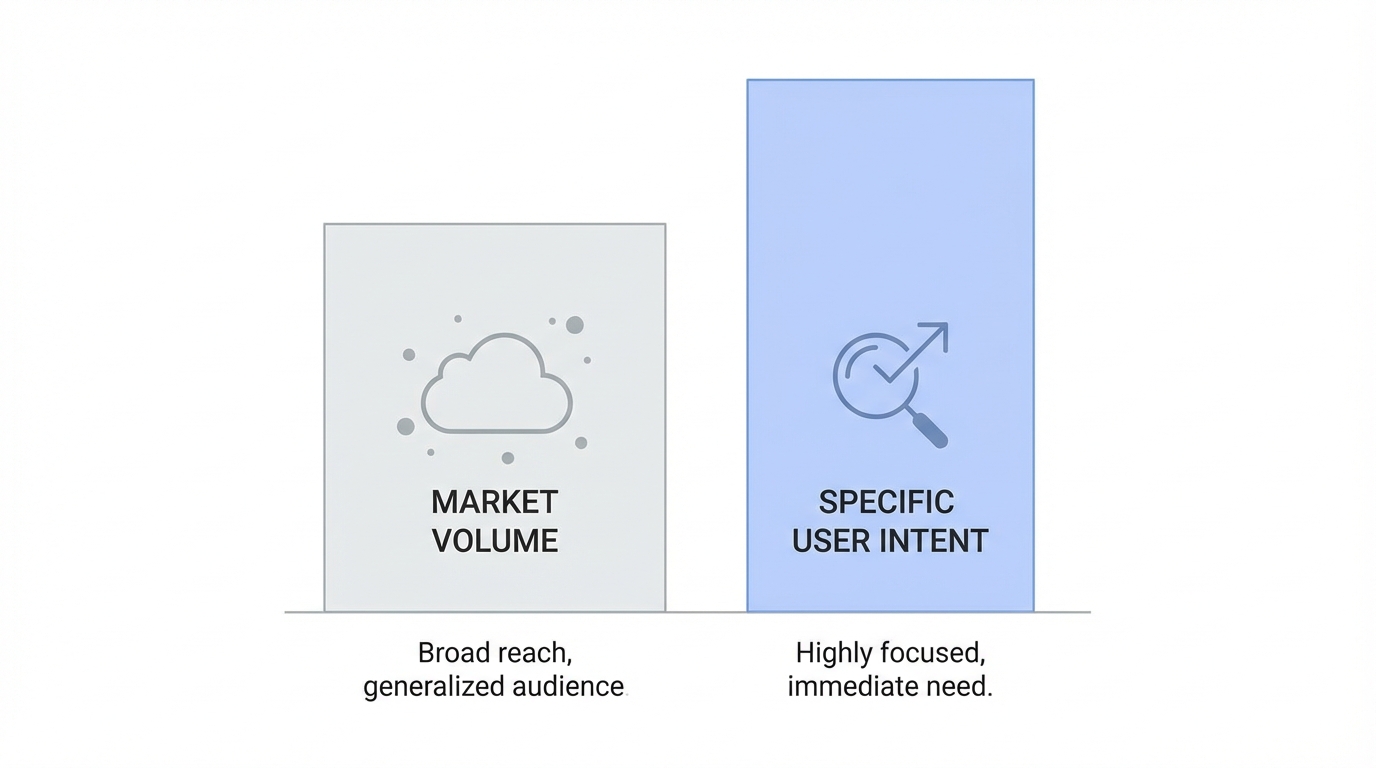

Not all platforms are created equal. When researching micro-SaaS business ideas on sites like Indie Hackers, you must decide between two primary types of ecosystems: high-volume social/utility platforms and high-intent professional marketplaces. High-volume platforms include giants like YouTube, Twitter (X), and ChatGPT. These offer massive exposure but often come with lower per-user revenue. The goal here is to capture a tiny slice of a massive pie. According to Statista, these platforms boast billions of monthly active users. If a platform has 200 million users and you build a tool that only 2,000 people pay $10 for, you have a $20,000 MRR business.
On the other hand, high-intent marketplaces like Zoom, Shopify, or the Salesforce AppExchange have fewer total users, but those users are in a 'buying' mindset. They are looking for professional tools to solve specific business problems. Competition in these marketplaces is often much lower, making it easier to rank at the top of search results. For founders looking for app ecosystem growth, the choice depends on their personal strengths: do you want to build a viral consumer tool or a mission-critical business utility? To find the right creators to help promote your new tool in these niches, savvy founders use Stormy's AI search to identify influencers who are already talking to these specific user bases on platforms like LinkedIn and TikTok.
Case Study: Superpower ChatGPT and the 48-Hour Validation
The story of Sayed Ezadi and his extension, Superpower ChatGPT, serves as the ultimate blueprint for the platform-based business model. After a decade in corporate America, Sayed launched a simple Chrome extension that added folders, search, and custom prompts to the ChatGPT interface. He didn't spend months on a business plan; he learned how to build an extension in 48 hours and launched it immediately after ChatGPT's release. Today, the project generates between $20,000 and $30,000 MRR with over 270,000 downloads. This success was achieved without a single dollar spent on paid advertising, relying entirely on organic discovery within the Chrome Web Store and community word-of-mouth.
Sayed's growth highlights the importance of timing in profitable software niches. By being one of the first to improve the user experience of a trending platform, he allowed the platform's own growth to pull him along. As OpenAI grew, his user base grew. He managed this influx of 150,000 weekly active users as a solo developer by keeping his tech stack lean, using VS Code for development and AWS for basic backend needs. For anyone looking to replicate this, the lesson is clear: don't build a better engine; build a better steering wheel for an engine that's already running at full speed. Before launching, you should perform thorough influencer vetting to see which creators are currently dominating the conversation around the platform you are targeting.
The Platform Validation Playbook: Step-by-Step
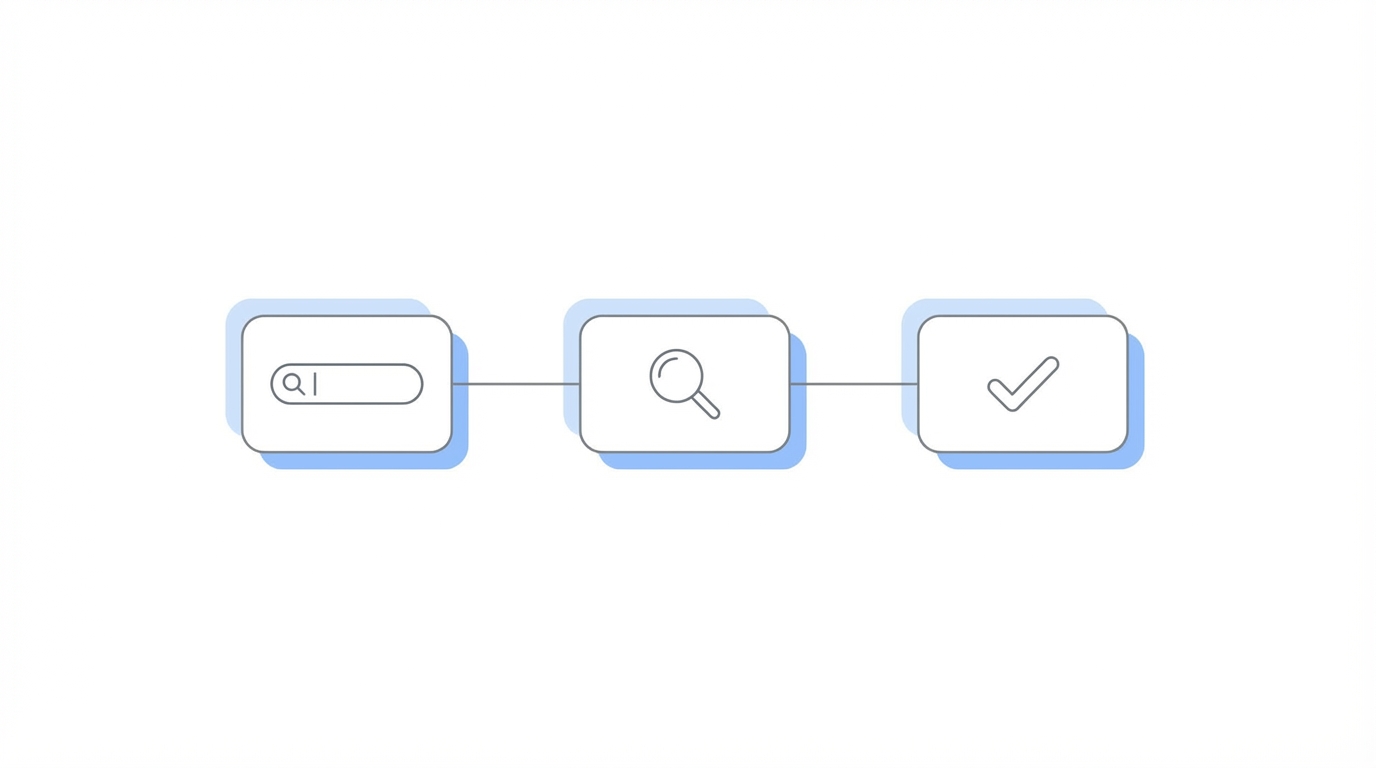
Building a successful platform-based business requires a disciplined approach to research and execution. Follow this framework to identify and dominate a niche marketplace:
Step 1: Identify the Watering Holes
Go where the users are already complaining. Spend time in subreddits, Discord channels, and Slack groups dedicated to specific platforms. Listen for phrases like "I wish [Platform] could do X" or "How do I automate Y?" These pain points are the seeds of micro-SaaS business ideas. Sayed Ezadi found his best features by simply responding to requests in the ChatGPT community and telling them he had already added the feature to his extension.
Step 2: Build the 'Minimum Viable Improvement'
In a marketplace, you don't need a full-featured product. You only need to solve one specific problem better than the platform itself does. Your MVP should be launched within days. Use JavaScript and keep the interface as close to the native platform style as possible to build user trust. The faster you launch, the faster you get the 'Installed' count up, which is the primary social proof in most marketplaces. You can reference official developer documentation to ensure your extension meets all security and performance standards.
Step 3: Leverage Organic Distribution
Once your tool is live, don't wait for the algorithm. Post it in the communities where you did your research. If your product truly solves a problem, users will start sharing it for you. This 'word-of-mouth' marketing is often supplemented by creators who make 'Top 10 Tools' lists. To accelerate this, you can use Stormy's AI outreach to automatically contact relevant micro-influencers and YouTubers with personalized messages, providing them with your tool to review. This creates a compounding effect on your app ecosystem growth.
Monetization Strategies for Marketplace Apps
One of the unique aspects of a SaaS marketplace strategy is that you don't always have to monetize the software directly from day one. Sayed Ezadi kept his extension 100% free for the first nine months to capture the largest possible audience. Instead of charging for features, he built a newsletter using beehiiv and monetized the attention through sponsorships. According to industry analysis, the newsletter business has become a highly viable primary revenue stream. This 'audience-first' approach allowed him to build a deep moat before ever asking for a credit card.
When you do eventually monetize, the 'freemium' model works best in marketplaces. Keep the core utility free to maintain your ranking and 'Install' numbers, but gate power-user features like advanced analytics, bulk processing, or custom integrations. You can manage your sponsors and high-value partnerships through platforms like Passionfroot. Once you start working with larger partners, using Stormy's creator CRM can help you track every negotiation and payment in one centralized place, ensuring your side project scales like a real business.
Mitigating Platform Risk: Building on 'Borrowed' Land
The biggest concern with any platform-based business model is platform risk. What happens if OpenAI, Google, or Salesforce launches the same feature natively? This phenomenon is often called "Sherlocking," and while it is a real threat, it shouldn't stop you from starting. The goal is to use the platform to generate cash flow and build an audience that you own. This is why building an email list or a newsletter is critical. If your extension is banned or made redundant, you still have the contact information of thousands of loyal users who you can transition to your next product.
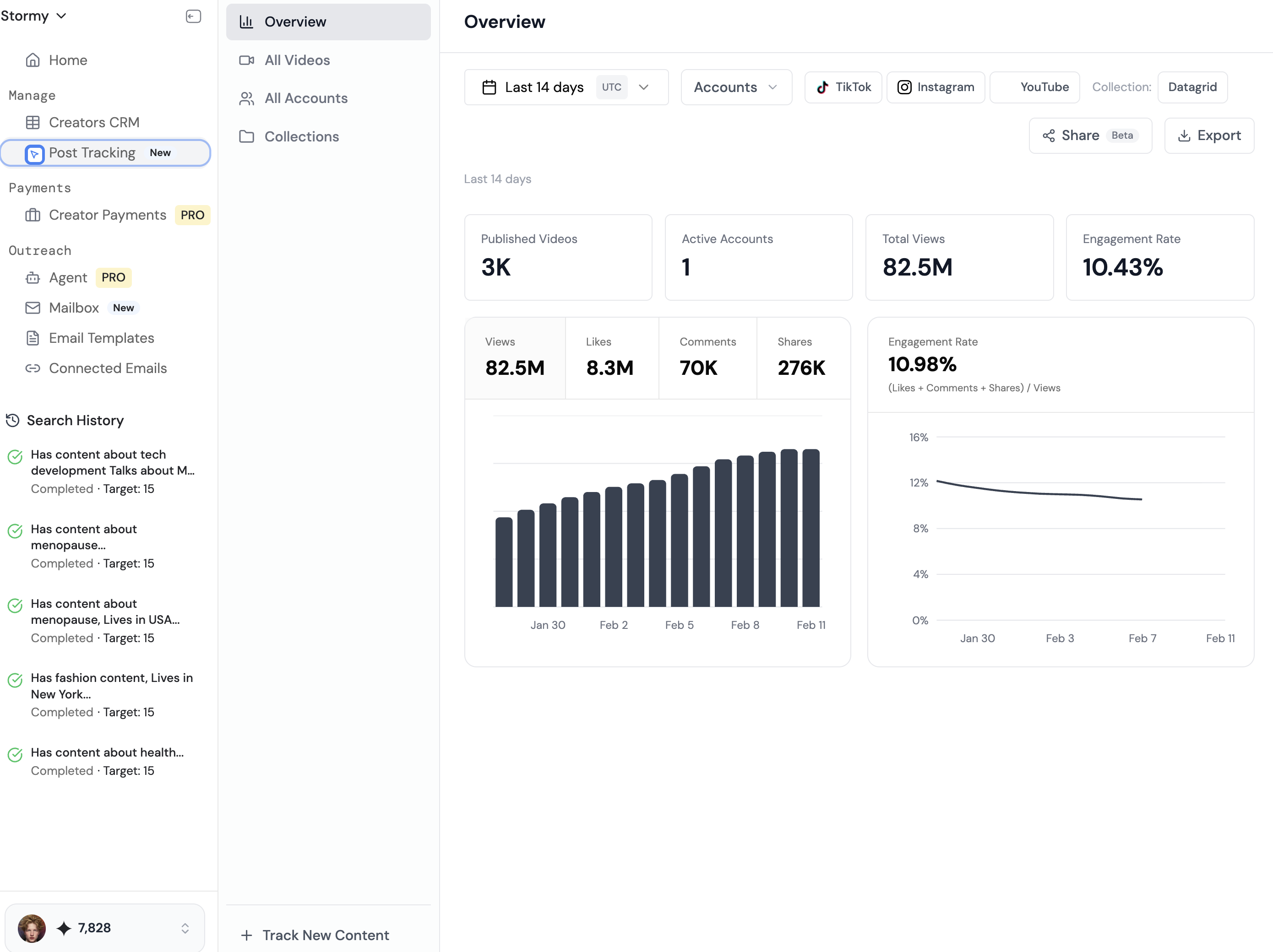
Sustainability also comes from diversification. If you have a successful Chrome extension, port it to Firefox and Edge. If you have a ChatGPT plugin, see if it can be adapted as a Slack app or a Zoom integration. By spreading your product across multiple profitable software niches, you reduce the impact of any single platform's policy changes. To keep an eye on how your brand is being discussed across different ecosystems, Stormy's post tracking allows you to monitor mentions and engagement across all major social networks, giving you early warning if sentiment is shifting or if a competitor is gaining ground.
Conclusion: Taking the First Step
Building a standalone SaaS is an admirable goal, but for many solopreneurs, it's the hardest possible way to make a living. The platform playbook offers a different path: one where you leverage existing billions, validate ideas in hours, and grow through the natural momentum of massive ecosystems. By focusing on micro-SaaS business ideas that solve specific, documented pain points within platforms like ChatGPT or Salesforce, you can achieve a level of growth and revenue that would take years to build from scratch.
Don't wait for the 'perfect' idea. Follow the lead of creators like Sayed Ezadi: pick a platform you use every day, find a community of users who are struggling with a specific task, and build a simple solution. Whether you are using Stormy AI to find your first influencer partners or pure JavaScript to write your first line of code, the key is to take action today. The next million-dollar marketplace app is waiting to be built—it just needs someone to listen to the users and hit 'publish.' You can even set up an autonomous AI agent through Stormy to handle your creator outreach on autopilot while you focus on building the next great feature.