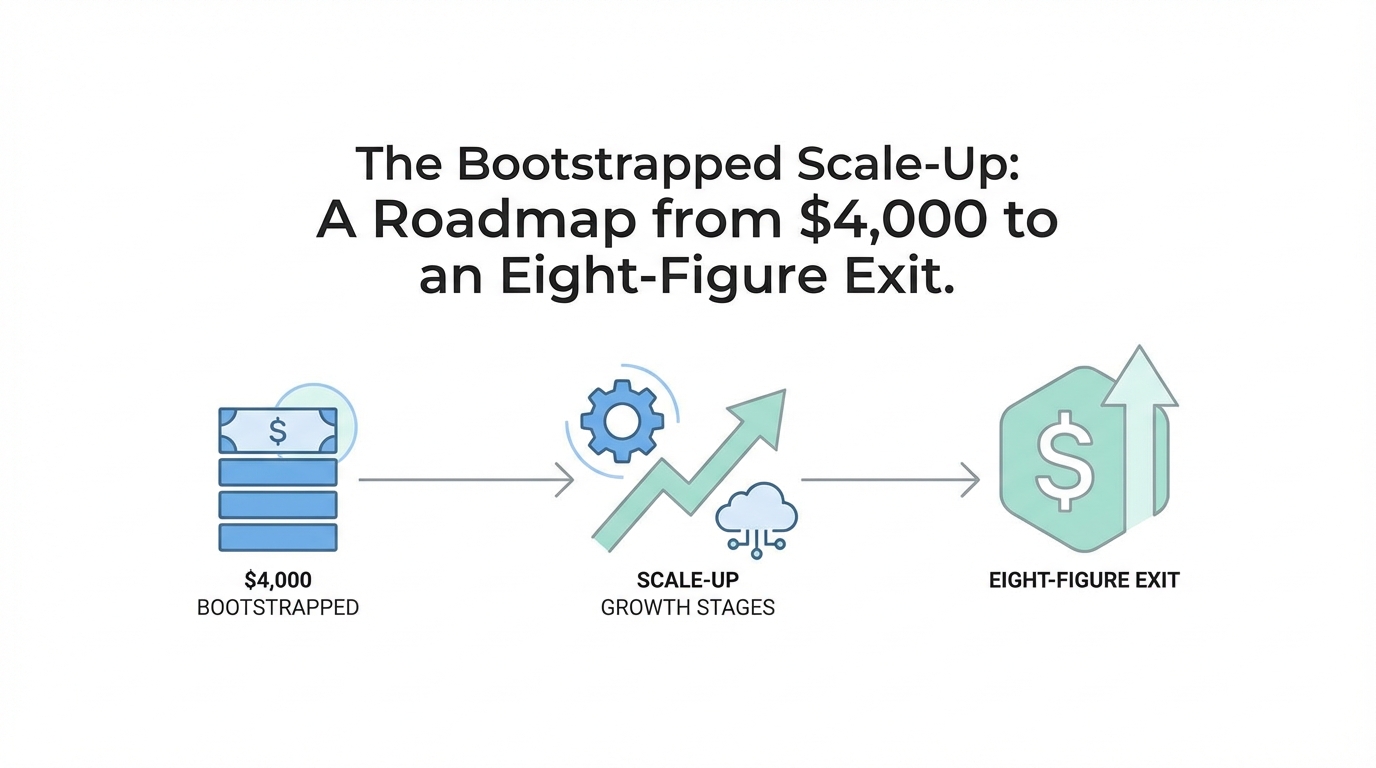
Imagine standing in an apartment at 2:00 AM, staring at a bank balance that’s rapidly approaching zero, while your warehouse sits full of inventory that nobody wants to buy. For Aaron Spivak and his co-founder Lior, this wasn't a nightmare—it was the reality of their first summer in business. After an explosive start that saw them hitting $90,000 in monthly revenue, they hit a brick wall. This is the story of how they navigated that "zero sale month," pivoted based on direct customer feedback, and eventually engineered a $48 million exit in just four short years. This journey serves as a definitive bootstrapped startup growth manual for any founder looking to build a D2C powerhouse without the safety net of venture capital.
The High-Intent Keyword Strategy: Identifying Your Wedge
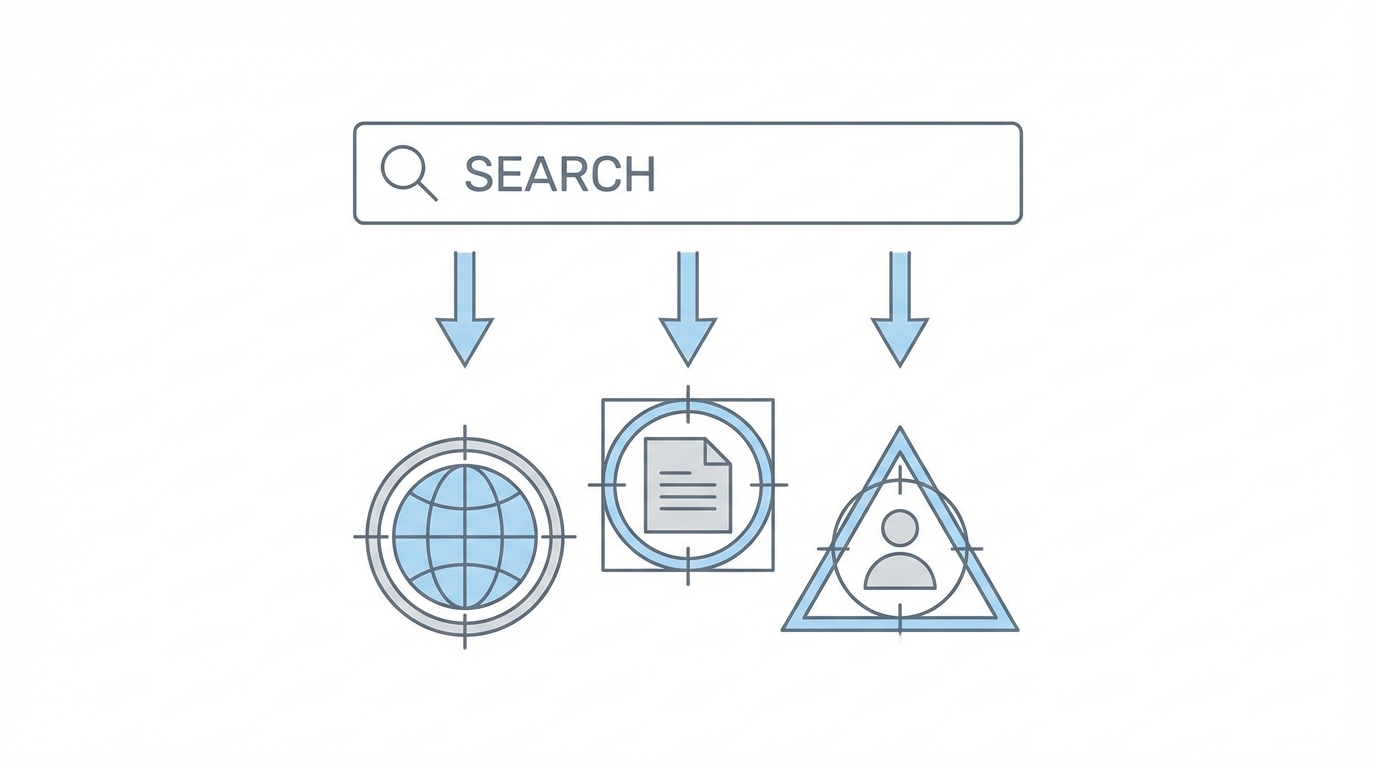
Many founders start with a product and then look for a market. Aaron and Lior did the opposite. They started with raw search data. Before a single blanket was manufactured, they looked at Google Ads and Google Trends and discovered a staggering 300,000 monthly searches for the term "weighted blankets." This wasn't just curiosity; it was high-intent demand. People were actively looking for solutions to sleep anxiety and insomnia.
By bidding on the most expensive, high-converting keywords like "weighted blankets," they ensured that their d2c marketing strategy was aimed directly at people with their credit cards already out. They didn't waste money on broad awareness campaigns; they focused on the bottom of the funnel. Even with basic images and a simple pre-order site on Shopify, they saw their first sale almost immediately. Within months, they were scaling from five sales a day to twenty, proving that identifying high-ROI search terms is the fastest way to validate a bootstrapped business.
In today's landscape, you don't have to guess where the demand is. To replicate this, modern brands use Stormy’s AI search to identify which creators are already dominating specific niche conversations across TikTok and Instagram. Instead of just looking at search volume, you can see who is driving the actual culture around a product category, allowing you to bridge the gap between search intent and social proof.
Surviving the Seasonal Slump: The Customer Feedback Pivot
Success in scaling an e-commerce business is rarely linear. For the Hush team, the "beginner's luck" phase ended abruptly in July. Toronto hit 30 degrees Celsius, and suddenly, the heavy, warm weighted blankets that were flying off the shelves in January became unsellable. Revenue plummeted to zero sales on most days. Lior suggested shutting the business down, viewing it as a failed seasonal experiment.
Instead of quitting, Aaron turned to his customers. He sent out an email with a Calendly link and spent weeks on the phone with every single person who had bought a blanket. The feedback was unanimous: "We love the weight, but we're sweating in places we've never sweat before." This insight was the birth of the Hush Iced—a cooling weighted blanket that turned a seasonal product into a year-round essential. This is a critical lesson in d2c marketing strategy: your customers will tell you exactly how to scale if you are willing to listen. Before launching a new iteration, smart founders use Stormy AI for influencer vetting and fake follower detection to find honest creators who can provide authentic product feedback during the R&D phase.

Kickstarter as a Growth Lever: Not Just for Capital
With only $4,000 left and a need for $100,000 to develop their new "Iced" fabric, the founders turned to Kickstarter. However, they didn't treat it as a cold launch. This is the ultimate Kickstarter launch guide secret: they already had 3,000 people from their phone calls who promised to buy. By the time the campaign went live, they had a built-in audience ready to ignite the algorithm.
They set a modest goal of $25,000 and raised over $1 million in 30 days. This became a top-10 Canadian Kickstarter of all time. The platform wasn't just a way to get cash; it was a top-of-funnel marketing event that provided the social proof needed to approach larger retailers and TV programs like Dragons' Den. When you have a crowd-validated product, your ecommerce exit strategy begins to take shape because you've proven the market is willing to pay before the product even exists.
To maximize a launch like this today, founders use Stormy’s AI outreach to automate personalized invitations to hundreds of micro-influencers, inviting them to be part of the "founding" community. This mimics the manual phone calls Aaron made but at a 100x scale, ensuring your product is everywhere the moment the "Launch" button is pressed.
The Multi-Product Flywheel: Increasing LTV Through Expansion
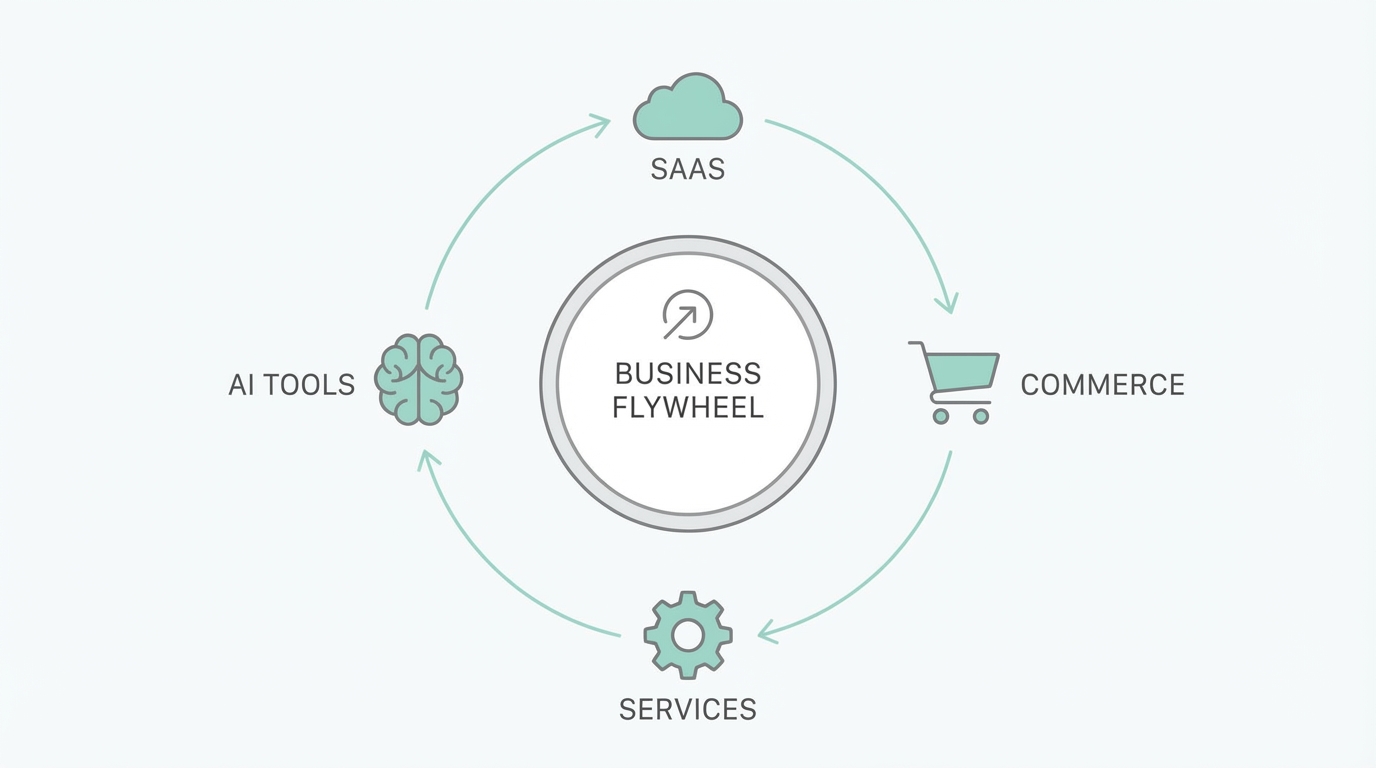
The jump from $20 million to $48 million happened because the founders stopped being a "blanket company" and started being a sleep company. They realized that once they earned a customer's trust with a blanket, they could cross-sell them on pillows, sheets, and eventually mattresses. This is the multi-product flywheel that drives bootstrapped startup growth by drastically increasing the Lifetime Value (LTV) of every customer.
Each product launch followed the same playbook: customer phone calls first, manufacturing second. When they launched their pillow on their email list, they sold 3,000 units in 72 hours without spending a dollar on new ads. They even tackled the "mattress in a box" industry—a notoriously low-margin space—by identifying a specific pain point: existing mattresses were uncomfortable for intimate moments. By solving this specific niche problem, they did $1.5 million on the mattress launch alone.
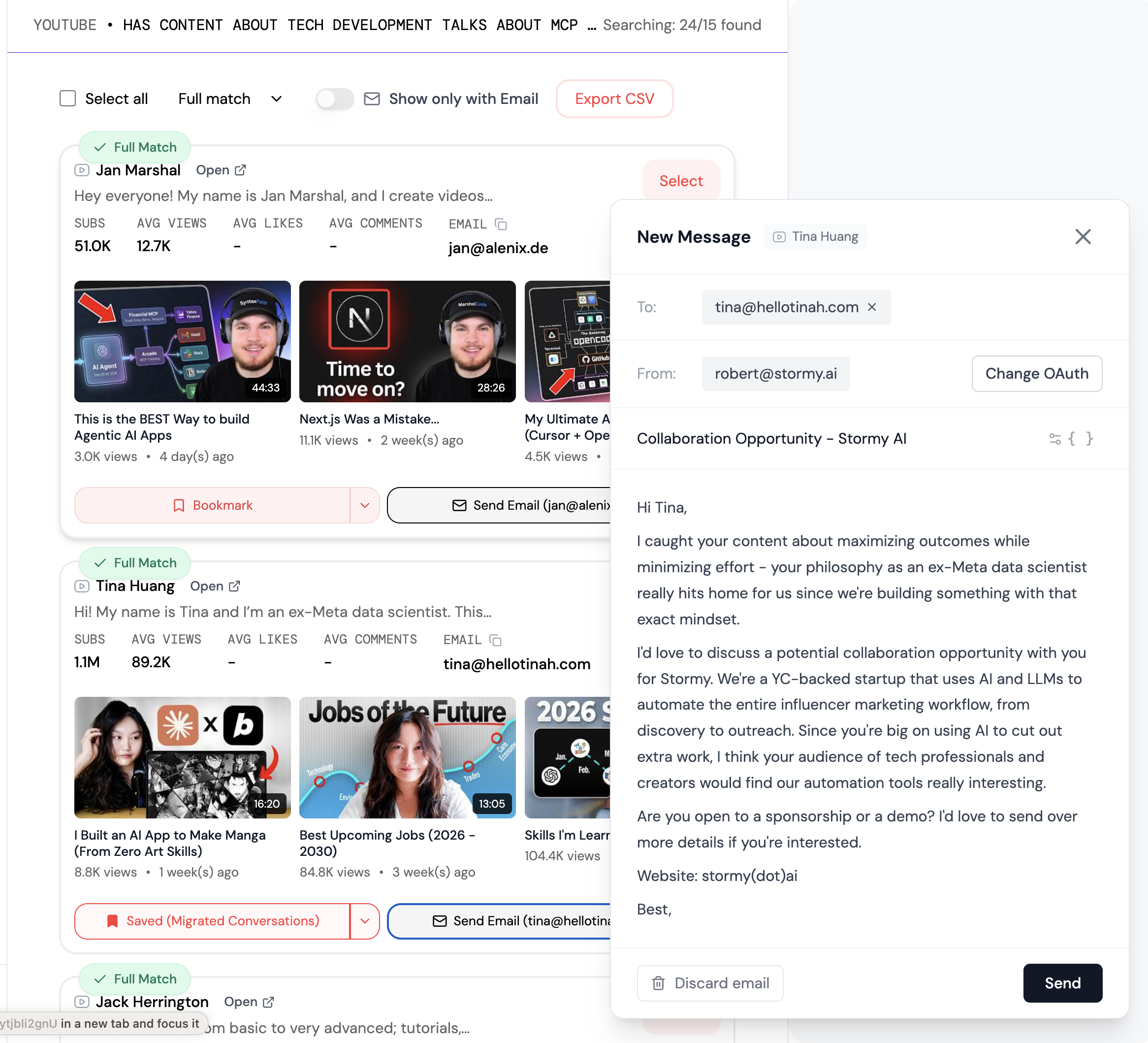
Maintaining these relationships requires a sophisticated Creator CRM. Managing thousands of customer interactions and influencer partnerships can't be done on a spreadsheet. Using Stormy’s creator CRM, brands can track every interaction, from the first outreach to the final payment, ensuring that no lead—or customer insight—falls through the cracks.
The Power of Storytelling: Building a Community of Superfans
Why did customers ask Aaron to sign their blankets at a pop-up shop? It wasn't because the fabric was better than everyone else's; it was because they had followed the journey. Aaron and Lior were vulnerable about their failures, their 2:00 AM grinds, and their "zero sale" months on LinkedIn and social media. This storytelling transformed a commodity into a community.
In the modern era, this storytelling is often delivered through User-Generated Content (UGC). When real people share their honest experiences with a brand, it bypasses the skepticism of traditional advertising. For mobile app developers and e-commerce brands alike, leveraging UGC is a cornerstone of App Store Optimization (ASO) and social growth. By using Stormy’s post tracking, brands can monitor which pieces of storytelling content are actually driving engagement and conversions, allowing them to double down on what resonates with the audience.
Preparing for the Exit: What Large Sleep Companies Look For
When Canada’s largest sleep company, Sleep Country Canada, came knocking in 2021, they weren't just buying inventory. They were buying a brand with a moat. An effective ecommerce exit strategy focuses on three things: clean data, a diversified product line, and a loyal community. Hush had all three. They had moved from $0 to $48 million in 48 months by being obsessed with profitability and cash flow—the hallmarks of a healthy bootstrapped business.
The acquirers were particularly impressed by the fanatical customer base. Seeing 1,500 people show up for a pop-up store opening proved that Hush wasn't just a Google Ads play; it was a cultural mainstay. If you want to scale your business for an exit, you must prove that your brand can live beyond your ad spend. You need organic reach, high retention, and a clear path to LTV expansion.
The Bootstrapped Playbook for the Modern Founder
The journey from $4,000 to $48 million proves that the internet has leveled the playing field. You no longer need to beg retailers for shelf space or venture capitalists for permission. By focusing on high-intent keywords, maintaining a customer feedback loop, and using AI-powered discovery platforms, any founder can build a legacy brand. The steps are clear: validate your niche, talk to your customers until you find the "Iced" version of your product, and use every launch as a marketing event to build a community of superfans.
Ready to start your own scaling journey? Whether you're hunting for your first high-intent niche or looking to automate your outreach to thousands of creators, Stormy AI provides the tools to help you find, vet, and manage the creators who will tell your brand's story. Don't leave your growth to luck—leverage the same data-driven strategies that turned a seasonal blanket company into an eight-figure exit.