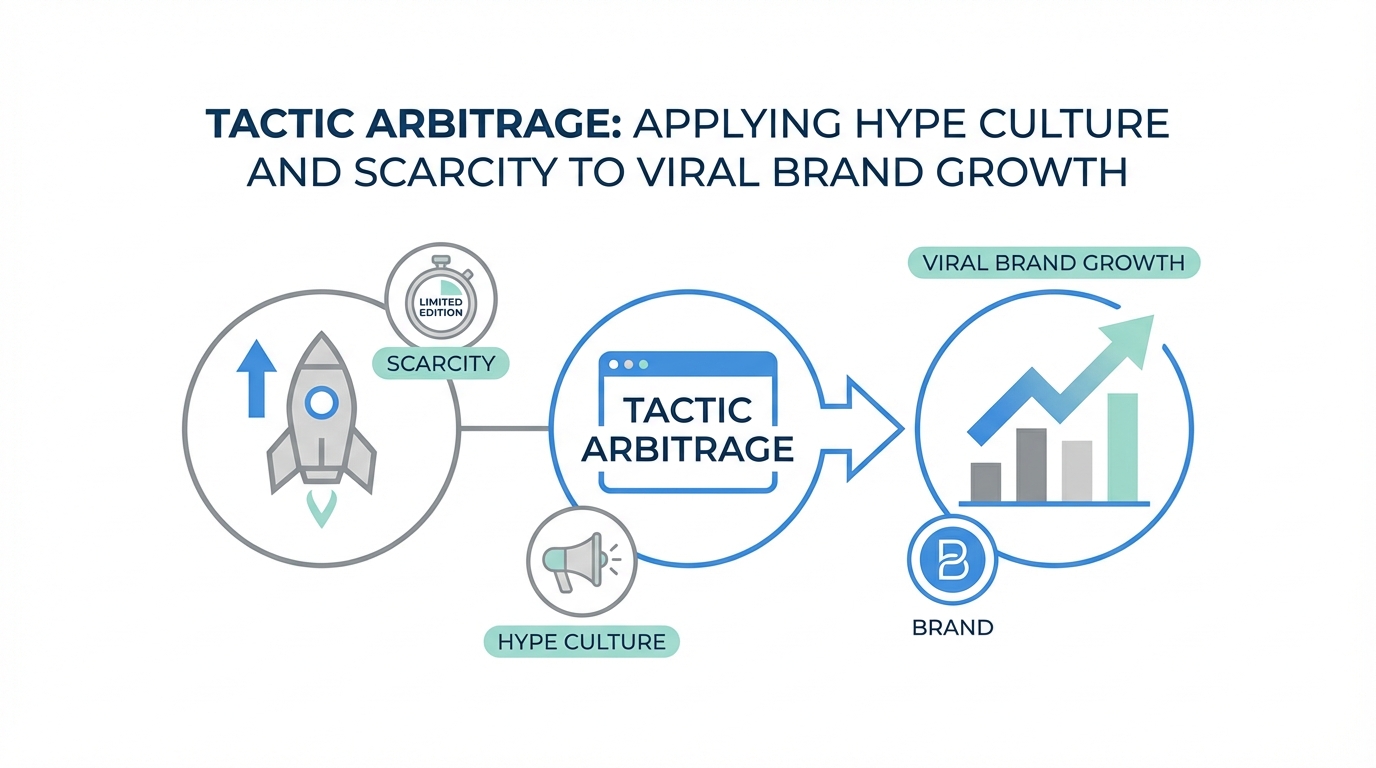
In the high-stakes world of digital marketing, the most effective strategies often aren't invented from scratch; they are borrowed from the fringes. This phenomenon is known as tactic arbitrage marketing—the process of taking high-pressure, successful marketing tactics from one niche, like sneaker botting or retail arbitrage, and applying them to industries where they are virtually unknown. Whether you are running a SaaS startup, a consumer app, or a brick-and-mortar restaurant, understanding consumer psychology social media behaviors can unlock growth that traditional advertising simply can't touch.
What is Tactic Arbitrage?
Tactic arbitrage is the movement of specialized marketing knowledge across industry boundaries. A prime example is the transition from the world of sneaker botting and retail arbitrage into mainstream brand management. Entrepreneurs like Zuhair Lani, who secured a $1 million investment from A16Z through their Speedrun program, have demonstrated that the same intensity used to secure limited-edition Yeezys can be used to generate millions of views on social media.
During the COVID-19 pandemic, retail botting became a necessity for those tracking out-of-stock consumer goods. By using automated tools to monitor inventory on sites like Walmart or Target, resellers learned the intricacies of high-speed digital commerce. When these same "hype beast" tactics—such as scheduled drops, gated access, and manufactured scarcity—are applied to a restaurant or a mobile app, the result is often organic social media growth 2025 benchmarks will struggle to keep up with.
The Power of the Waitlist: Manufacturing Scarcity

One of the most potent viral marketing growth hacks is the strategic use of the waitlist. In industries like street wear, the "drop" model creates a concentrated burst of demand. This can be replicated in almost any sector. For instance, when launching a restaurant, instead of opening reservations for the entire month, you might only release slots every Wednesday at 4:00 p.m. This creates a recurring event that conditions your audience to pay attention at a specific time.
Even if you have empty capacity, looking "sold out" can be more valuable than filling every seat immediately. If a restaurant has 100 spots but only 20 sign-ups, closing the reservation window early makes the brand appear as "the one nobody can get into." This triggers a FOMO (Fear Of Missing Out) cycle that drives word-of-mouth. This strategy, often used by high-end brands on Instagram, forces the consumer to work for access, which paradoxically increases the perceived value of the product once they finally obtain it.
Leveraging Local Communities and the FOMO Cycle

To trigger massive organic buzz, you must go where the targeting is already done for you. For brick-and-mortar businesses or localized consumer apps, this means dominating niche environments like Facebook Groups and hyper-specific subreddits. These communities are often overlooked by major agencies, but they represent the highest concentration of relevant users.
When someone posts a review in a Dallas-specific restaurant group or an app-focused subreddit, the engagement is far more impactful than a generic ad. Platforms like Stormy AI can help brands find the right UGC creators through its AI search engine, allowing users to type natural-language prompts to instantly find influencers who already have a presence in these niche communities. By encouraging early users to share their "exclusive" access in these groups, you create a ripple effect of demand that feeds the waitlist.
Phone Farms and the New Creator Economy
As social platforms like TikTok become more sophisticated, they have implemented device fingerprinting to prevent spam. This has led to the development of physical "phone farms"—racks of real mobile devices controlled by software to simulate human actions. This technology allows brands to run dozens of accounts simultaneously without being flagged as automated bots.
In this new landscape, the goal is to have AI do 95% of the heavy lifting while humans provide the final 5% of creative touch-up. Using tools like Midjourney for visuals and 11 Labs for voiceovers, marketers can produce high-quality, narrative-driven slideshows at scale. By leveraging Stormy AI, an AI-powered platform for creator discovery across TikTok, YouTube, and Instagram, brands can identify successful content formats and then use AI to create hundreds of variations, testing different hooks and body slides to see what resonates most with the algorithm.
The Playbook for Viral Content: A Step-by-Step Guide

To successfully execute a tactic arbitrage strategy, you need a repeatable system for content creation and distribution. Follow this playbook to scale your organic reach:
Step 1: Identify Winning Formats
Don't guess what works. Search for your niche on TikTok or Instagram and find the viral hits from the last 30 to 60 days. Look for specific styles, such as "5 things you didn't know about X" or narrative storytelling slideshows. You can use platforms like Stormy AI to vet creators instantly, getting AI-powered quality reports that detect fake followers, spam accounts, and engagement fraud before finalizing your list.
Step 2: Build a Narrative Hook
The first slide of your content must address a specific pain point. For a productivity app, the hook might be: "I used to struggle with managing my business emotions until I tried this." The subsequent slides should offer real, high-effort solutions (like hiring a full-time coach) before positioning your product as the low-effort, high-impact alternative.
Step 3: Mass Produce and AB Test
Use AI tools to generate variants of your winning format. Change the background images, the text overlays, and the call-to-action. If you are using Meta Ads Manager or Google Ads alongside your organic efforts, use the data from your organic "winners" to inform your paid spend.
Step 4: Automate Distribution
Whether you are using a manual team of creators or a sophisticated phone farm setup, consistency is key. Post 1-2 times daily per account. You can use the built-in analytics in Stormy AI to track individual videos and monitor views, likes, and engagement across all your campaigns in one dashboard.
Why Marketing Happens in Cycles
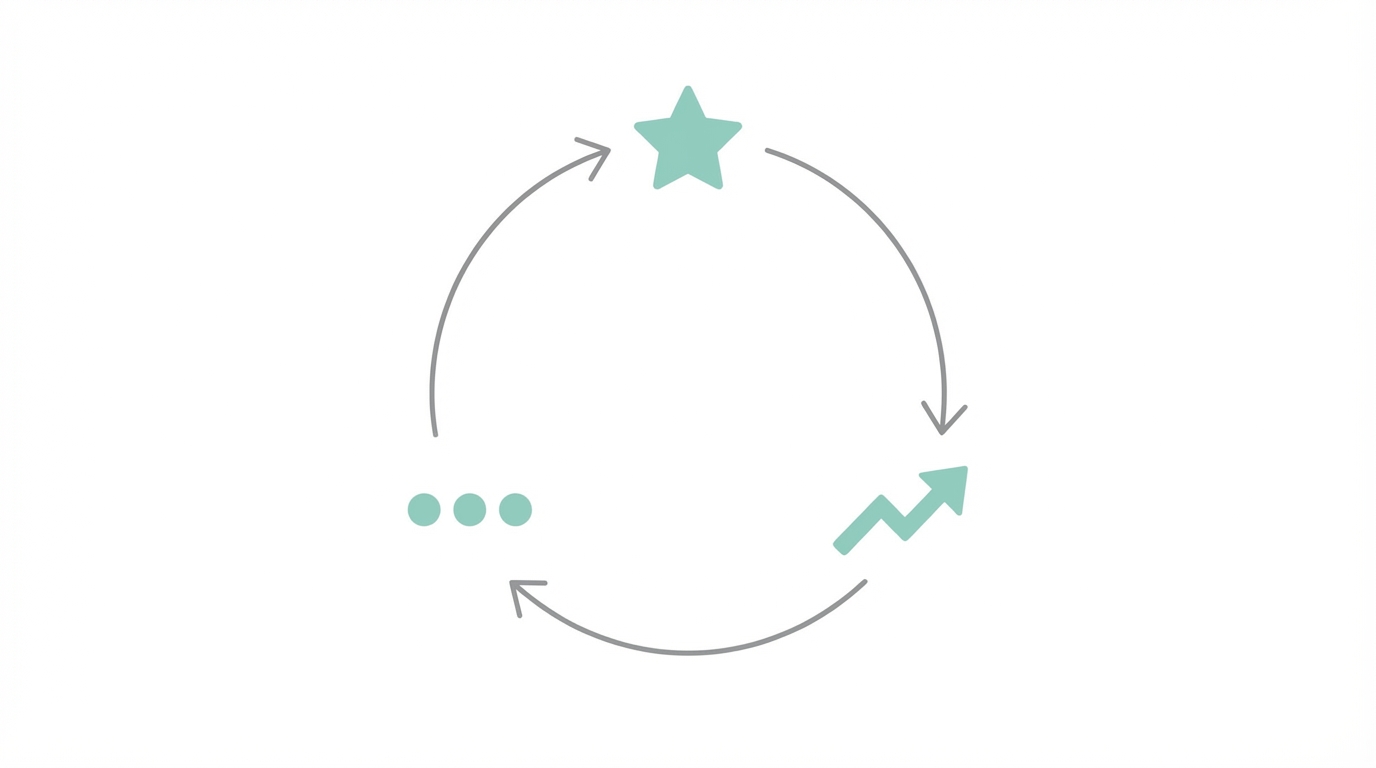
Marketing tactics have a shelf life. As soon as a strategy like "mass account posting" or "faceless AI slideshows" becomes mainstream, consumers develop a blind spot for it. This is why tactic arbitrage marketing requires constant vigilance. The most successful marketers are those who can spot the next window before it becomes a standard case study.
Currently, the integration of Large Language Models (LLMs) like OpenAI's ChatGPT into content workflows is the dominant arbitrage opportunity. By feeding engagement data back into these models—a concept known as Attention Intelligence—brands can create a feedback loop where the content literally gets smarter with every post. This allows for the creation of content that not only looks human but performs better than traditional human-made creative.
Conclusion: Bridging the Gap
The bridge between hype culture and brand growth is built on consumer psychology. By applying the scarcity of sneaker drops to your product and leveraging the scale of AI-powered content creation, you can bypass the traditional gatekeepers of attention. Whether you are aiming for $100,000 in monthly revenue on TikTok Shop or trying to drive app installs, the key is to look for the arbitrage. Find the tactics that are working in the most aggressive corners of the internet and use Stormy AI to automate your influencer outreach and discovery at scale today.