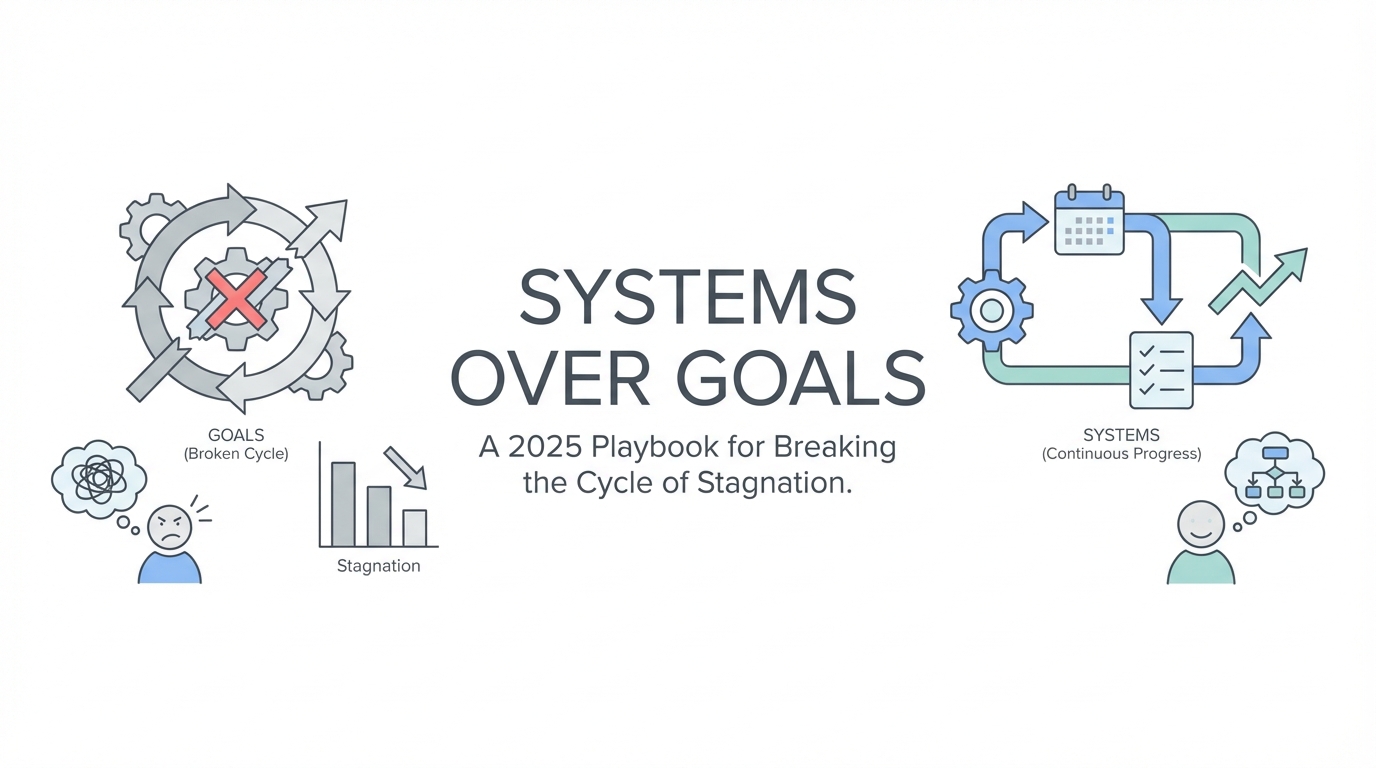
Imagine opening a journal from five years ago and realizing you are complaining about the exact same problems today. For many high-performers, this isn't just a fear—it is a documented reality. We often mistake movement for progress, setting ambitious annual goals only to find ourselves stuck in the same emotional and operational loops half a decade later. As we look toward how to achieve goals 2025, the secret isn't more willpower; it is a fundamental shift from goal-obsession to rigid, feeling-independent systems.
The 5-Year Journal Audit: Recognizing Patterns of Stagnation
There is a specific type of clarity that only comes from chronological reflection. Using a five-year diary—where each page features the same calendar date across five consecutive years—forces an uncomfortable perspective. When you look at December 1st from 2020, 2021, and 2022, and see the same entries about being "distracted by digital devices" or "doubting the business direction," it becomes clear: humans do not naturally change. We are, by default, creatures of inertia.
This audit reveals that while our circumstances might fluctuate, our internal struggles often remain static. High-performers frequently find themselves in a loop where they achieve a milestone, like a certain revenue target or a promotion, yet feel the same baseline levels of anxiety or dissatisfaction. To break this, we must recognize that atomic habits for entrepreneurs are not just about small wins, but about auditing the "emotional home" we return to regardless of our success. Without a change in productivity systems, the next five years will look exactly like the last five.
Why Inertia is the Default Human State
Physics tells us that an object at rest stays at rest, and an object in motion stays in motion unless acted upon by an external force. Human psychology follows a similar rule. Change is inherently unnatural. Our brains are wired for efficiency, which often means defaulting to existing neural pathways—even if those pathways lead to burnout or stagnation. This is why you can read a revolutionary book like Atomic Habits and still find yourself struggling with the same distractions a week later.
The problem is that most people attempt to fight inertia with motivation. Motivation is a feeling, and feelings are fickle. When you are building a brand or managing a team, you cannot rely on the days you "feel" like working. Successful entrepreneurs recognize that they need an external force to redirect their path. In the world of modern marketing, platforms like Stormy AI help creators and brands bypass the "blank page" problem by using an AI search engine to instantly find the right influencers across TikTok and Instagram based on natural-language prompts.
Scaling from 10M to 100M: The Systems Differentiator
In the business world, the transition from a $10 million company to a $100 million company is rarely about working harder. In fact, the "hustle" that got you to $10M is often the very thing that prevents you from reaching $100M. The differentiator is almost always business systems and processes. At $10M, the founder is often the hub of every wheel. To scale, you must replace individual heroics with predictable systems and great people who can operate them.
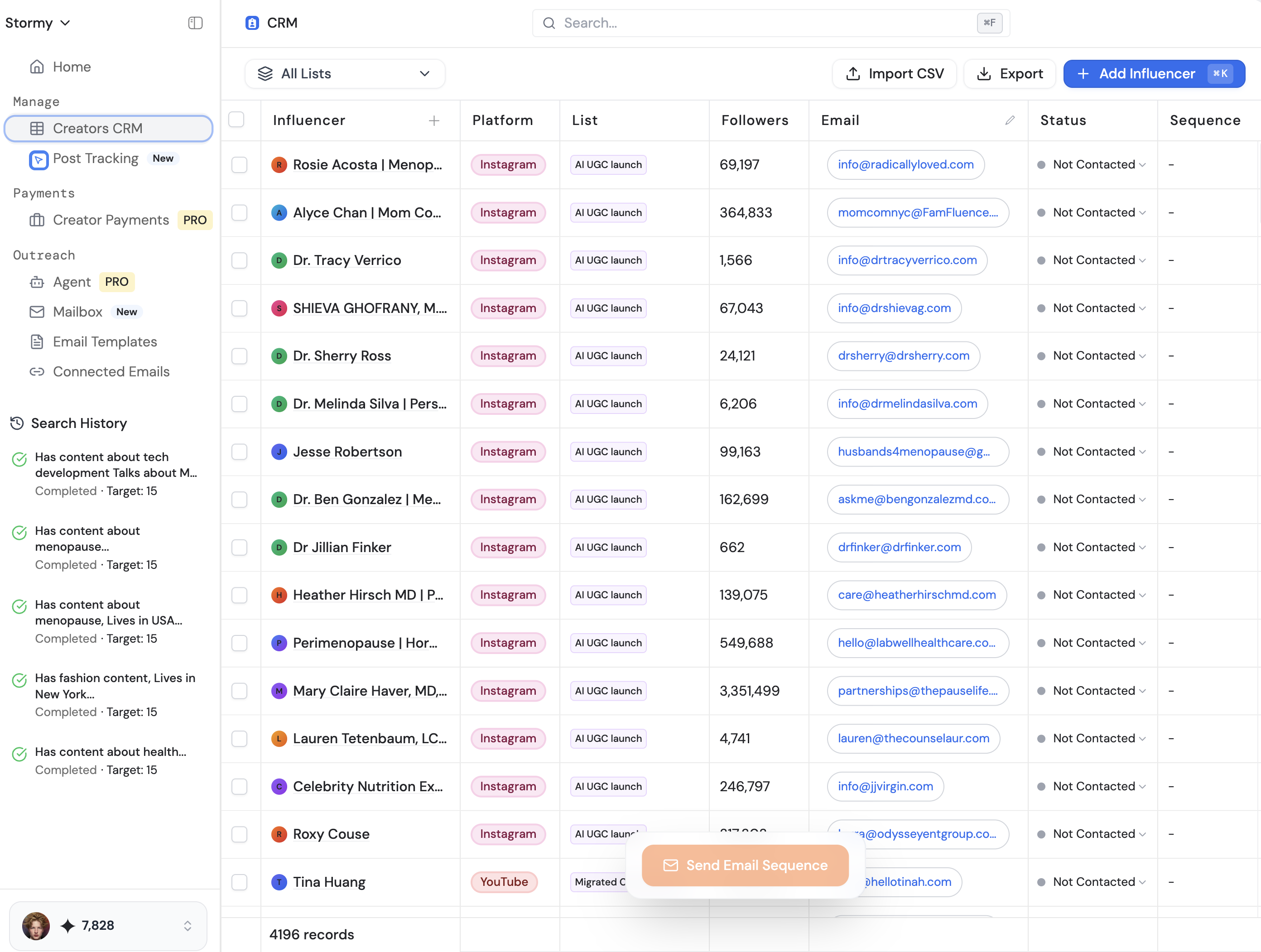
A $100M business operates on checklists and scripts. For instance, a sales team shouldn't decide how to follow up based on their mood; they should follow a rigid cadence within a Stormy AI Creator CRM to track every interaction and negotiation in one place. Similarly, your marketing shouldn't be a series of "random acts of content." It should be a system where you are consistently testing ads on Meta Ads Manager or Google Ads based on data, not intuition. Scaling a business from 10m to 100m requires removing the variable of human emotion from core operations.
The Accountability Layer: Why Hiring Experts Outperforms Willpower
One of the most effective ways to install a system is to pay for an accountability layer. Think about the times in your life when you were in peak physical condition. It likely wasn't when you had the most "willpower." It was when you had a trainer waiting for you at 6:00 AM, a nutritionist who reviewed your daily logs, or a teammate who relied on you to show up. Willpower is a limited resource; social and financial accountability are virtually infinite.
The same logic applies to business growth. If you want to master Apple Search Ads for your mobile app, you could try to learn it yourself via trial and error, or you could hire a specialist whose sole job is to hold that system to a standard. By backing yourself into a corner where you must perform—either because you are paying someone or because you don't want to let them down—you create a environment where success is the only option. Using tools like Stormy AI to vet creators with AI-powered quality reports is another form of this; it replaces the "hope" of finding a good influencer with a systematic analysis of fake followers and engagement fraud.
Decoupling Feelings from Actions: Following the Script
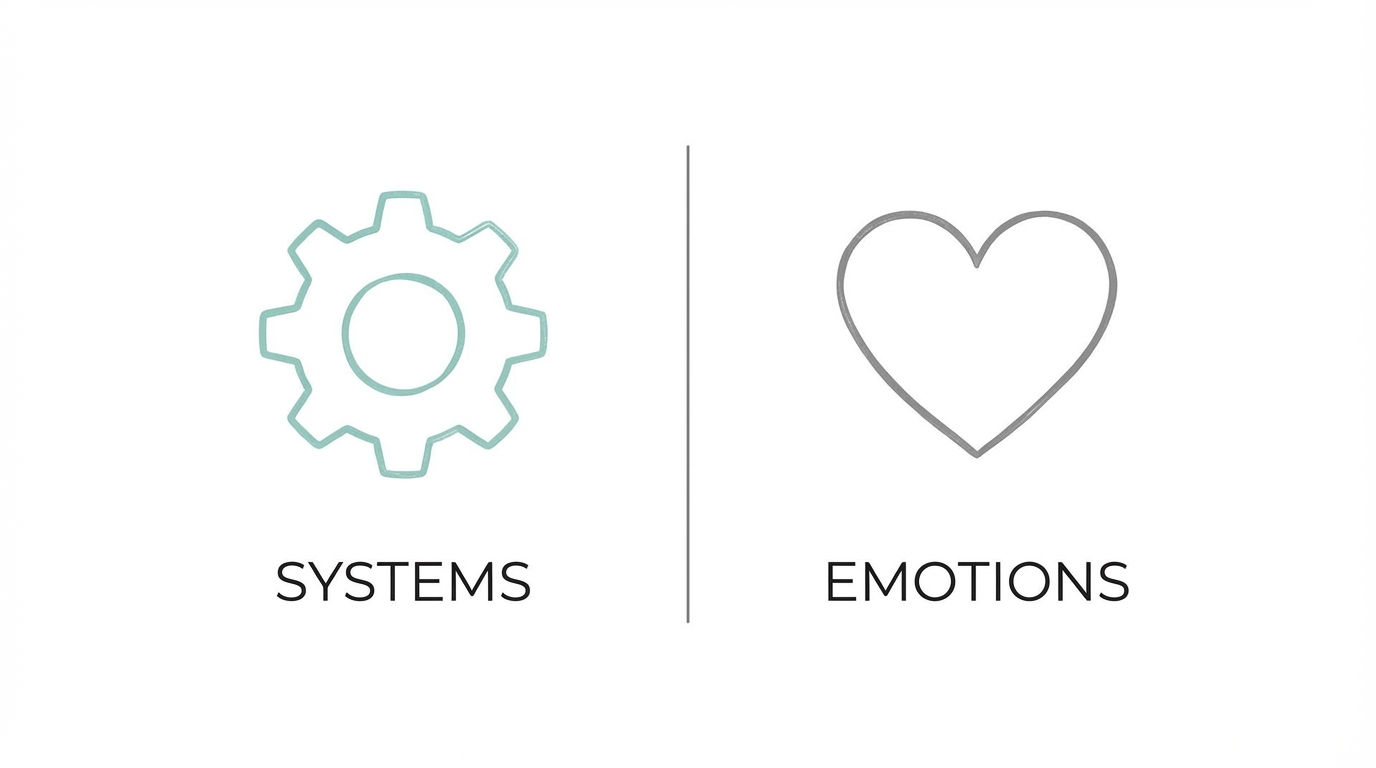
The hallmark of a professional is the ability to do high-quality work when they don't feel like it. Amateurs wait for inspiration; professionals follow a schedule. To truly achieve productivity systems that last through 2025, you must decouple your actions from your current emotional state. This means having a "script" for your life and your business.
In basketball, players are taught the principle of "playing off two feet." When a player jumps off one foot, they are committed to a single path, making them vulnerable to the defense. When they land on two feet (a jump stop), they remain under control and have multiple options: pass, pivot, or shoot. Your systems should be your "two feet." When the "defense" of life (stress, exhaustion, bad news) hits, your systems allow you to stay under control and make the right move, regardless of how rattled you feel. Systems take away how you feel at the moment and replace it with a predetermined action plan.
The Power of Reminders: Marketing to Yourself
We often think of marketing as something we do to customers, but the most important marketing happens internally. We don't need to be taught new things nearly as much as we need to be reminded of what we already know. Reminders are the most undervalued tool in the self-help and business world. If a priority is truly a priority, it should be repeated so often that it becomes an "earworm" for your team and yourself.
Take the linguistic structure of a Chiasmus (or Kayasmus). John F. Kennedy’s famous line, "Ask not what your country can do for you, ask what you can do for your country," is a perfect example. It is a sentence structure that the brain finds satisfying and memorable. In your business, you need similar "slogans"—simple, repeatable phrases that encapsulate your values. For example, a coaching staff might use the phrase "Max Effort" to turn the vague concept of hard work into a pass/fail standard. When everyone in the organization starts repeating the phrase to each other, you know the system has been successfully "incepted." [Source: JFK Library]
The 2025 Playbook for Systemic Success

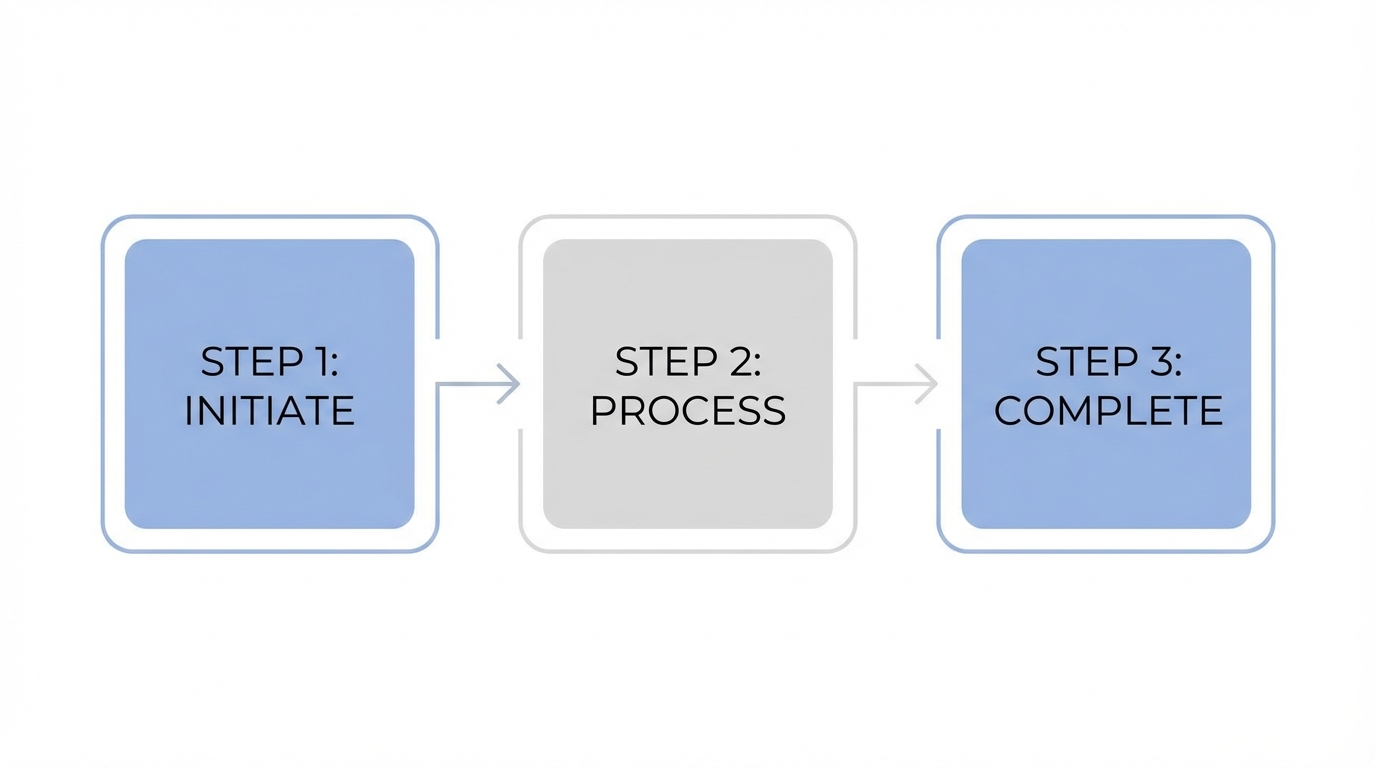
To move from stagnation to growth in 2025, follow this step-by-step playbook to install feeling-independent systems in your life and business.
Step 1: Conduct a Five-Year Audit
Purchase a multi-year journal and spend 30 minutes reading through your entries from past years. Identify the three recurring complaints that haven't changed. These are not problems to be solved with a one-time goal; they are failures in your current systems.
Step 2: Define the "Two-Feet" Response
For each recurring problem, create a rigid checklist. If the problem is "lack of focus," the system might be: "Phone in the kitchen at 8:00 PM, no laptop in the bedroom, and 15 minutes of planning every morning." Don't ask how you feel about these rules; just follow them like a script.
Step 3: Build the Accountability Layer
Identify where your willpower is currently failing. Is it in your fitness? Hire a trainer. Is it in your scaling a business from 10m to 100m journey? Hire a COO or a specialized agency. If you are struggling to maintain growth, set up an autonomous AI agent through Stormy AI that discovers, outreaches, and follows up with creators on a daily schedule while you sleep.
Step 4: Create internal Slogans
Turn your core values into memorable phrases. If your goal is speed, don't just say "work faster." Say "Move fast and break things." Repeat these slogans in every meeting and affirmation until they become the default language of your environment.
Step 5: Master the Art of Reminders
Stop looking for the next "shiny object" strategy. Instead, pick the one or two strategies that you know work and set up a system of constant reminders. Whether it is a daily review or using Stormy AI to monitor campaign performance across all platforms in a centralized post-tracking dashboard, stay focused on mastering the fundamentals through repetition.
Conclusion: From Potential to Predictability
Stagnation is often the result of having great goals but poor business systems and processes. As we enter 2025, remember that you do not become your potential; you become what you do repeatedly. By auditing your past, accepting the reality of inertia, and building a layer of accountability that doesn't depend on your mood, you can finally break the 10-year loop of the same complaints. Build the system, follow the script, and let the physics of your processes take you to the next level.