In the world of high-stakes sales, few systems are as legendary—or as controversial—as Jordan Belfort’s Straight Line Persuasion. Originally developed within the high-pressure environment of Stratton Oakmont, the system was designed to turn average individuals into closing machines. While the origins of the system are tied to a period of significant financial misconduct—resulting in estimated investor losses of $200 million—the core psychological principles remain some of the most effective sales closing techniques used by modern professionals today. The goal is simple: to move a prospect from the open to the close in a straight line, avoiding the tangential conversations that often kill deals.
The Three Tens: The Foundation of Every Close


According to Jordan Belfort sales training, a prospect will never buy unless they have reached a level 10 of absolute certainty on three specific scales. If any of these scales are lagging, the sale will fail. To learn how to close a sale, you must first master the art of scaling these Three Tens simultaneously.
- 1. The Product: The prospect must believe that your product is the ultimate solution to their problem. They need to see it as a "must-have" that provides immense value.
- 2. The Salesperson (You): The prospect must trust you. They need to see you as an expert, a person of high integrity, and someone who genuinely has their best interests at heart.
- 3. The Company: Even if they love you and the product, they won't buy if they don't trust the organization behind it. The brand reputation must be rock-solid in their mind.
When implementing straight line persuasion, your job is to constantly monitor where the prospect sits on these scales. If you sense a dip in trust for the company, you "loop" back to build that specific certainty. Modern sales tools like Gong.io now use AI to analyze tonality and objection patterns, confirming that Belfort’s focus on psychological certainty is backed by data-driven insights from the Sales Hacker community.
The Power of the First 4 Seconds
In sales, you don't get a second chance to make a first impression. Belfort argues that you have exactly 4 seconds to establish three critical things in the mind of your prospect. If you fail here, you are fighting an uphill battle for the rest of the call. You must be perceived as sharp as a tack, enthusiastic as hell, and an expert in your field.
Establishing this authority isn't just about what you say, but how you say it. Using the right tonality allows you to bypass the logical mind and speak directly to the emotional brain. Research published by the Association for Psychological Science confirms that people make judgments on trustworthiness and competence within a fraction of a second. This is where objection handling scripts start—not at the end of the presentation, but at the very beginning by projecting confidence. Industry experts at The Power Moves note that while these high-authority tactics are powerful, they must be balanced with empathy to avoid appearing overly aggressive in a modern consultative sales environment.
Intelligence Gathering and Qualifying
One of the biggest mistakes in sales is trying to sell to someone who isn't qualified. The straight line persuasion system emphasizes using open-ended questions to identify a prospect's pain points, goals, and budget early on. This is often called "intelligence gathering." You are looking for the "gap" between where they are now and where they want to be.
During this phase, your goal is to listen 80% of the time and speak 20% of the time. You should be using tools like Apollo.io to research lead intelligence before the call even begins, ensuring you aren't wasting time on prospects who don't have the capacity to buy. By asking strategic questions, you are essentially building a "pain file" that you can use later to help the prospect realize the cost of inaction.
The 12-Step Sales Syntax: A Playbook for Closing

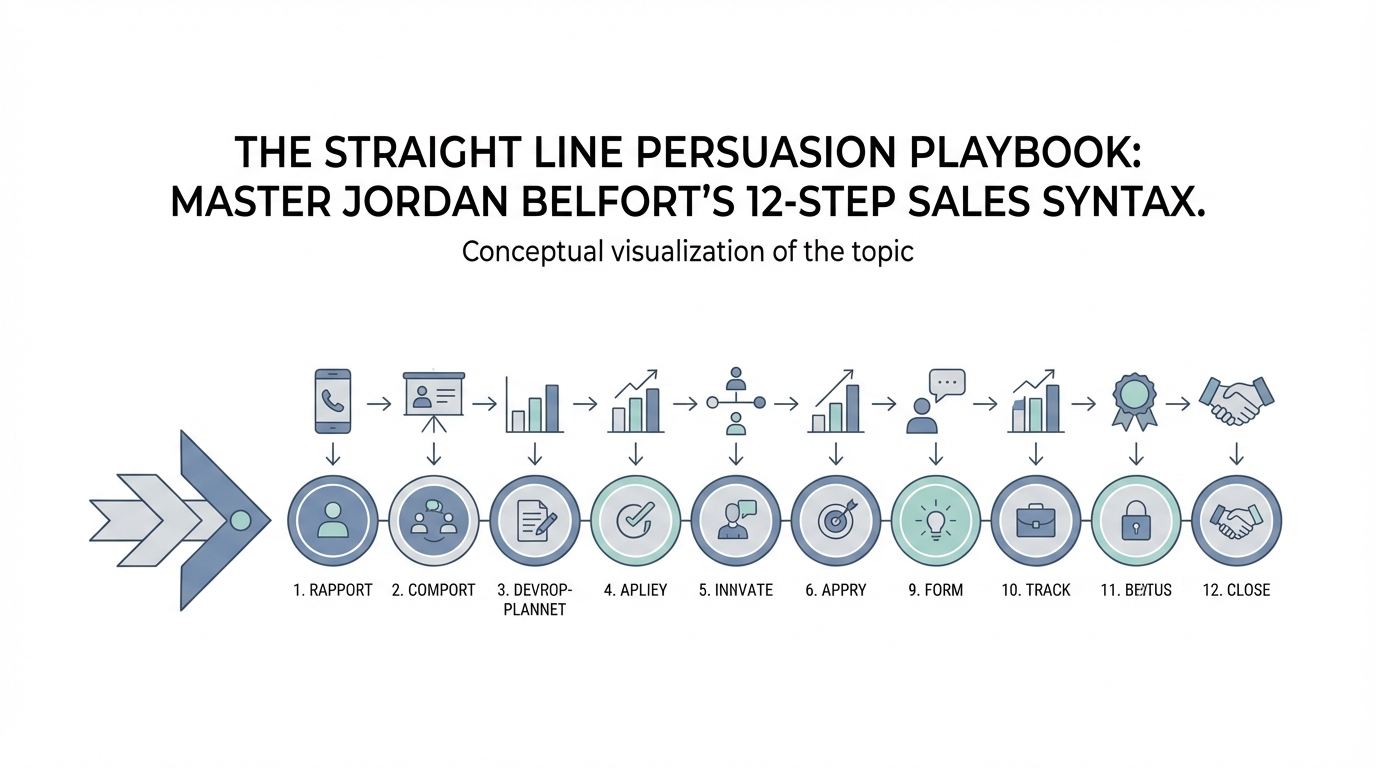
Belfort’s system is structured into a linear 12-step process. Following this syntax ensures you stay on the "straight line" and don't get lost in small talk or irrelevant details.
Step 1: Immediate Control
Take the lead immediately. Your tone should be confident and authoritative. If you don't take control, the prospect will, and the sale will likely veer off course.
Step 2: Intelligence Gathering
Ask the right questions. Identify their needs, their "why," and their level of pain. This is the foundation of your future presentation.
Step 3: Rapport Building
Contrary to popular belief, rapport isn't about talking about the weather. It's about demonstrating that you understand their problem and have the expertise to solve it. Mirroring their tonality and pace is key here.
Step 4: The Transition
Once you have the intelligence, transition into your pitch by saying something like, "Based on what you've told me, this is the perfect fit for you..."
Step 5: The Presentation
Focus on the top three benefits that directly address the pain points identified earlier. Keep it concise and high-energy. Ensure you are building certainty in the product.
Step 6: The First Close
Ask for the order. This is where many salespeople fail. You must be direct. Most first attempts will be met with a "let me think about it."
Step 7: Deflection
Acknowledge the objection but treat it as a "smokescreen." Don't argue with it. Instead, deflect it and move back into the process of building certainty.
Step 8: Looping
This is the secret sauce of the system. You backtrack to rebuild the Three Tens. If they aren't sure about the product, you explain the benefits again in a new way. If they don't trust you, you reinforce your expertise.
Step 9: Lowering the Action Threshold
Make it easy for them to say yes. Use money-back guarantees, testimonials, or limited-time offers to reduce the perceived risk of the purchase.
Step 10: Increasing the Pain Threshold
Remind them of what happens if they don't buy. Highlight the continued frustration, lost revenue, or wasted time they will face if they stay in their current state.
Step 11: The Final Close
Ask for the order again with absolute conviction. At this point, their certainty should be at a 10 across all scales.
Step 12: Rehash for Referrals
Once the deal is done, the work isn't over. Ask for referrals immediately. This is the most efficient way to fill your pipeline with pre-qualified leads.
Mastering Objection Handling Scripts

In the Straight Line system, an objection is rarely the real reason someone isn't buying. It's usually a sign that their certainty isn't high enough. Common objection handling scripts involve "looping" back to the Three Tens. For example, if a client says "I need to talk to my wife," a Straight Line practitioner might respond by saying, "I hear what you're saying, but let me ask you a question: does the idea make sense to you? Do you like the idea?"
By getting a "yes" to the product first, you can then move on to rebuilding trust in yourself and your company. This iterative process continues until the prospect's logic and emotion both align for the purchase. This method is highly effective in B2B environments, where CRM tools like Salesforce help track these touchpoints and ensure that no objection goes unaddressed during the follow-up process.
Modernizing the System for 2025
While the psychological triggers of the straight line persuasion system are timeless, the ethical landscape has changed significantly. In early 2024, the FTC reported record-breaking fraud losses topping $10 billion, leading to increased scrutiny on high-pressure sales tactics. Today's buyers are more informed and have access to more data than ever before.
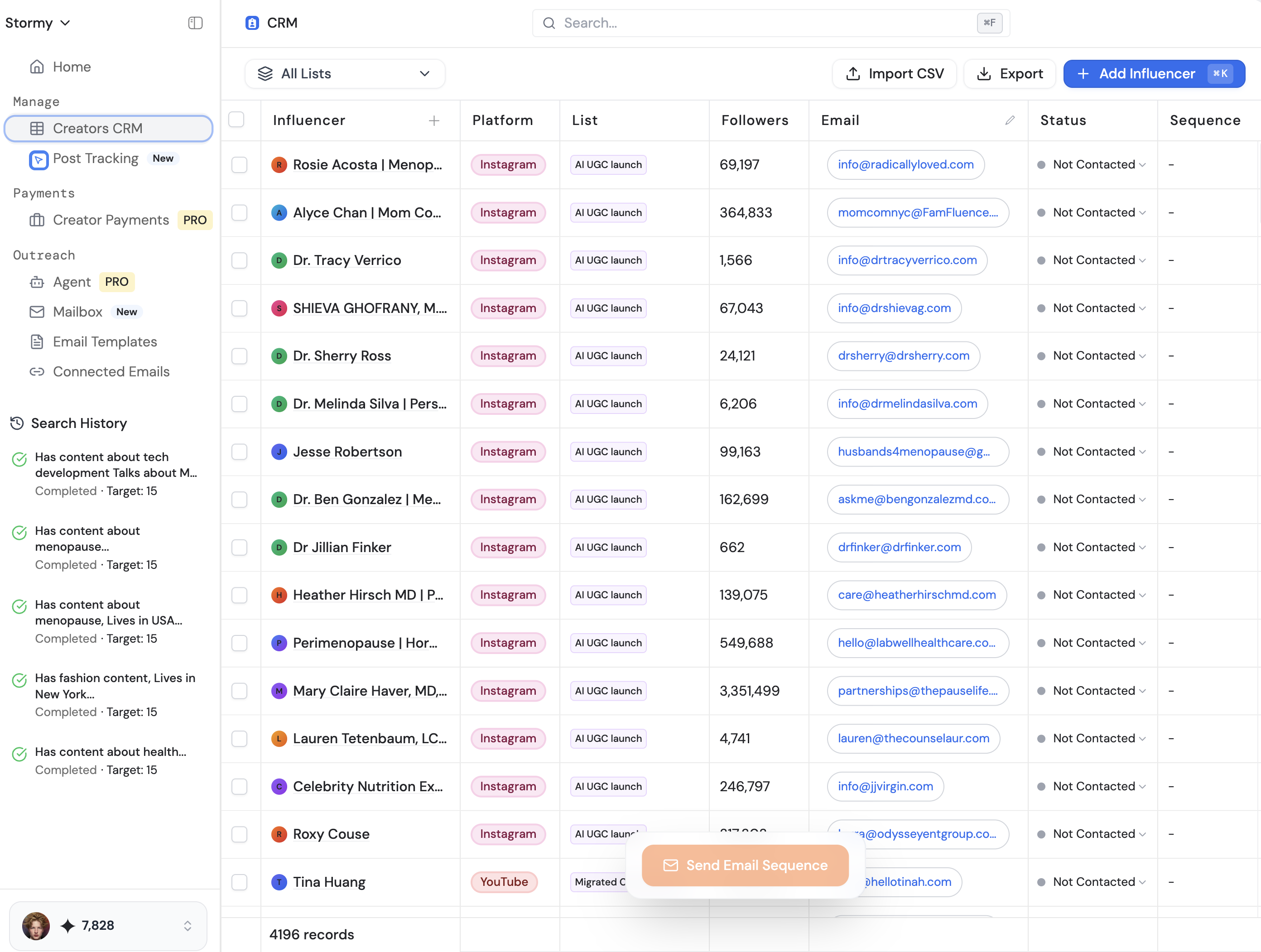
To succeed in 2025, sales teams must pivot toward "Ethical AI-Driven Coaching." This means using the Straight Line techniques to help people make decisions that truly benefit them, rather than pushing products they don't need. Modern brands often combine these sales techniques with influencer marketing and UGC (User-Generated Content) to build "Company Certainty" before the sales call even begins. For instance, platforms like Stormy AI streamline creator sourcing and outreach, helping brands find authentic voices to act as third-party validators, effectively raising a prospect's certainty level to a 10 through social proof before they ever speak to a salesperson.
The Ethics of Persuasion: Lessons from the Past

Jordan Belfort has frequently stated that his biggest mistake was "losing his ethics." The legal fallout of the Stratton Oakmont era was catastrophic, leading to a $110.4 million restitution order that remains a point of public record. This serves as a vital lesson for any sales organization: high-pressure tactics without a foundation of integrity lead to short-term gains but long-term ruin.
In the modern era, the FBI's Internet Crime Complaint Center (IC3) has noted a significant rise in investment fraud. This highlights why building genuine trust is the only sustainable way to grow a business. Using straight line persuasion should be viewed as a way to provide clarity and leadership to a prospect who is stuck in indecision, not as a weapon to exploit the vulnerable.
Conclusion: Implementing the Playbook
Mastering the Straight Line Persuasion playbook requires practice, specifically in the areas of tonality and looping. By focusing on the Three Tens—Product, Salesperson, and Company—you can systematically address the psychological barriers that prevent a sale from closing. Remember to establish authority in those first 4 seconds, gather deep intelligence, and always act with the highest level of ethics.
For sales leaders looking to scale these strategies, combining modern technology with classic persuasion techniques is the winning formula. Whether you are using Pipedrive to manage your visual pipeline or utilizing an AI-powered platform like Stormy AI to automate creator discovery and outreach, the goal remains the same: a straight line to the close. If you're ready to build that crucial 'Company Certainty' through authentic content, discover how modern tools can streamline your process today.