The influencer marketing industry is undergoing a seismic shift. As we head into 2025, the market is projected to reach a staggering $32.55 billion, with over 60.2% of marketers already leveraging AI for campaign optimization. For modern marketing teams, the question is no longer whether to use an influencer marketing platform, but rather which philosophy to adopt: the autonomous AI agent or the relationship-centric CRM. This choice is best exemplified by the battle between Stormy AI vs Grin.
Choosing the right tool determines whether your team spends 40 hours a week in spreadsheets or 40 minutes reviewing results. In this guide, we break down why Stormy AI is disrupting the space and how it compares to legacy leaders like Grin.
Core Philosophy: AI Agent vs. Relationship CRM
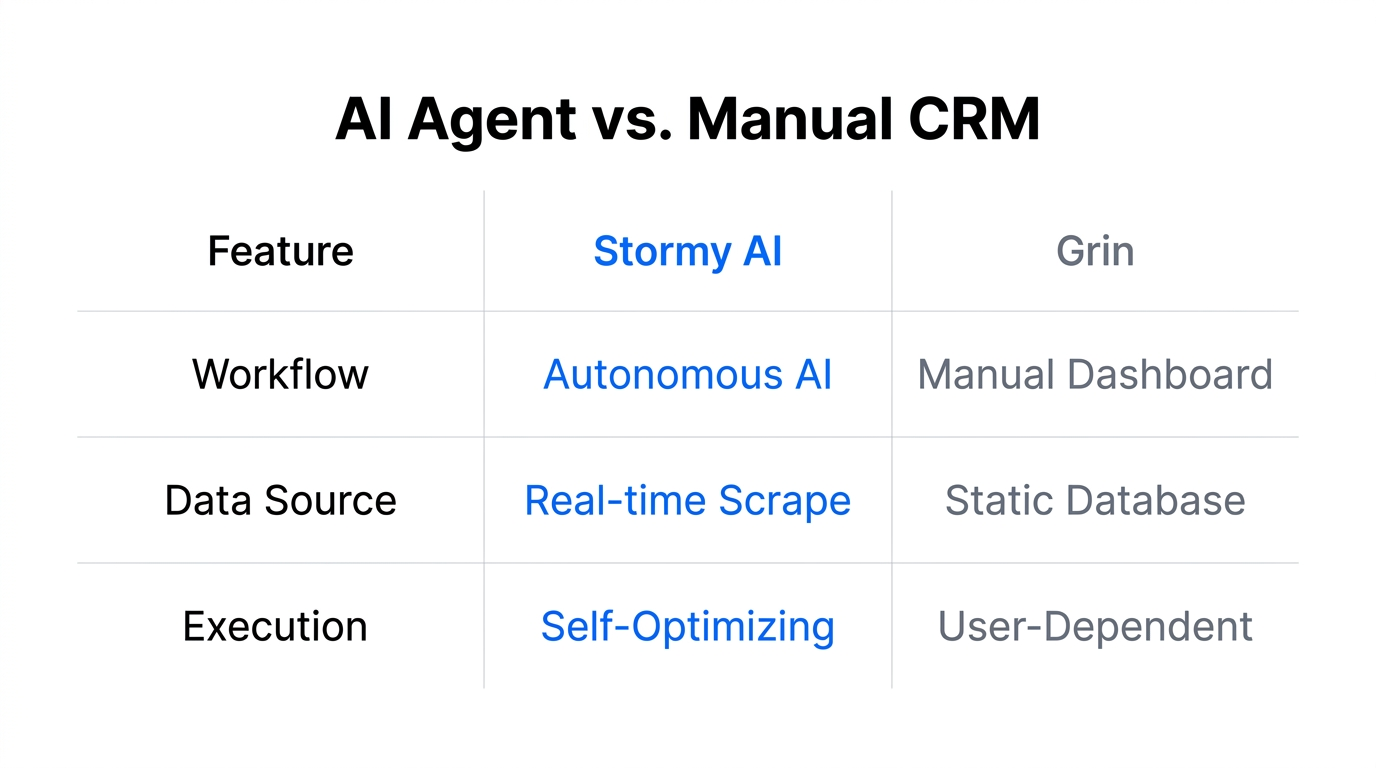
At their core, Stormy AI and Grin represent two different eras of marketing technology. Grin was built as a system of record—a CRM designed to centralize conversations, product seeding, and affiliate tracking. It assumes you have a full team of influencer managers ready to do the manual labor of searching, vetting, and emailing.
In contrast, Stormy AI is built as a system of action. It is an autonomous AI influencer marketing agent that doesn't just store data; it executes tasks. According to Y Combinator, Stormy functions as an AI SDR (Sales Development Representative) for influencers, taking a brand's brief and autonomously finding, vetting, and even negotiating deals while the marketing team sleeps.
| Feature | Stormy AI | Grin |
|---|---|---|
| Core Identity | Autonomous AI Agent | Creator Management CRM |
| Primary Workflow | Set-and-forget automation | Manual relationship management |
| Best For | Startups, SMBs, & Scaling UGC | Enterprise DTC Brands |
| Vetting | AI-powered fraud detection | Manual qualitative assessment |
| Negotiation | Automated "Price Strike" AI | Manual back-and-forth email |
"Influencer marketing is still spreadsheets and cold blasts... in an AI world, you should describe your campaign once and have the AI agent work while you sleep." — Robert Lukoszko, Founder of Stormy AI.Discovery & Vetting: Finding the Needle in the Haystack
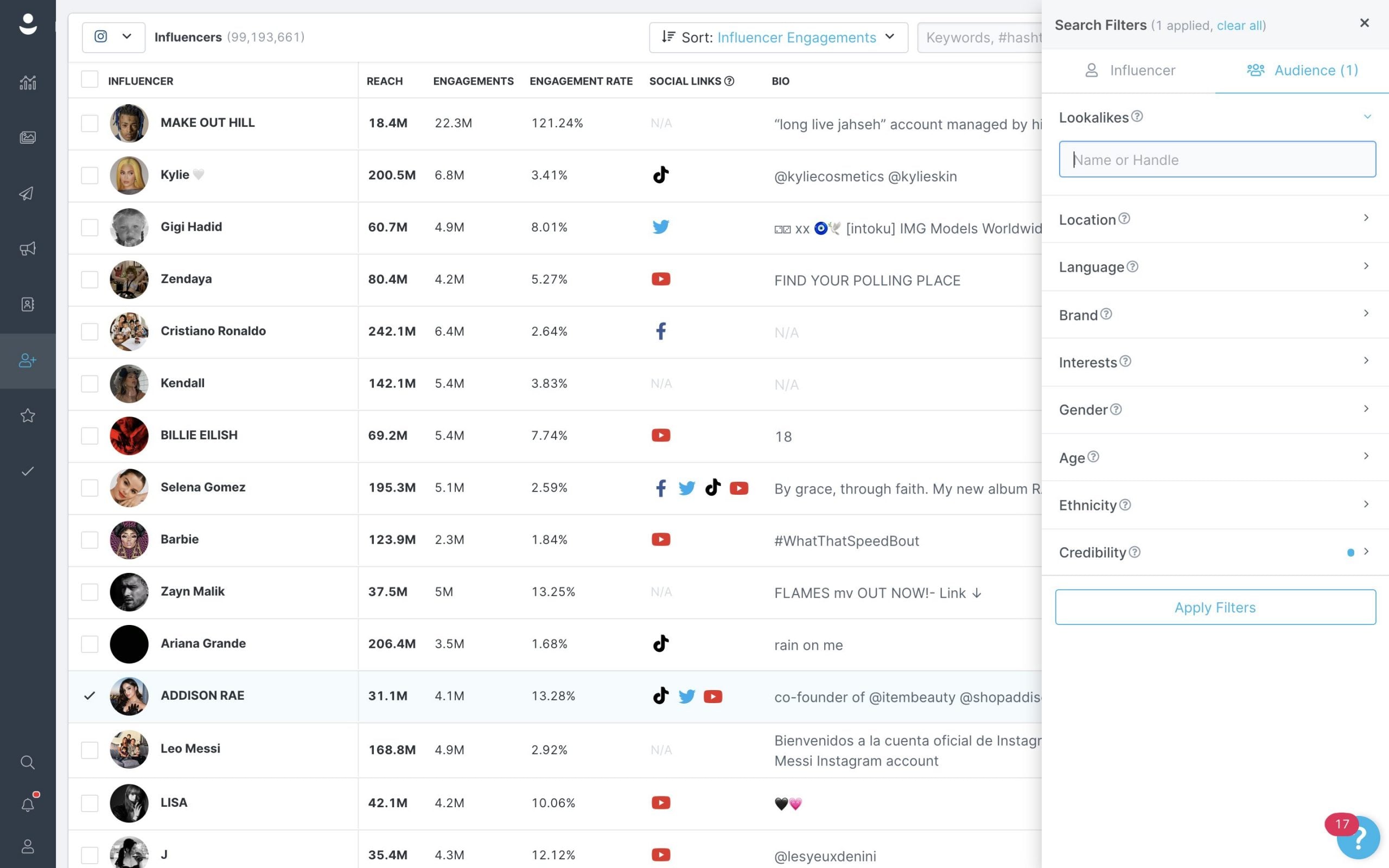
Finding the right creators is the most time-consuming part of any campaign. Grin offers a massive database and tools for qualitative assessment, which they claim can double conversion rates compared to manual methods. However, Grin still requires a human to filter through thousands of profiles.
Stormy AI flips this script with its AI search engine. Instead of clicking checkboxes for "niche" or "location," you type natural-language prompts like "Find me fitness creators in LA with 10K-100K followers who post about plant-based diets." Stormy instantly crawls TikTok, Instagram, and YouTube to find exact matches.

Furthermore, Stormy AI includes built-in quality reports that detect fake followers and engagement fraud automatically. While you might use Modash or HypeAuditor as Grin alternatives for vetting, Stormy bakes this directly into the discovery workflow, ensuring you never pay for bot traffic.
Automated Outreach: The "Agentic" Workflow
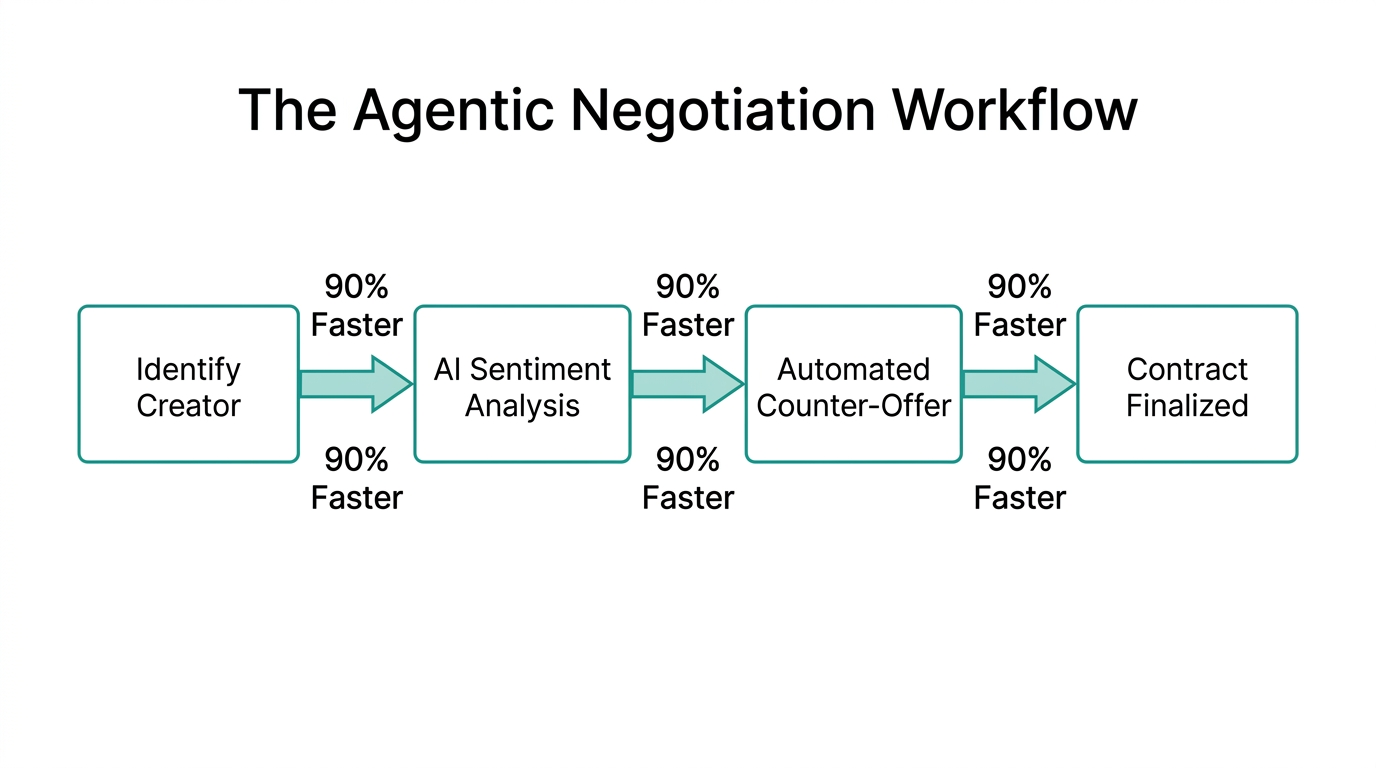
The true power of AI influencer marketing lies in the outreach. In a traditional CRM like Grin, you might use templates, but the sending and follow-up are manual or semi-automated. Stormy AI introduces the Agentic Workflow, where the AI handles hyper-personalized emails and follow-ups on a schedule.
Stormy allows you to connect multiple Gmail accounts and set up an AI agent that outreaches to creators daily. It even handles the "Price Strike" negotiation—using data-backed models to secure the best rates for your budget. This automation reduces manual coordination time by 60–70% according to Meltwater research.
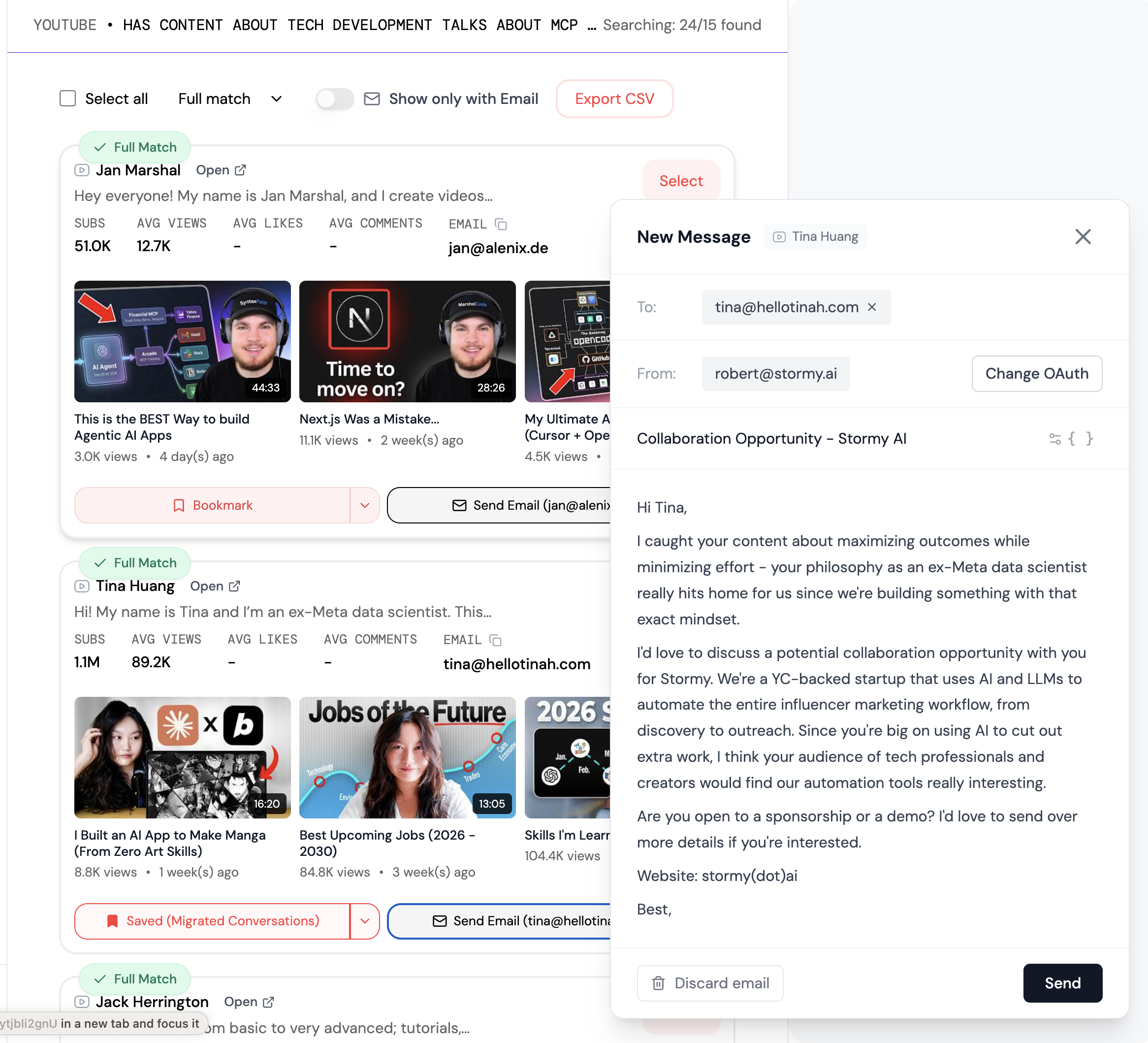
If you are a solo founder or a lean marketing team, you don't have time to manage an inbox of 200 unread DMs. Stormy’s built-in AI inbox centralizes these conversations and uses AI to summarize creator responses, making it the superior choice for influencer marketing ROI through pure efficiency.
Pricing: $40/mo vs. $25,000+ per Year
Perhaps the most significant differentiator in the Stormy AI vs Grin debate is the barrier to entry. Grin is an enterprise-grade tool with pricing to match. Most brands report that Grin requires custom, quote-based annual contracts ranging from $25,000 to $50,000+ per year, as noted by GoDigitalPro. This makes it inaccessible for startups and mid-market agencies.
Stormy AI democratizes access to high-end influencer tech. With plans starting as low as $40/month, even the smallest teams can start running professional-grade campaigns. For teams scaling quickly, the business tiers usually range between $100–$200/month, providing a far higher ROI for companies that want to test the waters without a five-figure commitment.
"73% of brands now prefer micro-creators over celebrities for their engagement-to-cost ratio. Stormy AI is built specifically to automate the high-volume outreach these micro-campaigns require."Logistics vs. Intelligence: The Decision Matrix
When should you choose Grin despite the higher cost? Grin remains the gold standard for physical product logistics. If you are a massive Shopify brand sending thousands of physical packages a month, Grin’s integration with shipping and fulfillment is hard to beat. It functions as an extension of your supply chain.
However, if your goal is performance-driven UGC, rapid TikTok growth, or app install campaigns, Stormy AI is the clear winner. Its models are specifically trained for high-engagement video platforms like TikTok and YouTube.
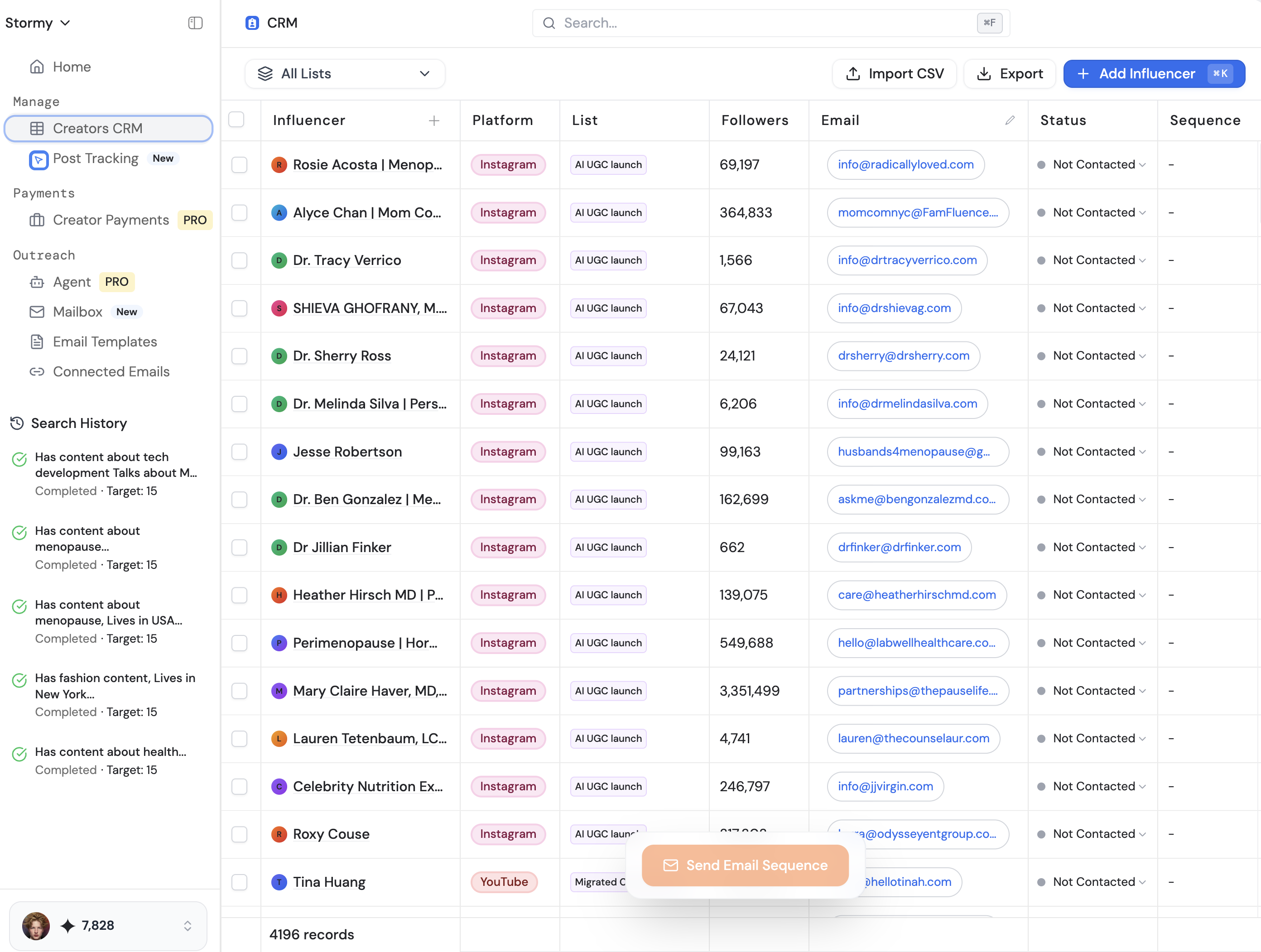
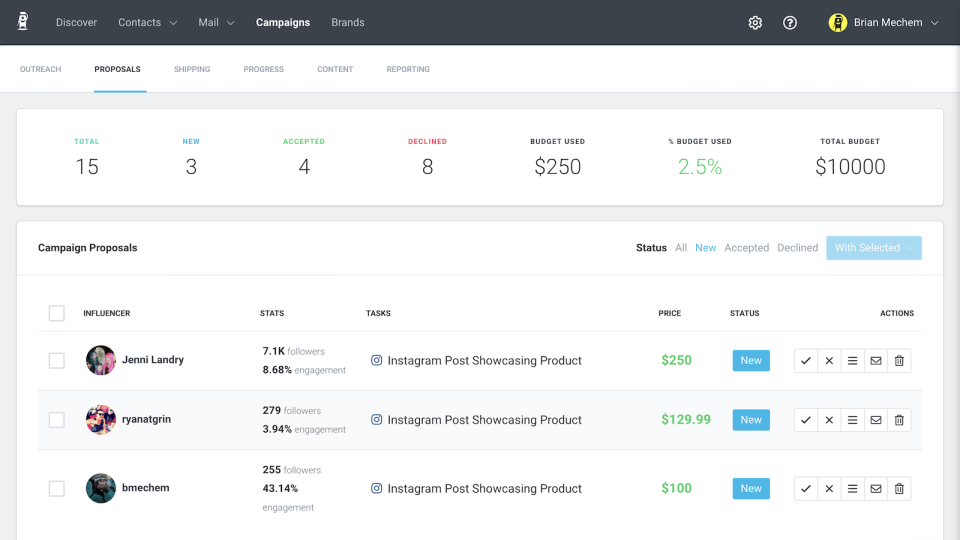
For those managing complex deal stages, Stormy’s Creator CRM allows you to track negotiations and payments in one place, providing the same organizational benefits as Grin but with the added layer of AI-driven execution.
The Impact of the "Agentic" Workflow on ROI
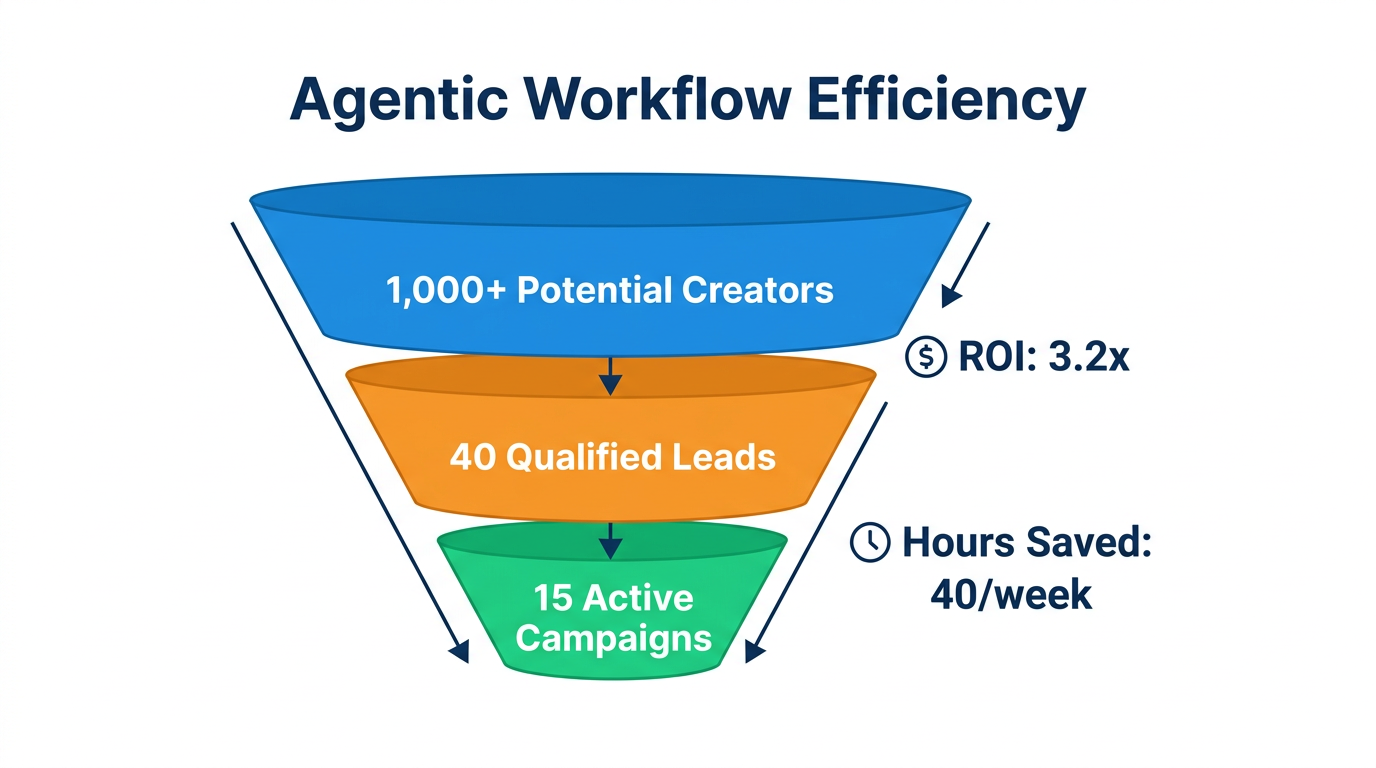
In 2025, the most successful brands are those that can pivot quickly. Traditional CRMs like Grin are "static"—they hold your data but don't move the needle unless a human is pushing the buttons. The Agentic Workflow offered by Stormy AI is "dynamic."
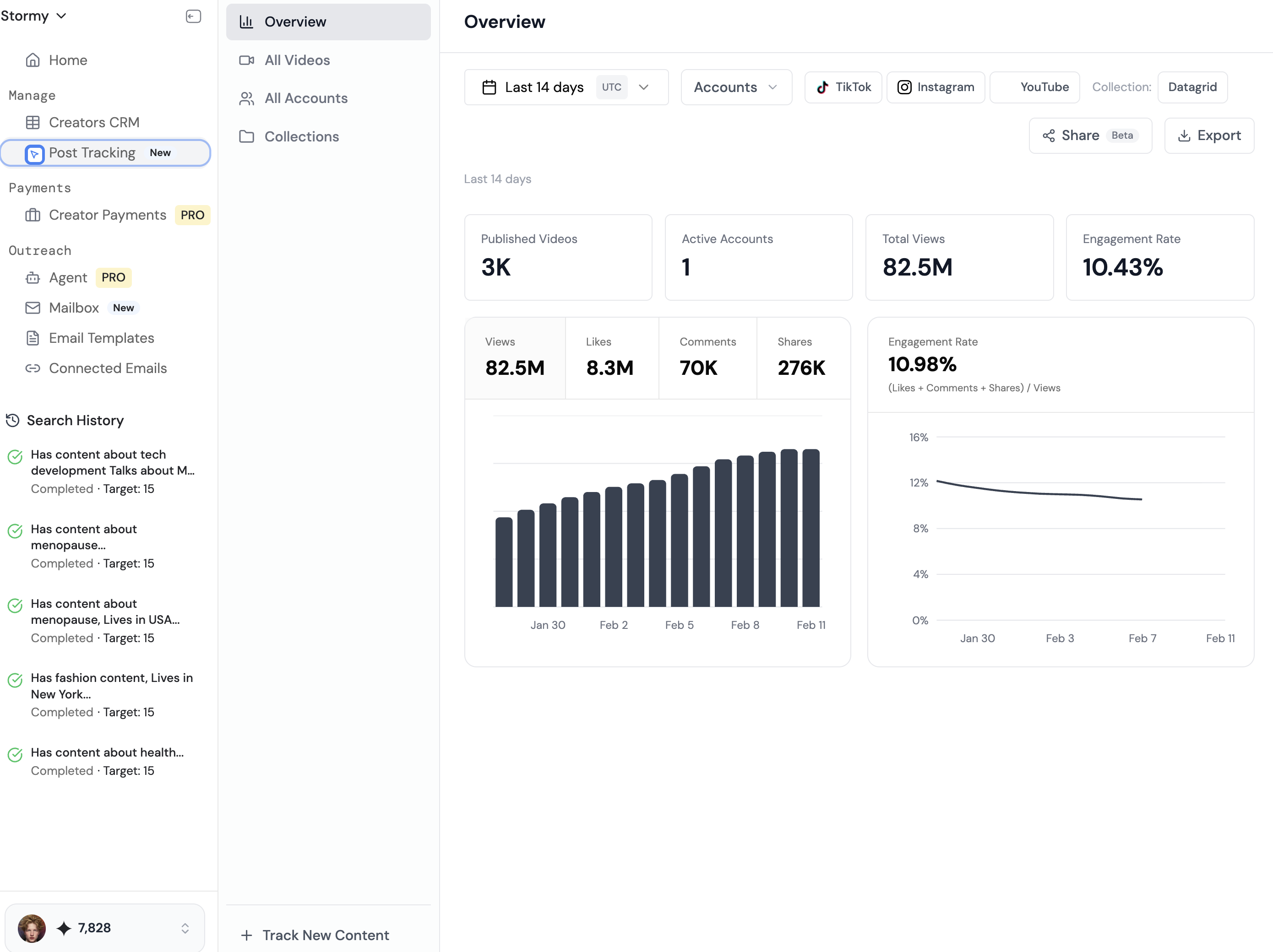
By setting up an autonomous AI agent, you can track individual videos, monitor views, and analyze engagement in real-time across all platforms in the Post Tracking section. This allows for immediate doubling down on creators who are performing and cutting ties with those who aren't, maximizing your influencer marketing ROI using tools like Zapier to sync results with your internal Notion workspace.
Final Verdict: Which Platform Wins in 2025?
The choice between Stormy AI vs Grin comes down to your company's stage and goals. If you are an enterprise giant like Nike or Sephora, the deep supply chain integrations of Grin might justify the $25k+ annual price tag.
However, for 95% of brands, agencies, and startups, Stormy AI is the superior choice. It offers more advanced AI discovery, automated negotiation, and a hands-free outreach agent at a fraction of the cost. In an era where speed and automation define the winners, Stormy AI provides the competitive edge needed to dominate social commerce.
Ready to automate your creator workflow? Start your first campaign with Stormy AI today and see why the future of influencer marketing is autonomous.