For years, the influencer marketing industry was haunted by a single question: "But what did we actually get from this?" Brands would pour thousands of dollars into glossy campaigns, only to receive a spreadsheet filled with likes, comments, and impressions—metrics that look great in a board meeting but don't pay the bills. However, as we move through 2025, the landscape has fundamentally shifted. We have entered the era of Performance Creator Marketing, where the goal isn't just awareness; it's a measurable reduction in Influencer Customer Acquisition Cost (CAC) and a sustained increase in Average Order Value (AOV).
Today, the choice for growth teams and CMOs isn't whether to use influencers, but how to operationalize them at scale. This transition is being led by two distinct technological philosophies: the "Enterprise Infrastructure" model of legacy platforms like CreatorIQ and the "Agentic AI" revolution spearheaded by Stormy AI. In this deep dive, we will explore how high-growth brands are moving away from manual vanity-metric hunting and toward automated, performance-driven growth engines.
The 2025 Shift: Performance vs. Vanity
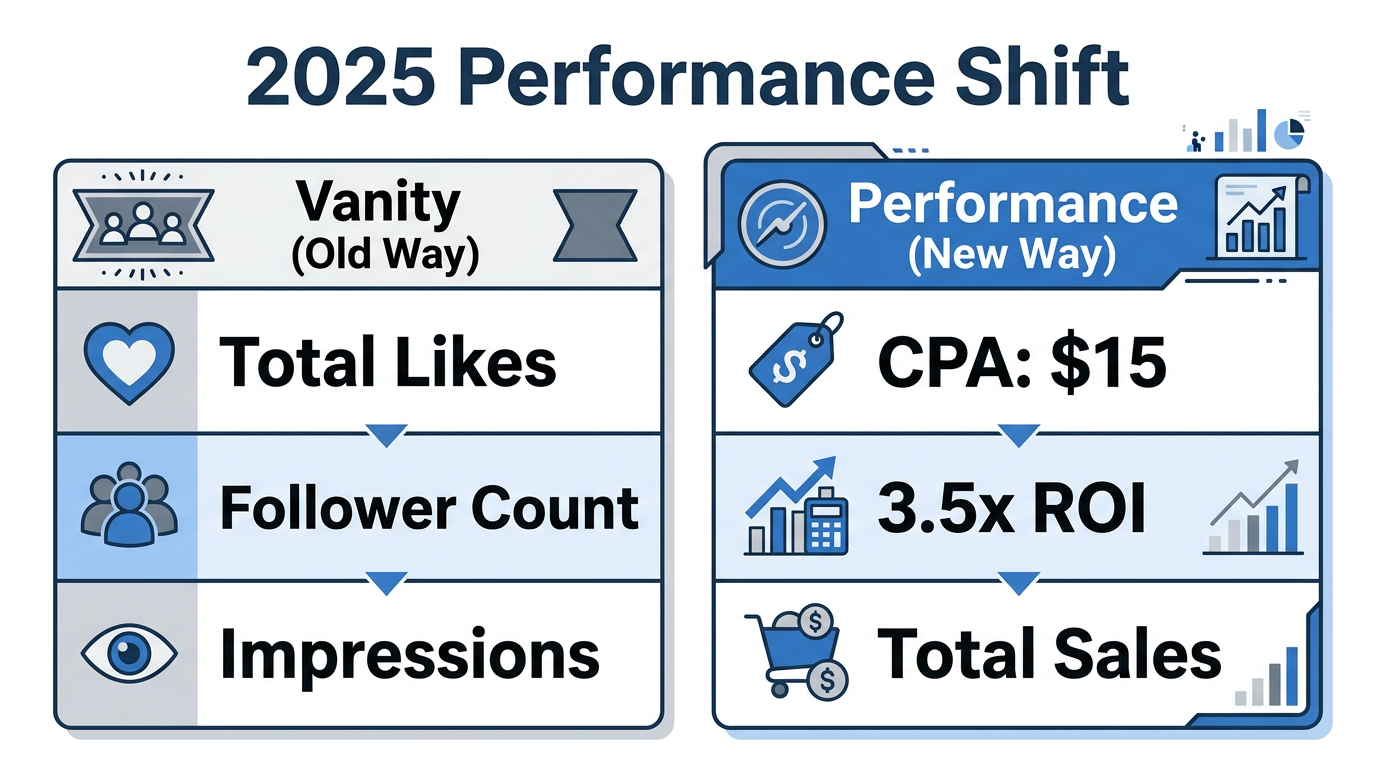
According to recent industry data, a staggering 74% of brands are reallocating their budgets away from general awareness toward Performance Creator Marketing. This trend is driven by a need for efficiency in a tightening economy. Marketers are no longer satisfied with "Earned Media Value" (EMV) as a primary KPI. Instead, they are looking for hard attribution across platforms like TikTok and YouTube.
The core challenge of scaling performance-based creator marketing is the manual labor involved. Managing 500 micro-influencers is significantly more difficult than managing five celebrities. This is where the divide between Stormy AI vs CreatorIQ becomes most apparent. One acts as a database of record, while the other acts as an autonomous engine of execution.
"The key to scaling ROI isn't finding more creators; it's automating the 80% of manual 'grunt work' that prevents your team from focusing on strategy."
Stormy AI: The Agentic Execution Engine
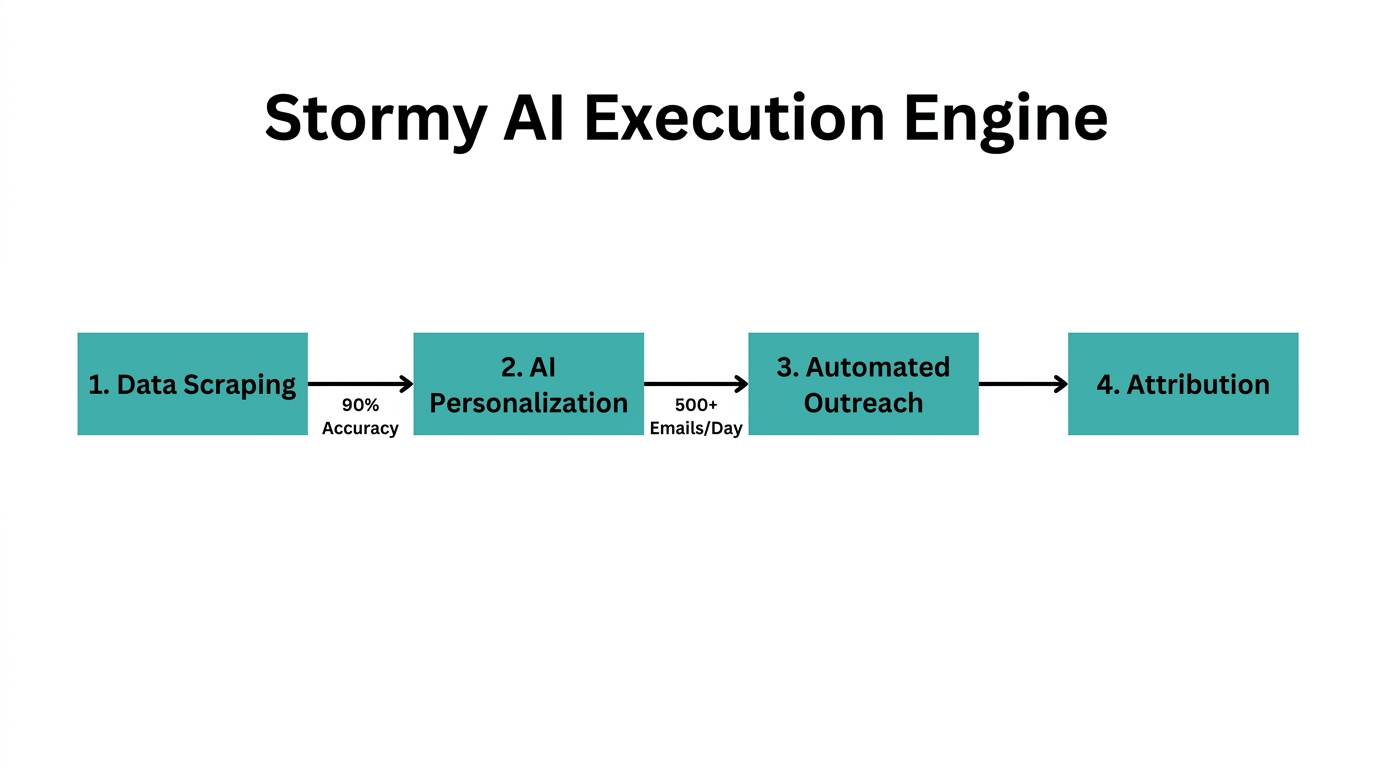
For startups, SaaS companies, and agile agencies, Stormy AI represents a paradigm shift. Unlike traditional platforms that require you to filter through databases manually, Stormy is a Y Combinator-backed Agentic AI platform. It functions as a "Creator SDR"—an autonomous system that finds, outreaches, and negotiates with creators while your team sleeps.
The power of Stormy lies in its Natural Language Search. Instead of clicking 50 filters for "location," "niche," and "follower count," you simply type: "Find me US-based AI YouTubers with 10k-50k subscribers who talk about productivity agents." Stormy’s AI instantly crawls TikTok, YouTube, Instagram, and LinkedIn to build a verified list of high-quality prospects.

Beyond discovery, Stormy solves the biggest bottleneck in performance marketing: Negotiation and Outreach. Its AI agents handle hyper-personalized email sequences and automated follow-ups using tools like Instantly or built-in engines. Most importantly, it features Price Strike Protection. This system automatically counters influencer offers based on your pre-set budget guardrails, ensuring you never overpay for a collaboration and maintaining a strict ROI floor.
CreatorIQ: The Enterprise System of Record
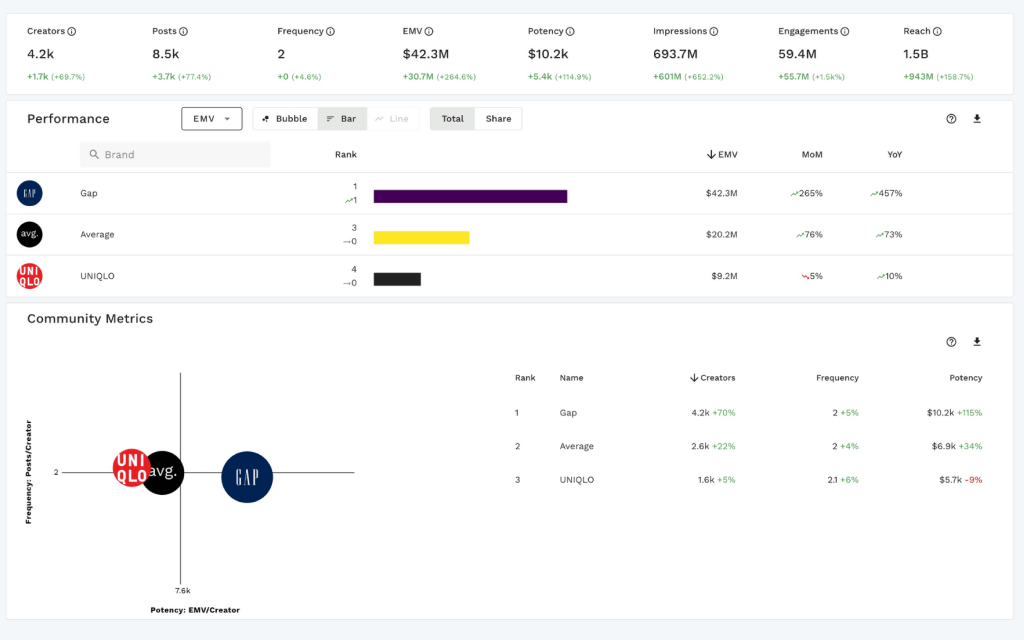
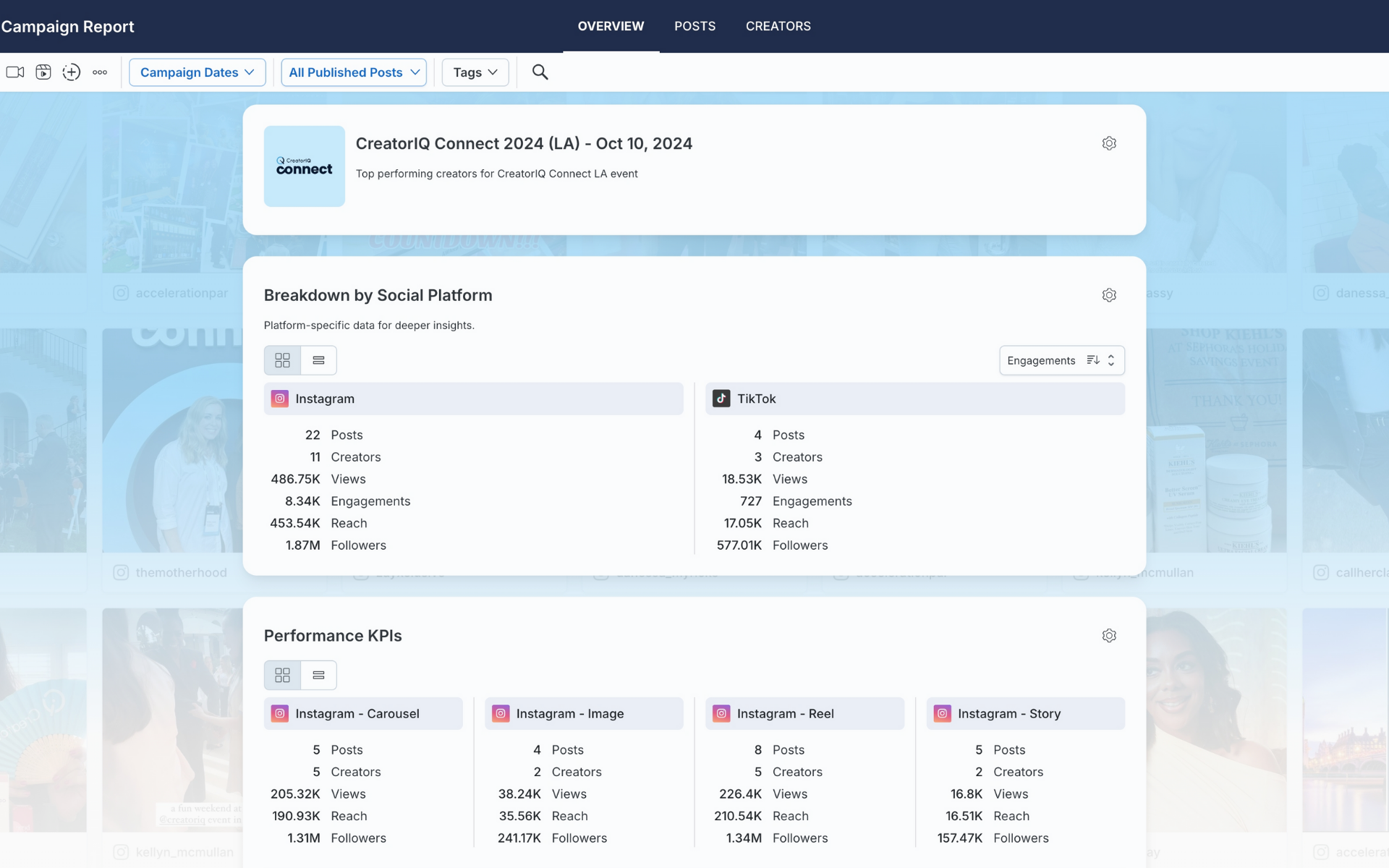
While Stormy AI is built for execution speed, CreatorIQ is the go-to infrastructure for Fortune 500 companies like Nestlé and Disney. It is designed for Enterprise Governance. If you are a global brand manager who needs to sync teams across 10 different countries while ensuring 100% compliance with FTC guidelines, CreatorIQ provides the robust "System of Record" required for such complexity.
One of its standout features is the Intelligence Cloud. This tool uses predictive analytics to forecast campaign impact based on years of historical performance data. It allows enterprise teams to model their likely ROI before a single dollar is spent. However, this level of precision comes with a cost—both in terms of price ($30k+ annual minimums) and implementation time (often 6-8 weeks for onboarding).
For brands that prioritize deep manual vetting and global multi-market management, CreatorIQ's Integrity Quotient is the industry standard for detecting engagement fraud and fake followers. It ensures that large-scale budgets are protected from the $1.3B lost annually to influencer fraud.
Direct Comparison: Stormy AI vs. CreatorIQ
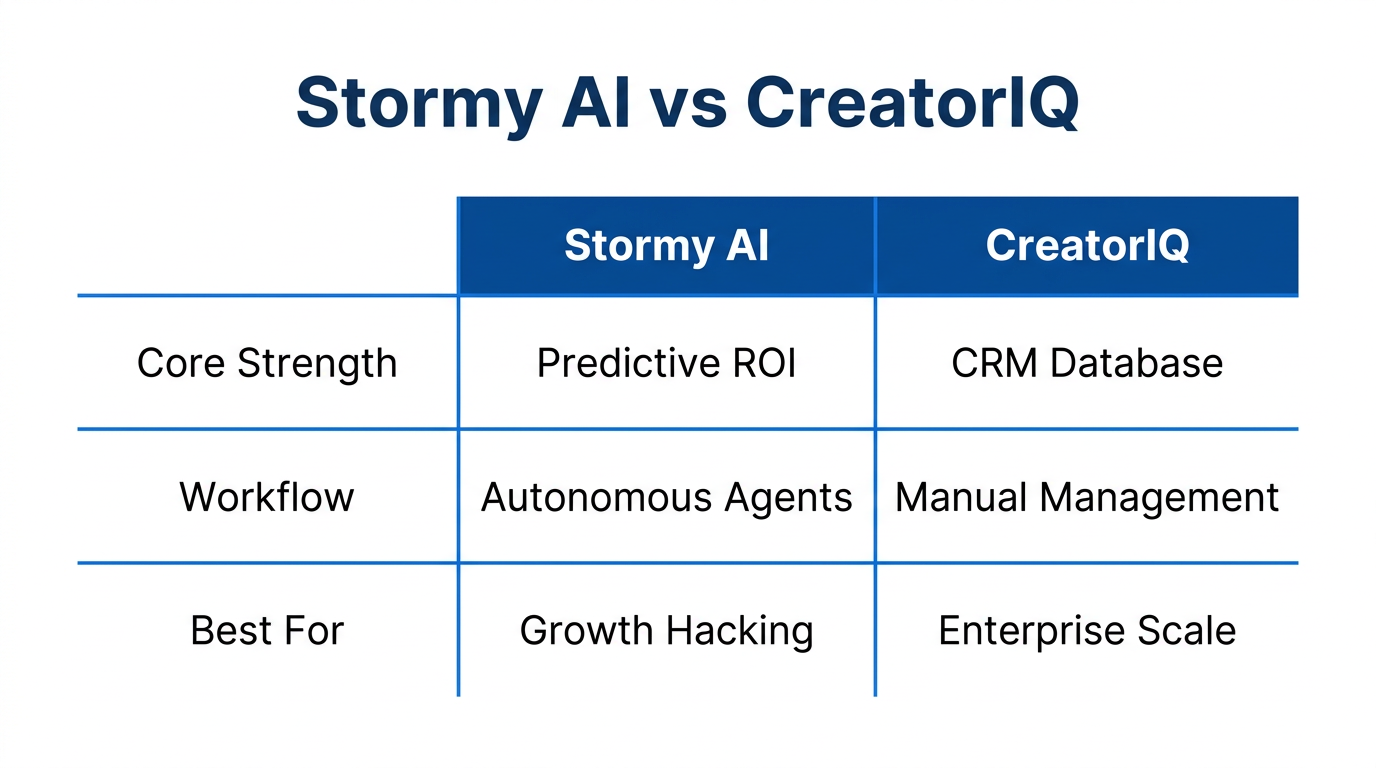
When choosing between these two heavyweights, it's essential to understand your team's specific needs. Are you looking for a tool to help your humans work better (CreatorIQ), or an AI agent that does the work for you (Stormy AI)?
| Feature | Stormy AI | CreatorIQ |
|---|---|---|
| Core Philosophy | Agentic: AI acts as your outreach team. | Infrastructure: Software for human teams. |
| Discovery | Natural Language AI (Text-to-Influencer). | Traditional filters + Semantic search. |
| Outreach | 100% Automated AI SDR sequences. | Manual/Template-based bulk tools. |
| Negotiation | Price Strike Protection (Autonomous). | Human-led with platform data. |
| Best For | SaaS, Startups, and High-Growth ROI. | Fortune 500 & Global Compliance. |
| Pricing | Cost-effective / Performance-friendly. | $30k–$36k/year minimum. |
Driving ROI with Automated Outreach
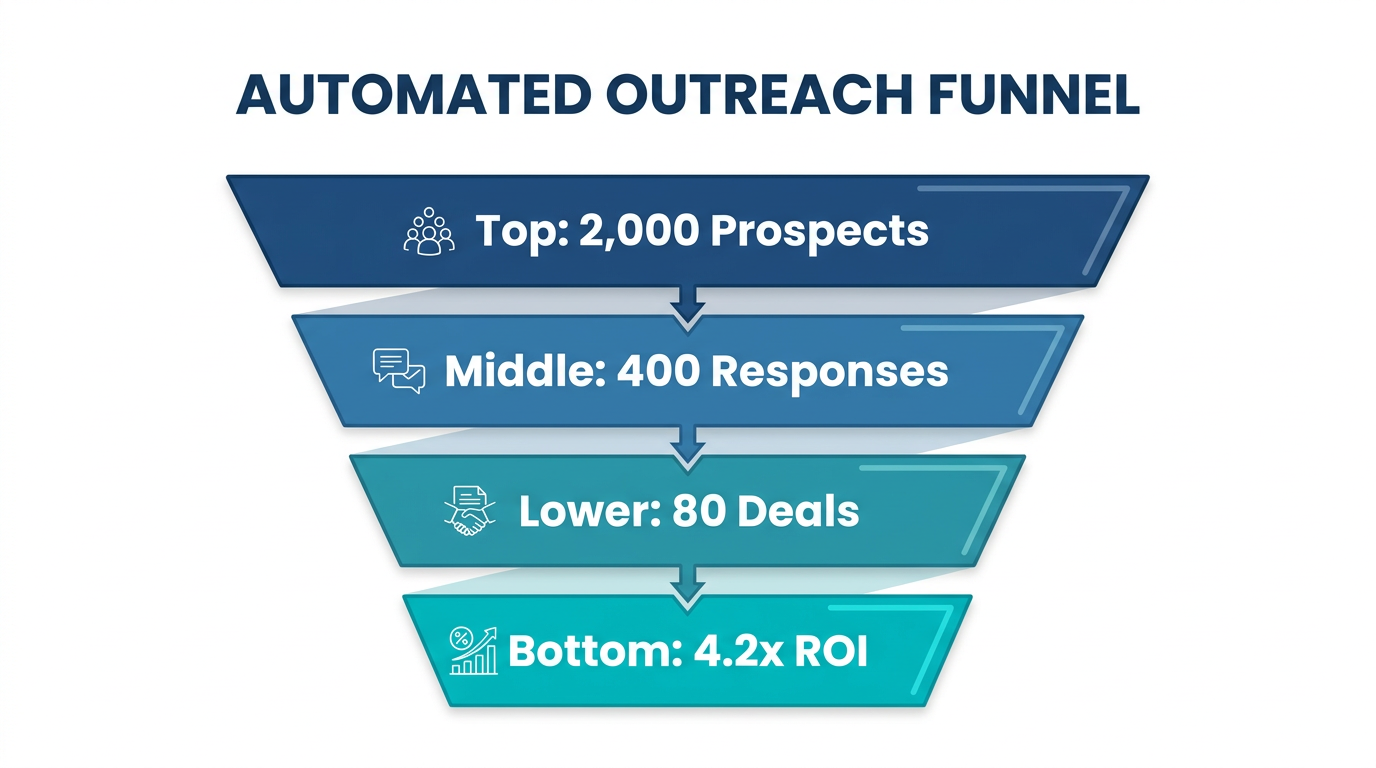
The "performance" in performance marketing comes from the ability to test dozens of creators simultaneously. Stormy AI excels here by allowing you to connect multiple Gmail accounts and set up AI agents that outreach to creators every single day on a schedule. This consistency is what drives down Influencer Customer Acquisition Cost.
Research shows that Nano-influencers (1k–10k followers) achieve a 2.71% engagement rate, which is significantly higher than that of major celebrities. However, managing 100 nano-influencers manually is a nightmare. Stormy’s automated inbox and CRM allow you to manage these relationships at scale without increasing your headcount.
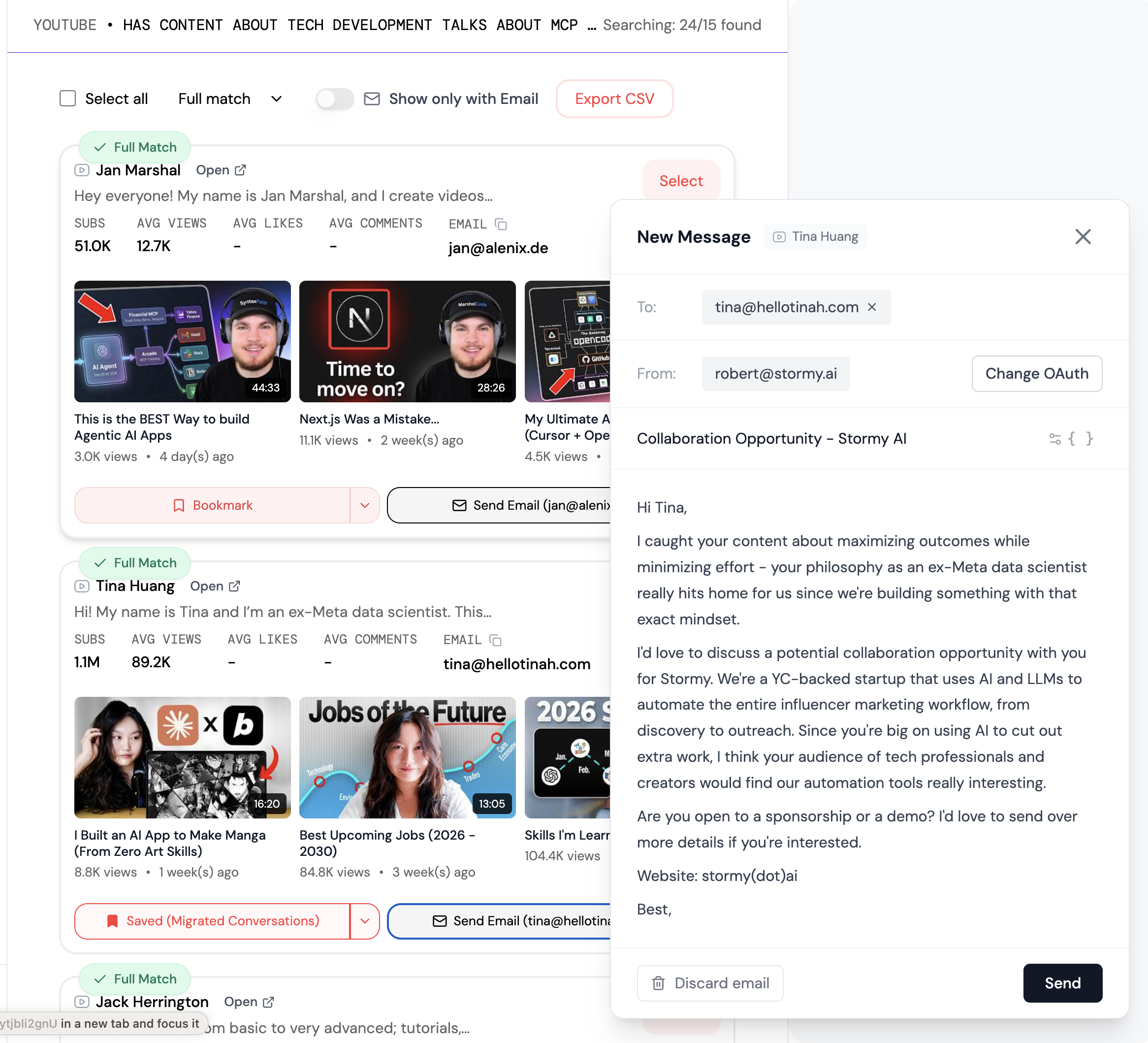
By automating the discovery and initial touchpoints, your marketing team can focus on the creative brief and the performance-based contract terms. This shift in focus is what separates brands that struggle with influencer marketing from those that dominate their niche.
"Performance-based influencer marketing is no longer a 'nice to have'—it is the only way for startups to survive the rising CAC in traditional social ads."
Attribution and Tracking Across Platforms
A key component of Performance Creator Marketing is tracking. You cannot optimize what you cannot measure. Both platforms offer tracking capabilities, but their approaches differ. CreatorIQ integrates deeply with enterprise Google Analytics and Mixpanel setups to track the full customer journey. This is vital for long-cycle B2B sales or high-ticket D2C items.
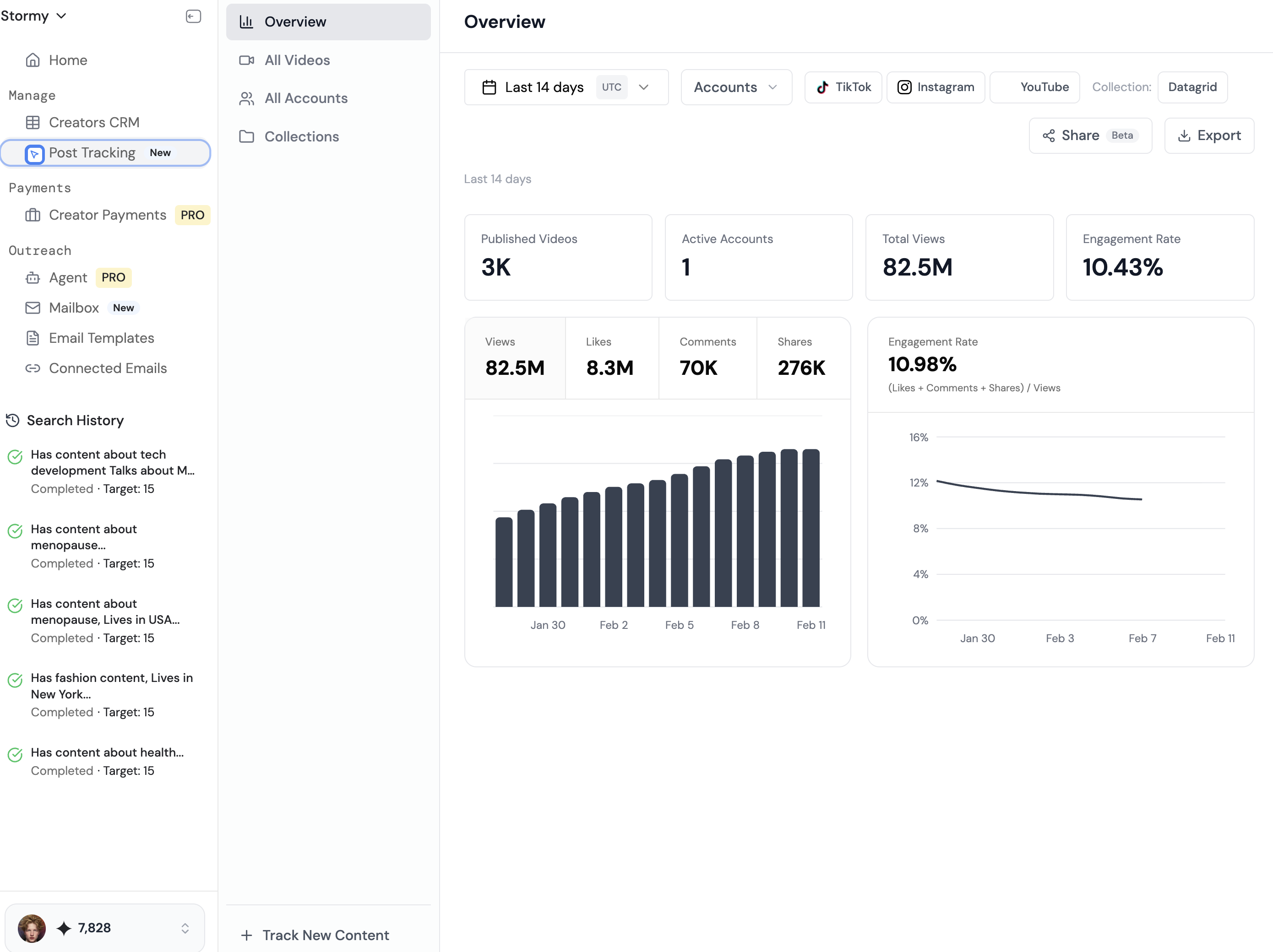
Stormy AI, on the other hand, focuses on Post Tracking & Real-Time Analytics. You can track individual videos, monitor views, and see engagement spikes as they happen. This is particularly useful for mobile app marketers running app install campaigns where quick iteration is key. If a specific niche of TikTok creators is driving a lower CAC, you can instantly instruct your Stormy AI agent to find 50 more creators exactly like them.
Case Study: How ElevenLabs Dominates with AI
One of the most successful examples of the "Agentic AI" approach is seen with companies like ElevenLabs. By using Stormy AI, they and other YC-backed startups have been able to automate the discovery and outreach for niche tech creators across YouTube and TikTok. This strategy allowed them to dominate the voice AI conversation by seeding hundreds of small, highly technical creators simultaneously.
The result? They were able to cut manual SDR work by up to 80%, allowing their lean marketing team to focus on high-level partnerships while the AI agent handled the "long-tail" of creator discovery. Conversely, brands like Space NK have used CreatorIQ to achieve a 100% YoY soar in Earned Media Value (EMV) by unifying their global teams and focusing on long-term brand ambassadorships (CreatorIQ Case Studies).
Conclusion: Choosing Your Engine for Growth
The future of the creator economy belongs to those who can bridge the gap between creative storytelling and hard data. If you are a global enterprise requiring deep governance, multi-market compliance, and a system of record for thousands of employees, CreatorIQ remains a powerful, albeit manual, choice.
However, if your goal is high-volume performance growth, reducing CAC, and automating the outreach process so you can scale while you sleep, Stormy AI is the clear winner. Its agentic approach to discovery and negotiation provides a level of speed and ROI protection that traditional database platforms simply cannot match.
For most modern brands, the Hybrid Approach is the ultimate strategy: Use CreatorIQ to manage your top 5% of high-value brand ambassadors, and use Stormy AI to automate the discovery, outreach, and management of the 500+ micro-influencers that drive your daily performance ROI.