Stopping Creator Fraud: How to Use HypeAuditor and Favikon for Brand Safety in 2026
In 2026, influencer fraud costs brands $1.3B. Learn how to use HypeAuditor, Favikon, and Stormy AI to detect fake followers and ensure brand safety through AI vetting.
In the high-stakes world of performance marketing, the year 2026 has brought both incredible opportunity and sophisticated risk. While the global influencer marketing spend has surged to an estimated $32.55 billion, the shadow of deception looms large. Influencer fraud—driven by bot-driven engagement and fake follower farms—is projected to cost the industry a staggering $1.3 billion this year. For brands and agencies, the challenge is no longer just finding creators; it is ensuring those creators are authentic. Platforms like HypeAuditor and Favikon have become industry standards for brand safety, but as we move further into 2026, marketers are realizing that vetting is only half the battle. To truly scale, you need a workflow that integrates discovery, vetting, and automated outreach in a single environment like Stormy AI.
The State of Influencer Fraud in 2026
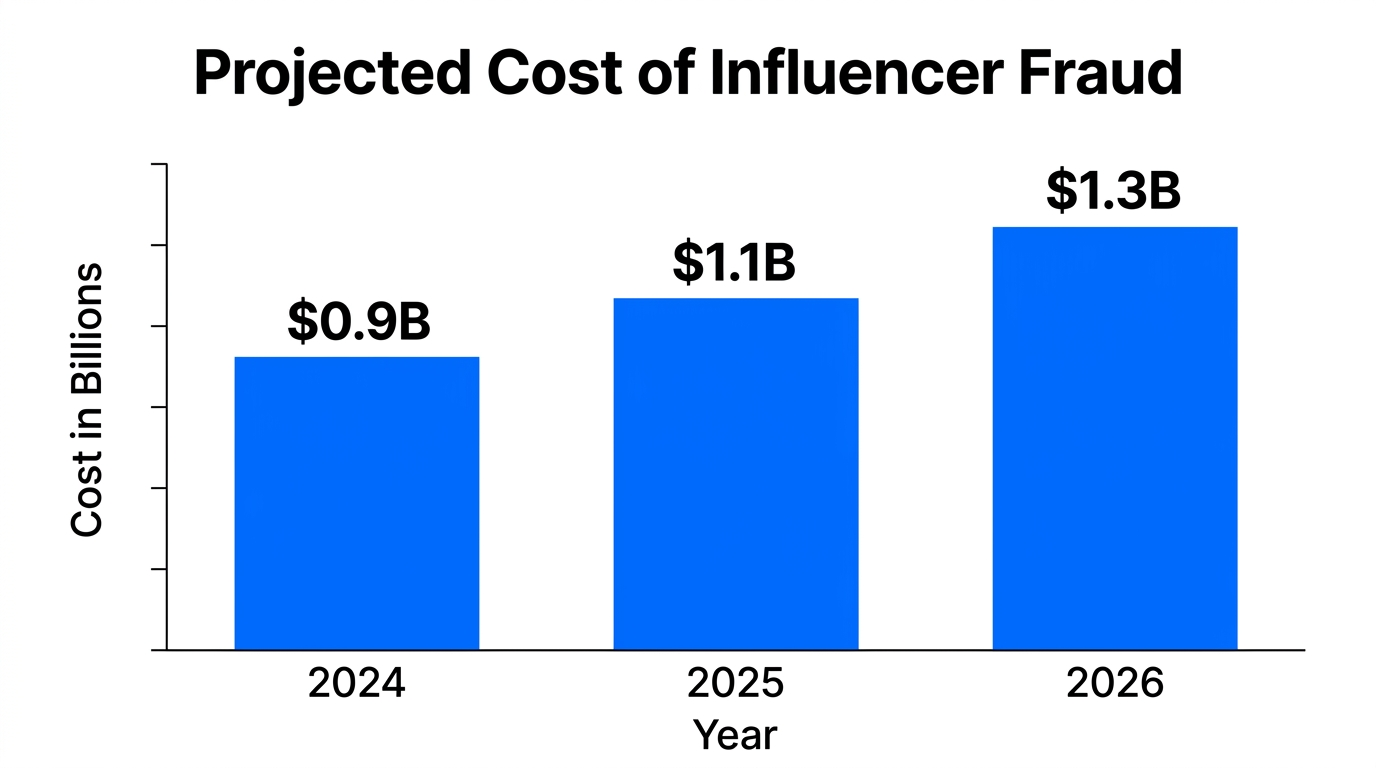
Despite advancements in social media algorithms, fraud remains a persistent drain on marketing budgets. According to data from HypeAuditor, nearly 45% of influencers globally are still affected by some form of engagement manipulation. This isn't just about "buying followers" anymore; it involves complex engagement pods and AI-generated comments designed to mimic real human interaction. Performance marketers who ignore these signals risk an average of 15-20% budget waste on non-existent audiences.
The shift toward AI creator vetting is no longer optional. Currently, 60.2% of marketers actively use AI for campaign optimization and identification. In this environment, tools that offer deep-dive analytics are essential for maintaining a healthy Return on Ad Spend (ROAS). While legacy tools provide basic metrics, 2026 demands tools that can parse sentiment and detect anomalies in real-time. Marketers are increasingly using ROAS calculators to justify the investment in higher-quality vetting tools.
"The future of AI isn’t human vs. AI—it’s human with AI. Operation efficiency through AI is the biggest competitive advantage in 2026."
HypeAuditor: Deep Audience Sentiment & Bot Detection
When it comes to influencer fraud detection, HypeAuditor remains a heavyweight. Its core strength lies in its ability to dissect engagement patterns. In 2026, their Audience Quality Score (AQS) has become the gold standard for determining if a creator's following is composed of real people or mass-produced bots.
HypeAuditor’s sentiment analysis goes beyond counting likes. It scans comments to distinguish between generic bot phrases (e.g., "Great post!" or fire emojis) and genuine human conversation. This is critical for brand safety, as it allows marketers to see if an influencer’s audience is actually interested in the content or if they are merely participating in a reciprocal engagement scheme. Detecting engagement spikes—those sudden surges in followers that don't align with a viral post—is a feature that saves brands millions in potential waste.

Favikon: Leveraging the 'Authenticity Score'
While HypeAuditor excels at technical fraud detection, Favikon has carved out a niche with its 'Authenticity Score.' This metric is designed for the modern performance marketer who needs a quick, reliable snapshot of a creator's credibility before initiating a contract. Favikon aggregates data across multiple platforms—TikTok, Instagram, and LinkedIn—to ensure a creator's influence is consistent and not fabricated on a single network.
The Favikon score looks at factors like account growth stability and the ratio of followers to actual reach. In 2026, this is vital because "vanity metrics" like follower counts are increasingly decoupled from conversion intent. By focusing on authenticity over volume, marketers can prioritize micro-influencers who deliver an average engagement rate of 15% on platforms like TikTok, significantly higher than their celebrity counterparts.
Why Stormy AI is the Clear Winner for 2026 Workflows
While HypeAuditor and Favikon are excellent for one-off audits, they often exist as silos. In 2026, a growth team doesn't just need to vet; they need to source, vet, outreach, and manage thousands of creators simultaneously. This is where Stormy AI surpasses the competition. Stormy combines the deep vetting capabilities of an audit tool with the horsepower of an AI-driven CRM.
| Feature | HypeAuditor | Favikon | Stormy AI |
|---|---|---|---|
| Fraud Detection | Excellent | Good | Superior (AI-Real Time) |
| Discovery Engine | Static Database | Scoring Based | Natural Language AI Search |
| Automated Outreach | Basic | None | Autonomous AI Agent |
| Integrated CRM | No | No | Yes (Full Pipeline) |
| Platform Coverage | IG, YT, TikTok | Multi-channel | IG, YT, TikTok, LI, Newsletters |
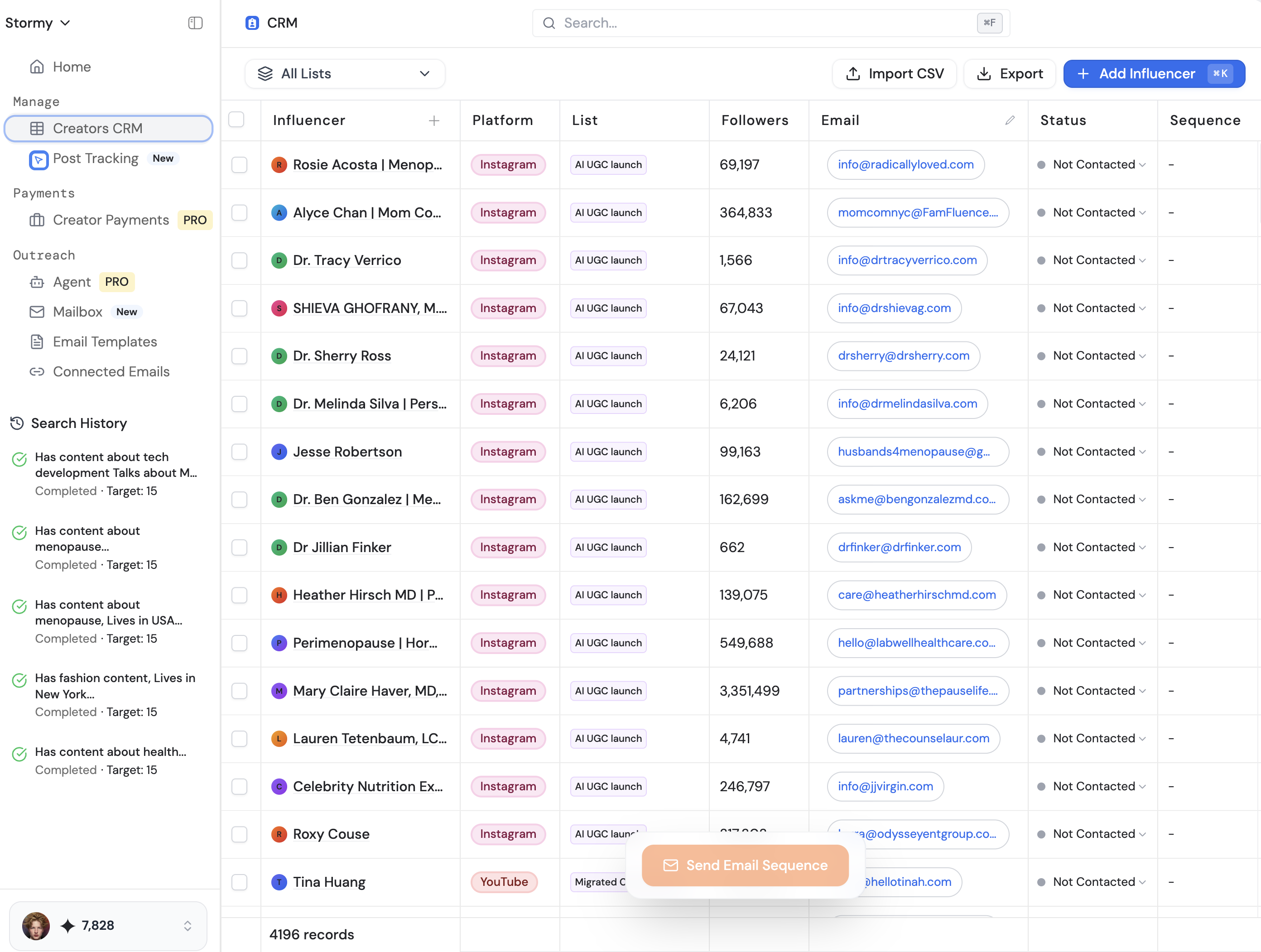
The standout feature of Stormy AI is its Autonomous AI Agent. Unlike HypeAuditor or Favikon, where you must manually export lists and then use a separate tool for email, Stormy does it all. You can set up an agent to discover 500 high-authenticity creators, vet them for fraud, and send hyper-personalized outreach emails while you sleep. This reduces the vetting and outreach cycle from weeks to minutes, a competitive advantage cited by leaders at CreatorIQ as the structural change necessary for 2026.
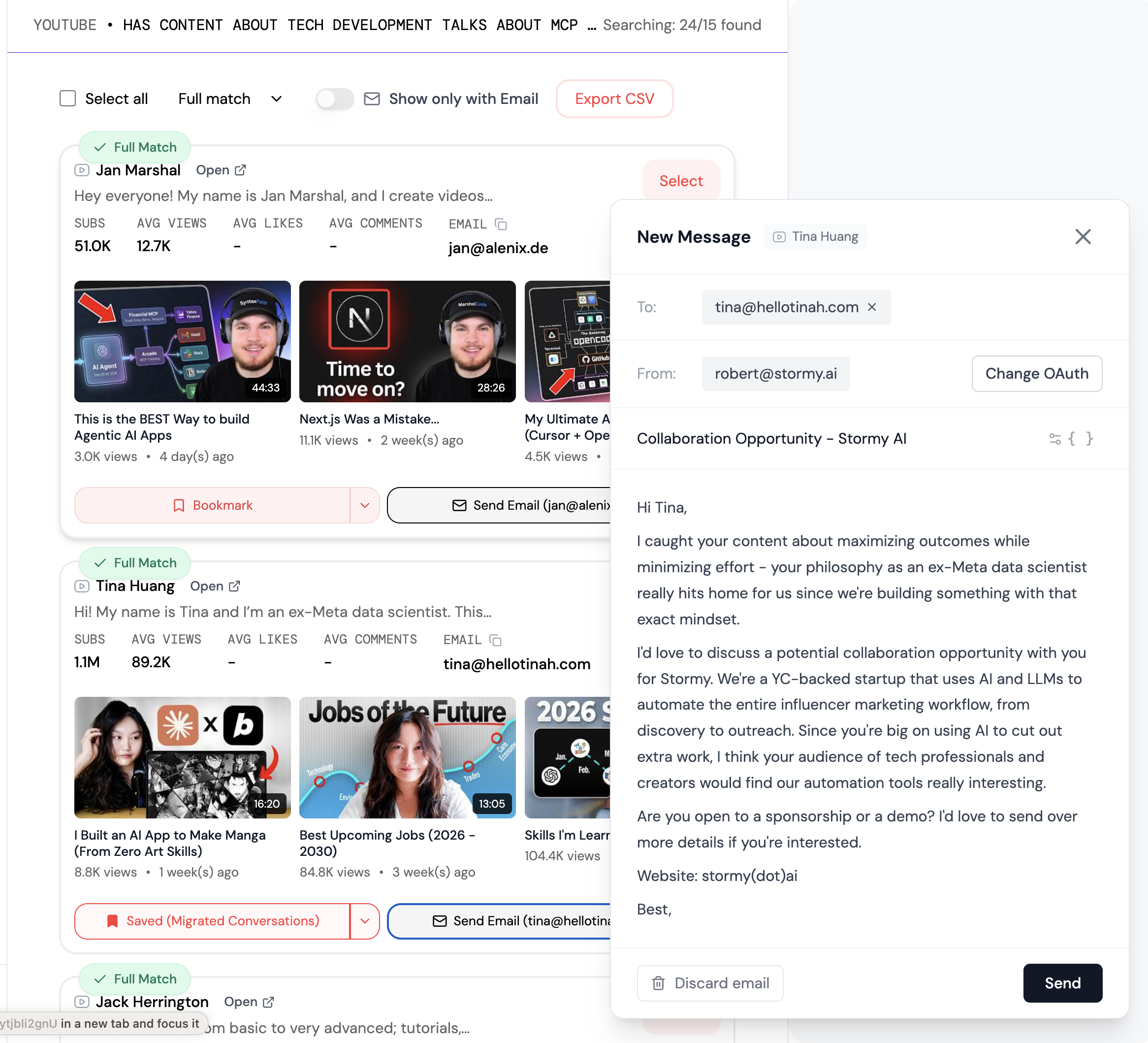
"AI reduces vetting time from weeks to minutes, but the key is integrating that data into the actual outreach workflow to capture interest immediately."
Playbook: Performing a 'First Pass' Audit on Micro-Influencers
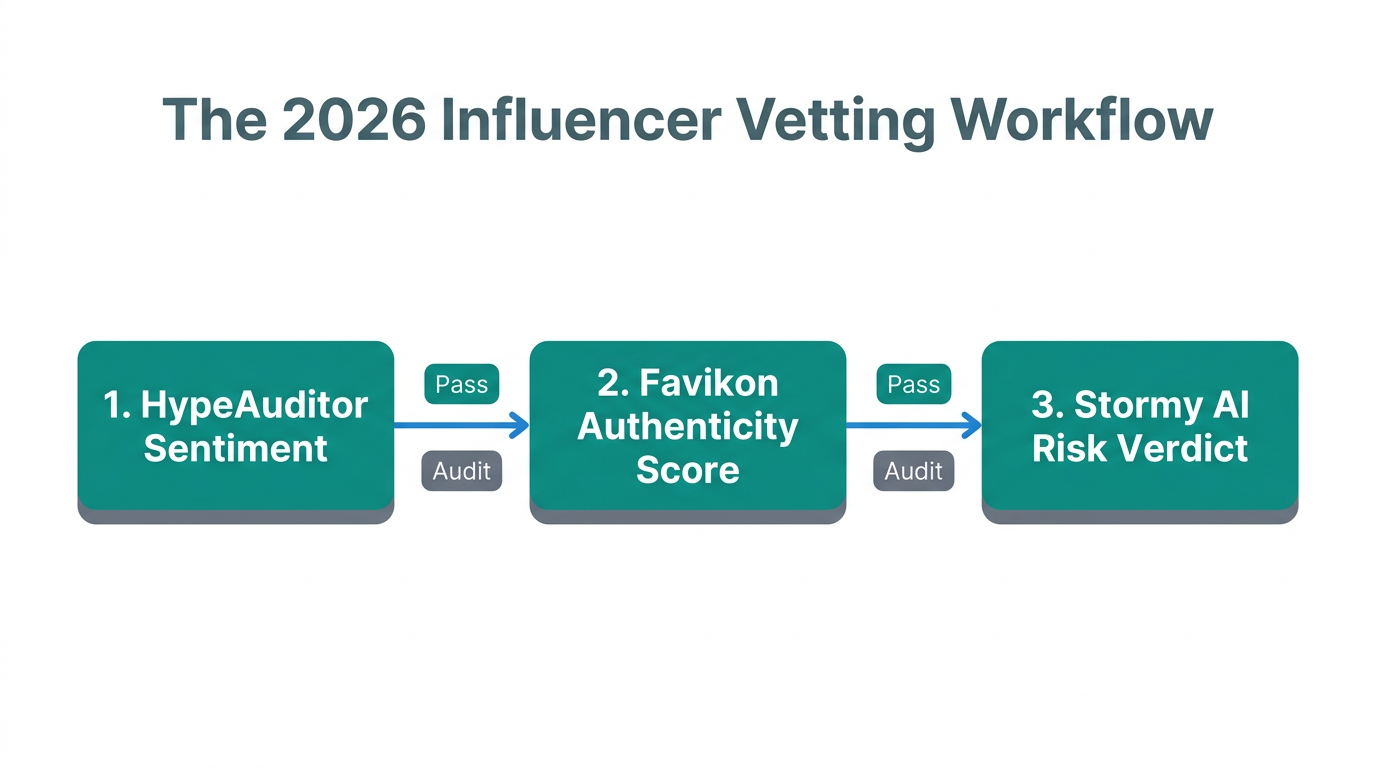
To maximize your budget in 2026, follow this actionable playbook for auditing and onboarding creators. This strategy ensures you only work with high-conversion intent influencers.
Step 1: AI-Powered Discovery
Start by using a natural-language prompt in Stormy AI. Instead of just searching for "fitness," try "fitness creators in New York with 10k-50k followers and 5%+ engagement." This narrows your pool to micro-influencers who traditionally offer higher ROI, as noted by Influencer Marketing Hub.
Step 2: Automate the Fraud Check
Once you have your list, run an automated batch audit. Look for the Authenticity Score or HypeAuditor’s AQS. Any creator with more than 20% "suspicious followers" should be flagged or removed. Never chase vanity metrics; focus on audience overlap and conversion intent data.
Step 3: Sentiment History Scan
Use AI sentiment analysis to scan the last three years of a creator’s post history. This protects your brand from brand-safety violations like controversial speech or brand-clashing content. Tools like Sprinklr and Stormy AI can flag keywords and tone shifts that a human might miss in a manual scroll.
Step 4: Scale with an AI Agent
For those who pass the audit, trigger your AI outreach agent. Personalized emails that reference specific content from the creator's feed result in significantly higher reply rates. According to industry research from Lemlist, hyper-personalization can increase response rates by over 2x compared to generic templates.
Brand Safety: Moving Beyond Fraud
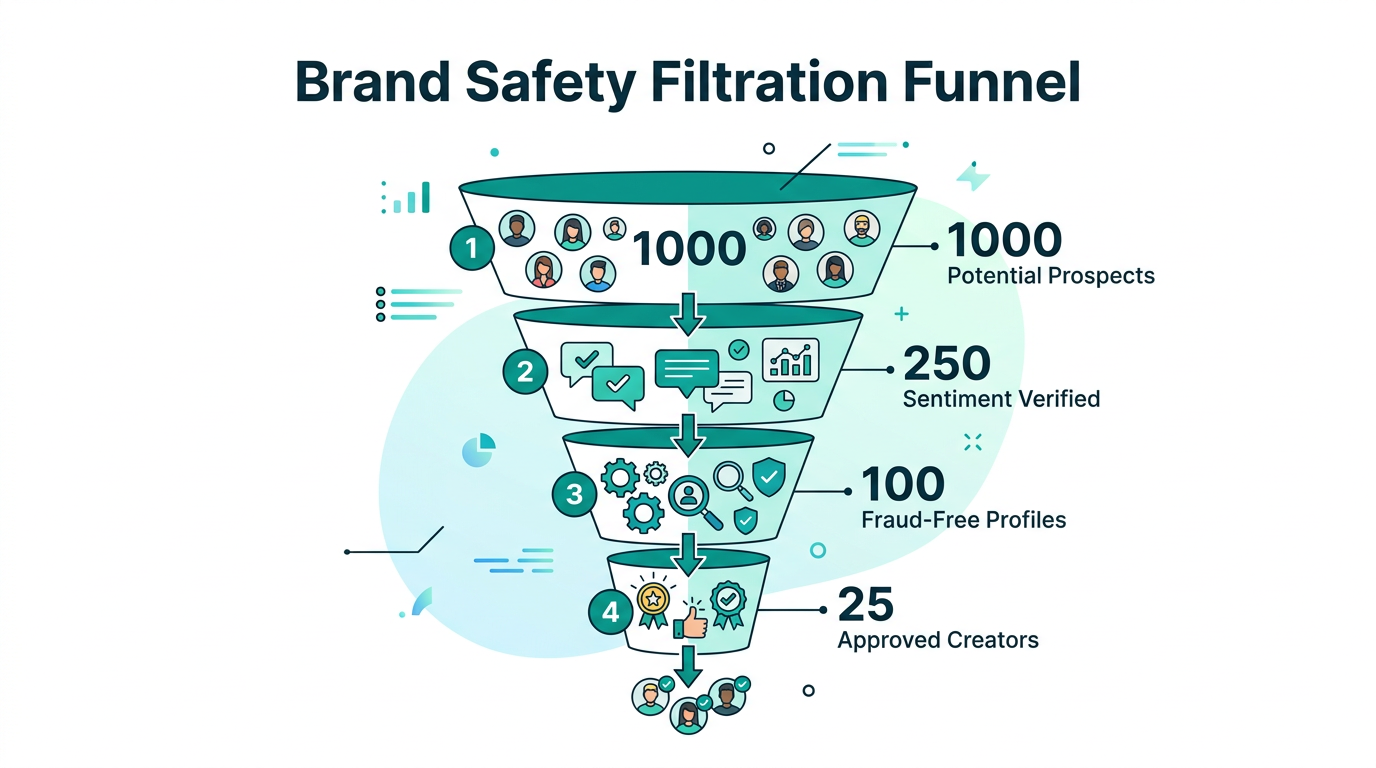
In 2026, brand safety tools must also account for sentiment risks. As Digiday reports, AI sentiment analysis now scans years of creator history to flag political speech or swearing before a contract is signed. This is a level of protection that manual vetting simply cannot match. For instance, luxury brands like Armani have used AI sentiment monitoring to boost engagement by 20% by aligning with creators whose audience sentiment matches their brand values perfectly.
Conclusion: The Modern Marketing Stack
Stopping creator fraud in 2026 requires more than a casual glance at a follower count. It requires a rigorous, AI-first approach that combines the deep auditing of HypeAuditor and the credibility scoring of Favikon with the operational efficiency of Stormy AI.
By automating the "First Pass" and using AI agents for discovery and outreach, you eliminate the manual drudgery that leads to human error. You protect your brand safety, eliminate budget waste, and focus your energy on what matters most: building authentic relationships with creators who actually drive results. Whether you are launching a new mobile app or scaling an e-commerce brand on Shopify, your success this year depends on the tools you use to vet the voices of your brand.