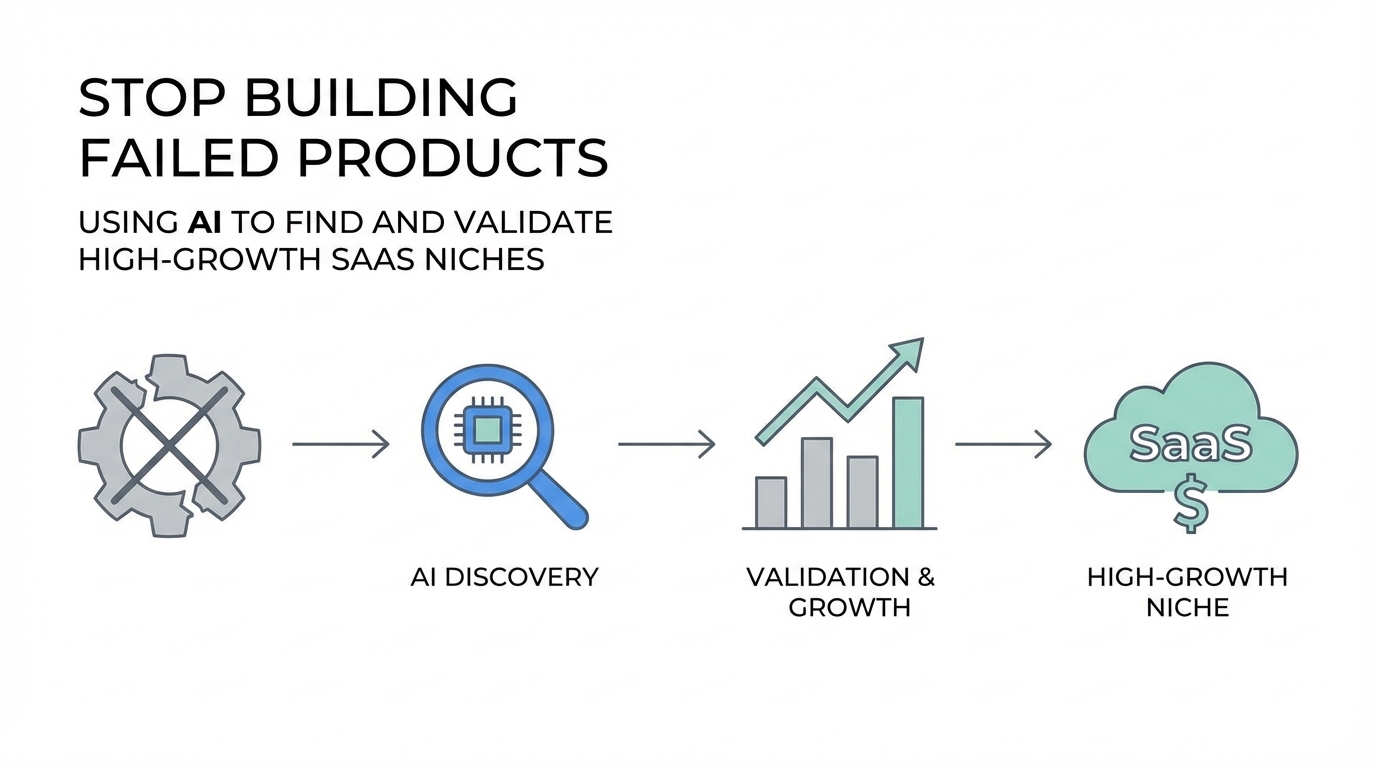
The graveyard of failed startups is paved with beautiful code for products that nobody actually wanted. In the traditional lean startup validation cycle, founders often spend months building an MVP (Minimum Viable Product) only to realize during the launch that they solved a problem that doesn't exist. However, the rise of Large Language Models (LLMs) has introduced a shortcut—a way to perform saas market research and audience validation with surgical precision before a single line of code is written. By leveraging AI as a virtual McKinsey analyst, you can move from a vague concept to a high-conviction product roadmap in a single weekend. This playbook explores the 'Step 0' and 'Step 2' phases of development, focusing on how to find micro saas ideas and pressure-test them using advanced competitive analysis tools ai platforms like Gemini and Claude.
The Step 0 Strategy: Why Distribution Beats Code
Most developers start with a feature list. They think about the technology stack, the database schema, and the API integrations. But according to veteran builders, the most successful projects begin at 'Step 0': Audience Discovery. Before you decide what to build, you must identify who you are building for. Building an audience on platforms like LinkedIn, X, or TikTok creates an 'unfair advantage.' For instance, a developer with ten years of experience in the nursing industry understands the specific pain points of medical staff better than any generalist founder. By establishing a presence in these communities first, you create a feedback loop. You can tease ideas, ask questions, and let the community tell you what they need. This audience-first distribution strategy ensures that when you finally launch, you aren't shouting into a void; you are delivering a solution to a group of people who are already listening.
Identifying 'Dated Incumbents': The $100M Opportunity


One of the most effective ways to find how to find micro saas ideas is to look for 'Dated Incumbents.' These are massive, $100M+ businesses that have become stagnant, featuring aging interfaces and bloated user experiences. A classic example is Goodreads. Despite being acquired by Amazon for an estimated $150 million [source: Crunchbase], the platform's UI has remained largely unchanged for a decade. Users frequently complain about its clunky design and outdated recommendation engine. For a modern founder, this is a goldmine. You don't necessarily need to invent a brand-new category; you can simply reimagine an existing one for a new generation. By identifying businesses with high utility but low aesthetic value, you can carve out a niche by offering a 'premium' or 'modern' alternative that focuses on user delight and streamlined workflows.
Competitive Intelligence: Using AI as Your Research Analyst

Once you've identified a potential niche, such as a modern alternative to a book-tracking app, you need to map the competitive landscape. This is where competitive analysis tools ai like Gemini become invaluable. Instead of spending days browsing through search results, you can prompt an LLM to identify every player in the space. For the Goodreads example, Gemini can quickly surface competitors like The StoryGraph, which differentiates itself through data-driven 'mood' recommendations, or LibraryThing. The goal of this phase is to find the 'underserved gaps.' To understand the marketing side of these gaps, platforms like Stormy AI allow you to see which creators are currently discussing these competitor products and where their audiences feel neglected. By analyzing the strengths and weaknesses of existing players, you can refine your Novel core value proposition to target a specific subset of the market, such as Gen Z readers who value aesthetics and 'shareability' above all else.
The 20-Question Framework: Pressure-Testing Your Idea
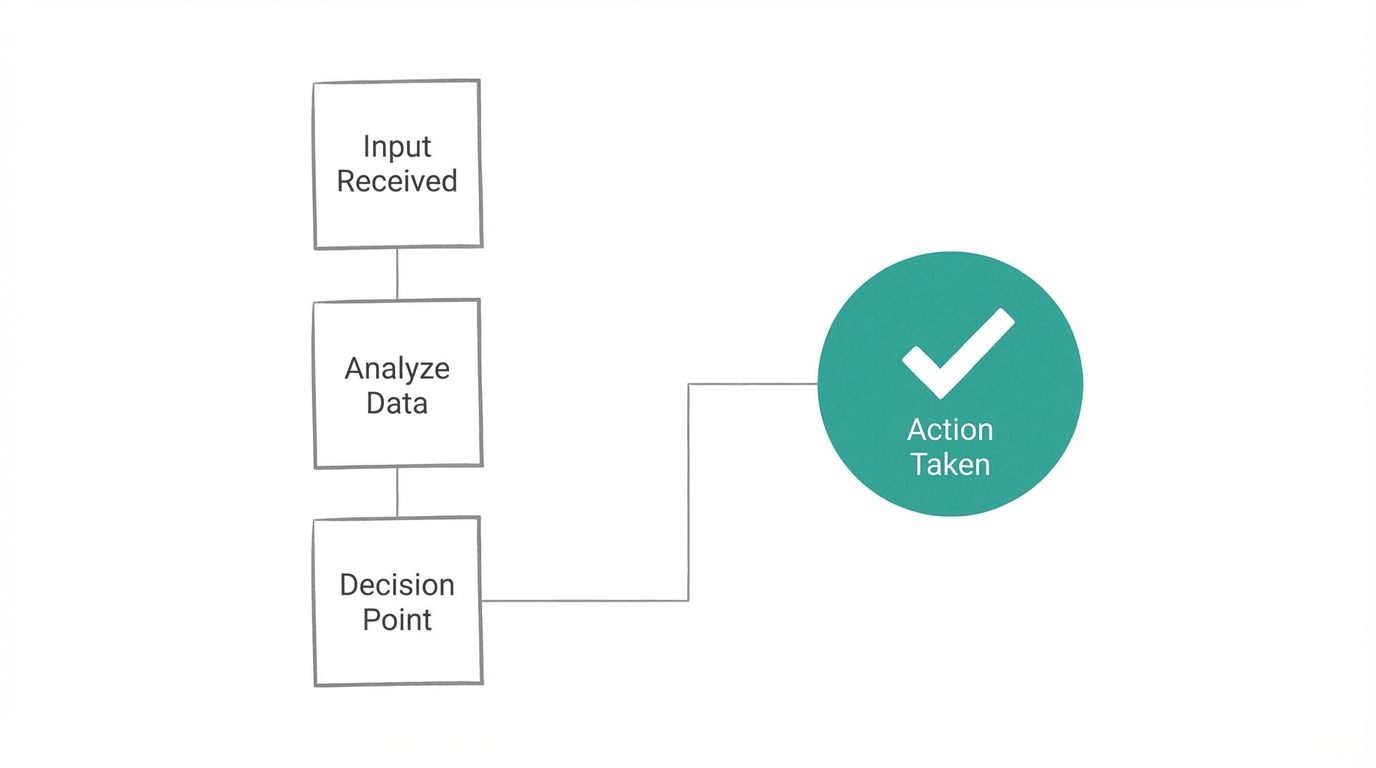
Before moving to development, you must put your idea through an 'interrogation.' Using a tool like Claude, you can initiate a 20-question framework designed to validate startup idea ai viability. The prompt is simple: 'I want to build [Your Idea]. Grill me with 20 tough questions to see if this idea even holds water.' Claude will then challenge your assumptions. It might ask: 'How will you acquire users without a massive marketing budget?' or 'What specific Gen Z behaviors make them prefer your app over a generic social network?' Answering these questions forces you to move beyond surface-level enthusiasm and confront the hard realities of lean startup validation. If your idea survives this AI-driven interrogation, you have a significantly higher probability of success. If it doesn't, you've saved yourself months of wasted effort.
Defining the MVP: Stripping Away the Non-Essential
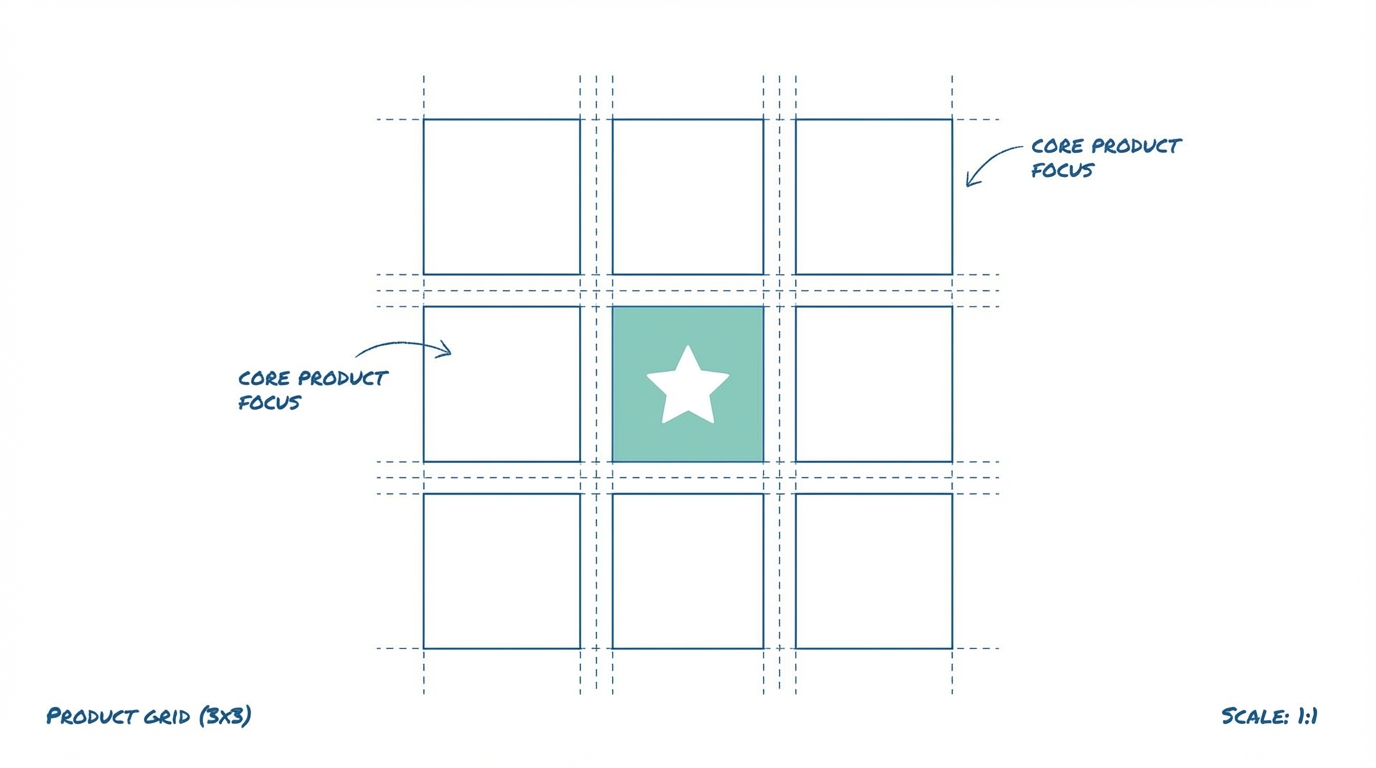

After validation, the next step is defining a Product Requirements Document (PRD). AI can generate a comprehensive one-page plan that outlines the executive summary, target audience, and core features. For a book-tracking app, the MVP might focus on a 'Novel Spin' wheel—a visually engaging way to discover books—rather than trying to replicate every feature of a legacy site. By using AI to identify the core features that drive the most value, you can avoid 'feature creep.' The focus should be on creating a 'screenshot-worthy' experience. High virality often comes from features that users want to share on social media, much like athletes share their Strava runs. If your MVP includes a unique, beautiful way to display data, your users will naturally become your marketing department.
Shifting to Execution: From UI to Shippable Code
With a solid PRD in hand, you can transition into the design phase. Tools like v0.dev allow you to generate shippable UI chunks based on natural language prompts. You can tell the AI to 'design an interactive spinning wheel for book covers with haptic feedback' and receive a functional React component in seconds. Once the UI is refined, platforms like Cursor or GitHub Copilot can assist in building the backend logic and database connections. To accelerate growth after building the product, marketing is essential. For founders looking to scale their reach, tools like Stormy AI can help source and manage UGC creators at scale, ensuring your validated idea gets in front of the right audience immediately. This combination of AI-assisted development and AI-powered influencer marketing creates a powerful engine for rapid growth.
Conclusion: The Future of Rapid SaaS Validation
The barrier to entry for building software has never been lower, but the barrier to building successful software remains high. By moving through the saas market research phase with AI, you can identify dated incumbents, analyze the competition, and validate your niche with lean startup validation techniques in a fraction of the time it used to take. Remember, the goal isn't just to build fast; it's to build right. By focusing on an audience-first approach and using LLMs to interrogate your business model, you can stop building failed products and start building the next $150M exit. Whether you are using Notion to organize your research or Startup Empire to find your first co-founder, the tools for success are at your fingertips. Now is the time to ship your ideas and turn validation into reality.