In 2026, the barrier to entry for building software has effectively vanished. With AI agents like GitHub Copilot writing the majority of production code, the bottleneck is no longer technical execution—it is the ability to find and validate a problem worth solving. Most founders spend months building a 'perfect' product that no one wants, falling into the trap of emotional attachment. But what if the most profitable ideas are the ones that sound 'stupid' or niche to the average person? Enter Jordan, the founder of Parakeet Chat, who built a $1.5 million business without a user interface, a mobile app, or a presence in the App Store. His journey offers a masterclass in lean startup methodology for the modern era.
The Emotional Trap: Why 2026 Startups Fail Before They Launch
The biggest killer of new ventures this year isn't a lack of capital or competition; it is emotional investment. Founders often treat their ideas like fragile glass sculptures, protecting them from the 'harsh' reality of customer feedback. According to insights from Starter Story, many entrepreneurs spend 12 months building a mobile app before showing it to a single soul. They fear that validation might lead to invalidation—the death of their dream, often a result of the sunk cost fallacy.
Jordan’s approach was the polar opposite. He didn't care if the idea sounded 'prestige' or mainstream. He focused on a closed ecosystem—the prison system—where communication is notoriously expensive and difficult. By detaching his ego from the product and focusing on the utility, he was able to reach profitability in under 60 days. If you are using tools like Notion to map out your next big thing, ask yourself: Am I building this because it’s a 'cool' idea, or because I’ve found a customer who is desperate for a solution?
"Most people don't want to validate because it means they might invalidate their idea. It's an emotional thing. You must be willing to let your idea die."
The Parakeet Chat Method: Moving from Idea to Profit in 60 Days
 10:19
10:19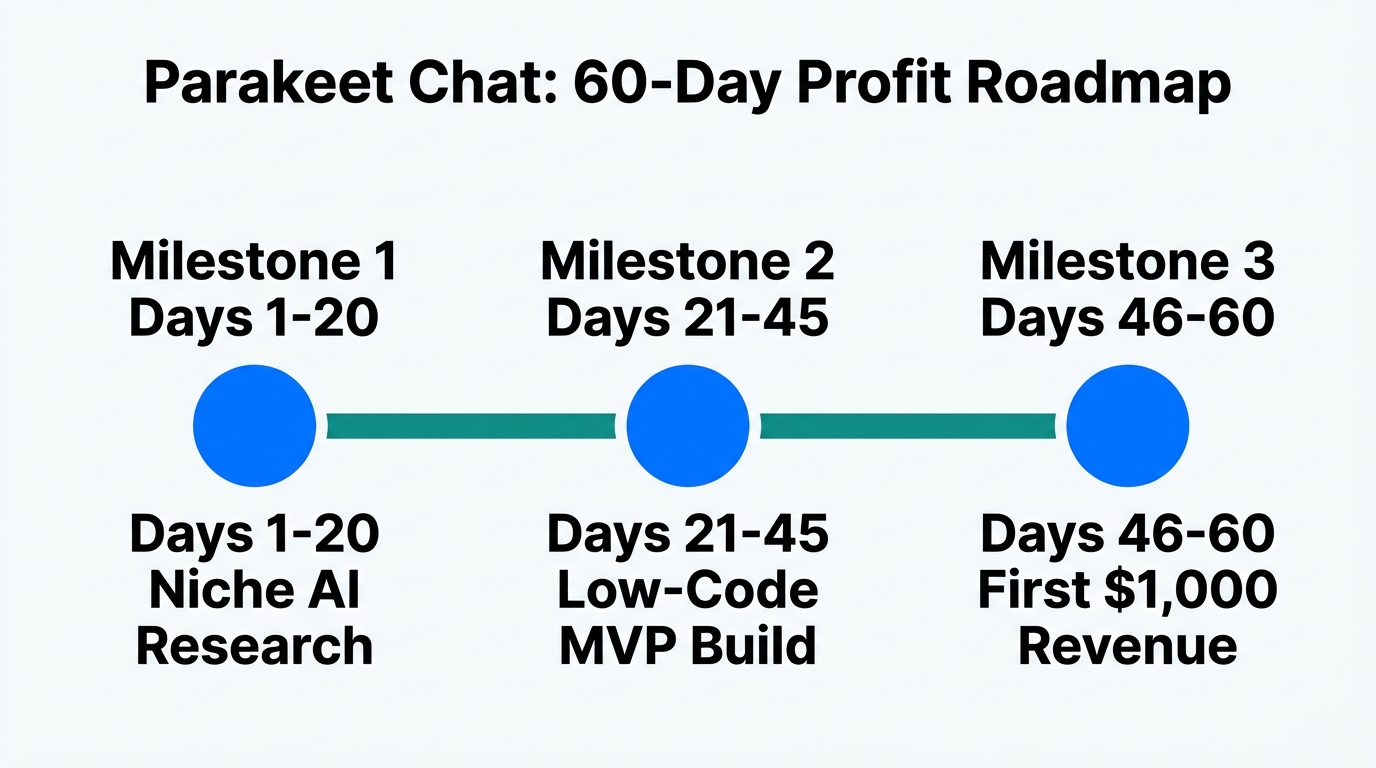
The Parakeet Chat founder story highlights a radical departure from traditional SaaS development. Jordan’s MVP (Minimum Viable Product) was essentially a chatbot that processed emails. Because people in prison use internal email systems to communicate with the outside world, he built a bot that replies to those emails with AI-generated information, legal research, and family messages. He didn't waste time on a complex UI because his users didn't have access to browsers.
| Feature | Traditional SaaS Approach | Parakeet Chat Approach |
|---|---|---|
| Interface | Polished Mobile/Web App | No UI (Email-based) |
| Time to MVP | 6-12 Months | 30 Days |
| Validation | Focus Groups/Ads | 200 Paying Users in Month 1 |
| Revenue Model | Freemium/Ad-supported | $15-20/mo Subscription |
By using a robust 2026 tech stack—including TypeScript, React, and Prisma—Jordan automated the backend while letting AI handle the heavy lifting of code generation. This allowed him to focus entirely on the startup validation framework of getting his product in front of the federal prison population that eventually tried it. Speed is the only moat that matters when testing AI business ideas in 2026.
Leveraging AI for Niche Solutions Without Massive Overhead
9:16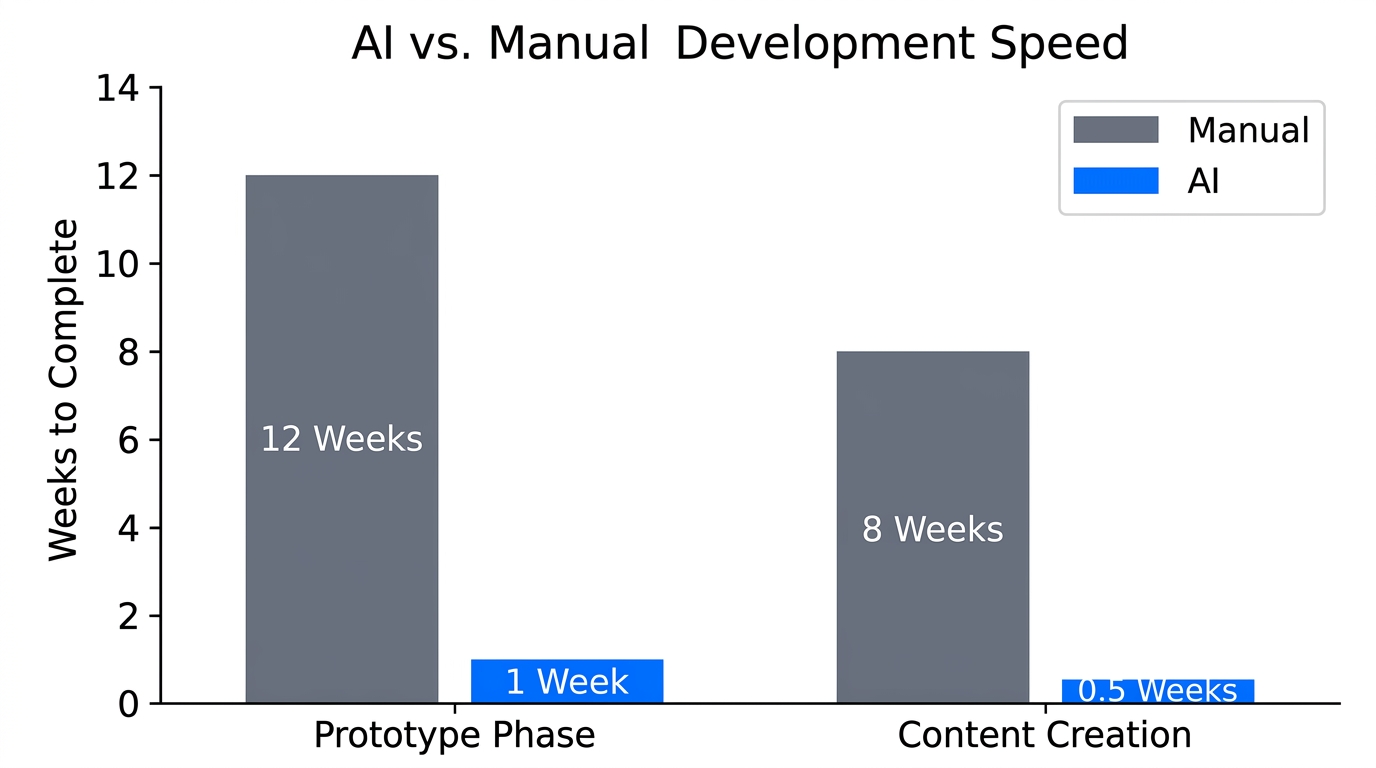
In 2026, you don't need a team of ten engineers to launch a million-dollar app. Jordan mentions that he hasn't even opened his code editor in months because AI systems write the majority of his code now. This shift allows solo bootstrappers to tackle hyper-niche problems that were previously too expensive to solve. Whether it's legal research for incarcerated people or niche data analysis for small businesses, AI is the new tech stack.
To accelerate your development, pair AI agents with reliable infrastructure. Using services like Auth0 for authentication and Docker for containerization ensures that your 'stupid' idea is built on a professional foundation. Even if you are just starting, modern AI marketing tools can help you identify creators and influencers in these niche spaces to validate your product's appeal before you write a single line of production code.
"The tech stack is not as important as sheer speed. AI is the new engine for entrepreneurship advice 2026."
Overcoming the 'Overnight Success' Myth: The 10-Year Foundation
12:21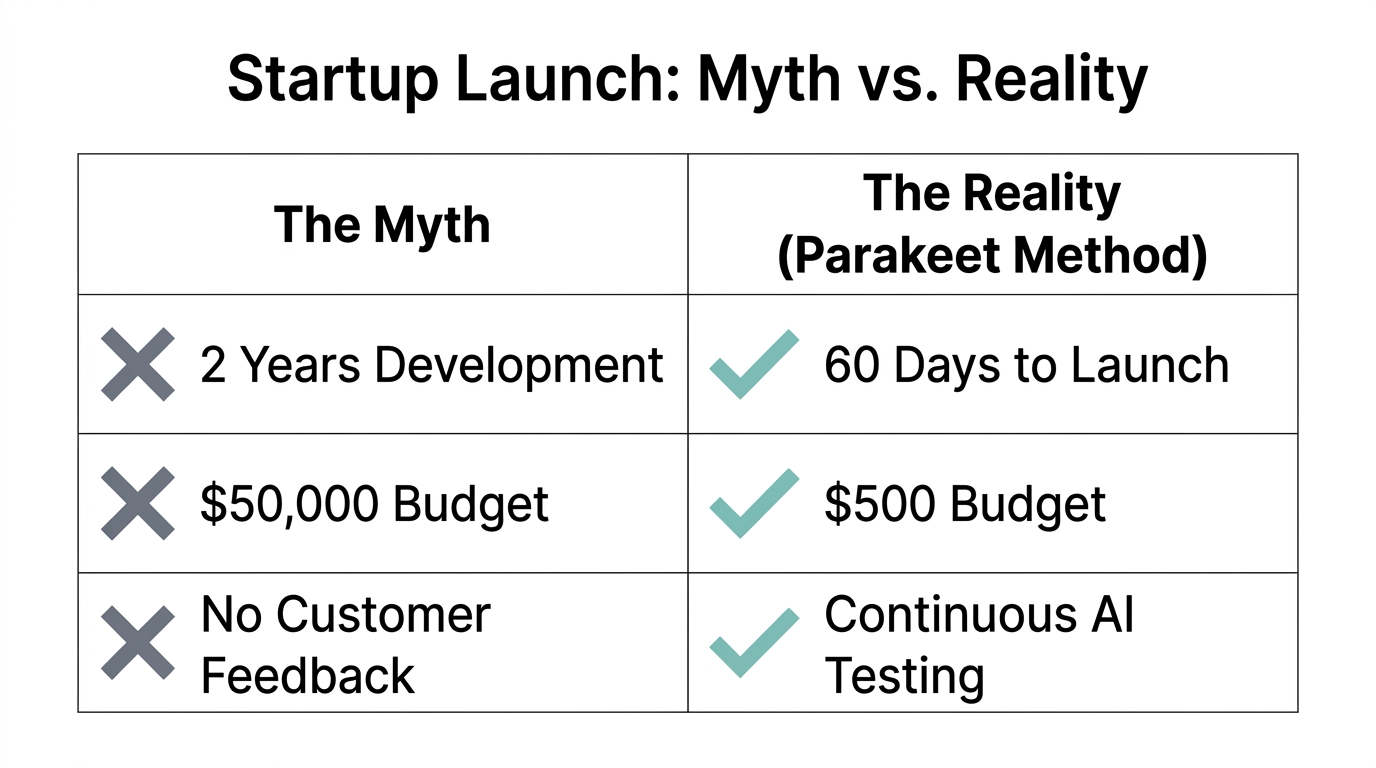
It is tempting to look at a $1.5 million revenue figure and think it happened by magic. However, the reality of the Parakeet Chat journey is that it was preceded by a decade of 'failure' and learning. Jordan spent years as a freelance engineer in San Francisco and worked in corporate research before finding this specific gap in the market. He didn't succeed because he was a genius; he succeeded because he had already made all the common mistakes 10 years prior.
If you are struggling to gain traction, remember that every failed experiment is data. Use tools like Google Ads or TikTok Ads Manager to run small, controlled experiments. If an idea fails, it's not a reflection of your worth—it's just a signal that the market wants something else. The path to a million-dollar app is paved with invalidated 'stupid' ideas.
A Playbook for Validating Your Next Idea
4:06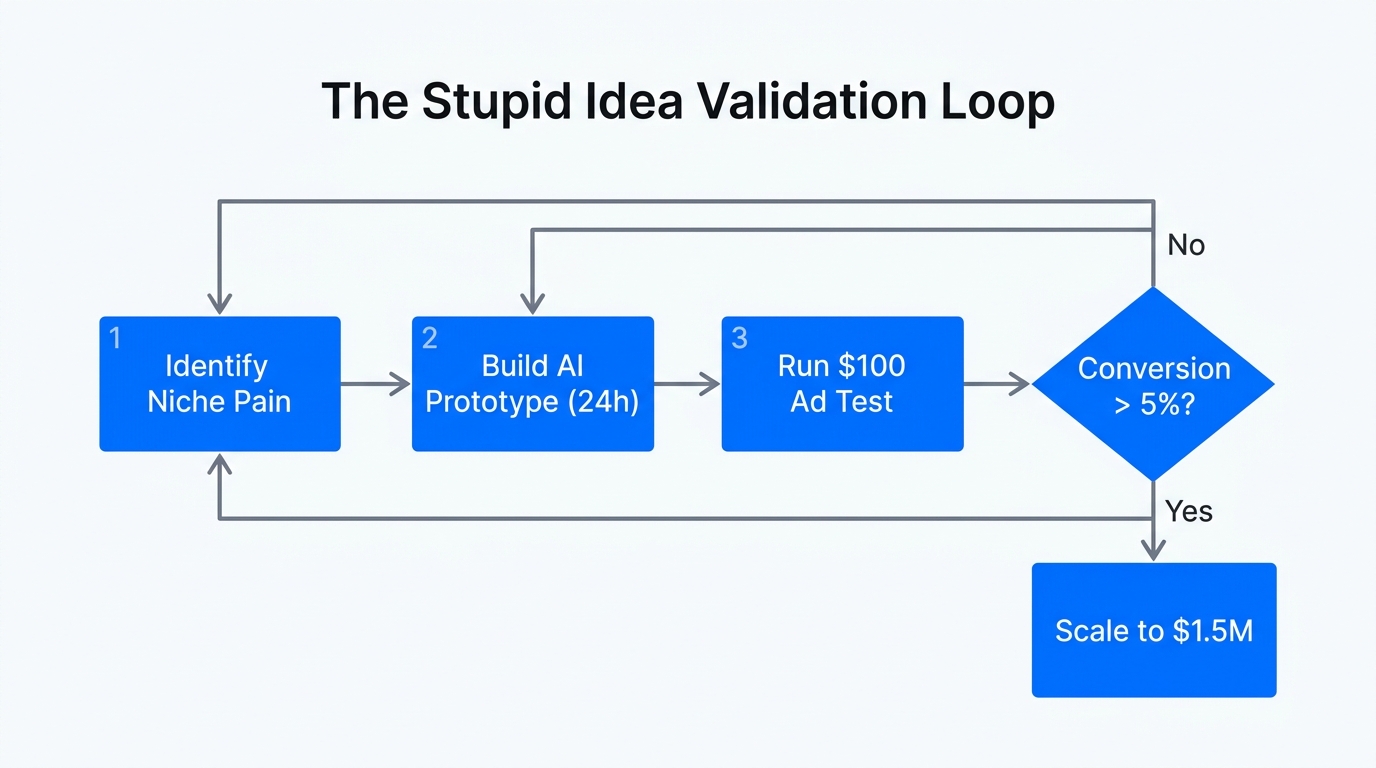
Ready to put this lean startup methodology into practice? Follow these steps to ensure you aren't building in a vacuum:
Step 1: Identify a High-Friction Niche
Look for industries that are 'closed' or rely on outdated technology. Jordan found his niche in the prison system. You might find yours in local government, specialized manufacturing, or even niche creator economies. Use Stormy AI to search for creators in these specific niches to see what their audiences are complaining about.
Step 2: Build a 'Non-App' MVP
Before building a full mobile app, can you solve the problem with an email bot, a ChatGPT wrapper, or a simple landing page? The goal is to provide instant utility with zero friction. Use Framer or Carrd to launch a validation page in hours, not weeks.
Step 3: Find Your First 200 'Zealots'
Jordan didn't use massive ad campaigns; he used word of mouth and a simple referral system. He turned his users into 'cult members' by solving a life-altering problem. If you can't find 10 people who are obsessed with your solution, you haven't found a real problem yet. Manage these early relationships in an AI-powered Creator CRM to track feedback and negotiation stages efficiently.
Conclusion: The Power of Doing 'Stupid' Things
The journey of Parakeet Chat proves that in 2026, the most successful entrepreneurs are those who are willing to look where others aren't. By embracing a startup validation framework that prioritizes speed over ego, you can uncover million-dollar opportunities in the most unlikely places. Don't wait for the 'perfect' idea. Start with an 'idiotic' one, test it with AI, and be prepared to pivot. As Jordan says, you will learn more from one 'mess up' than you will from reading twenty books on business. It’s time to stop building in the dark and start validating in the light of the real world.