In the world of high-growth technology, the most dangerous thing a founder can do is try to outspend a giant. When you are a small team competing against industry incumbents with 20-year head starts, massive balance sheets, and thousands of employees, you cannot win on resources. You cannot win on brand recognition alone. You win by leveraging the one thing a billion-dollar corporation cannot replicate: speed currency. This is the concept that urgency is not just a trait of a healthy startup, but its primary competitive advantage. When you can move, pivot, and ship faster than an incumbent can schedule a board meeting, you create market disruption.
The Speed Currency Concept: Outrunning the Giants
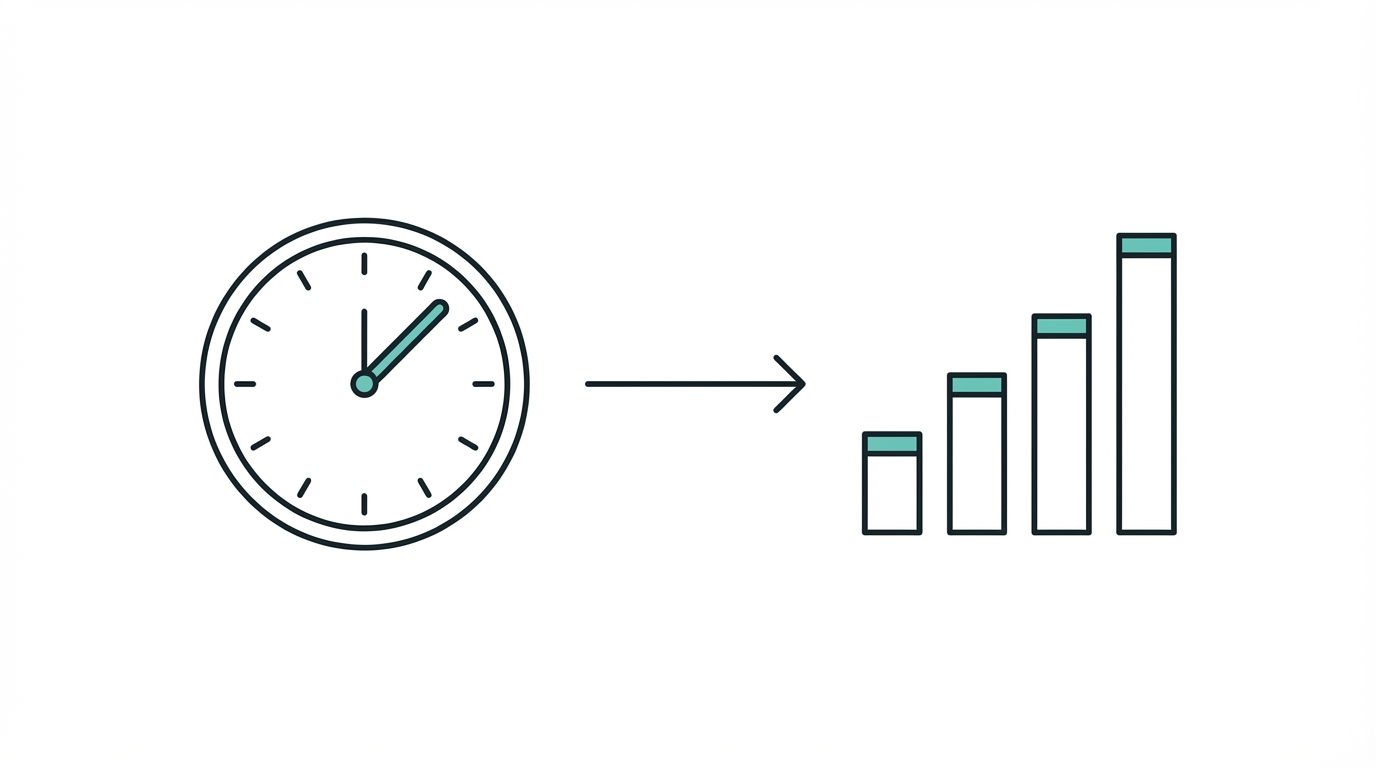
Most startups fail not because they lacked a good idea, but because they tried to play the giants' game. Incumbents are weighed down by legacy code, bureaucratic approval layers, and the fear of cannibalizing their existing revenue streams. A startup has none of these anchors. As Sean, co-founder of Olia, noted in a recent Starter Story interview, speed is the only currency that matters when you are going from zero to $4 million in annual recurring revenue (ARR).
Speed currency allows you to run five marketing experiments in the time it takes an incumbent to approve a single creative brief. It allows you to ship a product update based on a customer call you had two hours ago. In the e-commerce space, for instance, tools that help brands capture leads—like those used by Nike Strength or Toms Shoes—require constant iteration to stay effective against shifting consumer behavior. If you aren't moving with urgency, you are essentially forfeiting your only edge.
The Power of Positioning: From $0 to $4M ARR

One of the most profound examples of startup growth strategy is the story of Olia. For the first six months, the founders were lost. They had a product that tried to do everything: loyalty, education, and engagement. They had two customers—one of whom was a co-founder's cousin. They lacked product-market fit because they couldn't explain what they were. They were trying to build a complex ecosystem while competing with established players on Shopify and other platforms.
The breakthrough came from reading Obviously Awesome, a book focused on the art of positioning. They realized their customers didn't see them as a "customer education tool." They saw them as a "pop-up tool." By embracing this narrow identity, they went from zero to $4 million ARR in just one year. This is a masterclass in agile marketing: stop trying to be everything to everyone and become the absolute best at the one thing your customers actually value. When they stopped selling a vague vision and started selling "the next generation of pop-ups," their conversion rates skyrocketed.

Setting Micro-Goals: The Path from 2 to 20,000

A common mistake in founder advice is the obsession with the "end state." Founders look at a competitor with 20,000 customers and feel paralyzed by the distance. However, successful market disruption happens one customer at a time. Sean's framework for growth was deceptively simple: "We had two customers; my only goal was to get a third. Once we got a third, my goal was to get a fourth."
By focusing on micro-goals, you remove the psychological weight of the mountain you have to climb. Each new customer provides a data point. When you have five customers, you can see patterns. When you have ten, you can see a trend. This allows you to refine your sales script and product features in real-time. If you are using platforms like Google Ads or Meta Ads Manager, this micro-approach applies to your creative testing as well. Don't try to find the perfect ad for 1 million people; find the perfect ad for the next 100.
Identifying Market Gaps Left by Slow-Moving Leaders
Incumbents leave massive gaps in the market because they prioritize their "ideal" enterprise customer. This leaves the mid-market and small business segments underserved. To find these gaps, you must listen to what customers are actually saying on sales calls. Are they frustrated with 20-year-old interfaces? Are they tired of paying for features they don't use? Often, the gap isn't a lack of features—it's too many features that make the software bloated and slow.
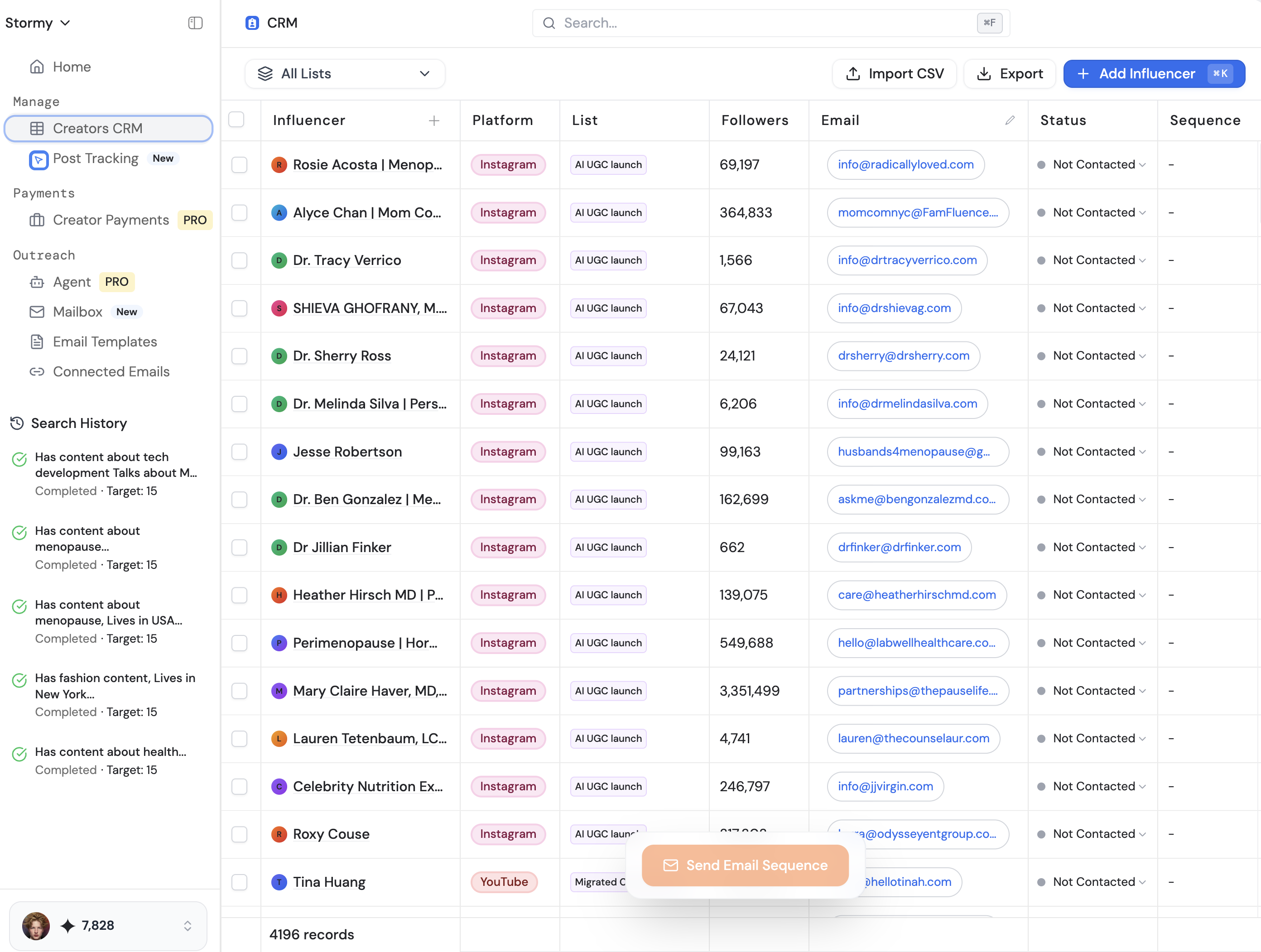
In many industries, especially in creator marketing and UGC (user-generated content), legacy platforms like Captiv8 or Tagger feel increasingly "old-school" because they weren't built with modern AI at their core. This is where startups can strike. For example, AI-native platforms like Stormy AI can help source and manage UGC creators at scale by using AI search engines to find influencers in seconds—a task that used to take days of manual vetting on older platforms. By focusing on a specific pain point—like the speed of discovery—startups can carve out a significant market share before the giants even realize there's a threat.
The Co-Founder Mentality: A Culture of Survival
Urgency cannot be faked; it must be part of the company's DNA. This starts with the founding team. Sean described his team's mantra: "Olia will be successful even if it means we're selling hot dogs on the side of the road." This level of commitment is what allows a team to pivot without friction. If you are married to the idea, you will fail. If you are married to the success of the partnership, you will find the right idea eventually.
Building a "win at all costs" culture means everyone on the team—from engineering to customer success—understands the current positioning. When the internal language is aligned, decisions are made faster. There is no confusion about what the product is or who it is for. This internal clarity is what fuels startup growth strategy and allows for rapid pivots when the market signals a change is needed according to frameworks popularized by Y Combinator.
Playbook: How to Ship with High Urgency
Maintaining a high velocity is a skill that must be practiced. If you find your shipping cycles slowing down, follow this 4-step playbook to regain your competitive advantage:
Step 1: Audit Your Positioning
Ask yourself: How do our best customers perceive us? If they are using your product for one specific feature and ignoring the rest, that feature is your new identity. Don't fight the market; lean into it. Use tools like Notion to document these customer insights and share them across the team instantly.
Step 2: Test on Live Sales Calls
Before you change a single line of code or update your website, change your sales script. Tell the next prospect, "We are the best [X] tool in the world." If their eyes light up and the call gets shorter, you've found your hook. Sean found that by simply saying "we do pop-ups," his close rate surged because prospects immediately understood the value proposition.
Step 3: Update Internal and External Language
Once the sales calls confirm the new positioning, update the website copy, the social media bios, and the internal Slack channels. Every touchpoint should scream the same message. This consistency creates a mental association in the market: Your Brand = [Specific Solution].
Step 4: Automate the Mundane
To keep your speed high, you must automate everything that isn't a core competency. If your growth relies on outreach, don't do it manually. Using an AI-powered CRM like Stormy AI allows you to manage creator relationships and automate follow-ups, ensuring your agile marketing efforts continue while you sleep. This frees up your brainpower to focus on high-level strategy and further pivots.
Conclusion: Urgency is the Ultimate Strategy
The marketplace is a graveyard of startups that were "almost" successful but moved too slowly. Market incumbents have the money, the data, and the head start, but they are often paralyzed by their own scale. Your competitive advantage is your ability to fail fast, learn faster, and reposition your entire company in a weekend. By focusing on speed currency, setting micro-goals, and maintaining a relentless co-founder mentality, you can disrupt even the most entrenched industries. Remember: you don't need to be the biggest to win; you just need to be the one that refuses to slow down.