In the high-speed world of modern entrepreneurship, the difference between a project that fizzles out and a startup that sells for $15,000 in just eight days often comes down to one thing: vibe-coding the brand identity. When Josh Pigford, the founder of Baremetrics, launched a small tool called Name Snag, he didn't spend months in committee meetings. He leveraged a specific stack of AI tools and branding strategies to build a high-end identity that looked like a million dollars before a single line of production code was written. This guide breaks down the exact playbook for using AI as your creative director to secure premium domains and professional logos without the enterprise price tag.
The AI Creative Director: A Naming Workflow That Actually Works


Most founders treat naming as a secondary task, but in the age of AI, your brand name "sets the floor" for your valuation. A weak name suggests a weak product, whereas a snappy, brandable name creates immediate authority. The challenge, however, is finding a name where the .com or .ai domain isn't already parked by a squatter for $50,000.
To solve this, professional builders are now using Claude not just as a writer, but as a real-time domain researcher. By utilizing Model Context Protocol (MCP) tools, you can connect Claude directly to WHOIS records. This allows the AI to generate a list of 50+ names and instantly check their availability. Instead of jumping back and forth between a thesaurus and a domain registrar, you can prompt Claude to "find words related to 'snipe' or 'acquire' that have available .com or .ai domains under $50."
The key to this workflow is iterative brainstorming. You don't just take the first result. You tell the AI to give you 20 more, then 50 more, until you find a word that "looks" right. As Josh Pigford noted when building Name Snag, he looked for names that avoided visual clutters—like words ending and starting with the same letter—which makes logo design significantly easier later on. You are looking for high-signal, low-friction names that feel established the moment they are typed into a browser.
The Domain Lease Hack: Securing $5,000+ Assets with Low Capital
One of the biggest misconceptions in the startup world is that you need to own your domain outright on day one. If you find the perfect .com on a marketplace like Atom.com and it's listed for $5,000, you don't have to fork over the full amount immediately. This is where the Domain Lease Hack comes into play.
By using payment plans, you can launch your project on a premium domain while only risking the first few monthly payments. According to reports on domain name investing, this strategy is common among those looking to acquire high-value assets without upfront liquidity. If the project fails, you stop the lease. If it succeeds, the revenue from the project covers the remaining balance. This strategy was pivotal for Name Snag; by securing both the .com and the .ai, the brand immediately felt like a serious player in the market. Platforms like Atom automate this process, allowing you to bypass tedious negotiations with domain brokers and start building within hours.
The 'Last Mile' Design Principle: AI Concepts to Pro Polish
While AI tools like Midjourney or DALL-E 3 can generate impressive imagery, they often fail at the precision required for a high-end startup logo. The "Last Mile" principle suggests that you should use AI or your own basic skills in Figma or Adobe Illustrator to set the creative direction, then hand it off to a human professional for the final 10% of the work.
Start by identifying a core visual element—for Name Snag, it was a simple, slightly rounded dot to represent the TLD (top-level domain). Once you have a vibe-coded first pass, share it on social platforms like X (formerly Twitter). Often, the "build in public" community will provide unsolicited help or professional designers will offer a polished version for a nominal fee. This collaborative approach ensures your branding isn't just "AI-generated generic," but has the tactile quality of a professional agency's work.
For founders who aren't designers, this means acting as an Art Director rather than a pixel-pusher. Your job is to provide the context, the references, and the constraints. When you provide a designer with a clear AI-generated concept, you slash their billable hours and get to a finished product 10x faster.
Why Brand Identity Sets the Floor for Valuation
In the age of "shipping school" and rapid iteration, your brand is the only thing that remains consistent while you pivot features. A project with a great name and a clean aesthetic is infinitely easier to sell on marketplaces like Acquire.com. Buyers are not just looking for code; they are looking for a complete business-in-a-box. If they have to rename the company and redesign the logo, they will discount your asking price significantly.
High-end branding also acts as a marketing multiplier. When you tweet about a new feature or a launch, a professional-looking screenshot or logo will naturally garner more impressions. For example, a viral tweet about an AI agent finding expired domains can easily hit 145,000+ impressions if the branding looks like a top-tier SaaS product. Without that visual polish, the same idea might be dismissed as just another side project.
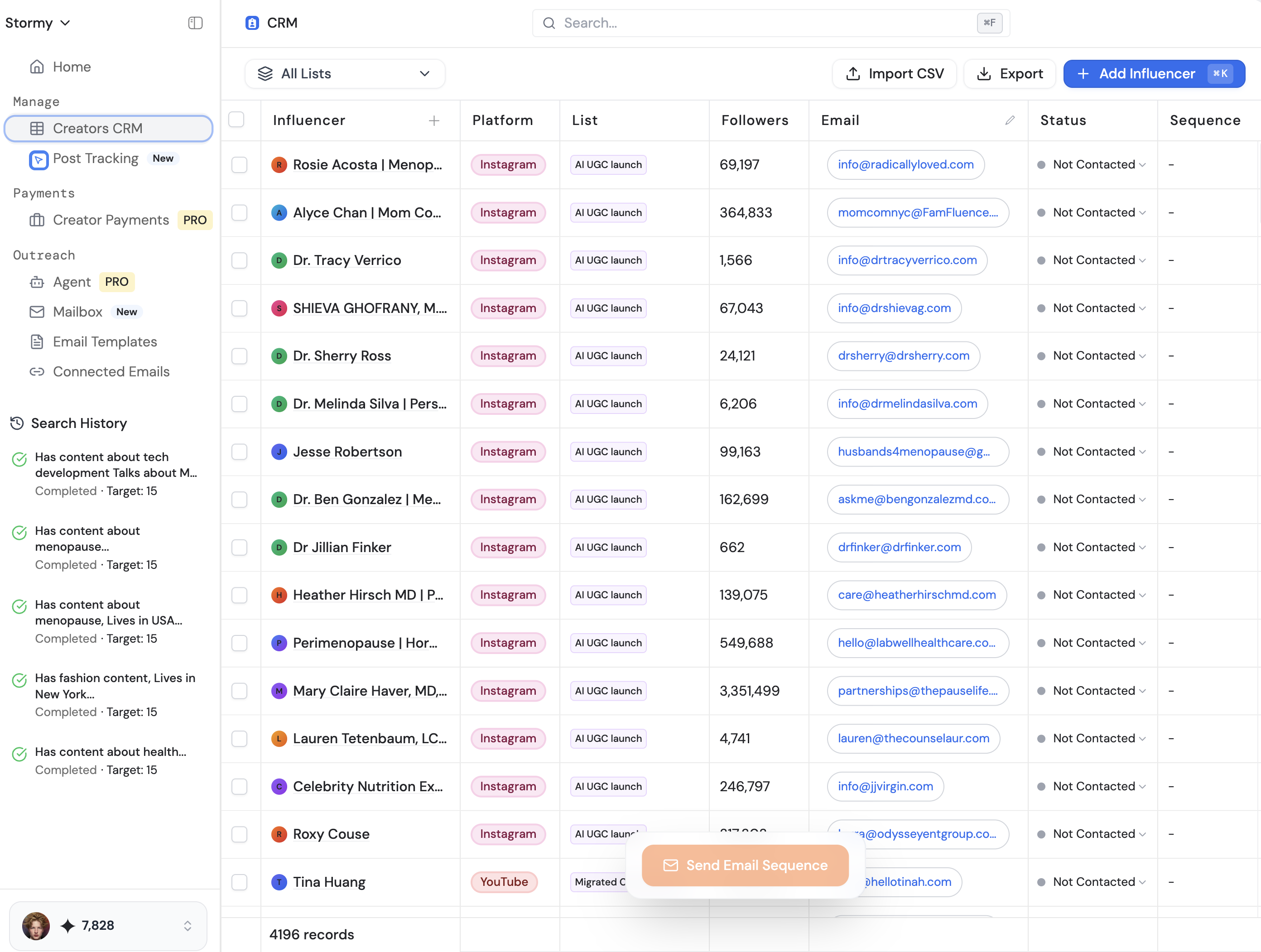
Once you've established your brand and started to gain traction, you'll need to manage the relationships that come with growth. Platforms like Stormy AI streamline creator sourcing and outreach, helping you manage influencer relationships with the same polish as your branding. Using a platform to track these interactions ensures that the high-end brand experience you've built extends to your outreach and collaboration workflows.
Tools for the Brand-Conscious Founder
To execute this premium strategy, you need a lean but powerful stack of tools. Speed is your primary advantage, and these tools are designed to keep you moving without getting bogged down in administrative tasks.
- IdeaBrowser: For sourcing validated startup concepts that are ripe for a branding overhaul.
- Claude with WHOIS MCP: For real-time domain checking and creative brainstorming.
- Atom.com: For securing premium .com domains on flexible payment plans.
- Figma: For the initial "vibe-coding" of your UI and logo concepts.
- Stripe: For quickly setting up payments to test the market validity of your new brand.
As your startup scales, managing the sheer volume of discovery and outreach becomes the new bottleneck. This is where an AI-powered creator CRM becomes essential. Whether you are tracking campaign performance or managing creator payments, having an integrated system like Stormy AI allows you to maintain a professional front while automating the repetitive discovery and vetting tasks that usually eat up a founder's time.
Leveraging Social Proof to Validate the Vibe
Branding is not a solo sport. The most successful modern founders use X/Twitter as a feedback loop. By posting polls about capitalization (e.g., "NameSnag" vs. "namesnag") or sharing logo iterations, you create a community effort. This interactivity doesn't just improve the design—it builds a pre-launch waiting list of customers who feel a sense of ownership in the brand.
This "shipping school" mentality—where you build, tweet, and iterate in 48-hour cycles—is only possible when you have the right tools to handle the back-office complexity. While you focus on the creative direction and the "vibe," let AI handles the heavy lifting of searching for influencers or automating follow-ups. The goal is to spend your time on things that set the valuation floor, like your brand name and core product hook, while automating the rest.
Conclusion: Shipping Over Perfection
The ultimate lesson from the successful sale of Name Snag and other rapid-fire startups is that perfection is the enemy of the exit. You don't need a $20,000 agency branding package to launch. You need a snappy name, a premium domain secured through a lease, and a logo that has been polished by the "Last Mile" principle. By leveraging AI as a creative director, you can build a brand identity that rivals established players in a fraction of the time. Stop overthinking the naming process and start building. The market will tell you if the vibe is right—but only if you ship.