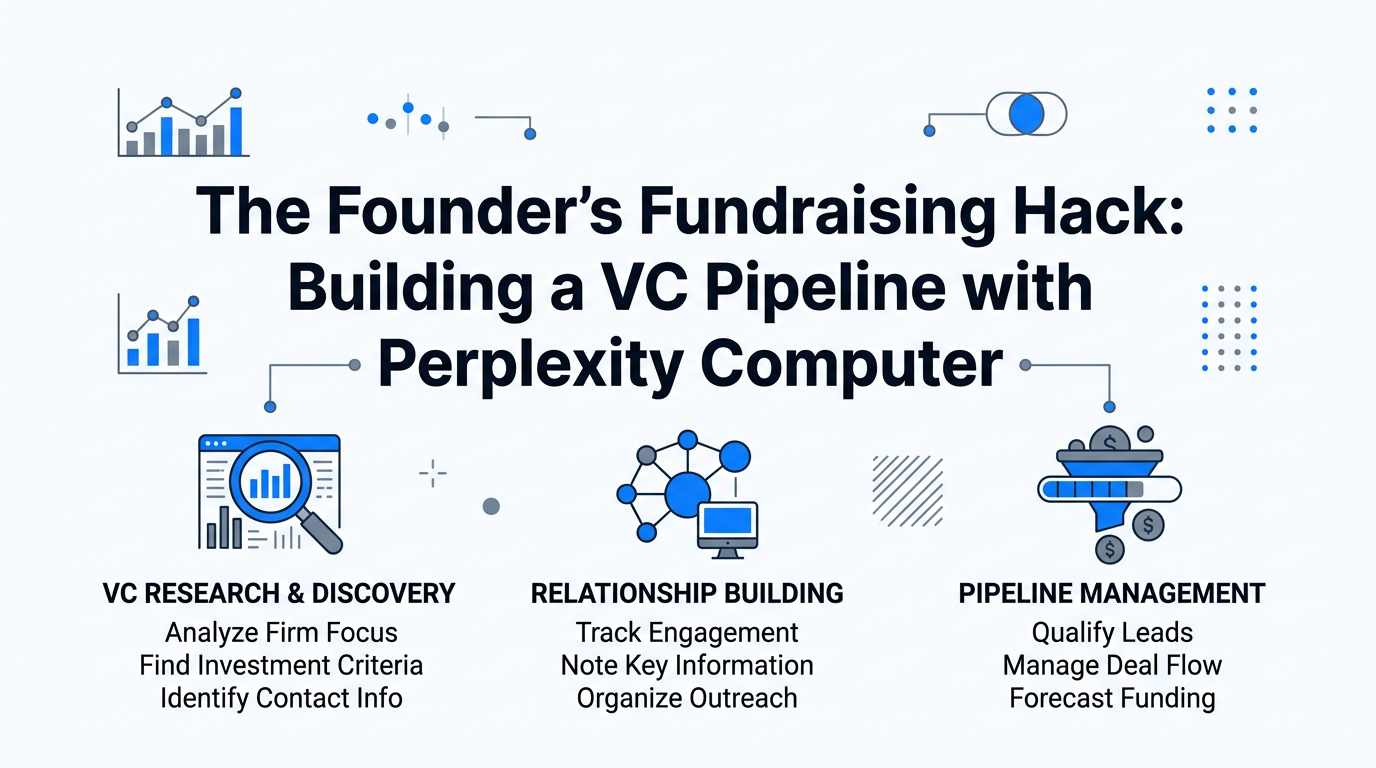
Fundraising is often the most grueling phase of the founder journey, a soul-crushing marathon of manual research, cold emails, and repetitive pitch decks. But a new era of entrepreneurship automation is shifting the power dynamic. By leveraging tools like Perplexity Computer, founders are now running complex, parallel research tasks that used to take an entire associate team weeks to complete. This isn't just about saving time; it's about building a data-driven startup fundraising strategy that identifies the exact partner most likely to sign your check before you even send the first email.
The New Standard of Fundraising Automation
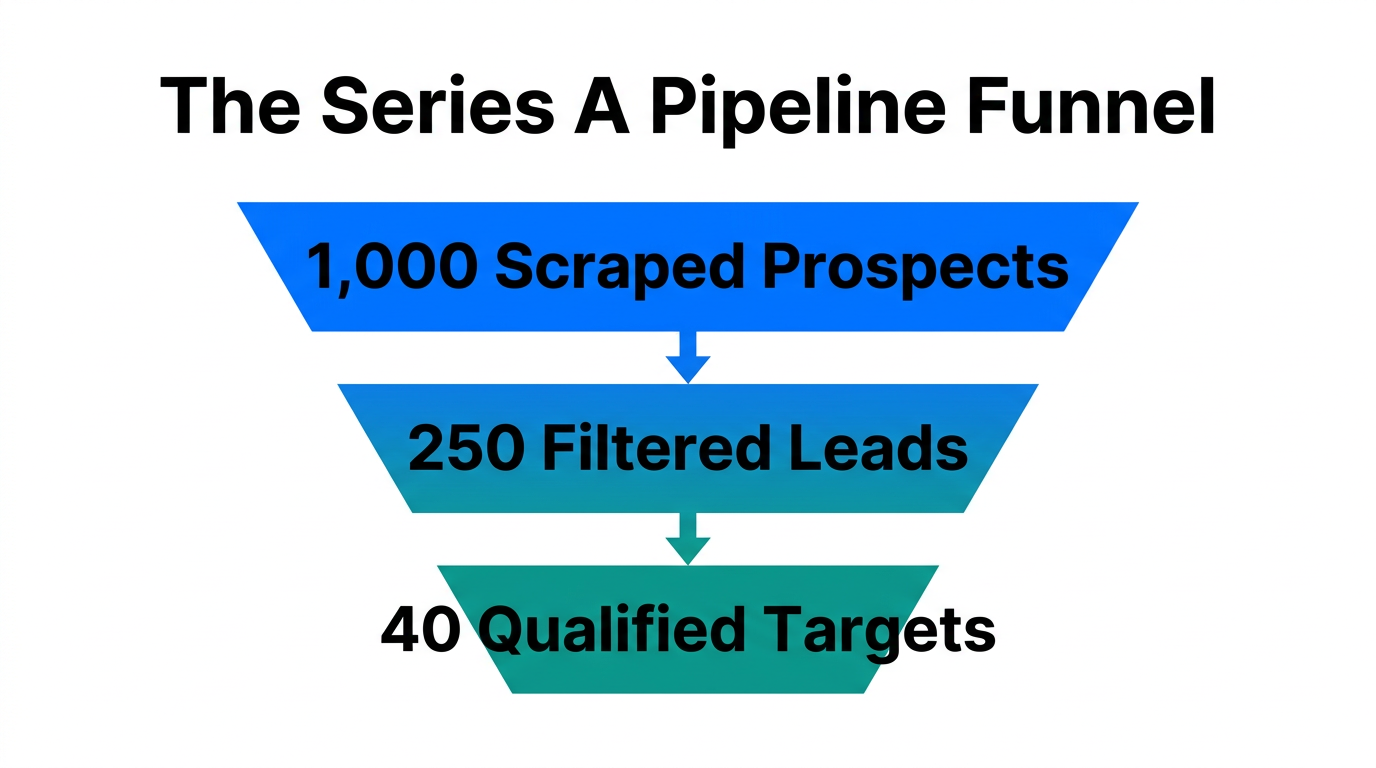
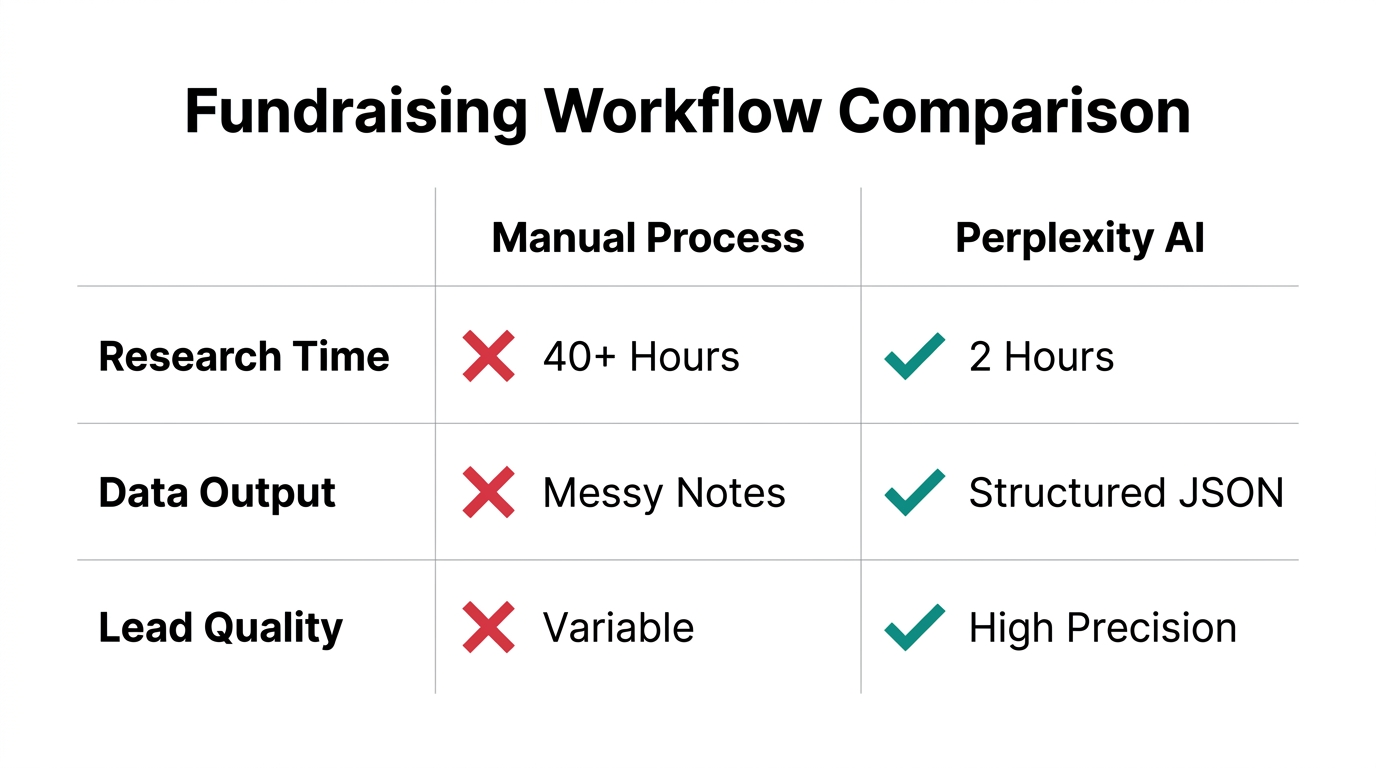
The traditional method of venture capital research involves dozens of open tabs, messy spreadsheets, and outdated databases. You search for a firm, look at their portfolio, try to guess their current fund size, and hunt for a partner's email on LinkedIn. It’s slow, prone to error, and lacks the real-time context needed to stand out in a crowded inbox.
With the release of Perplexity Computer (currently available on the $200/month Max plan), founders can spin up virtual agents that browse the live web, execute code, and manage multi-step workflows. Instead of researching one VC at a time, you can now process 50+ firms in parallel, extracting fund sizes, recent check sizes, and investment theses from recent interviews or social media activity on X.
"This is literally a marketing person's or an investment analyst's old job. Point blank. It’s an unfair advantage that turns a computer into a persistent intelligence agent."Step 1: Conducting Batch Research Across 50+ VC Firms
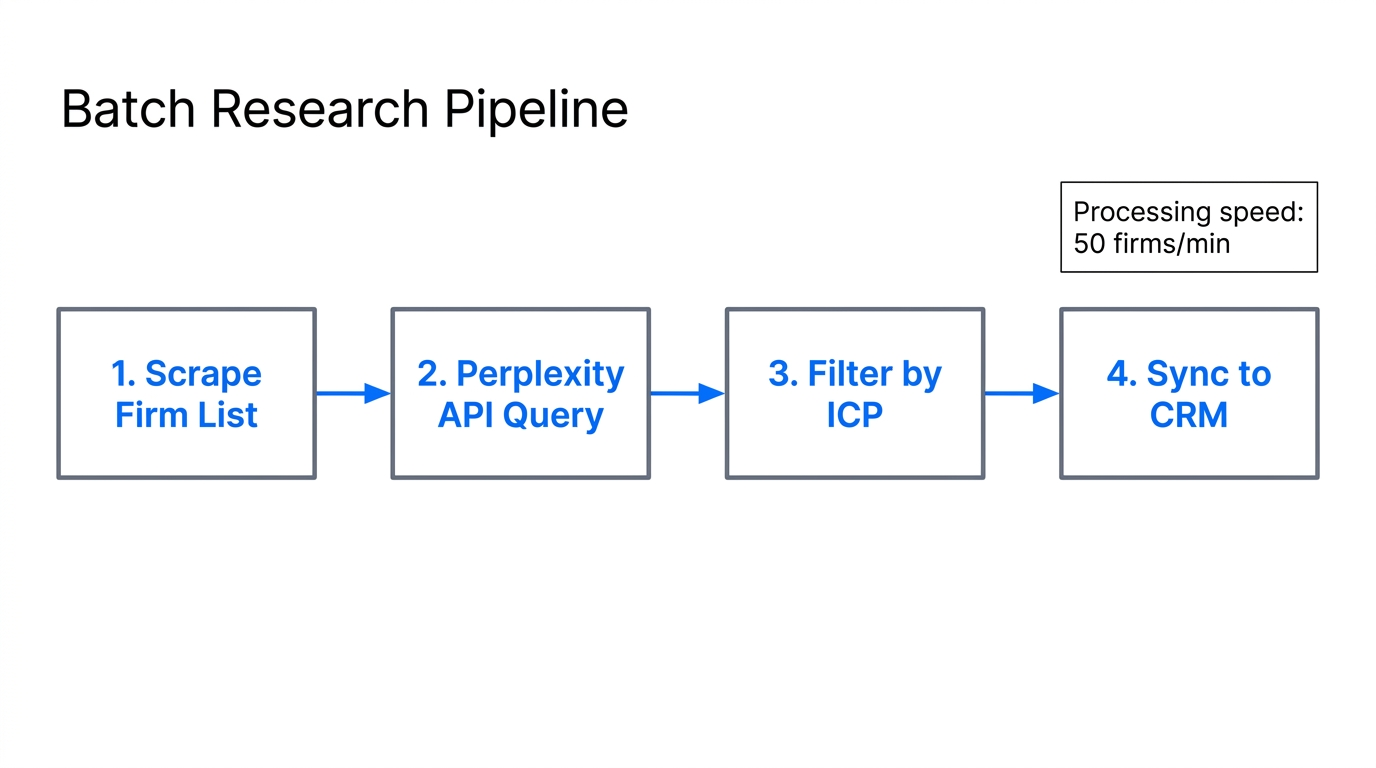
The first step in any series a fundraising effort is building a robust list of targets. However, not all VCs are created equal. You need to know if they have