In the high-stakes world of mobile app development, 2026 has proven that the traditional 'build it and they will come' mentality is a relic of the past. Success today isn't just about the code; it's about the curiosity you cultivate before the first download ever happens. When Ombberto, the founder of Floa, sat down with Pat Walls on Starter Story, he revealed a blueprint that sounds almost too good to be true: generating over $100,000 in revenue in just 24 hours for a yoga application. This wasn't luck—it was a meticulously crafted app launch email sequence designed to build tension, educate users, and trigger an explosion of sales on launch day.
The Psychology of the 'Red Curtain' Reveal
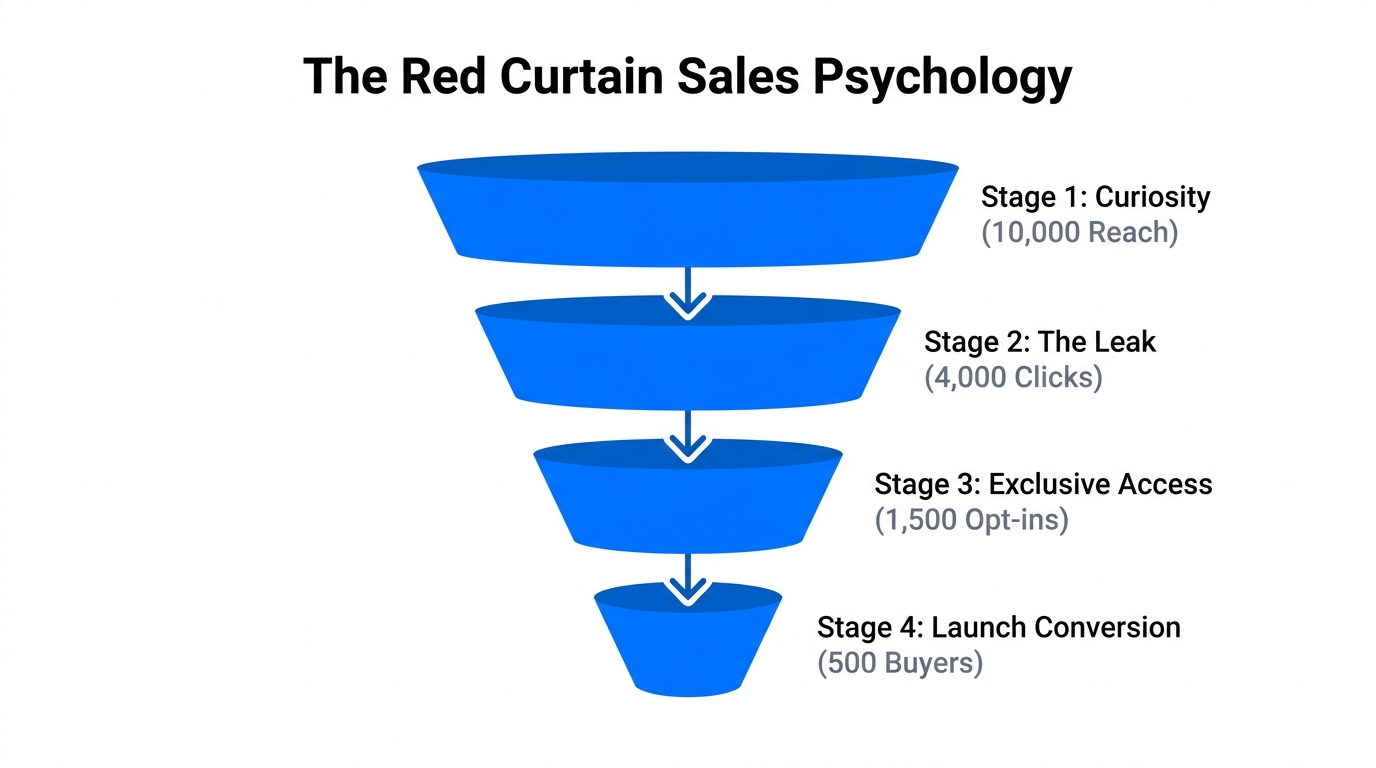
Most marketers make the mistake of showing their hand too early. They announce the app, show the features, and ask for the sale in the same breath. Ombberto’s strategy, inspired by his background in physical product launches on Kickstarter, uses what we call the 'Red Curtain' reveal. Instead of pitching a digital product, he started with storytelling. He focused on the why—the evolution from a physical yoga card deck to a mindful technology solution—without actually showing the app in the first few emails.
By keeping the 'curtain' closed, you force the audience to lean in. In 2026, where consumer attention is the scarcest resource, curiosity is more valuable than information. You aren't just building a waitlist; you are building a narrative. This is one of those Starter Story marketing tactics that bridges the gap between physical and digital commerce, treating an app launch like a blockbuster movie premiere.
"Perfection is just fear disguised as preparation. Move sooner, ship earlier, and trust the process of learning in public."
Breaking Down the 4-Week Warm-Up Sequence
 20:14
20:14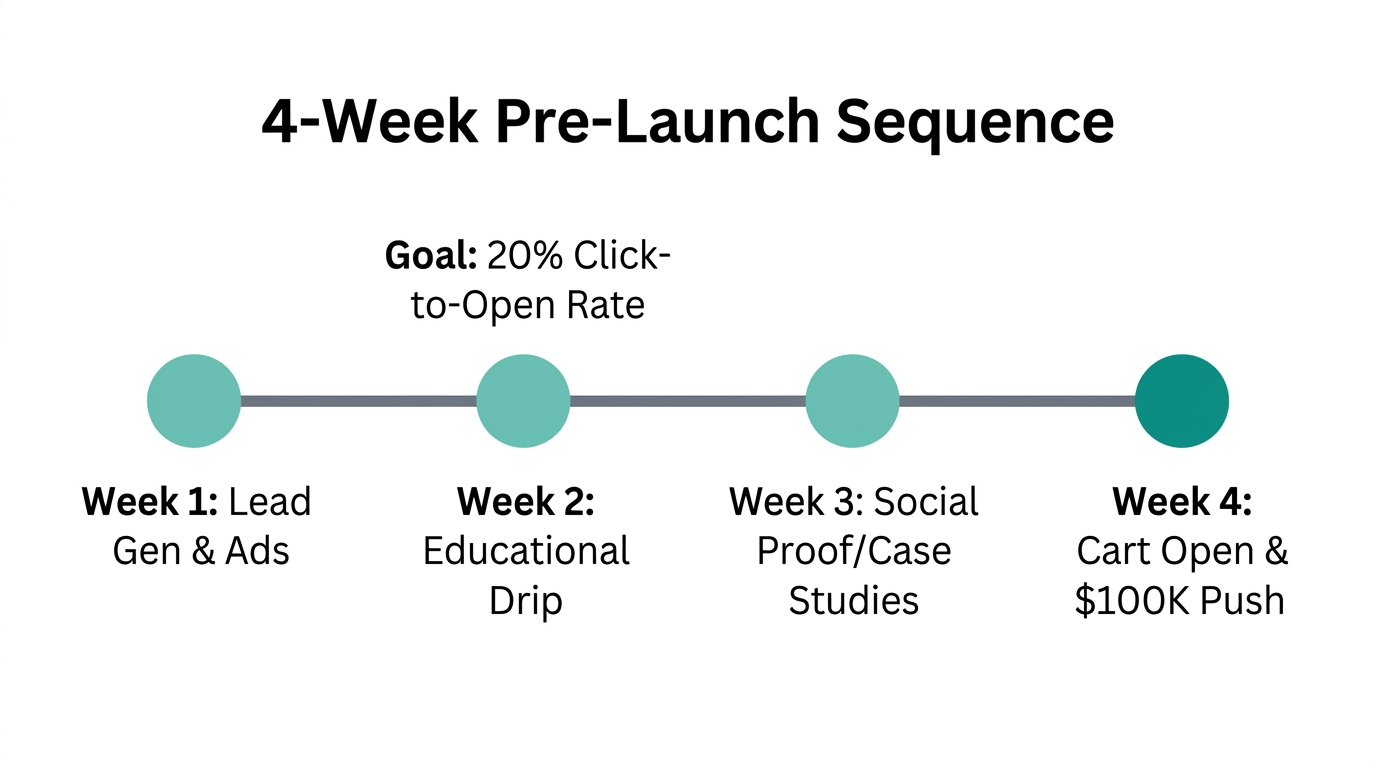
The Floa launch wasn't a single email; it was a month-long psychological journey. A successful pre-launch marketing strategy requires a steady cadence of contact that moves from abstract concepts to concrete value. Here is the breakdown of the sequence Ombberto used to prime his audience for a six-figure day:
- Week 1: The Hint. Subtle storytelling. Share the struggle, the 'ah-ha' moment, and the vision. No screenshots yet. Just the 'Red Curtain'.
- Week 2: The Confusion. Creating a 'plot twist.' Show the old way of doing things vs. a blurred or obscured version of the new way. This sparks questions and engagement.
- Week 3: The Reveal. Pull back the curtain. Show the interface. Explain why it exists and link to a detailed YouTube walkthrough.
- Week 4: The Scarcity. Introduce the Lifetime Deal (LTD) concept. Explain that there are limited spots and a strict time window to create a 'fear of missing out' (FOMO).
Using YouTube Walkthroughs to Build Radical Trust
In the digital space, trust is the primary barrier to purchase. Ombberto overcame this by recording a comprehensive video walkthrough of every feature currently in the app. He didn't hide the limitations; he celebrated them as part of the early-stage journey. By embedding these videos in the email marketing for mobile apps 2026 strategy, he transformed skeptical leads into invested 'early adopters.'
This transparency is crucial when selling Lifetime Deals. Users aren't just buying the current version of the app; they are investing in the future roadmap. When you show the actual interface on platforms like Vimeo or YouTube, you eliminate the 'vaporware' fear that kills most tech launches. For those looking to scale this even further, platforms like Stormy AI can help you discover niche-specific creators to produce these walkthroughs, adding a layer of third-party social proof to your own founder-led content.
The Three-Tier Pricing Psychology
13:57One of the most effective Starter Story marketing tactics discussed was the structure of the Lifetime Deal itself. Rather than a single price point, Ombberto used a three-tier system to anchor value and drive users toward the highest-value option. This isn't just about revenue; it's about capturing different levels of risk tolerance in your audience.
| Tier | Price Point | Value Proposition | Psychological Role |
|---|---|---|---|
| Basic | $109 | Limited feature set for life. | The 'Safe' Entry Point |
| Pro | $199 | Expanded features and updates. | The Comparison Anchor |
| Ultimate | $349 | Full vision + all future features. | The Revenue Driver |
The existence of the $109 and $199 tiers makes the $349 'Ultimate' tier feel like a logical investment for those who believe in the product’s mission. This strategy allows you to collect cash upfront to fund development without giving away equity or control to VCs. In 2026, bootstrapping with an LTD is essentially 'customer-led venture capital.'
Leveraging AI and Modern Tech Stacks
18:09Building a six-figure launch sequence doesn't require a massive marketing team. Ombberto suggests that founders should take successful templates—like those from Floa or other Starter Story case studies—and plug them into an LLM like ChatGPT or Claude. By giving the AI your specific niche, audience pain points, and product features, you can generate a 30-day sequence that feels personal and high-converting in minutes.
Your tech stack should be equally lean to maximize your margins. Floa was built using Flutter, with a backend powered by Firebase (costing only $25/month). They managed subscriptions through RevenueCat and handled push notifications via OneSignal. This 'lean stack' approach ensures that the $100K you make on launch day stays in your bank account, rather than leaking out to expensive infrastructure providers.
"A lifetime buyer has commitment, while a monthly subscriber has optionality. Commitment is what builds a community that actually helps you fix bugs and improve the product."
The 2026 App Launch Playbook
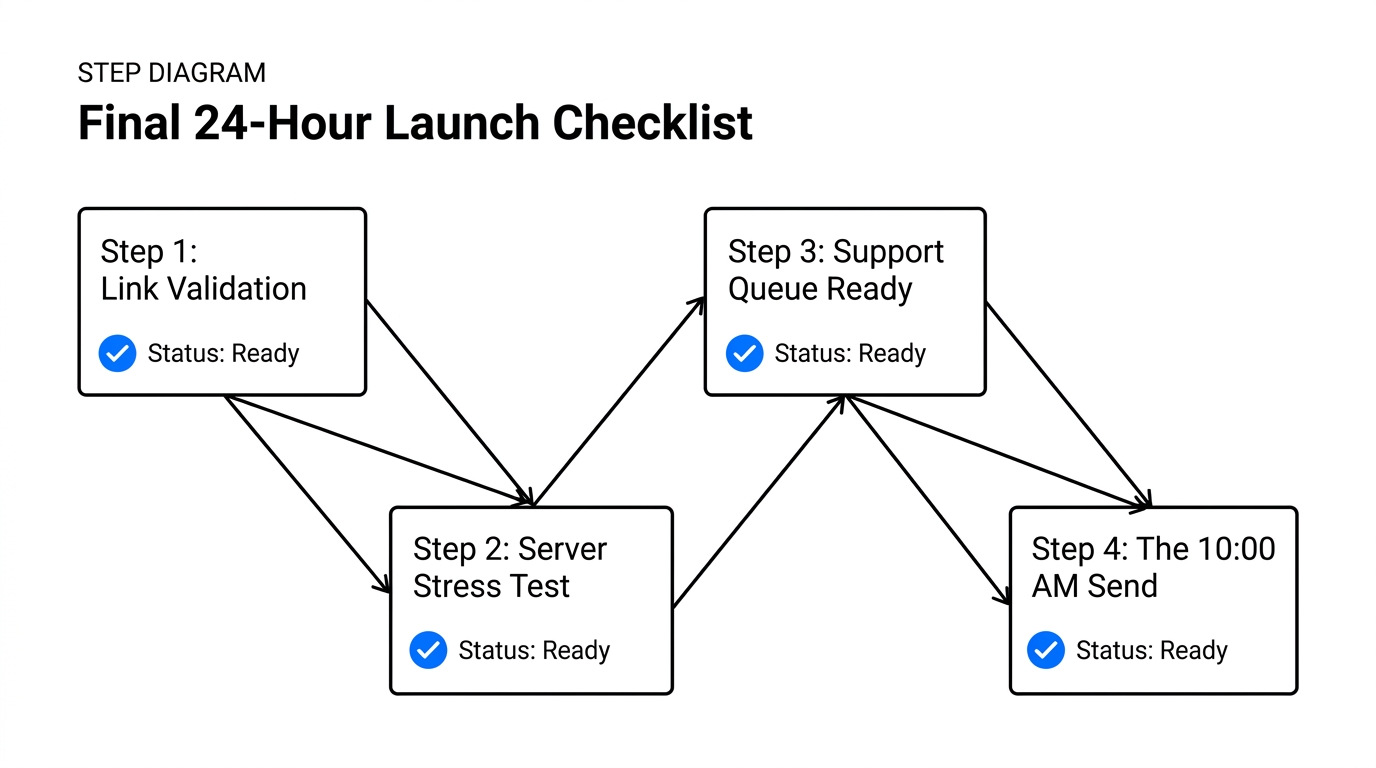
If you are looking at how to build an email waitlist for apps that actually converts, follow this sequential playbook derived from the Floa success story:
- Validate with 'The Mom Test': Before writing code, talk to 10 potential users. Use the principles from The Mom Test to ensure you're solving a real problem, not just a perceived one.
- Define the Minimum Launchable Product: What is the smallest feature set people will pay for *today*?
- Build the Content Buffer: Prepare all emails, Canva graphics, and videos before you start the sequence. Do not write emails on the fly.
- The 7-Day Hard Deadline: Once the launch starts, keep the LTD window to 5-7 days maximum. This forces a decision and eliminates procrastination.
- Recruit UGC Creators: Use an AI-powered search engine like Stormy AI to find creators who can provide authentic testimonials and walkthroughs during your warm-up weeks.
Final Thoughts: The Power of Commitment
The biggest takeaway from the Floa launch isn't the dollar amount—it's the shift in perspective regarding Lifetime Deals. While traditional investors might warn against forgoing recurring revenue, Ombberto proves that for a bootstrapped founder, the capital and feedback from 500 committed lifetime users are worth more than 5,000 fickle monthly subscribers. By implementing a curiosity-driven app launch email sequence, you aren't just selling software; you're inviting a community to build the future of your product alongside you. Start your sequence today, keep the 'Red Curtain' closed, and let the results speak for themselves on launch day.