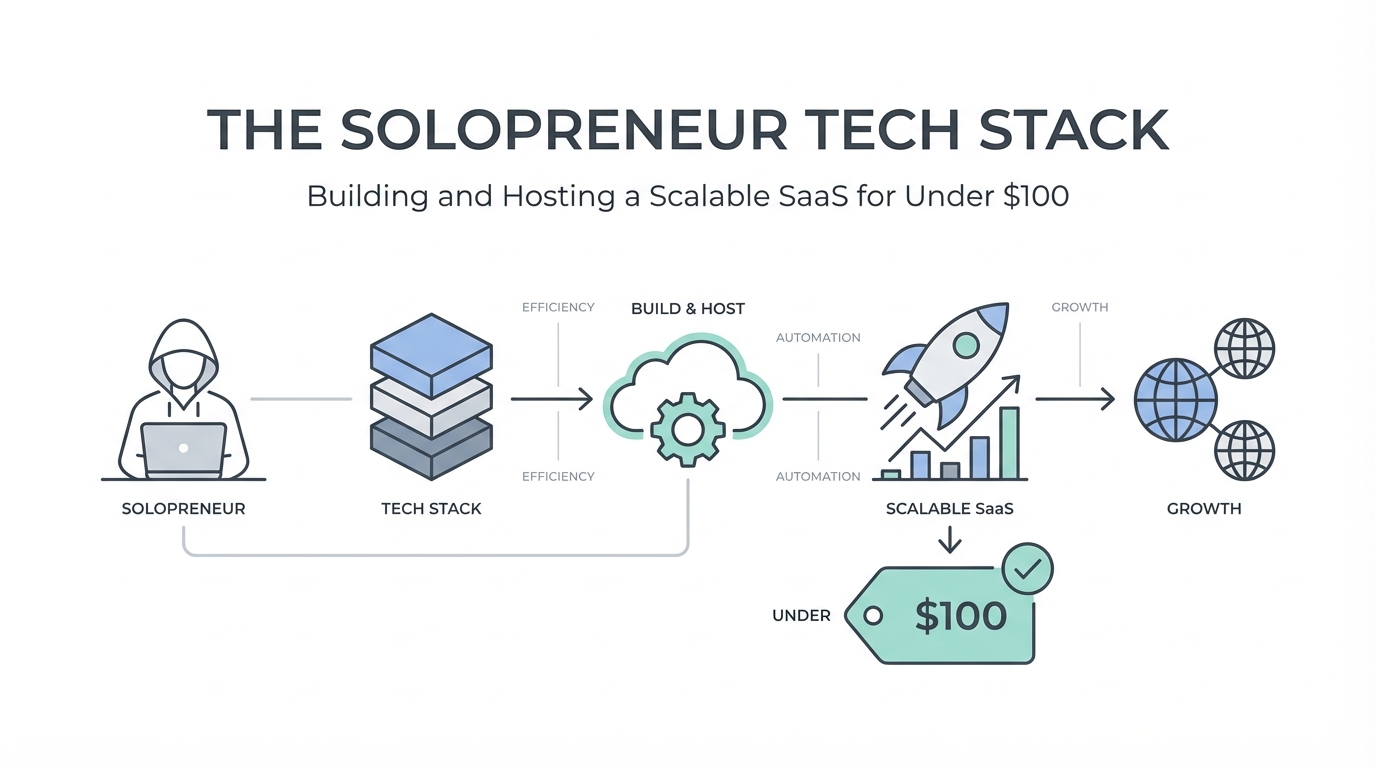
In the world of software development, there is a pervasive myth that building a high-revenue business requires a massive team, complex microservices, and a venture-backed budget. However, developers like Angus Chang are proving that a solopreneur tech stack, when chosen correctly, can power a business generating $40,000 per month in revenue with 97% profit margins. By focusing on a single pain point and leveraging a lean startup tech stack, Angus built Bank Statement Converter—a tool that does exactly what the name suggests—entirely on his own. This transition from a corporate developer to a successful solo founder highlights a shift in priorities: moving away from over-engineering and toward speed, stability, and direct user value.
The Lean Startup Tech Stack Philosophy

The foundation of a successful bootstrapped business isn't the "coolest" or newest database; it is the ability to deliver a working product to users as fast as possible. Angus Chang’s journey began when he realized that converting PDF bank statements into Excel spreadsheets for his own financial planning was unnecessarily difficult. He didn't spend months architecting a solution; he wrote a simple Kotlin-based console application to solve his own problem first. This is the core of saas architecture for beginners: identify a manual, painful task and automate it with the tools you already know.
As detailed in his interview with Starter Story, Angus followed a strict MVP (Minimum Viable Product) framework. He suggests that if you can build an MVP in one or two weeks, the risk of failure is negligible. For solo founders, the goal is to get the product in front of real users—not friends or family who might offer biased praise—to see if they are willing to pay. This lean startup tech stack approach prioritizes functional code over architectural perfection, allowing for rapid pivots based on real-world feedback rather than internal assumptions.
Choosing the Right SaaS Architecture for Beginners
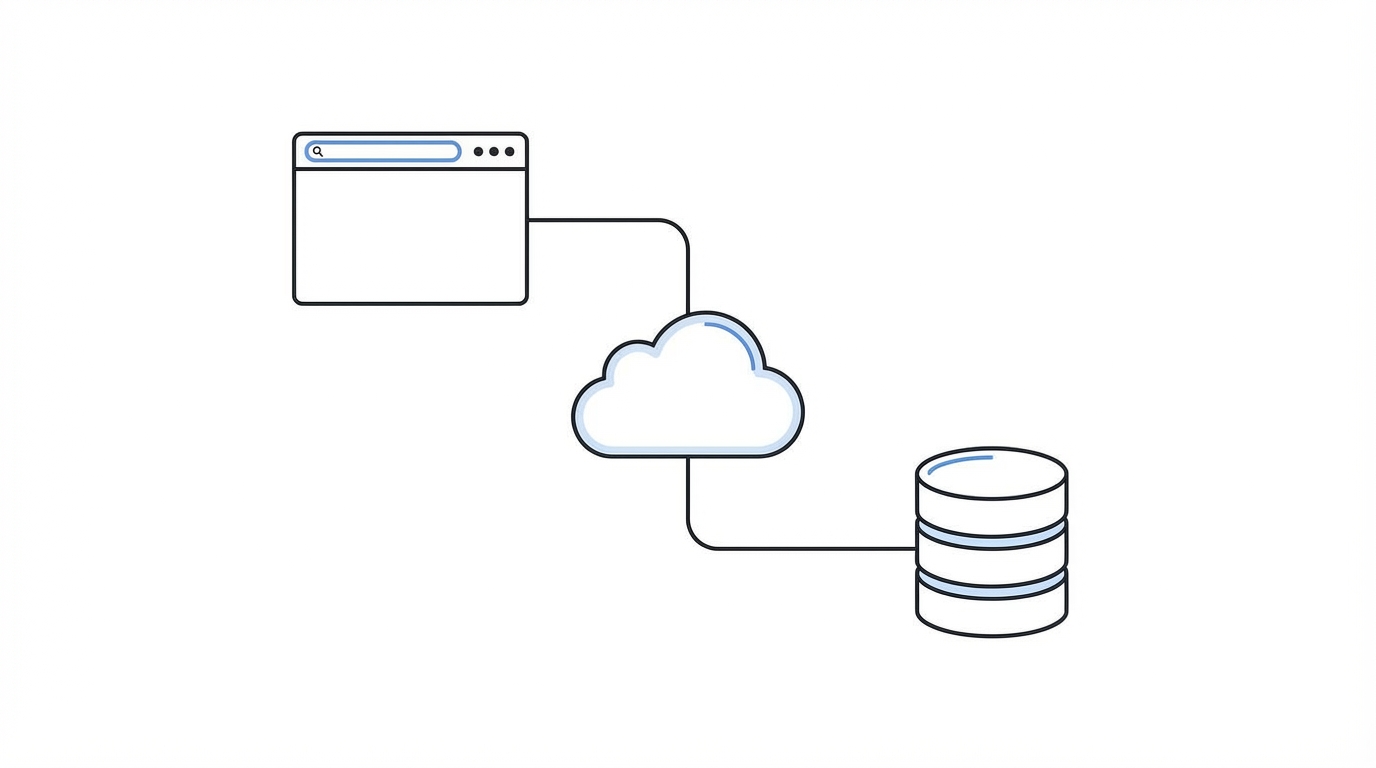
When selecting your tools, the goal is to minimize friction. Angus chose a split architecture: a robust backend engine and a modern, responsive frontend. This separation allows for specialized processing power where it's needed while maintaining a fast, SEO-friendly user interface. For discovery, many founders today are turning to AI-powered platforms. For instance, if you are building a tool for financial influencers, Stormy's AI search can help you instantly find creators in specific niches like "finance" or "investing" to test your product concept across TikTok, YouTube, and LinkedIn.
The Frontend: Next JS SaaS
For the user interface, a next js saas approach is highly effective. Next.js provides the speed of a React-based application with the benefits of server-side rendering, which is critical for organic search visibility. Angus collaborated with a friend to build the UI in Next.js, ensuring that users had a seamless experience when uploading their documents. This framework is a staple in modern bootstrapped saas tools because it handles everything from routing to API endpoints in a single, cohesive environment.
The Backend: Kotlin and the JVM
While many web developers default to Node.js, Angus utilized Kotlin, a JVM-based language, for the core conversion engine. Kotlin offers the stability and performance required for heavy document processing tasks. By keeping the core logic in a statically typed language, the app remains reliable even as it scales to handle 40,000 monthly visitors. This technical choice highlights the importance of using high-performance languages for the "heavy lifting" parts of your SaaS while keeping the web layer light and agile.
How to Deploy a Web App on a Budget: Hosting for Under $100
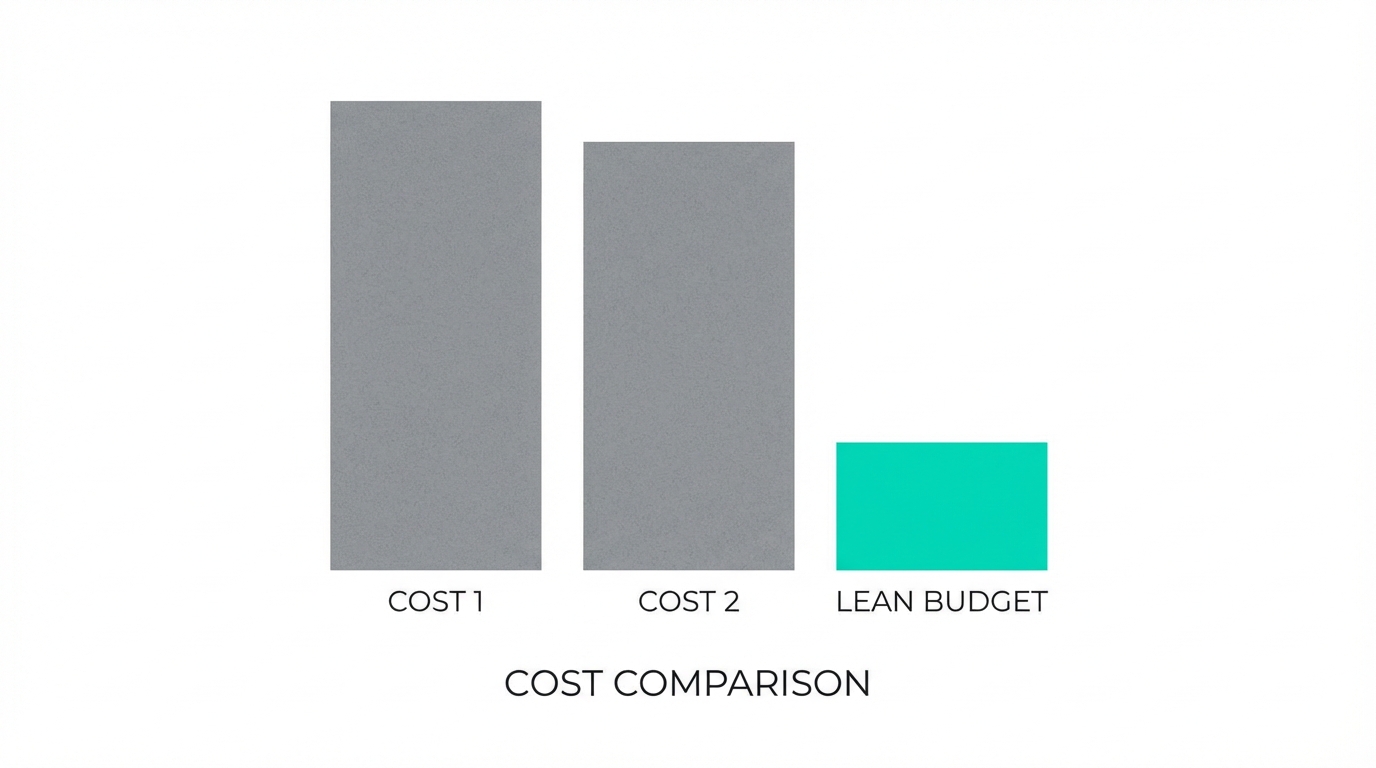
One of the most impressive aspects of Angus’s business is the overhead. Out of $40,000 in monthly revenue, nearly $39,000 is pure profit. Achieving these margins requires a highly optimized hosting strategy. When considering how to deploy a web app as a solopreneur, you should look for services that offer high degrees of automation and low maintenance costs.
- Netlify for Frontend: By hosting the Next.js frontend on Netlify, Angus benefits from automated deployments and a global CDN. This ensures the site loads quickly for users worldwide without requiring manual server management.
- AWS EC2 for Backend: The Kotlin conversion engine runs on AWS EC2 instances. EC2 provides the raw computing power needed for PDF processing while allowing the founder to pay only for the resources used.
- Scalability: This setup allowed Bank Statement Converter to scale from $200 MRR to $40,000 MRR without a massive overhaul of the infrastructure.
For founders looking to market their newly deployed apps, vetting potential partners is essential. Using Stormy AI for influencer vetting, you can detect fake followers and engagement fraud, ensuring that every dollar you spend on creator collaborations goes toward reaching real potential customers.
Automating Growth and Outreach
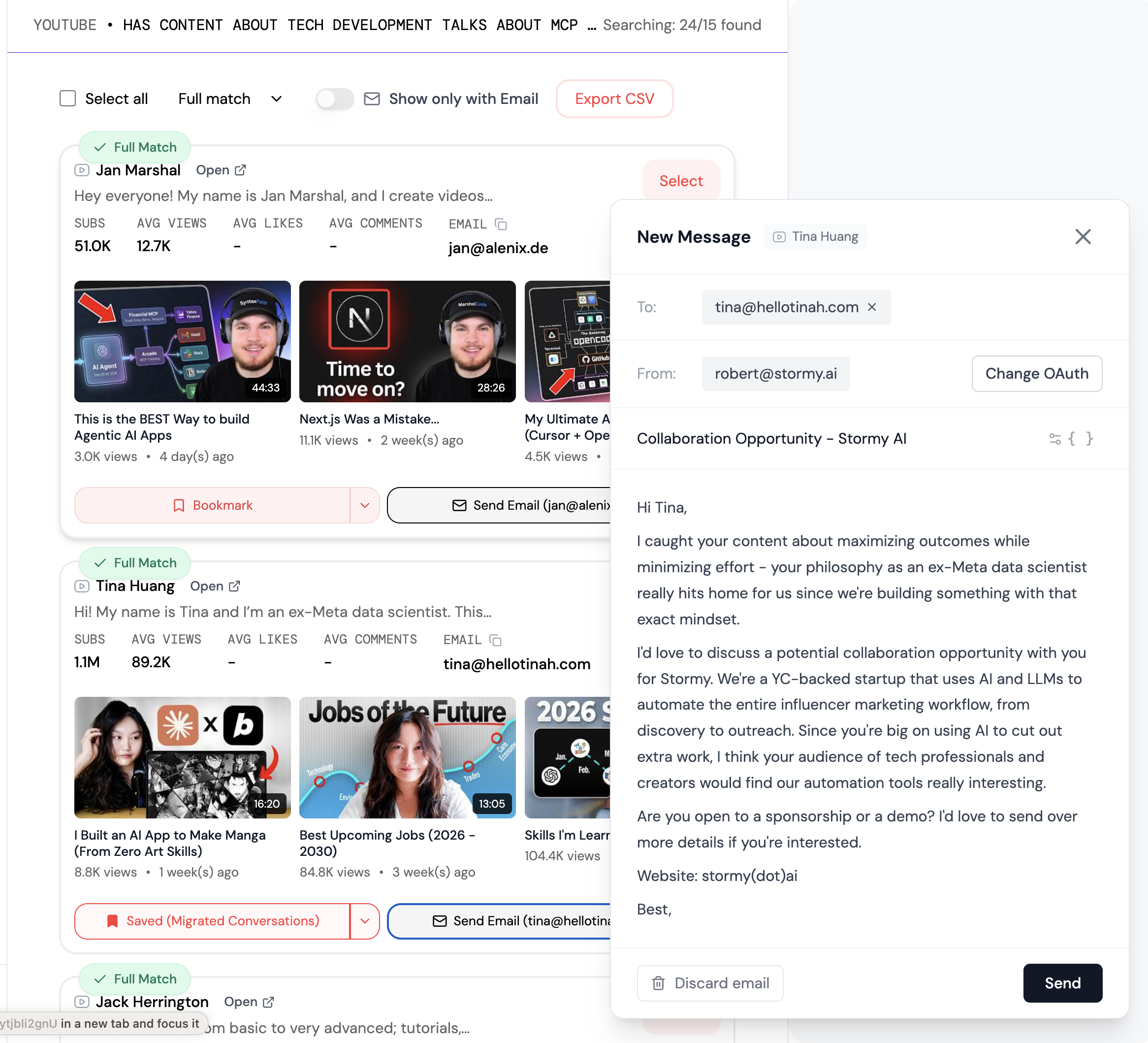
In the early stages, Angus experimented with various marketing tactics, including Google Ads and cold emailing. Interestingly, he found that Google Search Ads were not profitable for his specific niche, often spending $1,000 to bring in $300 in sales. He also noted that manual cold emailing was time-consuming and often met with resistance. Modern solopreneurs can avoid these pitfalls by using AI-driven outreach tools.
Instead of manual messaging, Stormy's AI outreach allows founders to contact creators instantly with hyper-personalized emails generated specifically for each influencer. The platform’s AI agent can even handle follow-ups automatically while you sleep, which is a significant advantage for a solo founder who needs to manage development and support simultaneously. Angus eventually found success by focusing on organic growth—improving the product based on real user feedback until the tool became so effective that users found it naturally through search and word-of-mouth.
Managing SaaS Operations as a Solo Founder
Scaling a business to 75,000 total users and 1,000 paying customers requires efficient operational tools. Angus relies on a few key bootstrapped saas tools to handle the administrative side of the business. By automating these processes, he can maintain his 97% profit margin without hiring employees.
Transactional Emails and Payments
For communication, Angus uses Brevo (formerly Sendinblue) to handle transactional emails. This ensures that users receive their converted files and receipts instantly. For payments, Stripe serves as the backbone, handling complex subscription logic and global transactions with minimal setup. These tools are essential for any lean startup tech stack because they remove the need for building custom billing or mailing systems from scratch.
Customer Relationship Management
As the business grows, keeping track of high-value users and potential partners becomes a challenge. While Angus manages much of this himself, using a dedicated Stormy AI creator CRM can help solopreneurs track interactions, negotiations, and collaboration history in one place. This is particularly useful for founders who want to transition from a pure self-serve model to more strategic partnerships with influencers and content creators across platforms like TikTok Shop and LinkedIn.
The Playbook: Building Your Lean SaaS
If you are ready to start your own journey, follow this saas architecture for beginners playbook to keep your costs low and your momentum high.
Step 1: Solve a Narrow, High-Frequency Pain Point
Don't try to build the next social network. Look for tasks that are currently manual, boring, and high-frequency, like file conversion, data scraping, or report generation. Angus’s success came from a tool that does just one thing exceptionally well.
Step 2: Use a Proven Tech Stack
Stick to reliable frameworks. Use a next js saas setup for your frontend to ensure SEO performance and a familiar development environment. For your backend, choose a language that you are productive in, whether it’s Kotlin, Python, or Go. Host your frontend on a platform like Netlify and your backend on a scalable cloud provider like AWS.
Step 3: Focus on Organic Traffic Over Paid Ads
Paid ads can be a "leaky bucket" for bootstrapped startups. Focus on improving the product and optimizing for search engines. Listen to your first 100 users, fix their complaints immediately, and build the features they actually ask for. This creates a feedback loop that drives organic growth without increasing your marketing spend.
Step 4: Automate Everything Possible
Use tools like Stripe for payments, Brevo for emails, and AI-driven platforms for creator management. By automating your outreach and tracking, you can maintain the lifestyle benefits of being a solopreneur—like Angus's preference for morning hikes—while your business continues to generate revenue in the background.
The Long Game of Solopreneurship
The story of Bank Statement Converter is a testament to the power of persistence. Angus spent two years working extremely hard for very little pay before the business reached its current heights. He advises new founders to save enough money to survive multiple years of no income. SaaS is an excellent business model, but it is a marathon, not a sprint. By avoiding the distractions of social media and focusing entirely on the product, you can build a scalable, high-margin business that provides both financial freedom and a flexible lifestyle.
As you scale, monitoring your impact is vital. Using Stormy's post tracking allows you to monitor views, likes, and engagement on the content that mentions your product, giving you the data you need to double down on what works. Whether you are just starting with a lean startup tech stack or you are looking to optimize an existing SaaS, the key is to stay lean, stay focused, and keep solving real problems for real people.