Building a profitable product often feels like a pipe dream for those who don't consider themselves elite coders. However, the modern saas business model has shifted. You no longer need a massive engineering team to reach $15,000 in Monthly Recurring Revenue (MRR). By focusing on a lean solopreneur tech stack and high-leverage automation, founders like Fernando are proving that an "average" coder can build a lifestyle business with 90% profit margins while working only four hours a day. The secret isn't in complex code, but in solving specific problems for a tiny sliver of a massive market.
The Anti-Agency Model: From Client Work to Autonomy
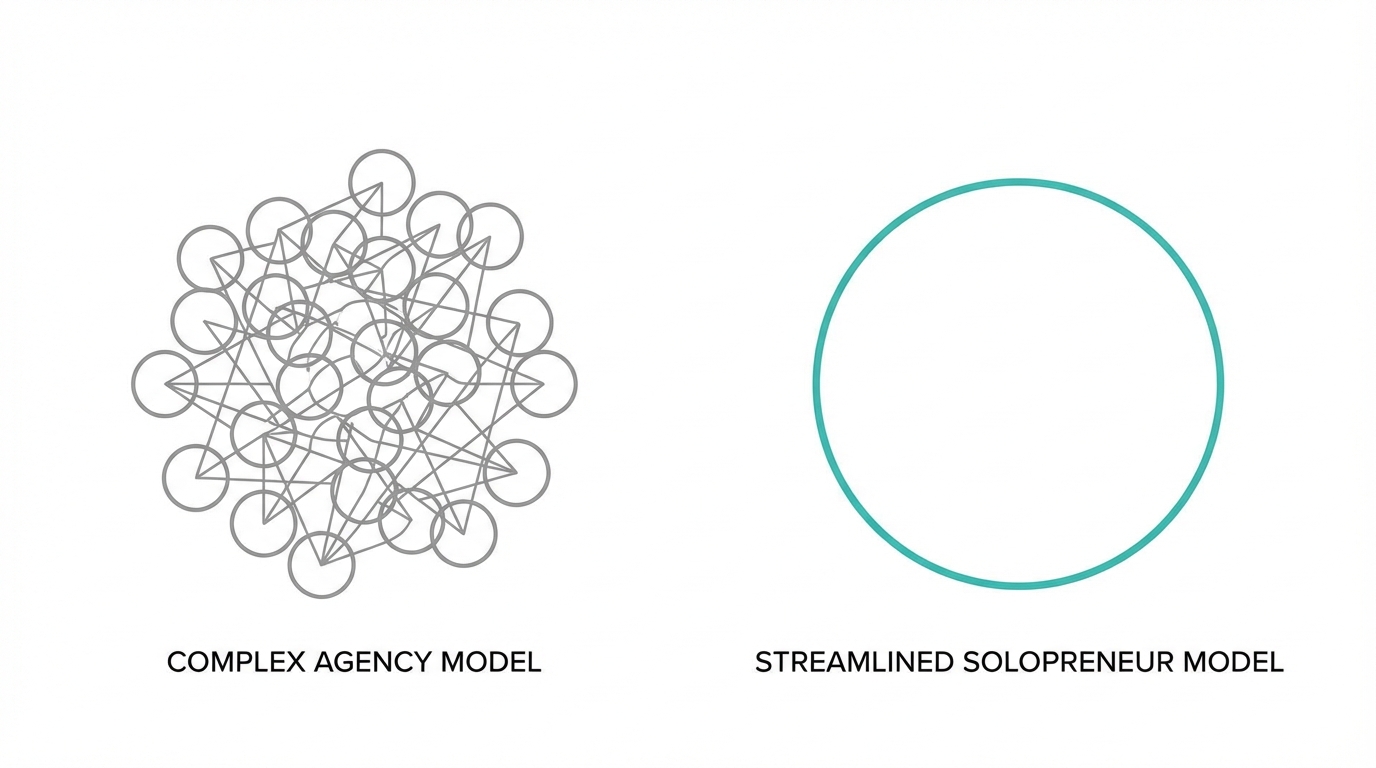
Many entrepreneurs begin their journey in the agency world, trading hours for dollars. While lucrative, this model often leads to burnout and a lack of true autonomy. Fernando spent over a decade running an agency before realizing that lifestyle business automation was the only way to reclaim his time. The shift from an agency to a saas business model requires moving away from customized client requests and toward a scalable, automated product. According to research from Starter Story, the goal is to build a product that functions as a "time-saver" rather than a service. Modern benchmarks from SaaS Capital suggest that high-performing lean startups should aim for gross margins above 80%.
The key to making this transition work is to niche down as much as possible. In a world dominated by giants like Canva, a solopreneur cannot win by being a generalist. Instead, they should aim for 0.1% of the market. By serving a hyper-specific need—like a social media carousel generator or a minimalist resume builder—you can provide a better experience than a bloated, all-in-one platform. This laser focus is what allows a solo founder to increase saas profit margins by keeping operations simple and overhead low.
Finding Winning Ideas in Validated Markets
Validation is often the biggest hurdle for new founders. Rather than trying to invent a completely new category, the most successful solopreneurs look for markets that are already validated. If people are already paying for a solution, it proves there is demand. The trick is to find a way to make that solution simpler, faster, or more accessible. For example, ResumeMaker.online succeeded because it removed the friction of signing up before seeing a design, a common pain point in the industry.
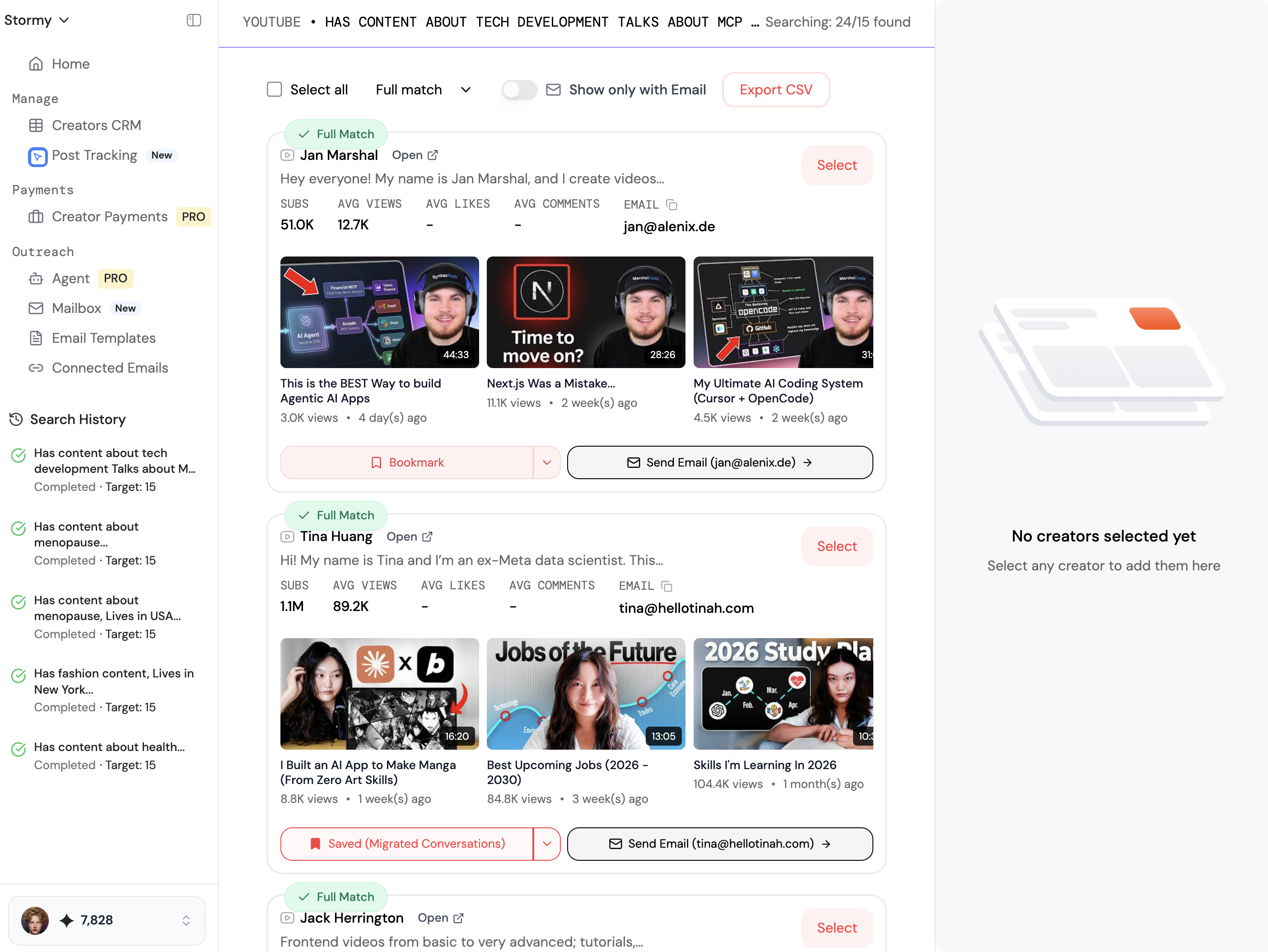
When you are exploring these niches, you need data to back up your intuition. Using Stormy's AI search can help you discover which creators and influencers are currently dominating specific niches on platforms like TikTok and Instagram. By identifying where the attention is shifting, you can position your no-code saas tools to solve the specific problems those creators face, such as content formatting or lead generation.
The Lean Solopreneur Tech Stack: Building with No-Code
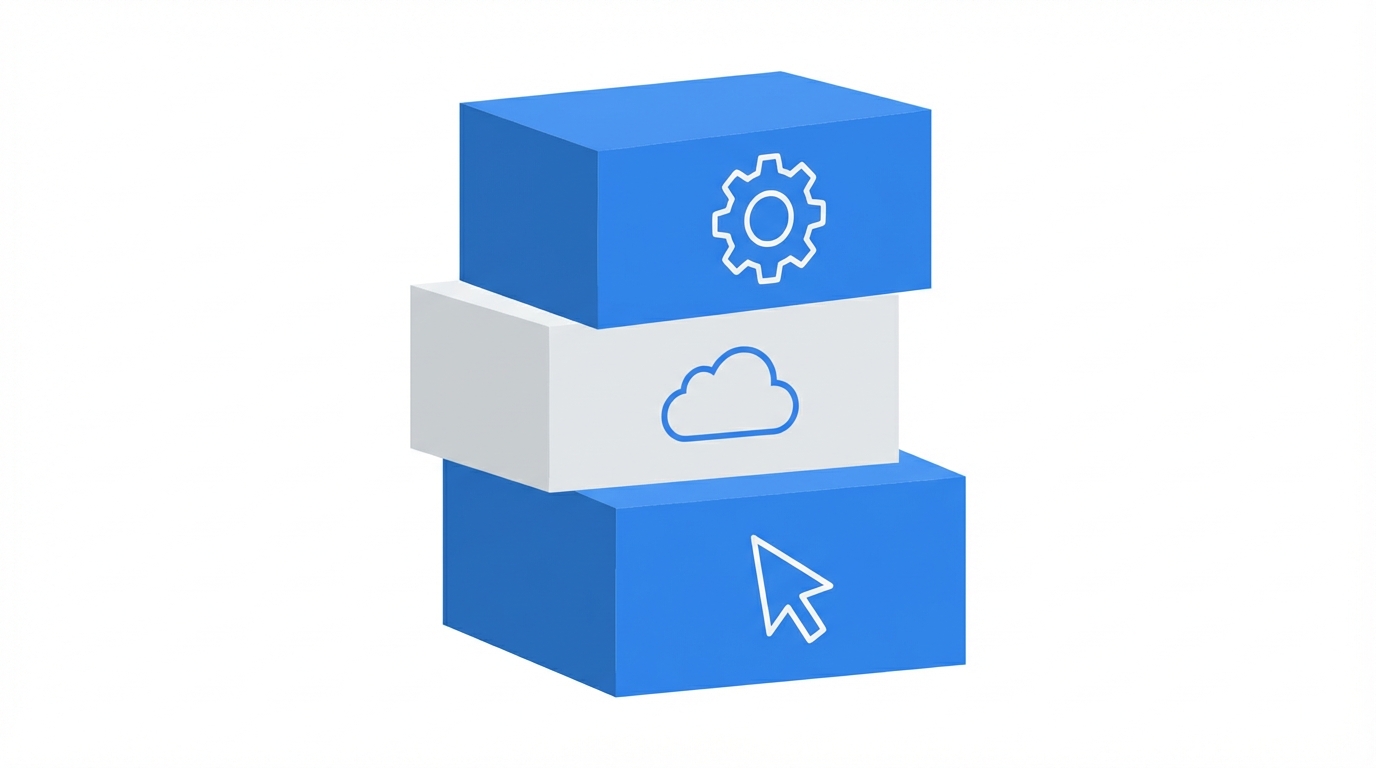
To maintain 90% profit margins, your solopreneur tech stack must be extremely lean. The goal is to spend less than $1,000 per month on infrastructure. This is where no-code saas tools become a competitive advantage. Instead of building custom billing systems, authentication, and CRMs from scratch, successful founders leverage platforms that handle the heavy lifting. This allows the founder to remain focused on the core product value rather than repetitive administrative tasks.
- Billing & Subscriptions: Outseta is a favorite among indie hackers because it combines CRM, billing, and email marketing into one tool.
- Product Roadmap & Organization: Notion acts as the central nervous system for the business, tracking everything from feature requests to bug reports.
- Development: Using minimal code or no-code saas tools allows for rapid iteration, which is essential during a "Build in Public" challenge.
By keeping the stack simple, you avoid the complexity that usually requires hiring employees. When your operations are this streamlined, your primary costs are just hosting and software subscriptions, which is the most effective way to increase saas profit margins over the long term. Many founders also utilize Indie Hackers to find inspiration for their minimalist tech stacks.
Distribution: SEO and the Power of Free Tools
A great product is useless without distribution. For many solopreneurs, SEO is the primary growth engine. However, you don't need to be an SEO expert to win. A highly effective strategy is to build free side-project tools that serve as natural extensions of your main product. Fernando, the creator of AI Carousels, built nearly 30 free tools to drive traffic to his main SaaS. These tools act as high-intent lead magnets that rank easily for specific long-tail keywords.
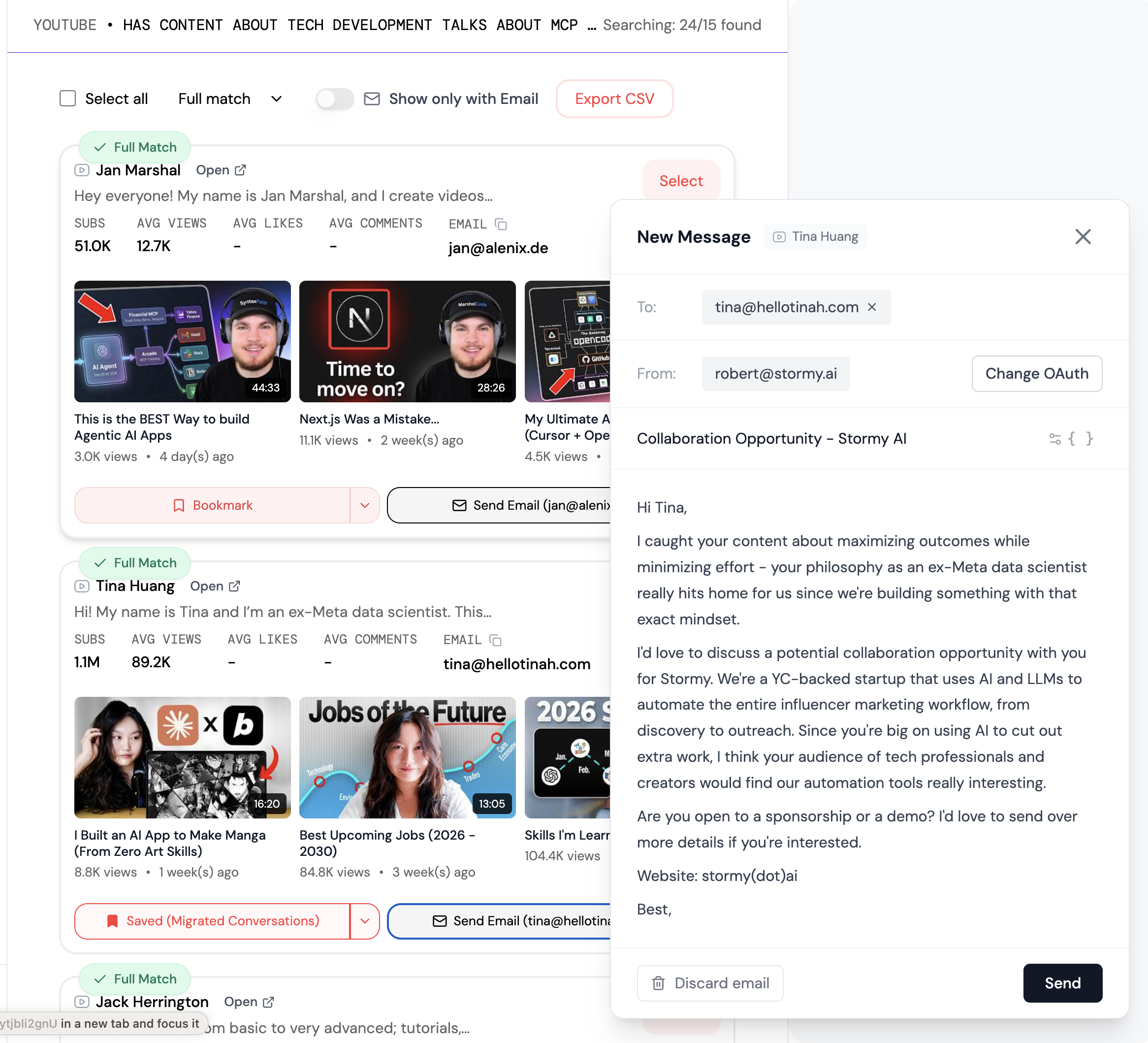
Beyond search engines, influencer marketing provides a massive boost. To find the right partners without getting bogged down in manual work, Stormy's AI outreach can automate the discovery and contact process. By connecting your Gmail accounts to an AI agent, you can reach out to dozens of relevant creators every day while you sleep. This level of lifestyle business automation ensures that your top-of-funnel traffic grows without requiring your constant presence.
Customer Support as a Competitive Advantage
In a world of faceless corporations, being a solopreneur is a feature, not a bug. Embracing the "founder-led" support model builds a level of customer loyalty that big companies like Canva can't replicate. When a user reports a bug and the founder fixes it within an hour, that user becomes a fan for life. This direct feedback loop is also a "cheat code" for product development, as it tells you exactly what features to build next.
To manage these relationships effectively, you need a system that doesn't feel like a cold ticketing queue. Using Stormy's creator CRM allows you to track interactions with power users and affiliates in one place. By personalizing your communication—using "I" instead of "we" and being transparent about your solo status—you leverage the human element of your business to reduce churn and improve retention.
Transitioning Revenue Models: One-Time vs. Recurring
Deciding on a pricing strategy is critical for long-term sustainability. While one-time purchases make sense for certain tools, they force the founder to "start at zero" every month, which can be mentally taxing. Transitioning to a subscription-based saas business model provides predictability and increases the overall valuation of the company. Even if churn is high—which is common in B2C—the recurring revenue floor allows for better financial planning.
Fernando found that offering a freemium model was the best way to gain initial traction. Users can try the product for free, but must upgrade to unlock pro features and AI capabilities. To further increase saas profit margins, you can implement an affiliate program. This turns your existing users into a secondary sales force, allowing you to pay for performance rather than upfront ad spend on platforms like Meta Ads.
The 4-Hour Deep Work Rule and Lifestyle Optimization
The ultimate goal of lifestyle business automation is to work less while earning more. Implementing a 4-hour deep work rule, a concept popularized by Cal Newport, forces you to be intentional with your to-do list. When you have a hard constraint on your time, you stop wasting hours on low-impact tasks and focus entirely on what moves the needle. This constraint actually improves business performance because it provides the mental clarity needed to make better strategic decisions.
Working in short, intense bursts in the morning leaves the rest of the day open for family, travel, and personal hobbies. This isn't just about laziness; it's about preventing burnout and maintaining the creative energy required to run a business solo. As Fernando notes, the business does better when the founder feels better. By optimizing for lifestyle rather than just raw revenue, you create a sustainable career that you won't want to escape from.
Conclusion: Building Your Own High-Margin Future
Success as a solopreneur doesn't require a 100-person team or a million lines of code. It requires a lean tech stack, a validated niche, and the discipline to automate the repetitive parts of your business. By focusing on 0.1% of a market and using no-code saas tools, you can build a highly profitable saas business model that supports your desired lifestyle. Whether you are using Stormy's influencer analysis to vet your distribution partners or Stripe to handle your global payments, the tools to reach $15k MRR are more accessible than ever before. The only thing left is to take action and start building in public.