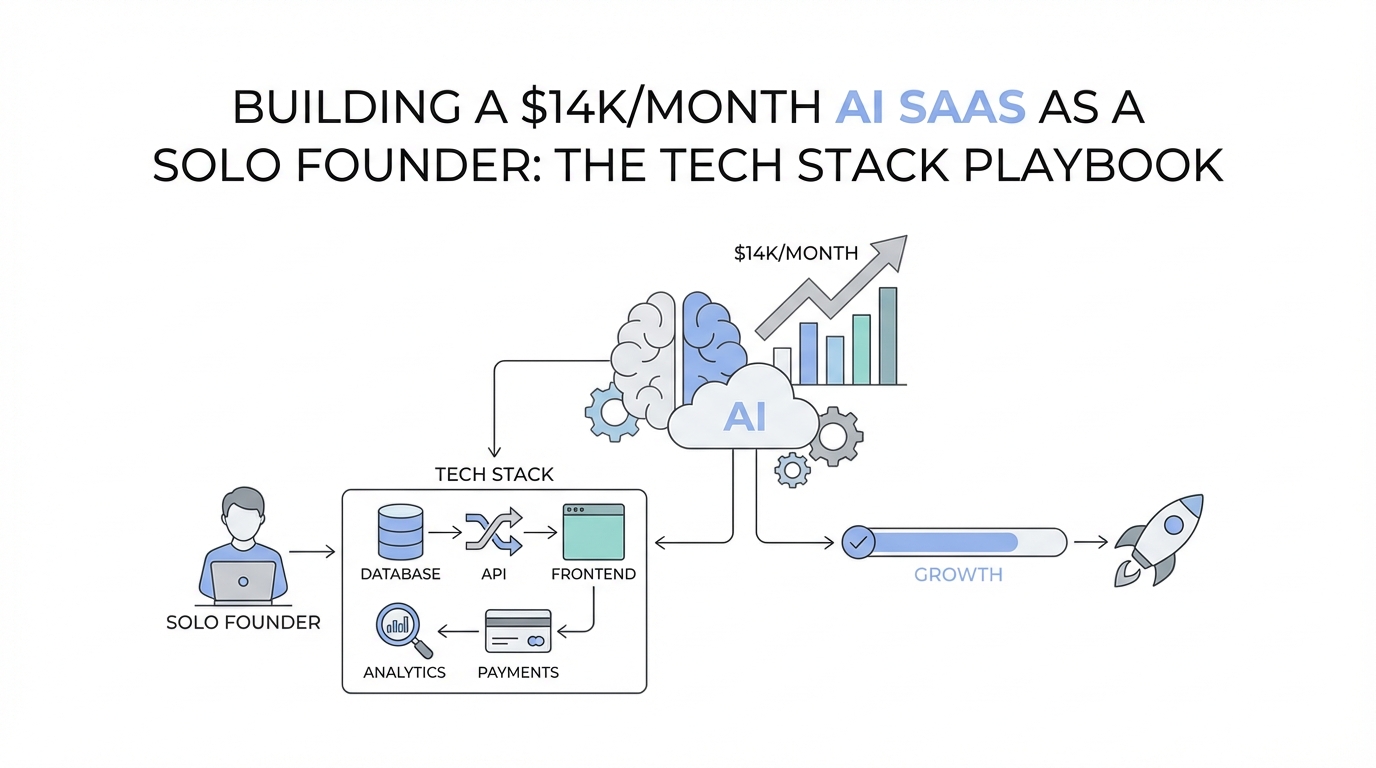
In March 2025, a trained diplomat named Dennis did something that most aspiring entrepreneurs only dream of: he launched a software business that reached $4,000 in revenue in its first month. By month seven, that figure had climbed to over $14,000 Monthly Recurring Revenue (MRR). The most surprising part? Dennis is a self-taught developer who built the initial prototype of his app, Yataphone, in a single weekend. His journey provides a masterclass in how to build SaaS with AI and leverage a modern solo founder tech stack to disrupt markets dominated by industry giants.
The Self-Taught Journey: From Diplomat to $14K MRR
Before becoming a successful founder, Dennis was training for a career in diplomacy. Realizing the traditional corporate path wasn't for him, he spent two months teaching himself to code using books and online courses. Like many who aim to find profitable saas ideas 2025, his first few projects were, in his own words, "ugly" and lacked users. However, each failure was a stepping stone. He refined his design skills, improved his code reliability, and waited for the right opportunity to strike.
The opportunity arrived via a tweet. When Microsoft announced it was shutting down Skype, industry veterans expressed frustration on X. Dennis saw a gap in a proven market: international calling. While most people use messenger apps for daily chats, businesses, expats, and travelers still need to call government offices or landlines that aren't on WhatsApp. By identifying a market where the competitors were "dinosaurs"—old, slow-moving, and expensive—Dennis was able to position himself as a lean alternative.
The MVP Tech Stack: Building in a Weekend

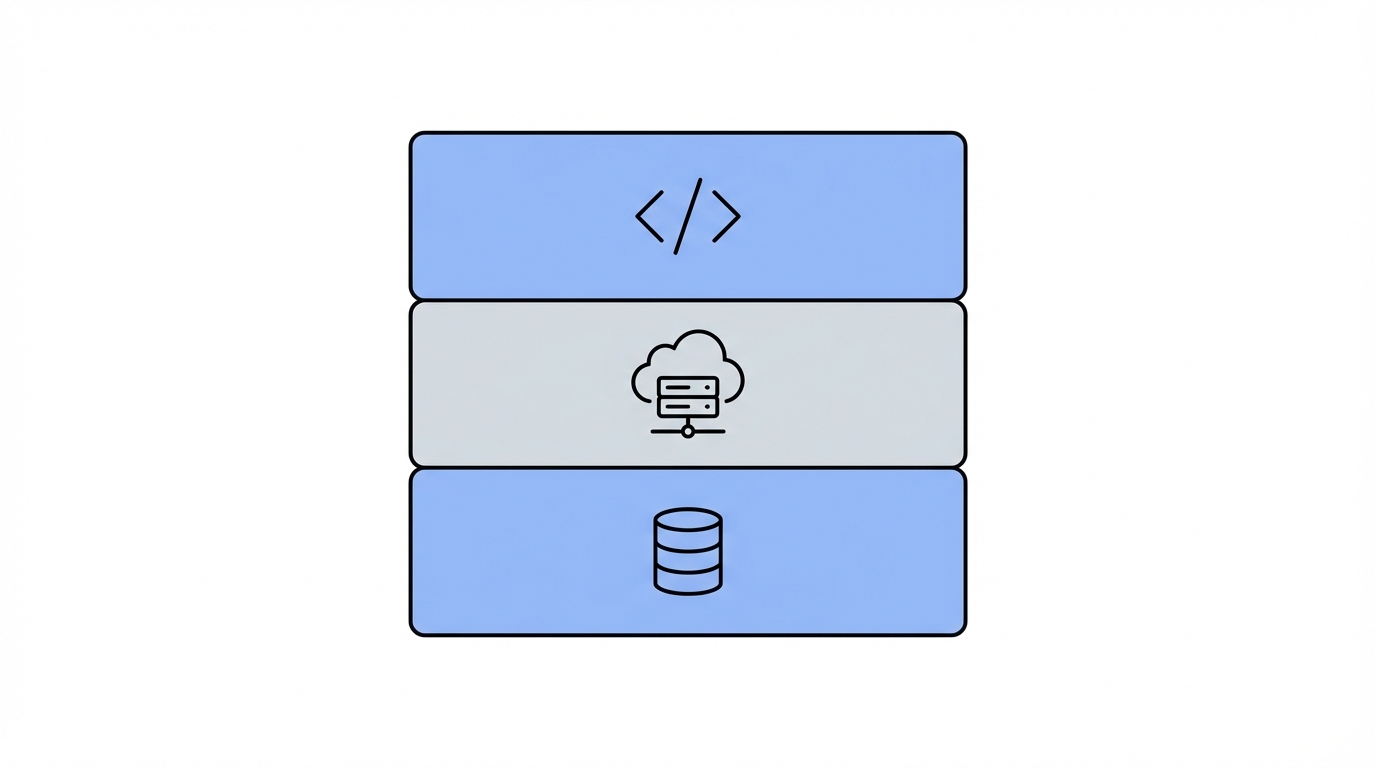
The core of Dennis’s success was his ability to move fast. Instead of over-engineering, he used a streamlined solo founder tech stack designed for speed and scalability. He utilized Next.js as a full-stack framework, which allowed him to handle both the front-end and back-end within a single environment. For hosting, he relied on Vercel, ensuring that his deployment process was seamless and automated.
To speed up the coding process, Dennis leaned heavily on ai coding tools for founders. Specifically, he used Cursor, an AI-powered code editor, to generate components and troubleshoot logic. While AI helps with the heavy lifting, Dennis notes that manual tweaking is still necessary to ensure a polished UI. During this rapid development phase, founders often leverage Stormy AI, an AI-powered search engine that scans TikTok, Instagram, and YouTube to identify what high-performing apps are doing differently to capture user attention and research competitor landscapes instantly.
Pricing as a Moat: Pay-As-You-Go vs. Subscription
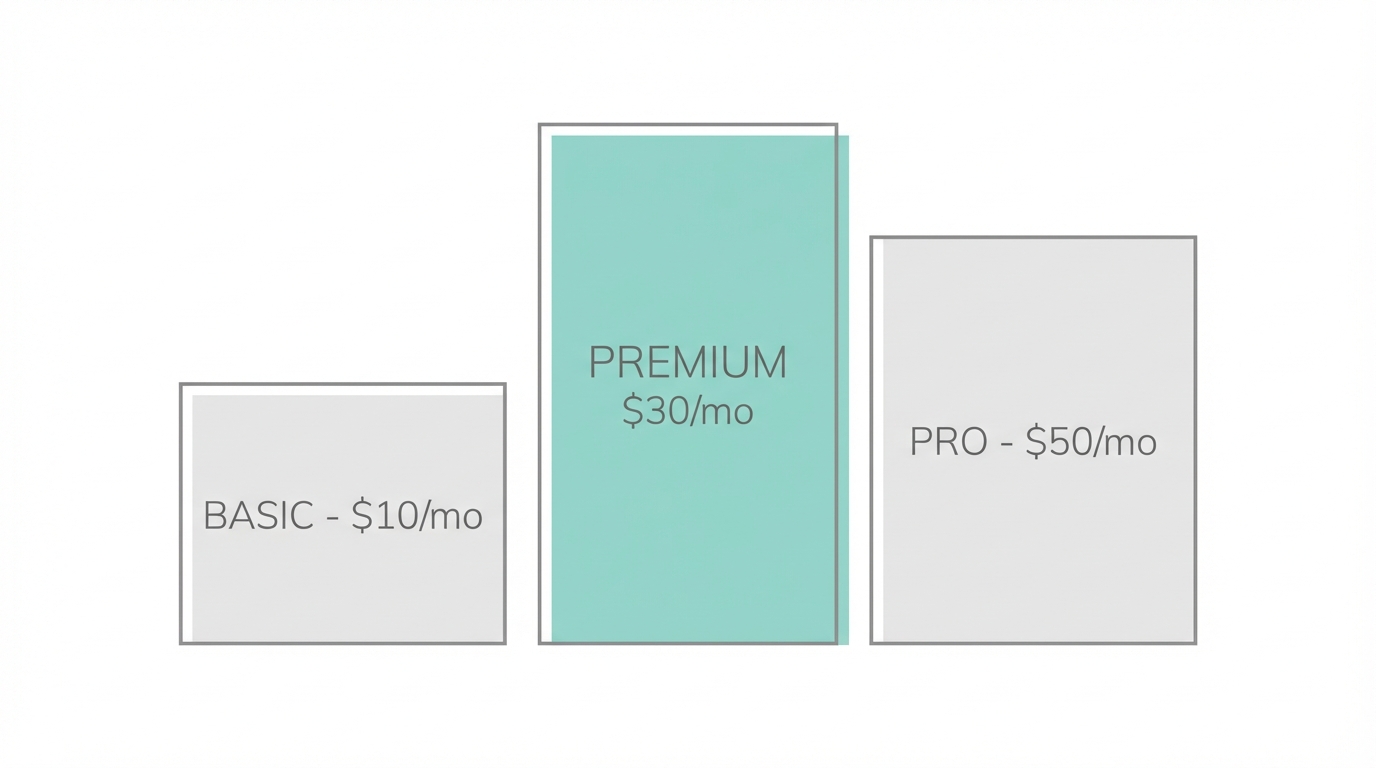
One of the most effective bootstrap saas growth strategies Dennis employed was his pricing model. Most competitors in the VoIP space force users into expensive $30/month subscriptions. For a traveler who only needs to make a single 10-minute call to a bank, this is a massive barrier to entry. Yataphone disrupted this by offering a Pay-As-You-Go model.
By using Stripe to manage credits and payments, Dennis allowed users to top up exactly what they needed. This lowered the friction for individual customers and became a significant selling point for B2B clients. Instead of buying individual seats for every employee, businesses could purchase a central pool of credits that the entire team could draw from. This flexibility helped him secure 20 enterprise clients in just a few months, significantly boosting his MRR with much lower churn rates than the B2C segment.
AI-Driven Operations: Staying Lean as a Solo Founder
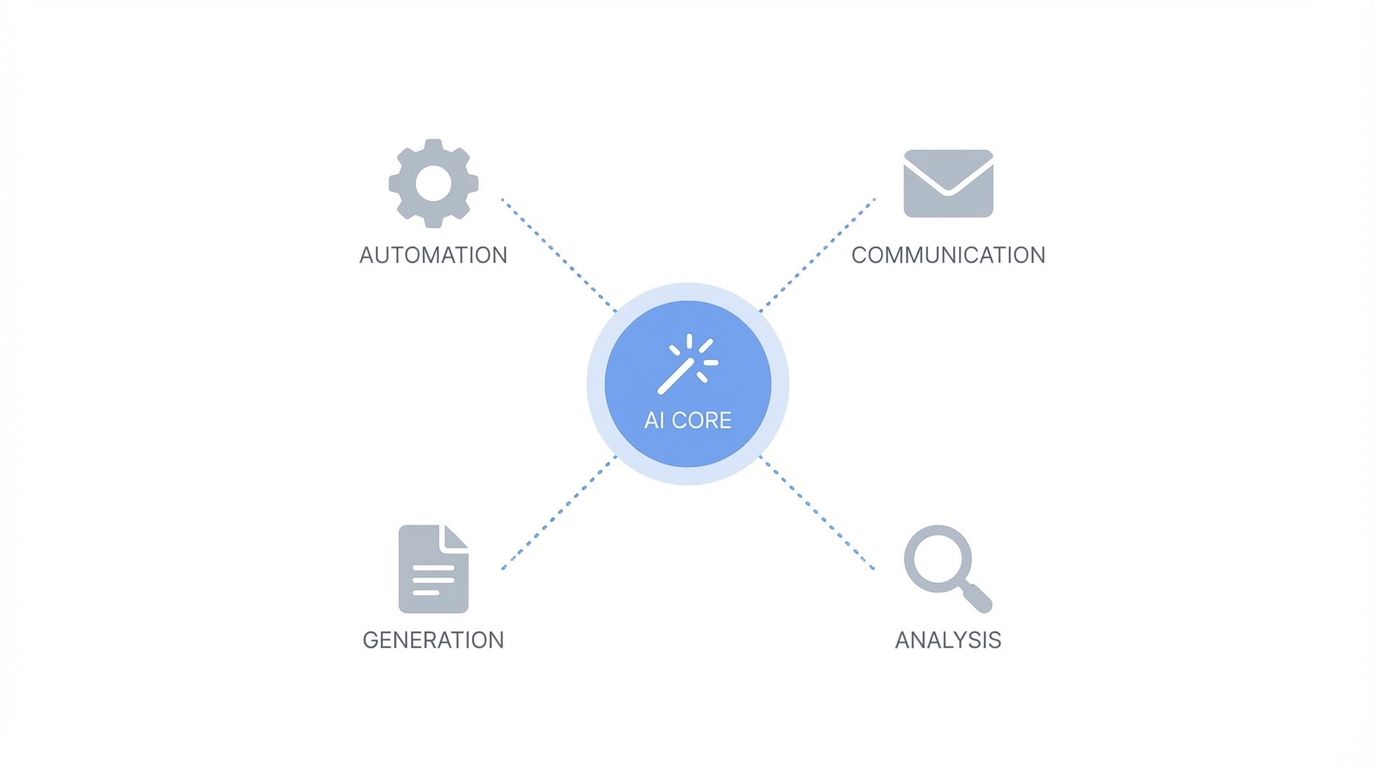
Managing 10,000 users alone is impossible without automation. Dennis used ChatGPT and AI coding assistants to build custom internal tools. Rather than paying for multiple expensive SaaS subscriptions to manage his business, he built his own admin panel and support request system.
While custom tools are great, many solo founders now use Stormy AI as their central creator CRM. It allows them to manage thousands of influencer relationships, deal stages, and automated follow-ups in one place, ensuring no collaboration falls through the cracks.
This internal system allows him to:
- Catch support requests early: Automated alerts help him respond to bugs before they escalate.
- Regulate workflow: By prioritizing tickets through his custom dashboard, he maintains a high level of efficiency.
- Monitor usage: He tracks real-time data, like the 27,000 calls made in September, to ensure the infrastructure (powered by Twilio) is performing optimally.
The Solo Founder Growth Playbook: Step-by-Step

If you are looking to build saas with ai in 2025, Dennis recommends following this specific sequence to validate and scale your idea quickly.
Step 1: Target a Proven but Stagnant Market
Don't reinvent the wheel. Look for industries where the current software is 20-30 years old. These markets already have validated demand; you just need to provide a better user experience and a more modern pricing structure. Use tools like Ahrefs to find keywords your competitors are ranking for and identify where they are failing to meet search intent.
Step 2: Build an MVP with a "Core" Focus
Your MVP doesn't need every feature. For Yataphone, the only thing that mattered was making an outbound call. Use your solo founder tech stack to ship this core feature in days, not months. Focus heavily on design and usability from day one to differentiate yourself from clunky legacy tools. While legacy platforms like Captiv8, Tagger, or Julius have existed for years, they are often too bloated and expensive for the needs of a modern, fast-moving founder.
Step 3: Launch Where the People Are
Dennis famously launched on Reddit. Despite getting blocked in some subreddits, his posts in entrepreneur communities gained enough traction to generate his first sales within minutes. The key is to have a compelling story—the lone engineer vs. the giant corporation—and to use high-quality screenshots that show the product's value instantly.
Step 4: Automate Feedback Loops
For the first six months, Dennis personally texted every paying customer to ask for feedback. This helped him identify which user segments (travelers vs. businesses) were most valuable. By catching bad experiences early, he prevented negative reviews and built a loyal user base. This manual effort, combined with AI-powered analytics, is essential for early-stage bootstrap saas growth.
Scaling Through Marketing and Influencers
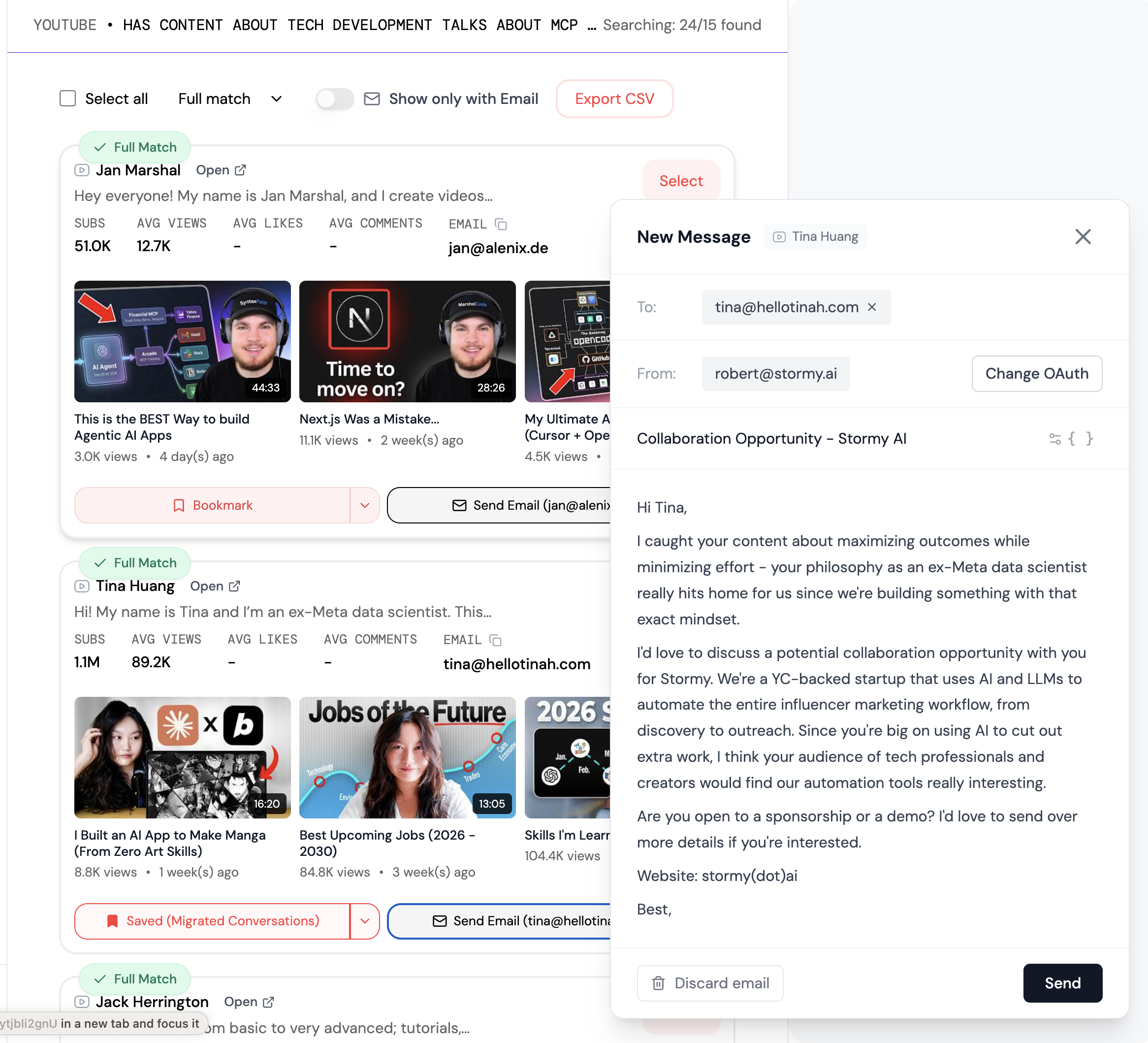
Once you have a validated product, the challenge shifts to scaling. For mobile-first apps or web tools that appeal to broad audiences, User-Generated Content (UGC) is a powerful lever. This is where AI-powered creator discovery becomes a competitive advantage. Using Stormy AI, founders can quickly find UGC creators by typing natural-language prompts to build high-converting ads for Meta Ads Manager or Apple Search Ads.
Beyond discovery, scaling requires high-volume outreach. Founders can use Stormy AI's AI-personalized outreach to contact hundreds of creators with custom emails instantly. The built-in AI handles follow-ups automatically, allowing a solo founder to scale their marketing while they sleep.
Dennis also used a clever SEO hack: he reached out to authors of "Skype Alternative" articles. Since Skype was shutting down, these articles were still receiving traffic but had outdated information. By asking authors to replace Skype with Yataphone, he inherited high-authority backlinks that would normally take years to earn. This strategy, combined with a disciplined approach to technical SEO (like ensuring his sitemap was correctly indexed), allowed him to compete with established brands on Google Ads and organic search.
The Future of the Solo Founder
The story of Yataphone proves that in 2025, you don't need a massive team or venture capital to build a profitable saas. By combining a solo founder tech stack of Next.js, Vercel, and AI coding tools with a relentless focus on customer feedback, anyone can turn a market gap into a $14K/month business. Actionable takeaway: Stop over-planning. Find a validated market, use AI to build your core feature, and launch it to the world. Your life can truly change in a single weekend.