
In the high-stakes world of digital marketing, the loudest voices often chase the vanity of viral metrics. We are told to hunt for trending audio, dance to the rhythm of algorithms, and prioritize impressions above all else. However, for the most successful entrepreneurs, the real gold isn't found in a trending hashtag, but in the unresolved frustrations of a niche audience. A robust social listening strategy isn't about monitoring your own brand mentions; it is about becoming a digital detective who mines communities and comments to identify the high-ROI ideas that others are ignoring.
Consider the case of Vikash, a founder who built a Photoshop plug-in, Bulk Mockup, which generates over $12,000 in monthly recurring revenue. His success didn't come from a viral TikTok campaign. Instead, it was built on a simple, repeatable playbook: identifying customer pain, creating hyper-specific content to solve it, and distributing that content where customers are already searching for answers. By focusing on content ideation from social media interactions, he turned a script written in one night into a sustainable business. This article explores how you can use market research for startups and advanced social listening to build your own content flywheel.
The 'Silent Observer' Method: Auditing Communities Without the Pitch

The first pillar of an effective social listening strategy is what we call the Silent Observer method. Most marketers enter niche communities—whether on Reddit, specialized forums, or Facebook Groups—with the intent to sell. This is a mistake. When you enter a community as a salesperson, you trigger the audience's natural defenses. When you enter as a silent observer, you gain access to raw, unfiltered customer sentiment analysis.
To implement this, you must spend time in the digital trenches where your target customers hang out. For Vikash, this meant looking at communities of Etsy sellers and print-on-demand entrepreneurs. The goal is to read through conversations and identify recurring pain points. Is there a specific task that people find tedious? Is there a piece of software that everyone complains is too expensive or too complex? These are the signals that indicate a market gap. Instead of manual searching, brands use Stormy AI, an AI search engine that scans TikTok, Instagram, and YouTube to identify the exact creators and communities where these high-value conversations are happening, allowing for a more targeted approach to community management for growth.
If you fail to find a clear pattern after silent observation, the next step is to start a conversation to gain context—but never to sell. Ask open-ended questions like, "What is the most time-consuming part of your workflow right now?" or "If you could automate one thing in your business today, what would it be?" This approach transforms your market research for startups from guesswork into a data-driven process. By the time you mention a product or a piece of content, you aren't interrupting the community; you are providing the solution they literally just asked for.
Mining YouTube Comments: The Secret to High-ROI Content Ideation
YouTube is not just a video platform; it is the world's second-largest search engine. While most creators obsess over their own analytics, the real opportunities for content ideation from social media lie in the comment sections of your competitors' videos—specifically, high-comment, low-view videos. This is a counter-intuitive strategy. A video with millions of views is often too broad. A video with 2,000 views but 100 comments indicates a highly engaged audience with specific, potentially unresolved questions.
When you find these videos, look for the following signals:
- Unanswered Questions: Did the creator miss a step? Is there a "how-to" nuance that viewers are begging for?
- Objections: Are people saying, "This doesn't work for my specific version of the software" or "I can't afford this tool"?
- Edge Cases: Are users asking about specific scenarios that the main video didn't cover?
By identifying these objections, you can create a social listening strategy that focuses on "longtail" problem solving. To ensure you are targeting the right creators based on these comments, you can use Stormy AI to vet creators, detecting fake followers and analyzing deep audience demographics instantly. As highlighted in the Starter Story interview with Vikash, these specific videos don't need thousands of views to be profitable. A video with 300 views that answers a specific objection can convert at a much higher rate than a generic tutorial.
Turning Customer Objections into Competitive Advantages
Every objection is a blueprint for your next piece of content or product feature. In customer sentiment analysis, negative feedback is often more valuable than praise. If a customer says, "I would use this, but I don't know how to integrate it with my current workflow," they have just given you the title of your next YouTube video and your next email marketing campaign.
Treating customer support as an education channel is a game-changer for community management for growth. Instead of just answering a ticket, record a custom tutorial using a tool like Loom or Komodo. When you record these custom solutions, you are building a library of "proof of work." These videos demonstrate to potential customers that you are deeply invested in their success. For brands looking to scale this, using Stormy AI, an AI-powered platform for creator discovery, to find UGC creators who can speak to these specific pain points can add an extra layer of authenticity to your marketing efforts.
Furthermore, these support interactions reveal edge cases that never appear in standard keyword research tools. Keyword tools tell you what people are searching for globally; support calls tell you what people are struggling with emotionally and technically. This is the heart of market research for startups: solving the problems that are too small for giants to notice, but too painful for users to ignore.
The Playbook: Building a Content System in Notion
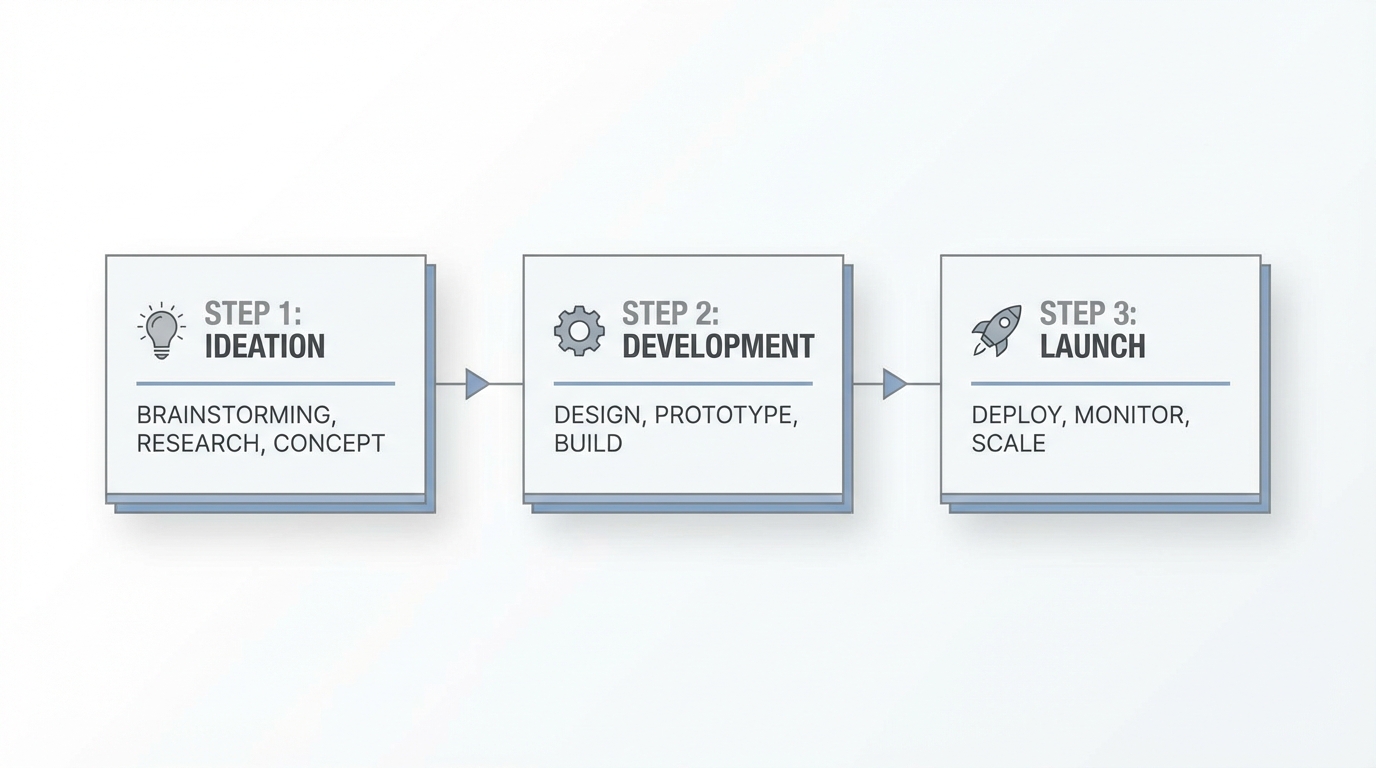
To turn these insights into a sustainable flywheel, you need a centralized system to track content ideation from social media. You cannot rely on memory. A professional social listening strategy requires a structured database.
Step 1: The Pain Point Harvest
Create a database in Notion to catalog every question, complaint, and feature request. Categorize them by source (e.g., Reddit, YouTube Comments, Onboarding Emails, Support Calls). Use customer sentiment analysis to tag the "intensity" of the pain. Is this a minor annoyance or a workflow blocker?
Step 2: Educational Asset Creation
For every major pain point, create an asset. This could be a YouTube video, a blog post, or a help center article. Focus on being direct. You don't need a high-end studio setup; you need a clear screen recording. Tools like Boromi are excellent for creating quick, professional tutorials that focus on the solution rather than the production value.
Step 3: Intentional Distribution
Distribute these assets back to the source. If someone asked a question on a forum, reply with the link to your video. If a customer reached out via email, send them a personalized Loom. This creates a cycle of trust that is far more powerful than traditional advertising.
Distribution and SEO: Why YouTube Ranks on Google

A critical component of this social listening strategy is understanding how distribution channels overlap. While Google SEO for blog posts is becoming increasingly competitive and volatile, YouTube videos are frequently prioritized in Google Search results. If you create a video that answers a specific search intent, you are leveraging Google's preference for video content.
To maximize this, you must apply on-page SEO principles to your video content:
- Keywords in Title and Description: Use the exact phrasing you found in the community comments.
- Transcript Optimization: Mention the primary keyword in the first 30 seconds of your video to help algorithms understand the context.
- Link Integration: Use your description to link to your product on platforms like Gumroad or your own website.
By optimizing for search, you ensure that your content ideation from social media efforts have a long shelf life. To measure the success of these efforts, Stormy AI allows you to track individual videos and monitor views, likes, and engagement across all platforms in one dashboard. You aren't just posting to a feed that disappears in 24 hours; you are building a library of solutions that customers will find for years to come.
Leveraging Support and Calls as Proof of Work
One of the most overlooked aspects of community management for growth is the direct interaction via support calls. Using tools like Cal.com to schedule one-on-one sessions allows you to see the user's screen and witness their struggle firsthand. These calls are a goldmine for customer sentiment analysis.
When you solve a problem on a live call, you are not just helping one user. You are identifying a friction point that likely affects hundreds of others. Recording these calls (with permission) and turning them into case studies or "how-to" clips provides authentic social proof. Managing these reviews and showcasing them via tools like Senja further solidifies your brand's authority in the niche.
Conclusion: The Path to High-ROI Content
The transition from a passive marketer to an active social listener is the key to building a high-ROI content machine. By shifting your focus from views to value, and from impressions to impact, you create a defensible competitive advantage. The social listening strategy outlined here—mining communities, analyzing YouTube comments, and turning objections into educational assets—is a blueprint for sustainable growth.
Whether you are a solo founder building a "pointy-feature" app or a marketing team at a growing startup, the lesson is the same: be obsessed with your customer's problems. Listen more than you speak. Audit before you sell. For those looking to scale this process, Stormy AI offers an autonomous AI agent that can discover and outreach to creators on your behalf, handling follow-ups while you sleep. When you base your content ideation from social media on actual human pain, you don't have to worry about the algorithm—because you are solving the problems that people are already searching for.