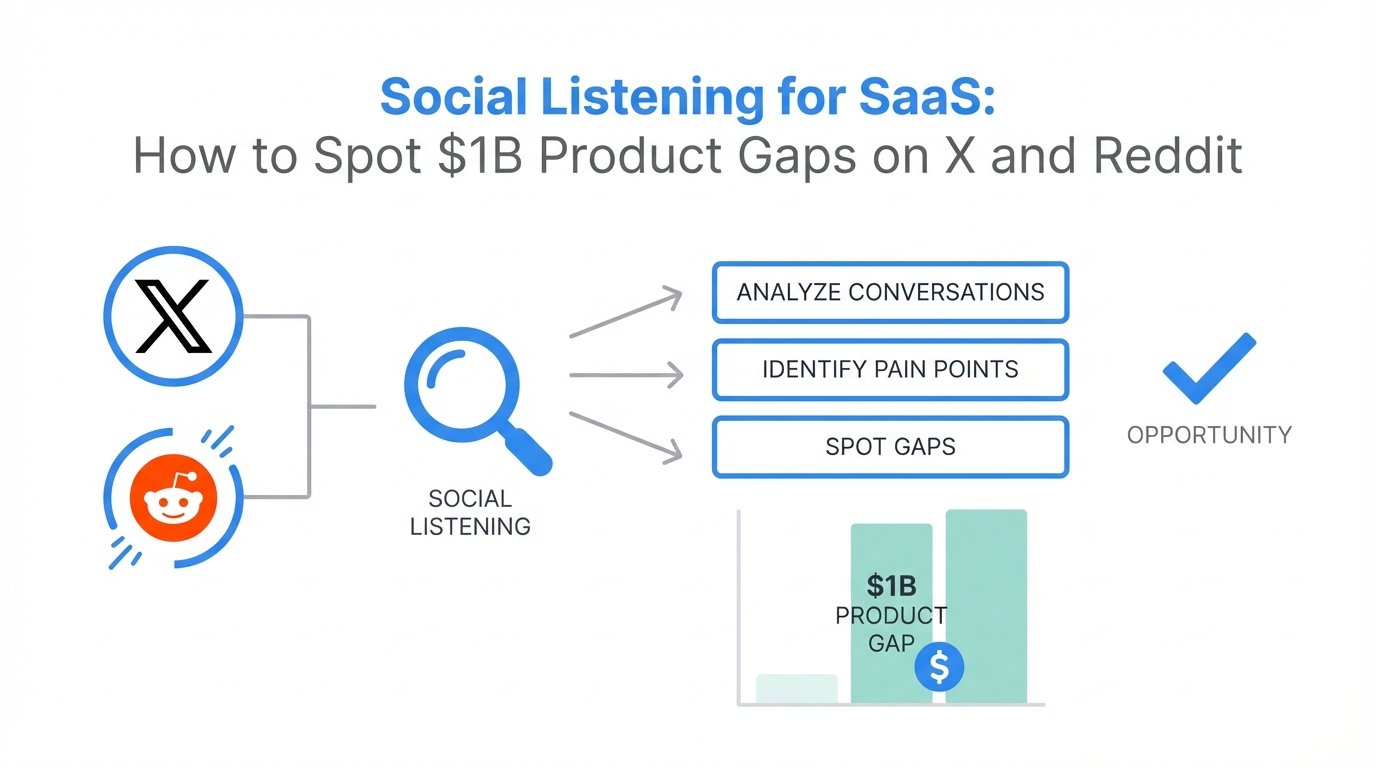
The next billion-dollar SaaS idea isn't hiding in a whiteboard session or a VC’s pitch deck. It’s actually living in the comment sections of Reddit and the timeline of X (formerly Twitter). While most founders spend months trying to invent a problem, the most successful entrepreneurs are using social listening for business to find problems that are already screaming for a solution. When a major software platform shuts down or a beloved feature is removed, a vacuum is created. In that vacuum lies a market gap analysis opportunity that can be worth millions. This guide will walk you through the exact playbook used by solo founders to transform social media frustration into high-growth software companies.
The 'Peter Levels' Method: Monitoring Industry Influencers
One of the most effective ways to find product ideas on Twitter is to monitor industry power users and influencers who are vocal about their tech stacks. Peter Levels, a pioneer in the indie hacker movement, frequently posts about his frustrations with current tools. When Microsoft announced it was closing Skype in early 2025, Levels tweeted his disappointment, noting that he and his friends still relied on it for specific needs. This wasn't just a complaint; it was a buy signal for a validated market.
A self-taught developer named Dennis saw this tweet and realized that if a high-profile user was 'pissed off,' thousands of others likely were too. By following influencers who act as 'canaries in the coal mine' for software trends, you can identify emerging market needs before they show up in traditional reports. This type of social media trend analysis allows you to move faster than enterprise competitors who are too insulated to notice these shifts in real-time. Platforms like Stormy AI—an AI search engine across TikTok, Instagram, and X—are increasingly used by marketers to track these types of influencer-led conversations and sentiment shifts, providing a birds-eye view of where the market is moving.
Identifying Pain Points: Finding 'Pissed Off' Users


The most lucrative saas market research is often found by searching for specific emotional triggers on social platforms. When users are frustrated, they don't just stop using a tool; they go to social media to vent. Dennis, the founder of Yataphone, realized that international calling was a massive pain point. Traditional providers were charging between $50 and $100 for a 10-minute call, creating a clear opportunity for a cheaper, more modern alternative.
To replicate this, you should search for keywords that indicate high friction. Look for phrases like "is there an alternative to," "why is [Product] so slow," or "I hate how [Product] handles [Feature]." By focusing on users who are actively seeking a replacement, you bypass the hardest part of building a startup: customer education. These users already know they have a problem; they just need you to provide the solution. For mobile app developers, using Stormy AI can help discover UGC creators by typing natural-language prompts to find those already talking about these frustrations, allowing you to partner with them to showcase your solution to a pre-warmed audience.
Automating Trend Discovery: Setting Up Alerts

You cannot manually scroll through social media all day and expect to build a business. Successful founders automate their social listening for business by setting up high-intent keyword alerts. The goal is to be the first to know when a competitor is failing or leaving the market. Key phrases to track include:
- 'Shutting down' or 'Closing'
- 'Sunsetted'
- 'Is there an alternative to...'
- 'Does anyone know a tool that...'
- 'Price increase'
When Microsoft announced the end of Skype, it created a surge in searches for "Skype alternative." Dennis used this timing to his advantage, building a simple landing page and an MVP in a single weekend. While manual alerts work, sophisticated founders use a Stormy AI autonomous agent that discovers and outreaches to creators on a daily schedule, ensuring they are the first to respond to a market opening and capture users quickly. This automated approach helped Dennis secure 10,000 registered users and $14,000 in Monthly Recurring Revenue (MRR) in just seven months.
Building in Public: From Viral Tweet to MVP in 48 Hours
Once you've identified a gap, speed is your only real advantage against incumbents. The 'Build in Public' strategy involves sharing your progress on X and Reddit to validate your idea before you've even finished the code. Dennis used tools like Cursor and AI-powered coding frameworks to ship Yataphone’s core functionality—a web dialer—in two days.
The Reddit Launch Playbook
- Target Niche Subreddits: Dennis targeted digital nomads and travelers on Reddit because they were most affected by high international call costs.
- Adopt a Human Tone: Avoid corporate speak. Dennis framed his post as a 'lone engineer' standing up to a giant company. This narrative resonates deeply with the Reddit community.
- Show, Don't Just Tell: Include screenshots of the core functionality. A simple, clean interface can garner millions of impressions even if you have zero followers.
- Validate with Sales: Dennis received his first sales within minutes of posting. This is the ultimate form of validation—better than any survey or 'waitlist' sign-up.
The B2B Pivot: Recognizing Enterprise Signals
While many find product ideas on Twitter by looking at consumer complaints, the real money is often in the enterprise shift. Yataphone started as a B2C tool for travelers, but a single user asking for an 'enterprise plan' in the middle of the night changed the company's trajectory. This is a common signal: when a user asks if their whole team can use the tool, you’ve moved from a 'nice-to-have' gadget to a business-critical utility.
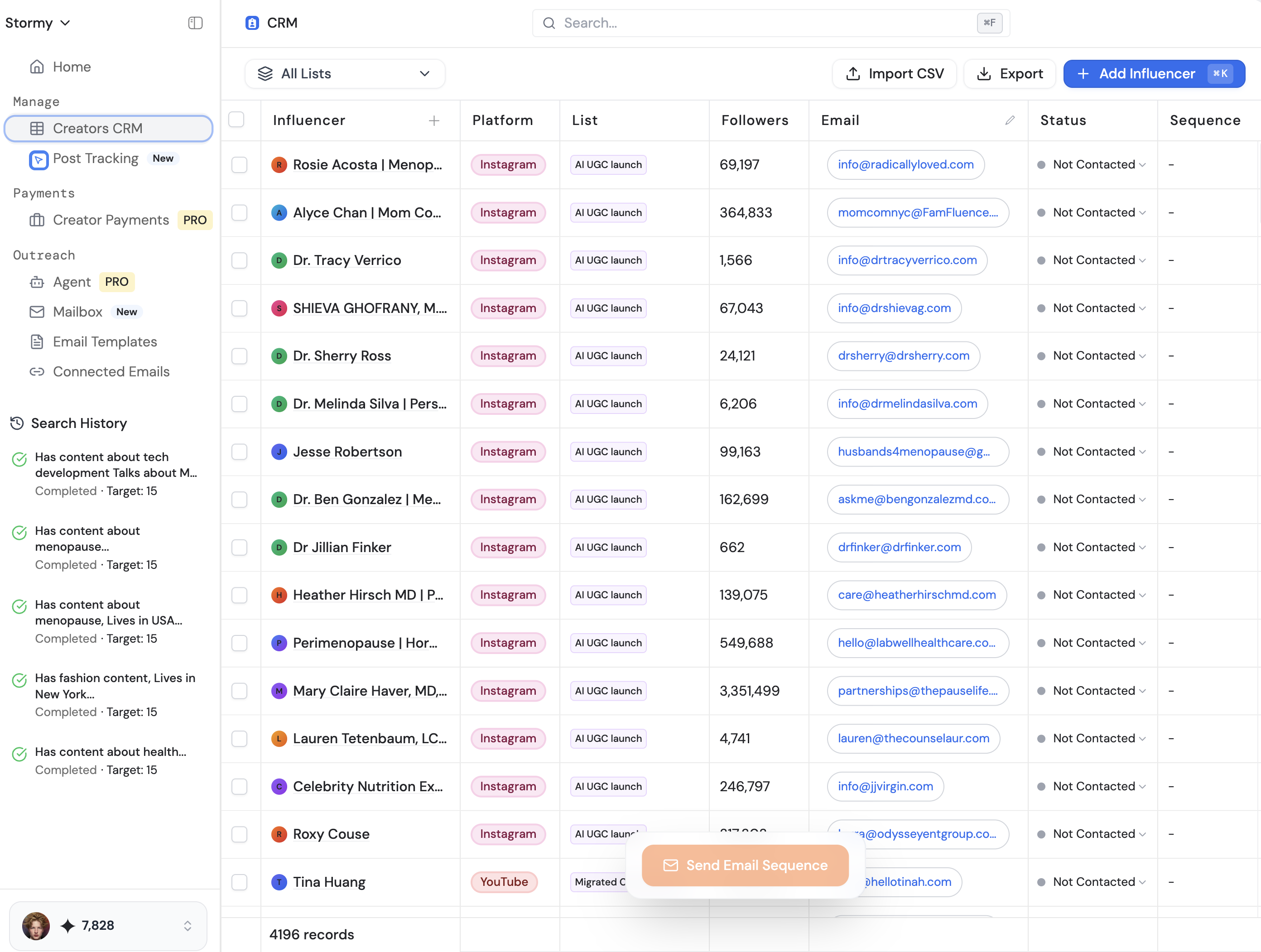
Enterprise clients typically offer lower churn and higher average contract values. Managing these high-value relationships requires a robust Stormy AI Creator CRM to track every negotiation and contract in one place. In Dennis's case, a single enterprise client now pays $1,000 per month, which is significantly more than individual travelers who use the service sporadically. By using social media trend analysis to see which companies are complaining about their current B2B software, you can build specific features—like centralized billing and seat management—that allow you to capture the high-end of the market.
SEO: Capturing Residual Traffic from Dead Competitors

When a major player like Skype leaves the market, they leave behind a massive trail of SEO 'residue.' Thousands of high-authority blog posts and 'top 10' lists still link to the old product. This is a golden opportunity for market gap analysis execution. Dennis used Ahrefs to find articles ranking for 'Skype alternative' and reached out to the authors directly. He asked them to replace the dead Skype link with a link to Yataphone.
This strategy allowed him to 'piggyback' on the authority of established websites. Additionally, he used ChatGPT to diagnose technical SEO issues, like a missing 3W prefix in his sitemap that was preventing Google from indexing his pages. For SaaS founders, social listening for business should always lead into a robust SEO strategy. While social media provides the initial spark and validation, SEO provides the long-term sustainability that allows you to scale to 27,000 calls per month and beyond on Vercel.
The Social Listening Playbook for 2025
The success of apps like Yataphone proves that finding product ideas on Twitter and Reddit is not about luck—it's about having a system for observation. By monitoring competitor shutdowns, listening to the frustrations of industry influencers, and moving with extreme speed, any developer can build a profitable SaaS in record time. Remember that your competitors are often 'dinosaurs'—slow-moving companies that cannot adapt to the changing needs of their users. Your advantage is agility and proximity to the customer.
If you are looking to build a brand around your new software, consider how user-generated content (UGC) can amplify your social listening efforts. Tools like Stormy AI can help you find the right creators to tell your story, ensuring that when you find a market gap, you have the distribution power to fill it. Start by setting your alerts, listen to the 'pissed off' users, and be ready to ship your MVP in 48 hours. The market is waiting for an alternative—you just have to build it.