In the high-stakes world of modern marketing and investing, most professionals are looking at the wrong data. They pore over lagging indicators like quarterly earnings, price-to-earnings ratios, and historical sales figures, hoping to find a hint of the future in the wreckage of the past. But true alpha—the kind that allows you to identify a viral trend before it hits the mainstream—isn't found in a spreadsheet. It is found in the digital equivalent of a water cooler: the TikTok comment section. This is the heart of social arbitrage, a methodology that treats social media not just as a promotional tool, but as a real-time sensor for shifting human behavior and market sentiment.
Defining Information Asymmetry: The Secret to Predictive Consumer Behavior
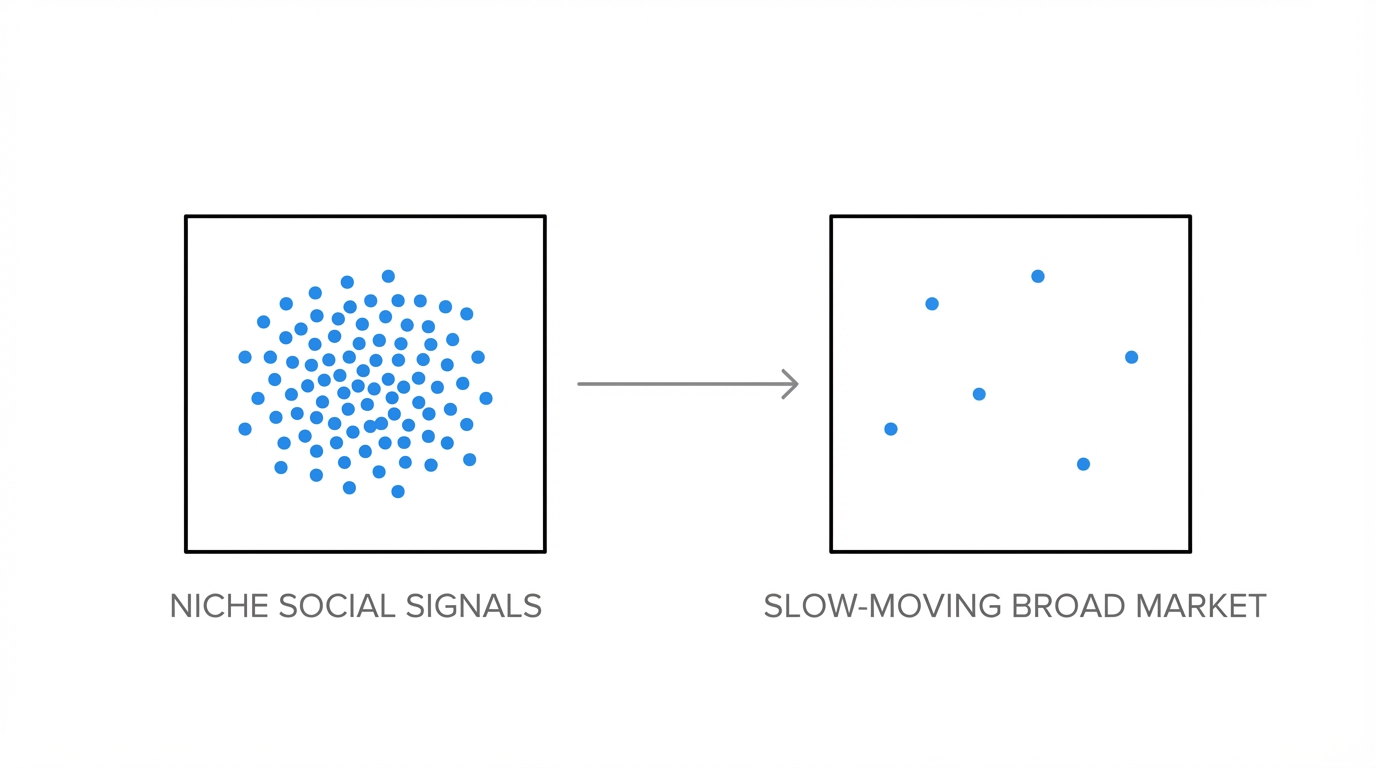
To understand social arbitrage, you must first understand the concept of information asymmetry. In traditional markets, this occurs when one party has better information than another. In the context of YouTube and social media, asymmetry exists because institutional minds—the "Wall Street" types—are often disconnected from the cultural zeitgeist. While they are reading HubSpot industry reports or Moody’s manuals, thousands of teenagers are already discussing a new DIY craft or a specific skincare ingredient in the comments of a viral video.
By the time a trend is codified into a formal report, the "alpha" is gone. The opportunity has been priced in. Social media trend forecasting relies on the delta between when a behavioral change occurs and when the "serious" money notices it. If you can identify that a specific product is gaining massive traction through conversational data rather than transactional data, you are participating in a trade that most of the market hasn't even realized exists. This is especially true for mobile app developers looking for UGC (User-Generated Content) hooks; if you spot a niche interest early, you can deploy Meta Ads Manager campaigns that ride the wave rather than fighting for scraps later.
The Jeffree Star & E.L.F. Cosmetics Case Study: A Masterclass in Market Sentiment Analysis

One of the most famous examples of social arbitrage involves E.L.F. Cosmetics. Back when the stock was trading around $7 a share, a single video by beauty influencer Jeffree Star signaled a massive shift. He claimed that an E.L.F. primer putty, priced at just $8, was as good as luxury products costing $60. This wasn't just another product review; the predictive consumer behavior was visible in the comments. Thousands of viewers weren't just liking the video; they were reporting that they were heading to their local CVS or Walgreens to buy out the entire stock.
At the time, professional analysts on Wall Street weren't even aware of who Jeffree Star was. This gap in knowledge allowed savvy observers to realize that E.L.F. was about to have a monumental earnings beat. While the "experts" were looking at macroeconomic noise, the social arbiter was standing in the makeup aisle, watching moms and daughters clear shelves. This disconnect between digital signal and institutional awareness is where the biggest gains are made. Stormy AI is an all-in-one platform for creator discovery, especially for mobile app marketing and UGC campaigns, and tools like Stormy AI help bridge this gap with an AI search engine that lets you find creators via natural-language prompts across TikTok, YouTube, and Instagram before they become too expensive to partner with.
Identifying Blind Spots: Why Youth and Female-Driven Trends Yield Higher Alpha
The most lucrative opportunities in social arbitrage often exist within the blind spots of traditional decision-makers. Historically, the finance and tech industries have been dominated by a specific demographic: older, often male-oriented, and geographically concentrated in hubs like New York or London. This creates an inherent bias. These individuals are excellent at pricing things like oil, silver, or industrial equipment, but they are often historically bad at identifying value in trends driven by youth culture or female consumers.
Consider the "slime" phenomenon. When kids began making DIY slime at home, it seemed like a passing fad. However, a social arbiter would have noticed that the primary ingredient—white glue—was suddenly in short supply. A deep dive into X (formerly Twitter) or TikTok would have shown that Elmer's Glue (owned by Newell Brands) was about to see a massive surge in sales. Because the institutional investors weren't spending time in the "crafting" corners of the internet, they missed the influencer marketing ROI potential that was right in front of them.
For app marketers, this means looking beyond the obvious. If you are running an app install campaign on Google Ads, don't just target based on standard keywords. Look for the subcultures. What are the 18-24-year-old female demographics talking about today? What are the "aesthetic" trends on Pinterest? By using Stormy AI to vet creators, you can get AI-powered quality reports that detect fake followers and engagement fraud, allowing you to exploit the information asymmetry before the cost-per-click skyrockets.
The Point of Information Parity: Knowing When a Trend is "Priced In"
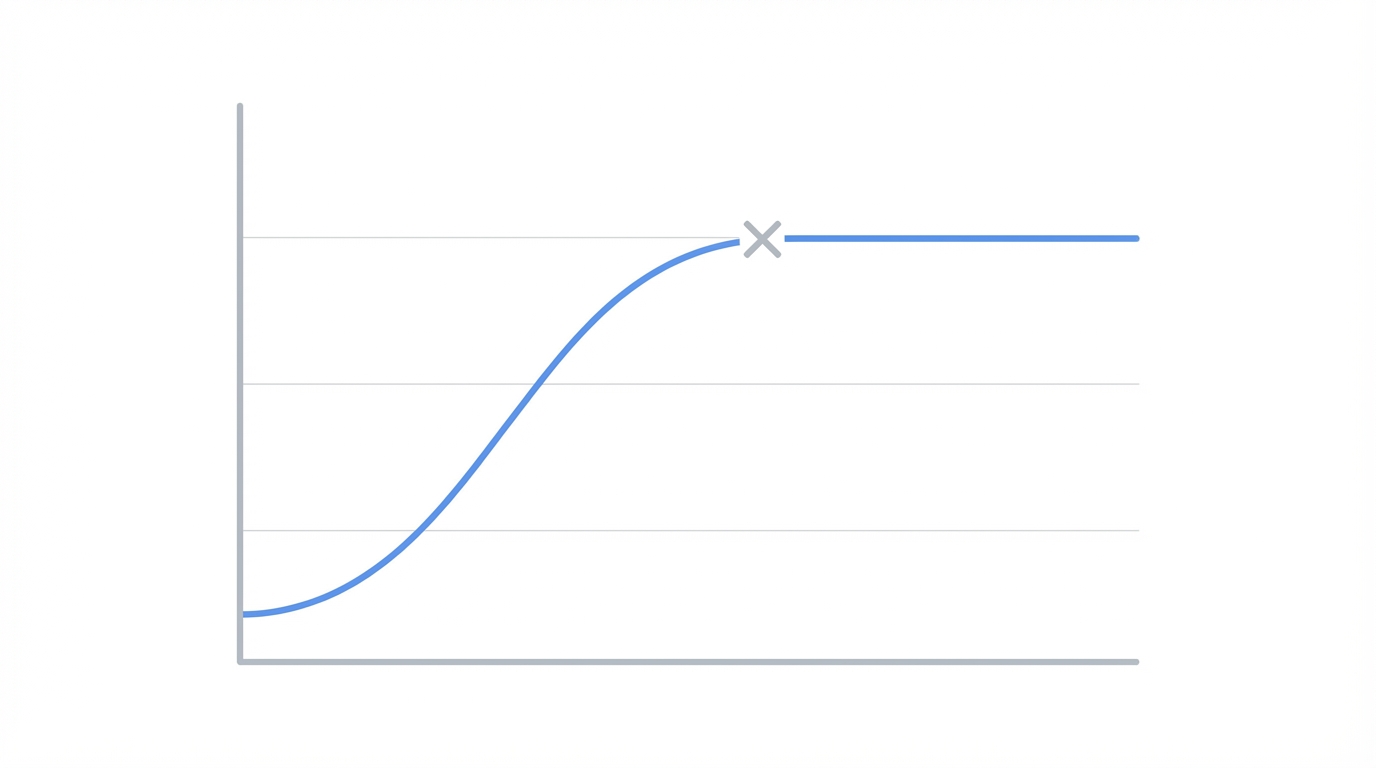
The most difficult part of the social arbitrage methodology is not the entry, but the exit. You make money by knowing something first, but you realize that money when information parity is reached—the moment everyone else finally learns what you already know. When a trend moves from a TikTok comment section to a headline on a major news network, the "trade" is effectively over. At this point, the market has adjusted, and the stock or the marketing advantage has been fully priced in.
A perfect example of this is the recent hype surrounding data centers and AI energy needs. Early observers identified companies like Bloom Energy as key beneficiaries of the AI boom because of their unique power generation technology. They saw the shift in the market sentiment analysis before the hyperscalers made their official announcements. Once the major deals with Oracle were public, the information reached parity. To stay ahead, you must constantly monitor for the next shift, rather than holding on to a narrative that is already consensus.
The Social Arb Playbook: How to Create Your Own Industry Watch List
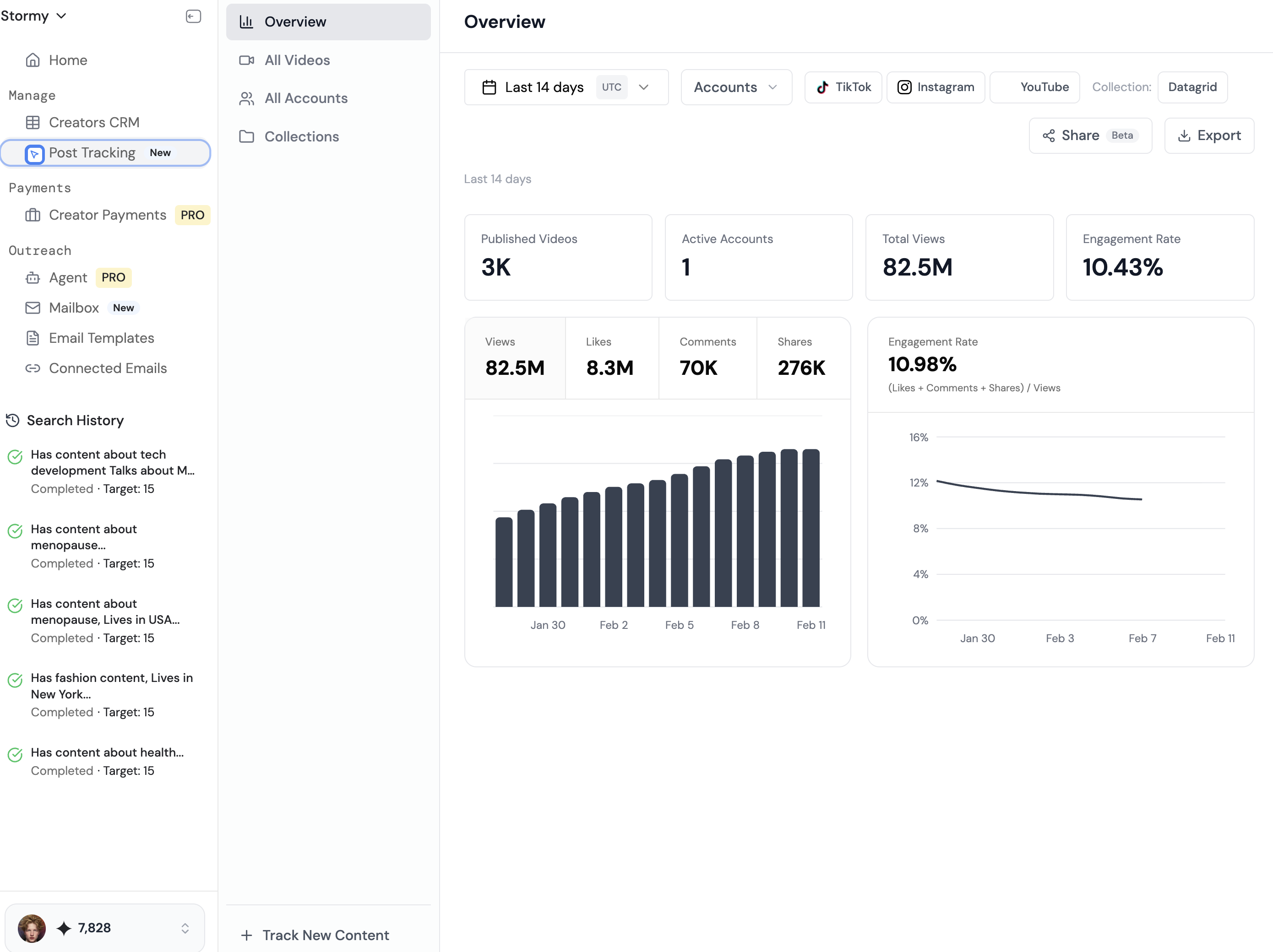
Spotting trends isn't magic; it is a regimented process. To apply social arbitrage to your own industry or marketing strategy, follow this step-by-step playbook to build a high-conviction watch list.
Step 1: Identify Your "Ground Truth" Sources
Don't look for aggregated reports. Go to where people express themselves most freely. For consumer goods, this is TikTok. For tech and finance, it might be specialized subreddits or X. If you are in the mobile app space, monitor reviews on the App Store and look for ASO (App Store Optimization) anomalies where certain keywords are suddenly spiking in organic searches.
Step 2: Use Real-Time Search Data
Leverage Google Trends to validate what you are seeing on social. If a creator mentions a specific problem (e.g., "roof damage" after a storm), check if search volume for solutions is tripling. This real-time data is far more valuable than insurance reports that take six weeks to materialize. High search volume plus high social engagement equals a needle-moving trend.
Step 3: Assess the Degree of Information Asymmetry
Ask yourself: Does the average institutional investor know this? If you are a marketer, ask: Are my competitors running ads against this trend yet? A great way to test this is to look at the Google Ads keyword planner. If the search volume is high but the competition is still listed as "Low," you have found information asymmetry.
Step 4: Conduct Deep Due Diligence
Once you find a signal, don't just guess. Spend hours—sometimes 60 or more—digging into the context. Read hundreds of comments. Are people actually buying the product, or just liking the video? If it's a retail brand, visit the stores. Talk to the clerks. If it's a digital service, look at the UGC content being produced. Is the sentiment genuine or manufactured? Only move when your conviction is high.
Step 5: Identify the "Point of Parity"
Define what success looks like. Is it an earnings report? A mainstream news mention? A spike in Apple Search Ads costs? Once the information is widely known, it is time to exit or pivot your strategy. Don't fall in love with the trade; fall in love with the process of finding the next one.
The Age of Abundance: Social Arb in Career and Business
The methodology of social arbitrage isn't just for picking stocks or marketing products; it is a framework for navigating your career. We are entering an "age of abundance" where automation and AI will handle repetitive tasks, leaving humans to focus on creativity and strategy. In this world, the most valuable skill is the ability to synthesize disparate pieces of information to predict what comes next.
Whether you are an entrepreneur starting a new business in the private jet sector or a developer launching a mobile game, you must look at where the "tailwinds" are blowing. Look back at the pandemic: when people had excess time and money, they dug into their hobbies and niche interests. That was a preview of the future. As we move toward a world with more free time, industries related to travel, creativity, and community will see massive shifts. If you can spot these shifts by reading the "conversational data" of today, you can position your career or your business to be the primary beneficiary of tomorrow's reality.
Conclusion: Bridging the Wealth Gap Through Observation
The wealth gap is essentially an investor class gap. Those who understand how to leverage risk capital and identify trends early will always outperform those who rely solely on their labor. Social arbitrage democratizes this opportunity. You don't need a Harvard MBA to read TikTok comments; you just need the discipline to look past the noise and find the ground truth.
By focusing on predictive consumer behavior and maintaining a high standard for due diligence, you can find the "alpha" that institutions miss. Whether you are using an autonomous AI agent from Stormy AI to discover and outreach to creators on a daily schedule or monitoring Google Trends for shifting search patterns, the goal remains the same: find the change, connect the dots, and move before the rest of the world catches up. The game is rigged, but if you know where to look, it is rigged in your favor.