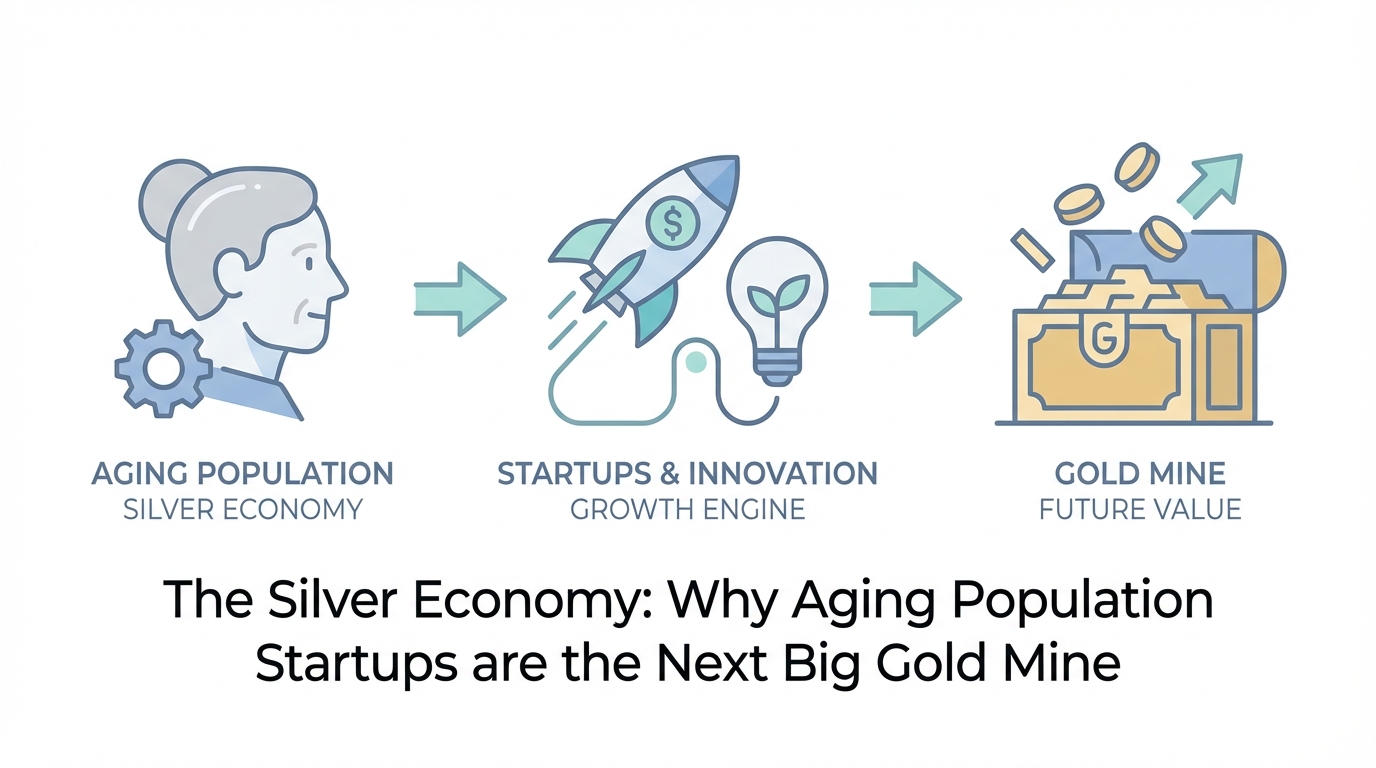
For decades, the venture capital world has been obsessed with the shiny and the new, pouring billions into apps designed for Gen Z and platforms that capture the fleeting attention of teenagers. However, a massive tectonic shift is occurring right beneath our feet—one that most entrepreneurs are ignoring at their own peril. We are entering the era of the Silver Economy. While the tech industry continues to saturate the youth market, a demographic explosion among those aged 65 and older is creating a vacuum of opportunity. This isn't just about healthcare or retirement; it's about a complete reimagining of how the wealthiest demographic in history lives, spends, and connects.
The Demographic Dividend Shift: 46 Million to 90 Million
The numbers behind this shift are staggering and, frankly, unavoidable. Today, there are roughly 46 million seniors in the United States. According to research from Alive Ventures, that number is projected to swell to 90 million by 2050. In economic terms, this is what demographers call a shift in the "demographic dividend." Traditionally, a high ratio of working-age adults to dependents drives economic growth. As that ratio inverts, as it has in countries like Japan, the economic pressure increases. However, for the smart entrepreneur, this inversion represents the single largest underserved market in modern history.
We have spent years analyzing aging population market trends, yet we often frame them as a "problem" to be solved rather than an opportunity to be seized. The prevailing narrative is that an aging population is a drain on social resources. But this view ignores the fact that these individuals are often active, curious, and financially stable. To capitalize on this, startups must look past the "frail senior" stereotype and recognize the massive demand for products that enhance life, rather than just manage decline. Many companies are already using MarketerHire to find specialists who can speak to this nuanced, growing audience.
The Wealth Concentration Advantage: Why Entrepreneurs Are Ignoring the Gold Mine


Perhaps the most compelling reason to focus on business opportunities for seniors is simple: they have the money. Currently, two-thirds of all wealth in the United States is controlled by adults over the age of 65. While millennials struggle with student debt and Gen Z navigates a volatile entry-level job market, the "Silver" demographic is sitting on trillions of dollars in investable assets. Despite this, less than 1% of venture capital is directed toward startups specifically serving this group. This disconnect is a classic market inefficiency that the next generation of unicorns will exploit.
Marketing to this group requires a shift in perspective. Wealthiest demographic marketing isn't about luxury alone; it's about utility, accessibility, and respect. Many older adults are psychologically hesitant to spend the nest eggs they have spent 40 years building. They need tools that give them permission to consume and experience life. For example, financial tracking tools like CoinTracker help people manage complex assets, but there is a massive gap for tools that help seniors calculate a "life budget"—specifically designed to show them how they can spend their wealth to improve their quality of life without running out of funds.
The 'Unsexy Advantage': Complexity vs. Boredom
In the startup world, there is a mental model that divides businesses into a 2x2 matrix: Complexity vs. Boredom. Most founders want to build things that are both sexy and complex—think SpaceX or the next AI-powered social network. Because everyone wants to be there, the competition is fierce. On the other end of the spectrum are businesses that are complex but boring. This is where companies like Salesforce or Stripe were born. Silver economy startups live in this "unsexy" quadrant. Managing senior care, unbundling retirement benefits, or creating senior living disruption is hard work, but the lack of competition makes it a premier opportunity.
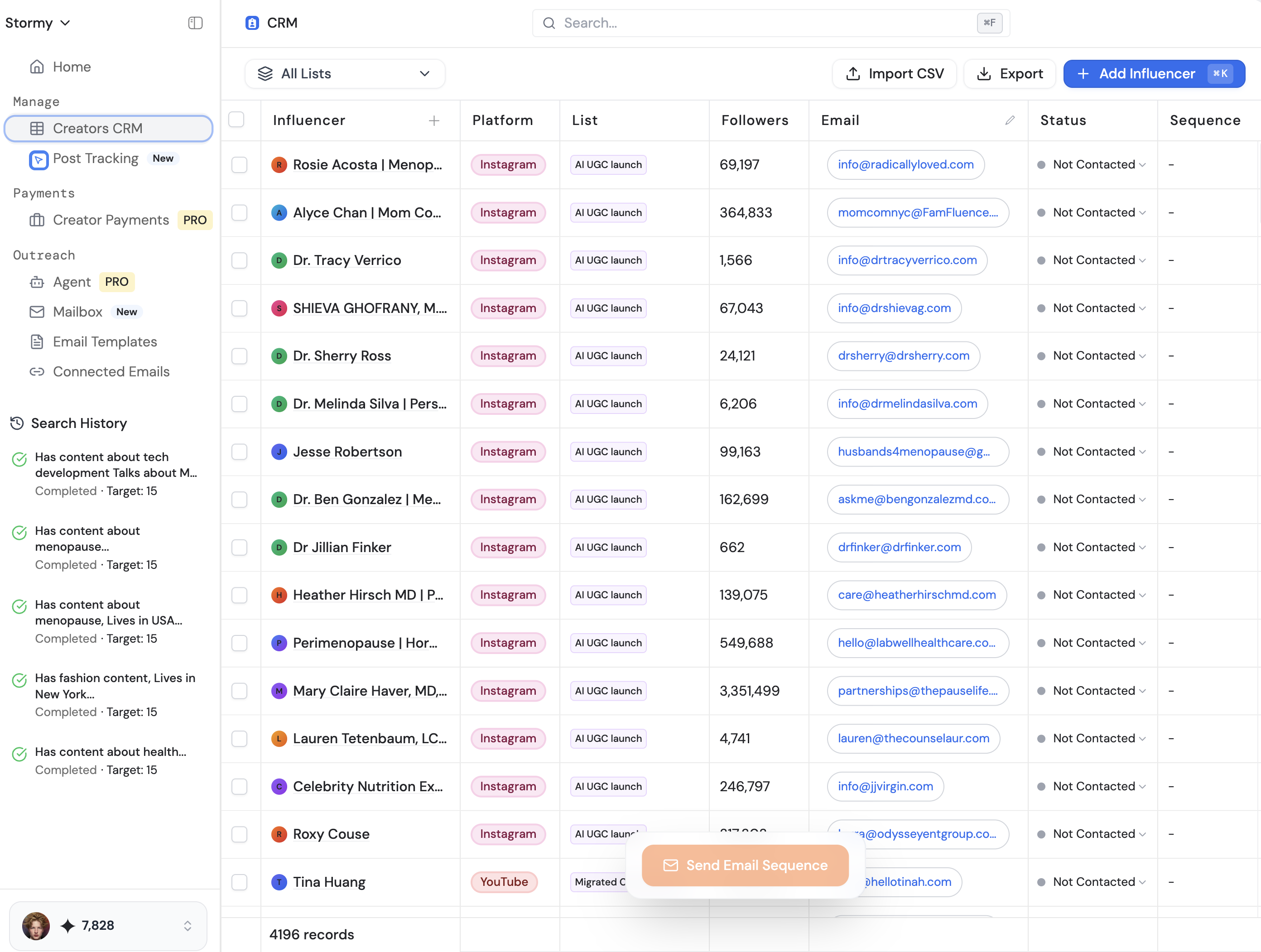
When you build in a space that others find "boring," you have the luxury of time and lower customer acquisition costs. While Gen Z startups burn through cash trying to capture the attention of high-churn teenagers, senior-focused brands enjoy high loyalty and sticky customer bases. If you can solve a fundamental problem for a 70-year-old—whether it's loneliness, financial management, or mobility—they are likely to remain a customer for the rest of their lives. Building these relationships at scale requires sophisticated tools; modern platforms like Stormy AI can help source and manage UGC creators who resonate specifically with this older, more discerning demographic.
Unbundling the Giants: AARP and Traditional Nursing Homes

One of the most effective strategies for modern entrepreneurs is unbundling. We've seen this happen with Craigslist and Reddit, where niche platforms took over specific sub-categories and did them better. The same is happening to legacy giants like AARP. With 39 million members, AARP is a monolith, but it is also spread thin. Many seniors join for the insurance discounts but feel no emotional connection to the brand. There is a massive opportunity to create the "Chief for Seniors" or a more modern, lifestyle-focused membership organization.
The same logic applies to senior living disruption. The traditional nursing home model is a vertically integrated monolith that manages housing, nutrition, social life, and healthcare. It’s often expensive and strips residents of their agency. We are seeing a move toward unbundling these services. Imagine a platform that allows seniors to stay in their own homes but "subscribes" to a high-end social calendar, specialized nutrition, and on-demand care. This decentralized model is far more attractive to the modern retiree who values independence. Rolling up these micro-communities is becoming a viable exit strategy, with platforms like Sylva showing that there is real liquidity in niche community assets.
Community and the 'Chief' Model for Older Adults
One of the greatest crises facing the aging population is loneliness and the loss of purpose. When someone retires, they often lose their primary social network. Traditional senior centers, with their focus on bingo and low-impact aerobics, feel patronizing to a generation that grew up in the 60s and 70s and still feels young at heart. There is a desperate need for high-end, aspirational communities. Just as Chief created a billion-dollar business by connecting professional women, a similar model could be applied to retirees who want to continue learning, mentoring, and networking.
This is where mentorship arbitrage comes into play. We have a massive population with decades of wisdom and free time, and a younger generation of workers who are starving for real-world guidance. A startup that facilitates this exchange—allowing retired executives to consult or mentor younger professionals—solves two problems at once: it provides income and purpose for the senior, and valuable insights for the junior. This model is much more modern than the outdated YPO or Rotary Club structures that many seniors currently belong to.
Financial Tech: The Next Frontier for Seniors

Contrary to the myth that older adults are tech-phobic, many are actually eager to engage with new financial technologies—they just need the right interface. As we move toward smart wallets and decentralized finance, there is a gap for a "Wallet for Seniors" that abstracts away the complexity of crypto or alternative assets while providing the security they crave. Many seniors are interested in protecting their wealth from inflation, which recently hit 8.7%, and are looking for more creative ways to manage their deposits and investments.
Whether it's managing security deposits in real estate or navigating crypto taxes, the Silver Economy needs specialized fintech. Tools like Stormy AI are essential for brands in this space to vet influencers and creators who can build trust with this demographic. Trust is the primary currency for older adults; they are highly sensitive to scams and need to see authentic, high-quality content before they commit to a new financial product. Using AI-powered vetting ensures that the voices representing your brand are legitimate and fraud-free.
Conclusion: Why the Silver Economy is Your Next Big Play
The Silver Economy is not just a niche market; it is the market. With 90 million seniors on the horizon and 2/3 of the nation's wealth at their disposal, the potential for silver economy startups is limitless. By applying mental models like unbundling and focusing on the "unsexy advantage," entrepreneurs can build massive, cash-flowing businesses that actually improve people's lives. The key is to stop treating aging as a pathology and start treating it as a new, vibrant chapter of life that requires better tools, better communities, and better brands. The gold mine is open—it’s time to start digging.