Most full-time employees harbor a secret dream: building a side project that eventually replaces their salary. They spend late nights and weekends tinkering with side project ideas that make money, hoping to find that one golden ticket to freedom. Yet, the vast majority of these ventures never see the light of day. They die in a graveyard of half-finished code, expensive logo designs, and over-engineered features. The transition from a 9-to-5 to a profitable side project case study isn't about working harder; it's about shifting your entire approach to validation, time management, and execution.
Ben Boasé, the founder of Tech Lockdown, cracked this code after years of failure. He transformed a simple concern about global internet usage habits into a SaaS business generating over $15,000 in monthly recurring revenue (MRR). His journey provides a repeatable saas validation framework for anyone looking to escape the corporate grind. By focusing on solving a genuine pain point rather than obsessing over aesthetics, Ben managed to build a sustainable business while maintaining a full-time software development role, eventually scaling to 1,300 paying customers and a mailing list of 20,000 contacts.
The Anti-Overcomplication Rule: Why Your Logo Doesn't Matter

The most common mistake first-time founders make when learning how to start a saas business is focusing on the wrong things. Ben recalls his first failed side project—a lead generation platform for freelancers—where he became obsessive over website colors, logos, and names. He spent weeks on branding but zero hours on the business model or customer acquisition. The result was a polished product that nobody wanted.
The "Anti-Overcomplication Rule" states that you should not design a professional logo, hire a branding agency, or spend significant capital on aesthetics until you have at least 100 paying customers. Ben took this to heart with Tech Lockdown, operating without a formal logo until he had already achieved significant traction. If you are focused on the quitting 9-5 for side project goal, your only priority is utility. Does the product work? Does it solve the problem? When you're in the discovery phase, you can use Stormy's AI search to identify what creators and audiences are actually complaining about across TikTok, YouTube, Instagram, and newsletters in real-time, ensuring you aren't building in a vacuum.
The SaaS Validation Framework: MVP vs. Simple Version
There is a critical difference between a Minimum Viable Product (MVP) and a "Simple Version." An MVP often feels like an unfinished house; a Simple Version is a small, complete, and functional tool that solves exactly one problem perfectly. For Tech Lockdown, the core problem was that internet guardrails are difficult to set up. Instead of building a massive suite of features, Ben focused on a content policy via DNS filtering that allowed users to block websites and apps via a VPN connection on their devices.
When researching side project ideas that make money, look for problems that can be solved with a single core feature. If your idea requires two years of development before it's useful, it’s not a side project—it’s a high-risk gamble. A true saas validation framework requires you to:
- Identify a problem you are personally passionate about.
- Build a solution that you would use yourself (Ben started Tech Lockdown for his own internet habits).
- Ensure the customer acquisition cost (CAC) is low enough to be sustainable.
To ensure your niche is viable before you write a single line of code, you can use Stormy AI for influencer vetting and fake follower detection. If there are active influencers with high engagement rates and authentic audiences, there is a market for your solution. This data-driven approach prevents the burnout that comes from launching to a silent room.
The 5:30 AM Club: Structuring Your Side Project Workday
Building a business while working a 9-5 requires a militant approach to time management. Energy is a finite resource, and how you allocate it determines your success. Ben’s playbook involved forming a habit of waking up at 5:30 AM to tackle high-focus development tasks. Between 5:30 AM and 8:30 AM, he focused on the "heavy lifting" of his SaaS, such as building the VPN infrastructure or refining the blocking algorithms.
Low-energy tasks, such as marketing, social media engagement, and customer support, were relegated to the evening. This structure works because coding and complex problem-solving require a hyper-focused and alert state that is often depleted after a full day of corporate meetings. Conversely, marketing tasks—while important—can often be done in shorter bursts of lower intensity.
Consistency is more important than intensity. Working 15-20 hours a week consistently over a year is far more effective than working 60 hours for one month and burning out. To streamline your low-energy tasks, you can deploy Stormy's autonomous AI agent. This agent can handle creator discovery, personalized outreach, and follow-ups on a daily schedule while you sleep, allowing you to focus your early morning hours on product development rather than manual email management.
Growth Strategies: Content Marketing and the Reddit Trap
Ben’s growth to $15,000 MRR was driven primarily by organic content. He focused on writing high-quality, helpful guides that solved specific problems. One of his most successful pieces was a guide on converting an iPhone into a dumbphone. This article alone was read hundreds of thousands of times because it targeted a specific, underserved audience frustrated with smartphone addiction statistics.
When promoting on platforms like Reddit, the key is authenticity over promotion. Ben’s strategy involved:
- Posting the full value of the guide directly in the Reddit thread.
- Adding a subtle reference to a YouTube video or a deeper guide at the end.
- Using "I" instead of "we" to maintain the trust that comes with being a solo founder.
This level of authenticity is a competitive advantage. Large, corporate competitors often look faceless and untrustworthy. As a side-project founder, your face and your story are your brand. To track the effectiveness of your content and mentions across social platforms, Stormy's post tracking allows you to monitor views, likes, and engagement on the specific videos and posts that are driving traffic to your SaaS, giving you a clear picture of which channels are worth your limited time.
Financial Validation: Determining Your 'Quit Number'
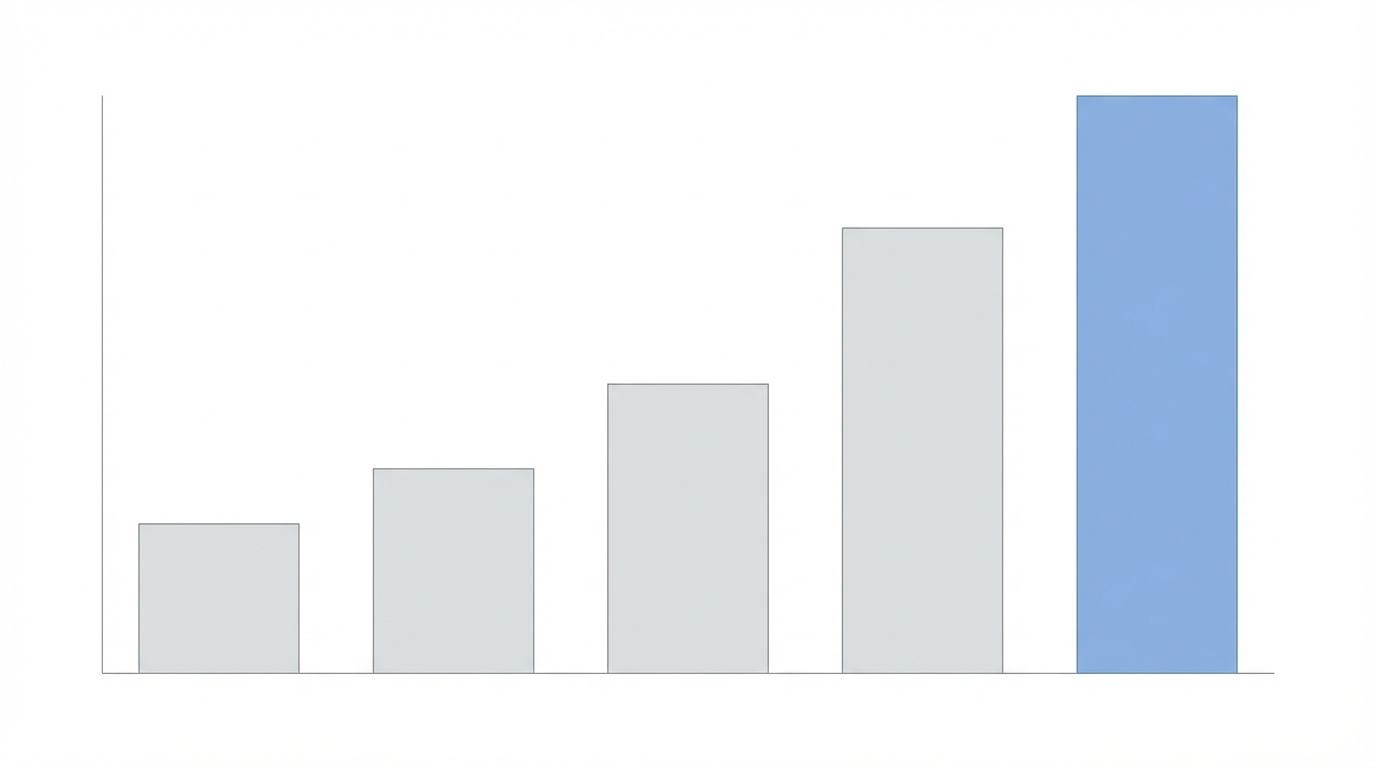
Many founders make the mistake of quitting 9-5 for side project work too early. Ben was making $3,000 MRR when he was laid off in 2023—a number that didn't even cover his basic expenses and health insurance. He faced a choice: take another W2 job or double down on Tech Lockdown. He chose the latter, but only because he had already validated the customer acquisition model.
To find your "Quit Number," you must consider:
- Profit Margins: Tech Lockdown maintains a 70% profit margin. High margins are essential for solo founders to survive, as noted in Y Combinator's financial planning guides.
- Runway: Do you have 6-12 months of savings to cover the gap between your current MRR and your living expenses?
- The Gasoline Rule: Do you have a marketing plan that you can "throw gasoline on"? If you had 40 hours a week instead of 10, would the business grow proportionally?
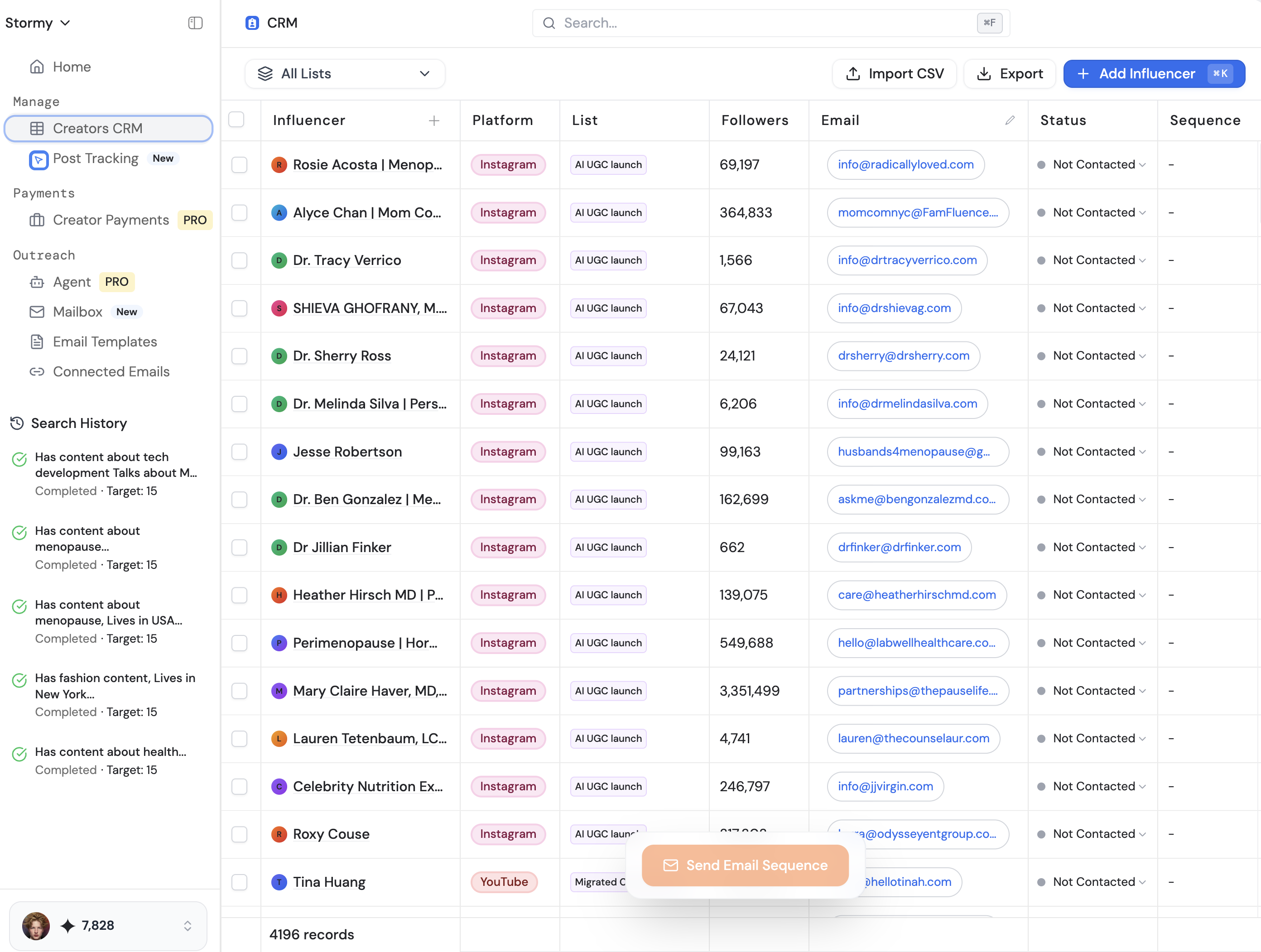
Ben’s business grew 5X after he went full-time because he had a proven content strategy that simply needed more volume. If you haven't identified a reliable way to get customers, leaving your job is premature. While old-school tools like Salesforce or legacy creator platforms can be clunky, managing your growing partnerships through Stormy's AI-powered creator CRM ensures that as you scale from $3k to $15k MRR, no negotiation, deal stage, or payment detail falls through the cracks.
The Solopreneur Tech Stack: Speed Over Cost

When you have limited time, your tech stack should be chosen for speed and ease of use, not necessarily for the lowest possible cost. Ben’s stack for Tech Lockdown includes:
- Database: Supabase for database and authentication.
- Frontend: SvelteKit for a simpler, more accessible web framework.
- Hosting: Vercel for continuous deployment and peace of mind.
- Analytics: Plausible Analytics for a clean, privacy-focused view of daily traffic.
- Email: Mailgun and Elastic Email for high-volume communication.
Paying $20/month for a service that saves you 5 hours of server maintenance is the best investment you can make. As Ben notes, infrastructure is relatively cheap; your time is the most expensive asset. Leveraging AI tools like Google Gemini for content ideation and Ahrefs for SEO research allows a solo founder to perform like a full-scale marketing team.
Building for the Long Haul
The journey from a 9-to-5 to $15,000 MRR is rarely a straight line. It is a process of shedding ego, ignoring aesthetics, and obsessing over the core problem. Ben Boasé succeeded with Tech Lockdown because he stopped trying to build a "startup" and started building a solution for people who were genuinely struggling with their internet habits. He focused on profitable side project case study fundamentals: high margins, organic reach, and a simple, complete product.
If you are currently sitting at your desk wondering how to start a saas business, the advice is simple: stop designing the logo. Find a problem you would solve for free, build a simple version that works, and dedicate your most energetic hours to its growth. By leveraging modern AI tools like Stormy AI to handle creator discovery, vetting, and automated outreach, you can bypass the manual drudgery that leads to burnout and focus on what truly matters—building a product that changes your life and the lives of your customers.