Imagine building a software product that earns $15,000 in monthly recurring revenue (MRR) while you work only four hours a day. For most founders, this sounds like a pipe dream. Yet, for Fernando Constantino, a product designer who transitioned from a 9-to-5 to a successful solopreneur, this is a daily reality. The secret behind his explosive growth isn't a massive ad budget or a sprawling sales team; it is a strategy known as side project marketing. By building small, free, and hyper-focused tools, Fernando created an organic traffic engine that scales his primary businesses—Resumemaker.online and AI Carousels—without spending a dime on traditional advertising.
What is Side Project Marketing?
Side project marketing, often referred to as engineering as marketing, is the practice of building small, free tools to solve a specific problem for your target audience. Instead of trying to convince someone to buy your main product through a cold email or a banner ad, you provide immediate value through a lightweight application. This tool acts as a lead magnet, introducing users to your brand and funneling them toward your paid offerings.
As Fernando explained in his Starter Story interview, the goal is to niche down as much as possible. While giant platforms like Canva try to be everything for everyone, a side project can be a laser-focused solution for a single task. For example, AICarousels.com doesn't try to compete with full-suite design tools; it simply allows users to create stunning social media carousels in seconds. This hyper-focus is one of the most effective saas growth strategies because it solves a "burning itch" immediately, making the user much more likely to explore your pro features later.
The Backlink Flywheel: SEO for Startups
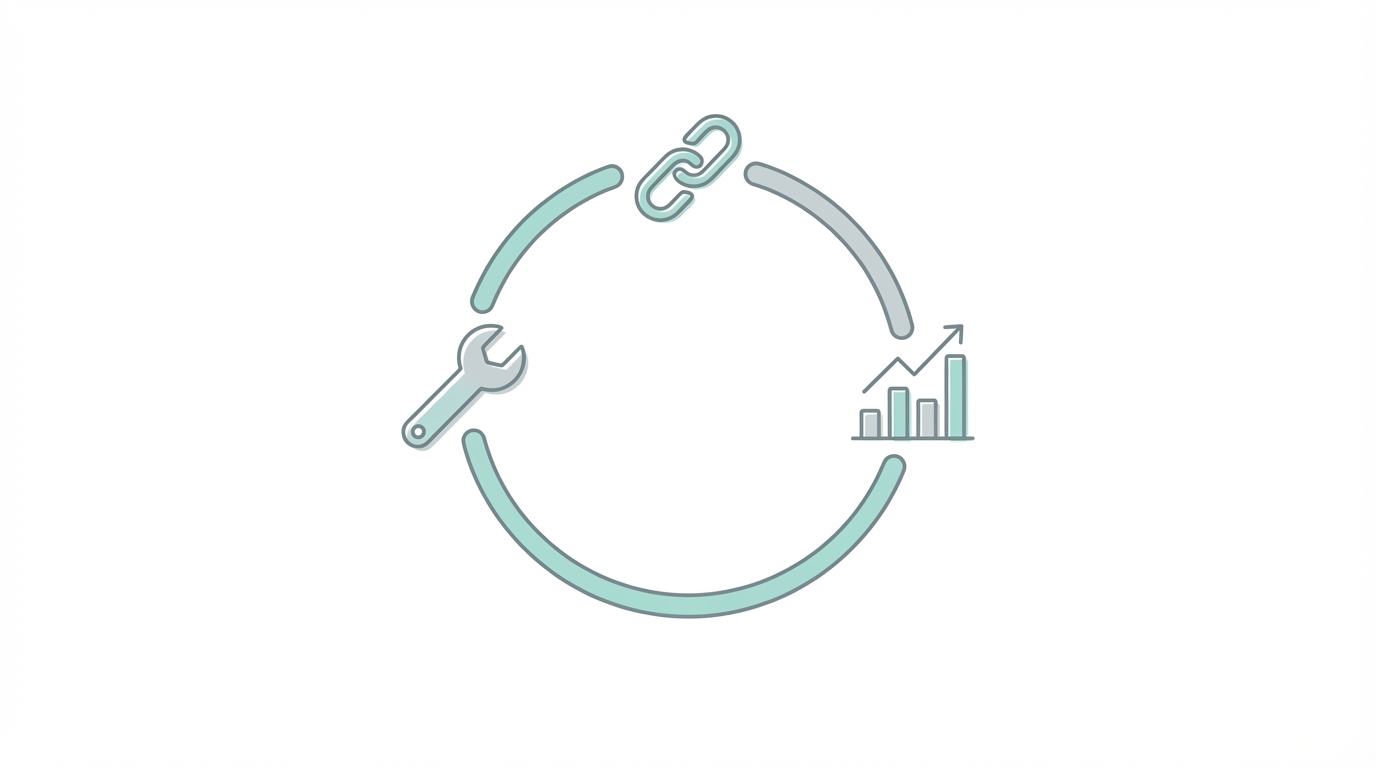

One of the biggest hurdles in seo for startups is acquiring high-authority backlinks. Google views links from reputable sites as votes of confidence, but getting those links is notoriously difficult and expensive. Side project marketing flips the script. When you build a tool that is genuinely useful, people naturally want to share it. Bloggers, journalists, and influencers link to your tool because it adds value to their own content.
Fernando’s Resumemaker.online is a masterclass in this approach. By making the tool incredibly easy to use—allowing users to see their resume design with just one click before even signing up—it became a viral sensation. When it won "Product of the Week" on Product Hunt, it generated a massive wave of backlinks from across the web. This created a permanent SEO advantage, ensuring a steady stream of organic traffic that persists years after the initial launch. If you are struggling to build authority, remember that a useful tool is often more linkable than the best-written blog post.
Mapping Your Ecosystem: Designing Natural Extensions
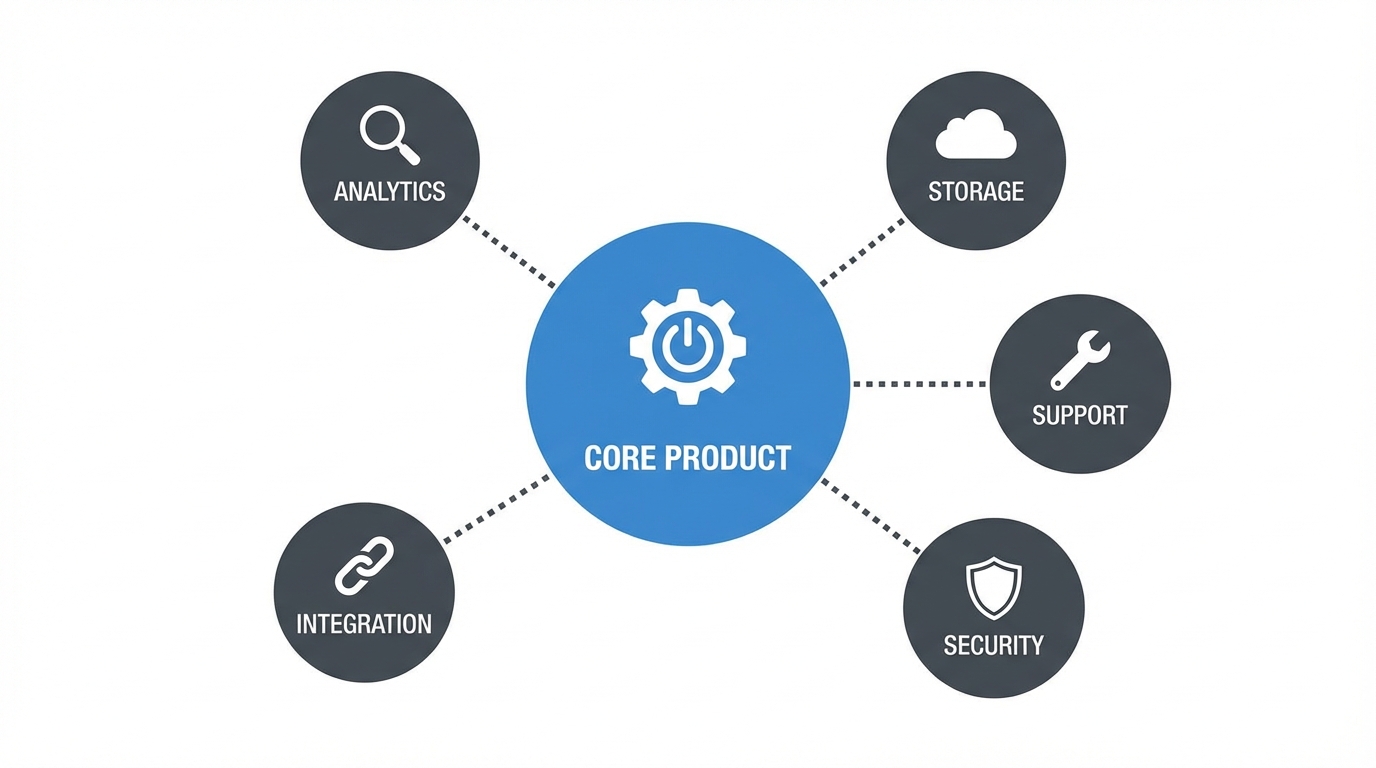
A common mistake in engineering as marketing is building tools that have nothing to do with your core business. To be successful, your side project must be a natural extension of your paid product. If you sell a social media management platform like Buffer, a free hashtag generator or a post-preview tool makes sense. If you sell an SEO tool, a free keyword density checker is a perfect fit.
For those in the creator economy space, identifying these gaps is easier when you have the right data. Before building your next tool, you might use Stormy's AI search to discover what creators in your niche are actually complaining about or what repetitive tasks they are performing across TikTok, Instagram, and YouTube. Fernando followed this logic by building nearly 30 free tools that complement his main products. These tools act as entry points; a user might find a free image cropper today and become a subscriber to his AI Carousel generator tomorrow. This ecosystem approach reduces churn because users find value in the entire "package" of tools you provide.
Distribution Channels: Launching and Building in Public
Even the best tool won't work if no one knows it exists. Successful side project marketing requires a strategic distribution plan. Fernando emphasizes two main channels: Product Hunt and "Building in Public" on social media. Launching on Product Hunt provides an initial spike of traffic and, more importantly, validation. Fernando noted that even if a product is buggy at launch, if people are willing to pay for it, you have found a winning idea.
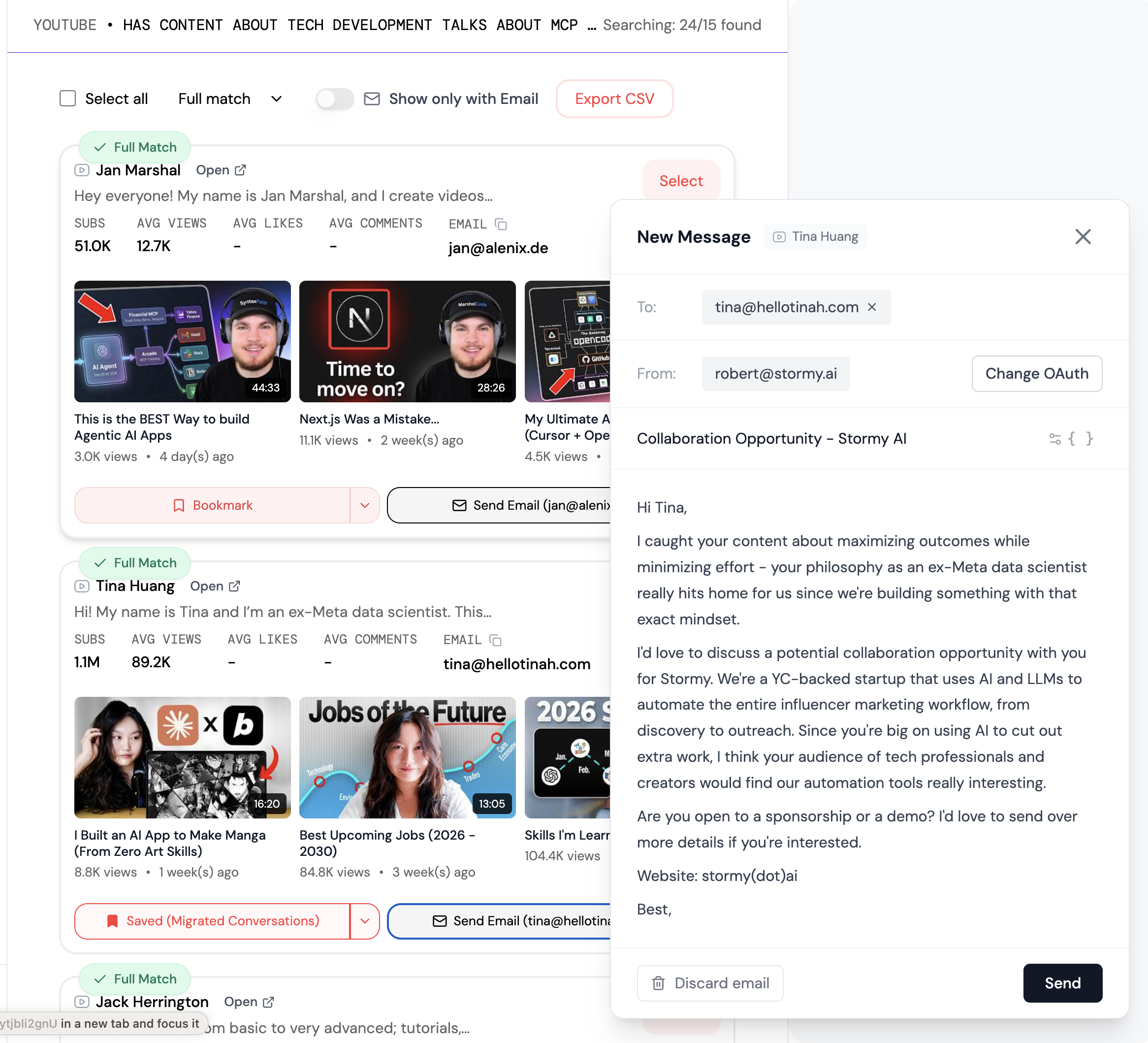
The second pillar is leveraging platforms like X (Twitter) and LinkedIn. By sharing the journey—the bugs, the small wins, and the 10-day build challenges—you build a personal connection with your audience. To scale this outreach, smart founders use Stormy's AI outreach to connect with influencers and newsletter editors who might be interested in featuring their new free tool. A personalized email to a niche newsletter editor can drive more targeted traffic than a generic blast to thousands of people.
The Playbook: Launching Your First Free Lead-Gen Tool
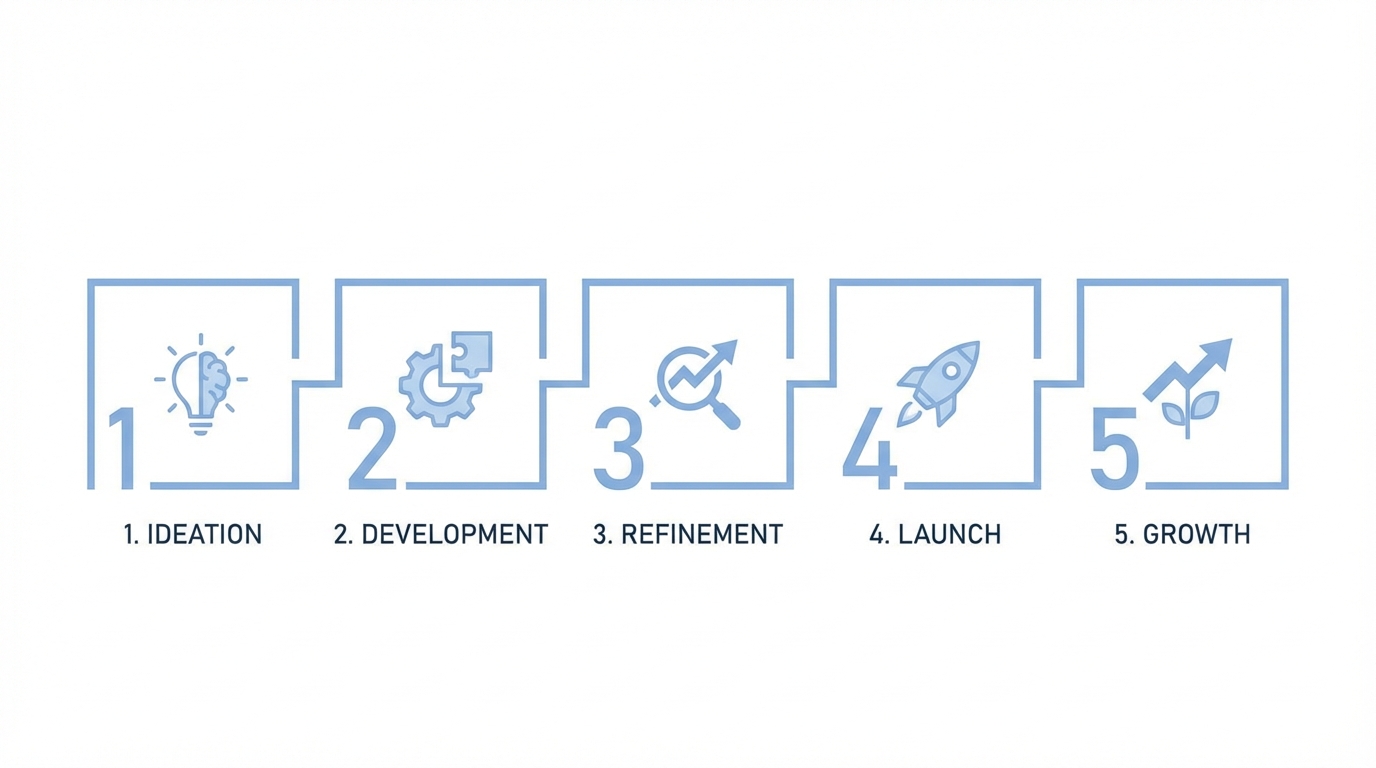
Building free tools for lead generation doesn't have to take months. In fact, Fernando built the MVP for AI Carousels in just 10 days. Follow this 5-step playbook to start your side project marketing engine:
Step 1: Identify a Validated Market
Don't try to invent a new category. Look at big, validated markets (like design, resumes, or marketing) and find a sub-niche. Use Stormy's influencer analysis to see which topics are trending among creators and where they are struggling with existing, "bloated" software by performing deep audience demographic and quality checks.
Step 2: Solve the "One Button" Problem
Your side project should do one thing exceptionally well. If it requires a 10-page manual, it’s too complex. The goal is to get the user to an "aha!" moment as quickly as possible. In Fernando’s case, it was seeing a resume template instantly without a sign-up form.
Step 3: The 10-Day Sprint
Set a strict deadline. Use no-code or low-code tools to move fast. Fernando uses Outseta to handle the technical heavy lifting like billing, CRM, and subscriptions, allowing him to focus entirely on the core product feature. Keeping it lean ensures you don't get too attached if the idea fails.
Step 4: Launch and Collect Feedback
Submit your tool to Product Hunt and share it on your social channels. Pay close attention to the first five paying customers. They are your most valuable source of information. Act as your own customer support, replying to every email personally to turn frustrated users into loyal fans.
Step 5: The SEO Long Game
Once the initial launch buzz fades, focus on the backlink flywheel. Ensure your tool is optimized for the specific keywords people use when looking for a solution (e.g., "free carousel maker"). Monitor your success by using Stormy's post tracking to see who is sharing your tool and what the sentiment looks like across social platforms like TikTok and Instagram.
Monetization: Moving from Free to $15k MRR
While the side project is free, the goal is to drive revenue. Fernando transitioned from a one-time purchase model to a freemium SaaS model to make revenue more predictable. By offering pro features like AI generation, advanced styling, and removing watermarks, he converts a percentage of the free traffic into paying subscribers. This transition is easier when you have a 90% profit margin, achieved by keeping your tech stack lean with tools like Notion and avoiding unnecessary overhead like expensive offices or large teams.
As you scale, you can automate more of the process. Instead of manually searching for new distribution opportunities, an autonomous AI agent can discover and outreach to creators daily, keeping your free tools at the top of mind for your target audience. This allows you to step back and optimize for lifestyle rather than just revenue, much like Fernando’s four-hour workday.
Conclusion: Build Small to Win Big
Side project marketing is one of the most powerful saas growth strategies because it aligns your interests with those of your users. You provide a genuine solution to a problem, and in return, you gain SEO authority, brand awareness, and a steady stream of leads. You don't need to be an expert coder or have a million-dollar budget to start. You just need to find a small, annoying problem and build the simplest possible solution for it.
Ready to find your next winning side project idea? Start by understanding your audience's needs and vetting the creators who influence them. Discover creators on Stormy today and build the tools that will power your growth tomorrow.