The era of the $10,000 influencer shoutout is dying. For years, brands operated on the assumption that followers equaled reach. If you wanted to scale, you paid a premium to tap into an influencer’s “social graph”—the people who intentionally hit the follow button. But today, the internet has shifted. We have moved from the social graph to the interest graph, a world where the algorithm understands the viewer better than they understand themselves. In this new landscape, a creator with zero followers can generate millions of views, while a veteran influencer with a million followers might struggle to break 10,000. For brands, this represents the single greatest marketing arbitrage opportunity of the decade. This playbook will show you how to exploit this shift by building a high-volume content engine based on a $900/month creator retainer model.
The Shift: Why Followers No Longer Dictate Reach
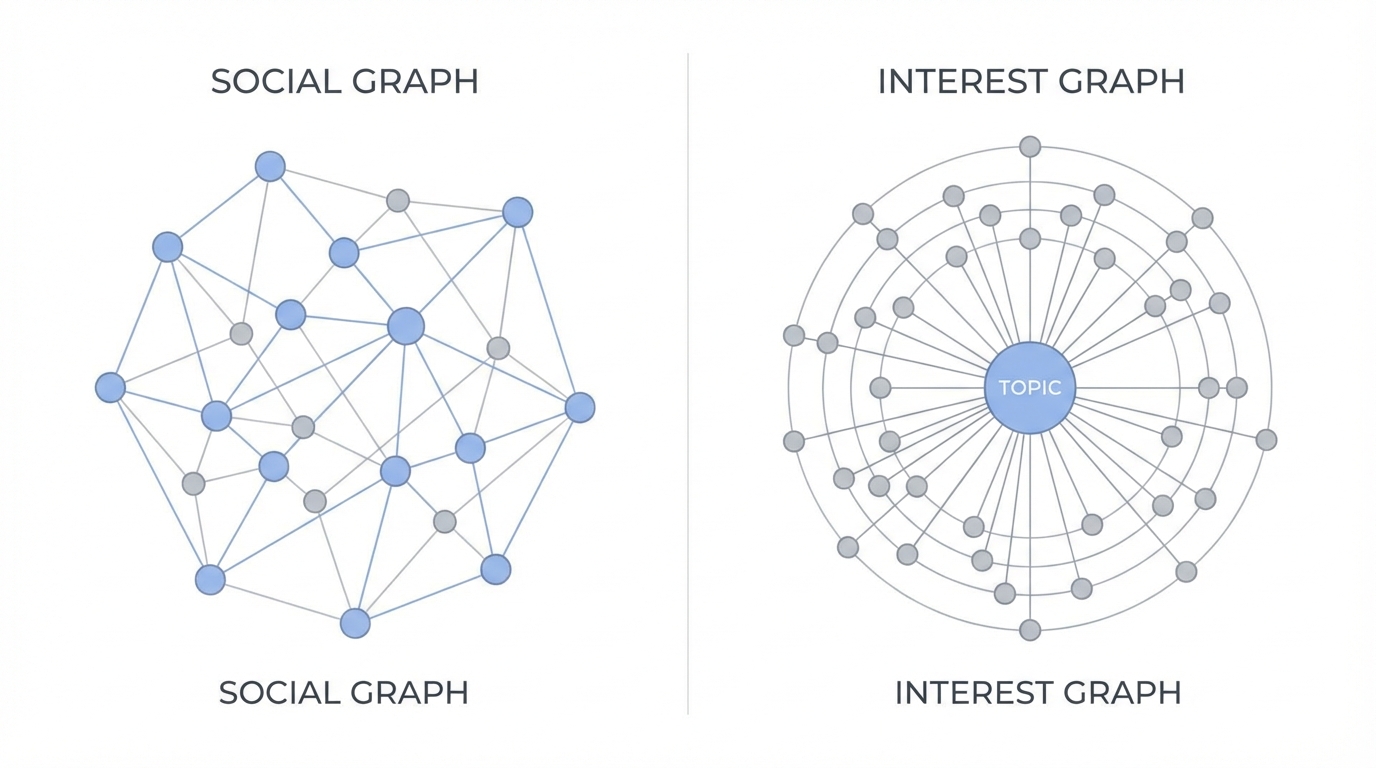
To understand how to scale on TikTok, Instagram Reels, and YouTube Shorts, you must first understand the fundamental change in how content is distributed. Historically, platforms like Facebook and the “old” Instagram showed you content from people you followed. This was your social graph. If you didn’t have followers, you didn’t have reach.
Then came the “For You” page algorithm. This algorithm prioritizes user interest and engagement over existing relationships. As Sam Altman, co-founder of OpenAI, recently noted, we are now in the “era of the idea guy.” The quality of the content and the relevance of the idea are now the primary drivers of distribution. This is why a brand-new account can go viral overnight. The platforms want to keep users on-site for as long as possible, and they do that by feeding them an “unlimited drip feed” of high-performing content, regardless of who made it.
For your short-form video strategy, this means your focus should shift from “influencers” to “creators.” An influencer is someone you pay for their audience; a creator is someone you pay for their ability to generate content that hits the algorithm. Because of the interest graph, working with 10 creators who have zero followers is often ten times more effective than working with one influencer who has 100,000 followers.
The Retainer Model: $900 Per Month for 30 Videos
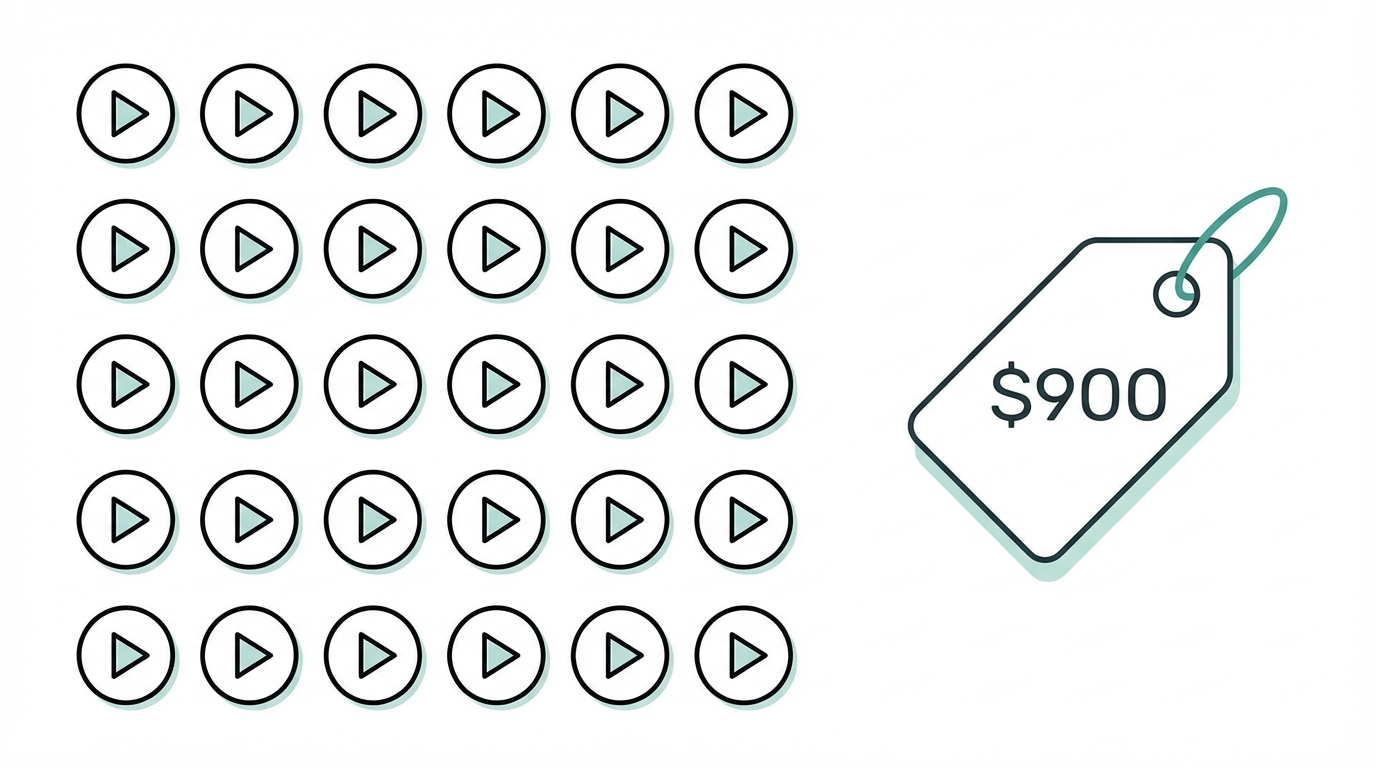
The core of this user generated content marketing strategy is volume. In the social graph world, you might pay an influencer $2,000 for a single post. If that post flops—which happens 90% of the time—your $2,000 is gone with nothing to show for it. You only have one “at bat.”
Instead, the creator marketing playbook suggests a high-frequency retainer model. You find hungry, talented creators (often Gen-Z students or up-and-coming artists) and offer them a flat rate of $900 per month. In exchange, they produce one video per day (30 videos a month) that is posted across TikTok, Reels, and Shorts. This gives you 30 at-bats for less than the price of one traditional influencer post.
The math of the arbitrage is simple:
- Traditional Influencer: $2,000 cost / 1 post / 30,000 views = $66.67 CPM (Cost Per Mille).
- Creator Retainer: $900 cost / 30 posts. Even if only 10% of those videos “pop” and get 100,000 views total, your CPM drops to $9.00 or less.
If your creator hits just a few “outlier” videos that reach 500,000 impressions, your CPM could drop to as low as $1.80. Compare this to the average Meta Ads Manager CPM of $6.00+, and you can see why brands are obsessed with this model. You are essentially buying attention at a 70% discount while benefiting from the “organic” feel that users trust more than paid ads.
Step 1: Sourcing Creators with Stormy AI

The hardest part of this strategy isn’t the math—it’s the logistics. Finding 5 to 10 creators who understand your niche, aren’t “flaky,” and can produce daily content is a massive time suck. You cannot simply scroll TikTok all day and hope to find them manually.
This is where tools like Stormy AI become essential. Stormy is an AI-powered search engine that allows you to find creators across TikTok, YouTube, and Instagram using natural language prompts. Instead of manual searching, you can use Stormy to identify creators who are already talking about your category—whether that’s “vibe coding,” “productivity apps,” or “real estate investing.”
Once you identify these creators, you can use Stormy AI’s outreach tools to automate the recruitment process. Stormy handles the hyper-personalized email generation and follow-ups, allowing you to pitch your $900/month retainer model to hundreds of potential creators while you sleep. The goal is to cast a wide net, hire a batch of creators, and see who performs. You aren’t looking for celebrities; you are looking for people who can edit in CapCut and understand the “brain rot” pacing that keeps viewers hooked.
Step 2: Account Setup—Fresh Starts Only
A common mistake brands make is asking creators to post on their personal accounts. This is a mistake for two reasons. First, the creator might not want to “spam” their personal feed with brand content. Second, you want to own the digital gravity of these accounts.
The playbook dictates that each creator starts a brand-new, fresh account specifically for your brand (e.g., @Appname_CreatorName). Because of the interest graph, these accounts start with a clean slate in the algorithm. As the creator finds a format that works, they double down and “remix” that format over and over. If one video gets 100k views, the next video in that same format is highly likely to be pushed by the algorithm to a similar audience.
This approach also allows you to turn the best-performing organic videos into paid ads. This is the ultimate ugc strategy for brands: use organic creators to find “winners” at a low cost, then put serious ad spend behind those specific videos. Because they worked organically, they are almost guaranteed to perform in a paid setting.
Step 3: Scaling with the “Creator-Manager” Framework
Managing 10 creators is a full-time job. They are often young, sometimes flaky, and require constant feedback. To scale your content engine to $50K/month and beyond, you need the Creator-Manager framework.
Once you have a few creators on retainer, identify your best performer—the one who consistently hits deadlines and produces the most outliers. You promote this person to “Manager.” You pay them a higher retainer to continue making their own videos while also managing the daily logistics of 5-10 other creators.
The Manager’s job is to:
- Ensure every creator posts their daily video.
- Monitor a shared Discord or WhatsApp group.
- Identify “winner” formats from one creator and share them with the rest of the team to remix.
This creates a growth flywheel. When one creator discovers a hook that works, the entire team adopts it within 24 hours. This “compound learning” is how brands like Focus Tree or the “App Mafia” developers have scaled to millions of users with almost zero traditional ad spend.
The Tech Stack: Tracking ROI and Finding Outliers
You cannot manage what you do not measure. To run a professional creator marketing playbook, you need a stack of tools to track performance and research the competition.
First, you need a way to track the videos your creators are posting. Tools like Shortimize and Viral app allow creators to submit their links, which the platform then scrapes to provide data on views, engagement rates, and shares. This is critical for calculating your real-time CPM and identifying which creators deserve a bonus—and which should be replaced.
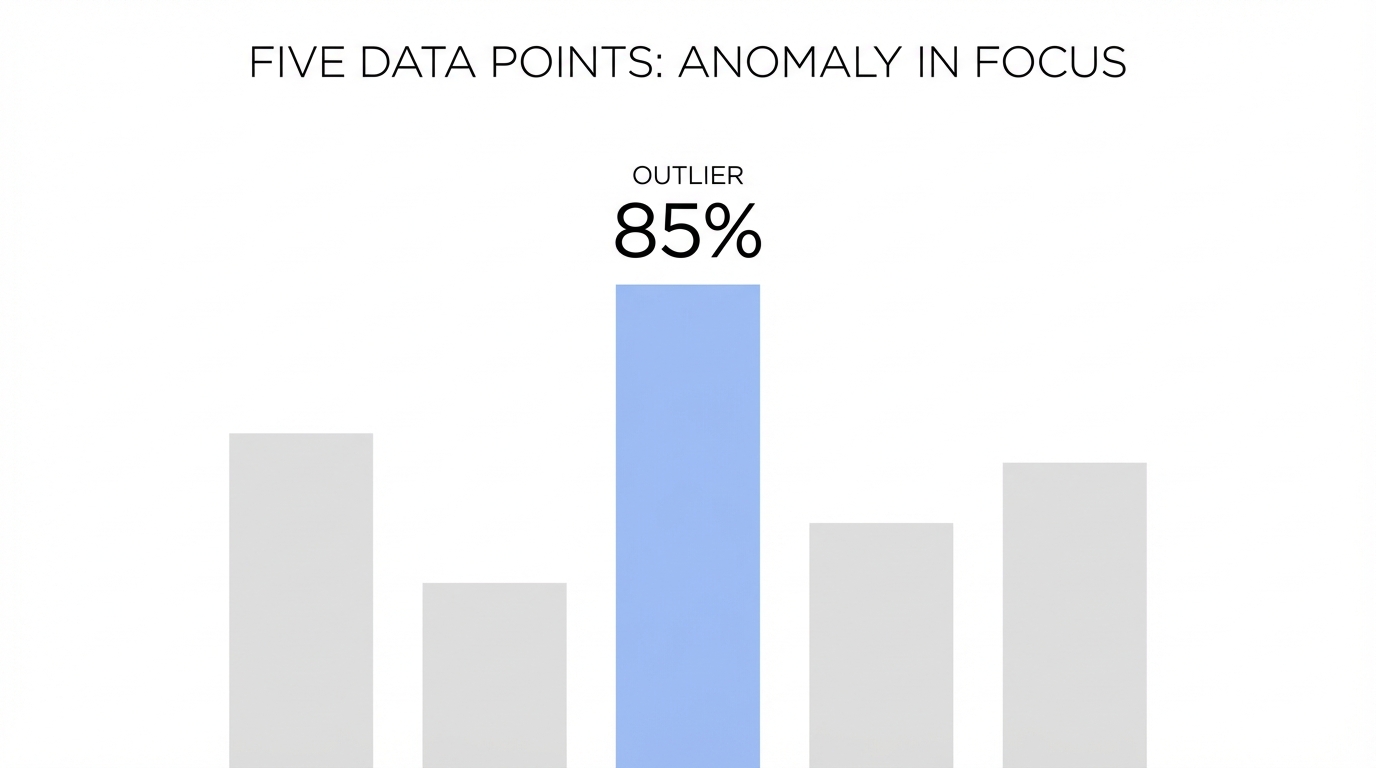
Second, you need “discovery” tools to help your creators find viral hooks. You shouldn’t expect creators to reinvent the wheel every day. Instead, use tools like Virulo or Sandcastles AI. These platforms aggregate top-performing short-form videos across your entire category. You can search for “productivity hacks” or “coding tutorials” and see which videos are currently outliers. Your creators then take those successful frameworks and “remix” them for your specific product.
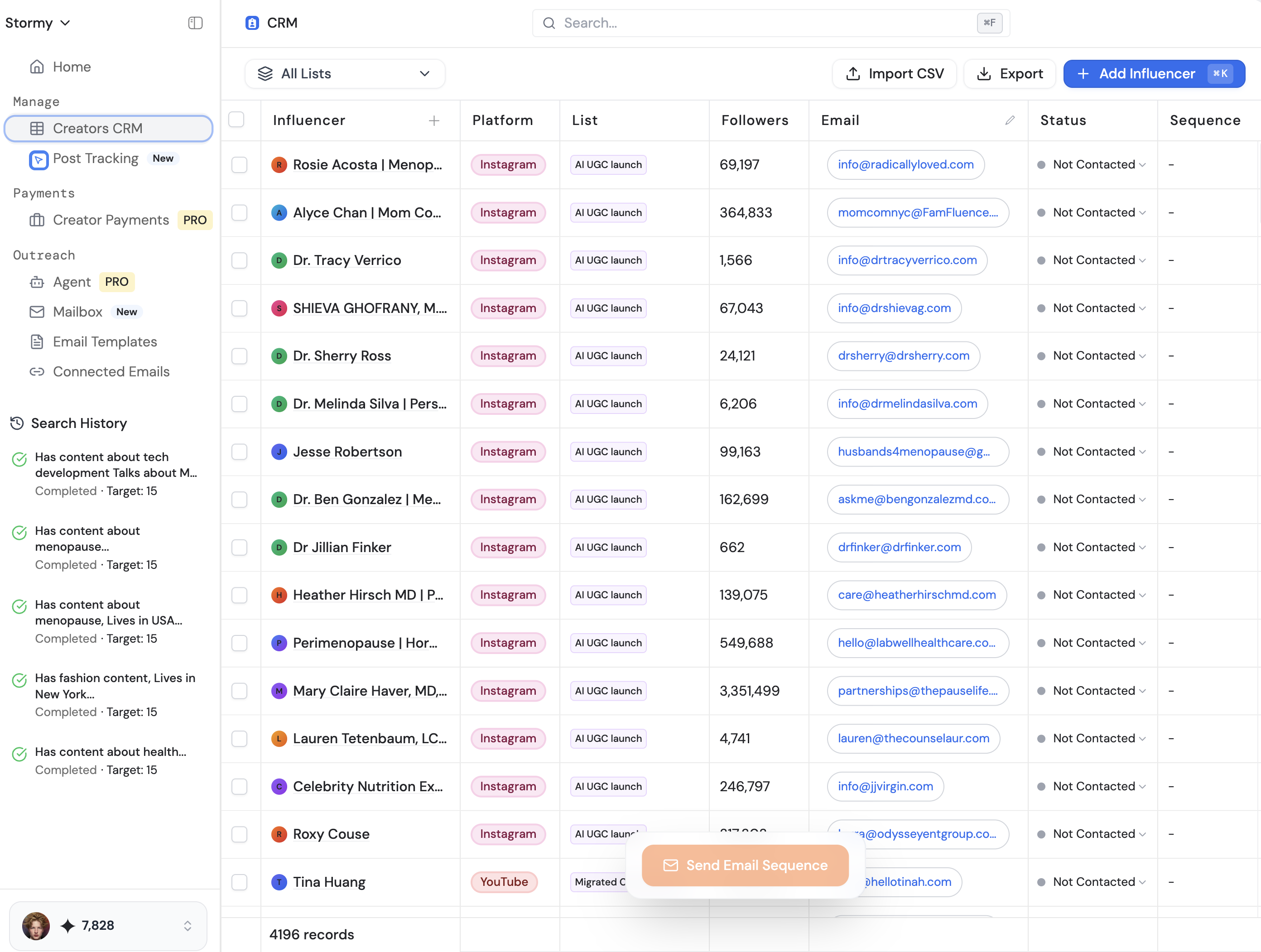
Finally, for managing the relationships and payments, a dedicated Creator CRM like the one built into Stormy AI is invaluable. It allows you to track every negotiation, deal stage, and payment in one place, preventing the “messy spreadsheet” syndrome that kills most scaling influencer campaigns.
Digital Gravity: The Hidden ROI of Creator Volume
While the direct goal of this strategy is often app installs or e-commerce sales, there is a secondary effect called Digital Gravity. When you have 10 creators posting 300 videos a month about your brand, you dominate the “mental real estate” of your category.
This volume leads to a massive spike in branded search. Users might see a TikTok video, not click the link in the bio, but later go to Google or Amazon and search for your brand name. You can track this in Google Search Console by monitoring queries that contain your brand name during your creator campaigns. This “halo effect” often provides more long-term value than the initial viral spike itself.
This strategy is particularly potent for mobile apps and products with a “killer feature” that can be demonstrated in 15 seconds. If your product requires a long learning curve or a complex sales demo, short-form might only serve as top-of-funnel awareness. But for impulse-buy e-commerce or “single-feature” apps, this is the most efficient growth engine available today.
Conclusion: Building Your Engine
Scaling on TikTok and Reels isn’t about luck; it’s about mathematical probability. By shifting from expensive influencers to high-volume creator retainers, you increase your “surface area” for virality.
To recap the playbook:
- Source 5-10 creators using Stormy AI to automate identification and outreach.
- Onboard them on a $900/month retainer for 30 videos each, posted to fresh accounts.
- Track everything using Shortimize or Viral app.
- Identify outliers using Virulo and have your creators remix those winning formats.
- Promote your best creator to a Manager role to handle the daily logistics.
Stop chasing followers and start chasing the interest graph. The tools are ready, the creators are hungry, and the arbitrage is yours for the taking. Start building your content engine today.